




Best Food Tours & Culinary Experiences in Italy: A Region-by-Region Guide
From Palermo's street markets and Naples' fried dough to Alba's truffle hills, a practical guide to eating where Italians actually eat.
Italy's food culture is not confined to restaurant dining rooms. Much of what defines regional cuisine lives in street markets, corner friggitorie, and neighbourhood kiosks that most visitors walk past without recognising. From Palermo's pane con la milza to Bologna's crescentine and Naples' pizza fritta, each city maintains a street food vocabulary shaped by centuries of trade, poverty, and local ingenuity. Guided food tours offer the most reliable way into that vocabulary.
What makes Italian street food so regionally distinct?
Italy was unified as a nation only in 1861, and its culinary geography still reflects the centuries of independent city-states, kingdoms, and trade routes that preceded that moment. The result is a country where the street food in Palermo shares almost nothing with what you find in Turin, and where Bologna's portable snacks are entirely different from those sold in Naples.
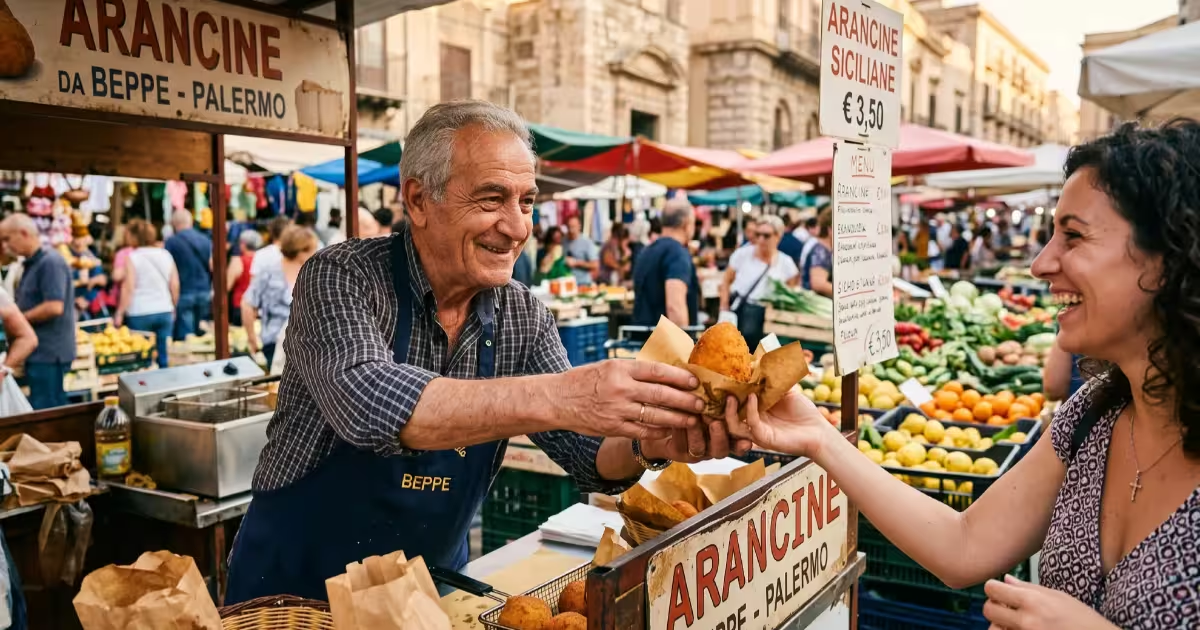
In Sicily, the Arab, Norman, and Spanish influences on the island's history show up directly on the plate. Palermo's Ballarò and Vucciria markets, both active for over 700 years, sell arancina (rice balls filled with ragù or butter and ham), pane con la milza (a spleen sandwich dressed with ricotta and caciocavallo cheese), and sfincione (a thick, oily pizza topped with onion, tomato, and anchovy). These are not novelties for tourists. They are daily food for working residents of the city.
In Naples, the street food tradition is built around heat and dough. Pizza fritta, fried pizza filled with ricotta, salami, and provola, dates to the post-war period when wood-fired ovens were unaffordable for many families. The sfogliatella, a ridged pastry filled with semolina cream, has been produced in the city since at least the 18th century, when it was exported from a convent in Conca dei Marini on the Amalfi Coast.
"Street food in Italy is not a trend. It is the oldest form of urban eating in the country, predating restaurants by several centuries," notes food historian Alberto Grandi, who has written extensively on the origins of Italian culinary identity.
In Bologna, the portable food culture centres on tigelle (small round flatbreads cooked between terracotta discs) and crescentine (fried dough pillows served with cured meats and soft cheeses). The city's reputation as La Grassa, the fat one, reflects a culinary tradition rooted in the fertile Po Valley and centuries of prosperous mercantile culture.
Turin in Piedmont offers a different register. The city's mercati and bar counters stock tramezzini (crustless triangular sandwiches, invented at the Caffè Mulassano in Piazza Castello in 1925) alongside sanguinaccio, a rich blood sausage more common in autumn and winter markets. The city's proximity to France shows in its café culture and the refinement of its bar snacks.
Why are guided food tours more effective than eating independently in Italy?
Italy does not make independent food exploration straightforward. Markets close by early afternoon. The best stalls have no signs, no menus, and no English. Friggitorie tucked into side streets in Palermo or Naples operate on local knowledge and repeat custom. Without introduction, a visitor can spend a week in a major Italian city and never encounter the food that defines it.
A guided food tour solves several practical problems simultaneously. A knowledgeable local guide knows which market vendors have operated for three generations and which are recent additions; which version of a dish is considered canonical and which is a tourist approximation; and which streets, at which times of day, offer the most concentrated food culture.
ToursXplorer lists guided food experiences across Italy's main culinary regions, including market-focused tours in Palermo, truffle and wine itineraries in the Langhe hills around Alba, and day trips from Milan that combine wine tasting in the Franciacorta DOCG zone with visits to historic lakeside towns. These experiences are designed around culinary access, not sightseeing logistics.
"The difference between eating in a tourist restaurant and eating with a local guide in a Sicilian market is not just the price. It is the entire register of the experience," observed food journalist Rachel Roddy, who has reported on Italian culinary culture for the Guardian since 2013.
Beyond access, guides provide context. Knowing that pane con la milza was historically sold to the working poor of Palermo's dock quarter, or that arancina in Palermo is feminine while arancino in Catania is masculine, an ongoing debate taken seriously by Sicilians, changes the meaning of what you are eating.
Which Italian regions offer the most distinctive culinary experiences for food tourists?
Several regions stand out for both the distinctiveness of their food culture and the quality of guided experiences available.
Sicily remains the most varied culinary region in Italy. The island's cuisine integrates North African spices (cinnamon, saffron, pine nuts) with Spanish techniques and Greek-era agricultural traditions. Palermo's street food circuit, which runs through the Capo, Ballarò, and Vucciria markets, is one of the most concentrated food experiences in Europe. Full-day tours of Palermo can also incorporate the Norman cathedral at Monreale, completed in 1189, and the beach suburb of Mondello, where seafood kiosks operate along the waterfront.
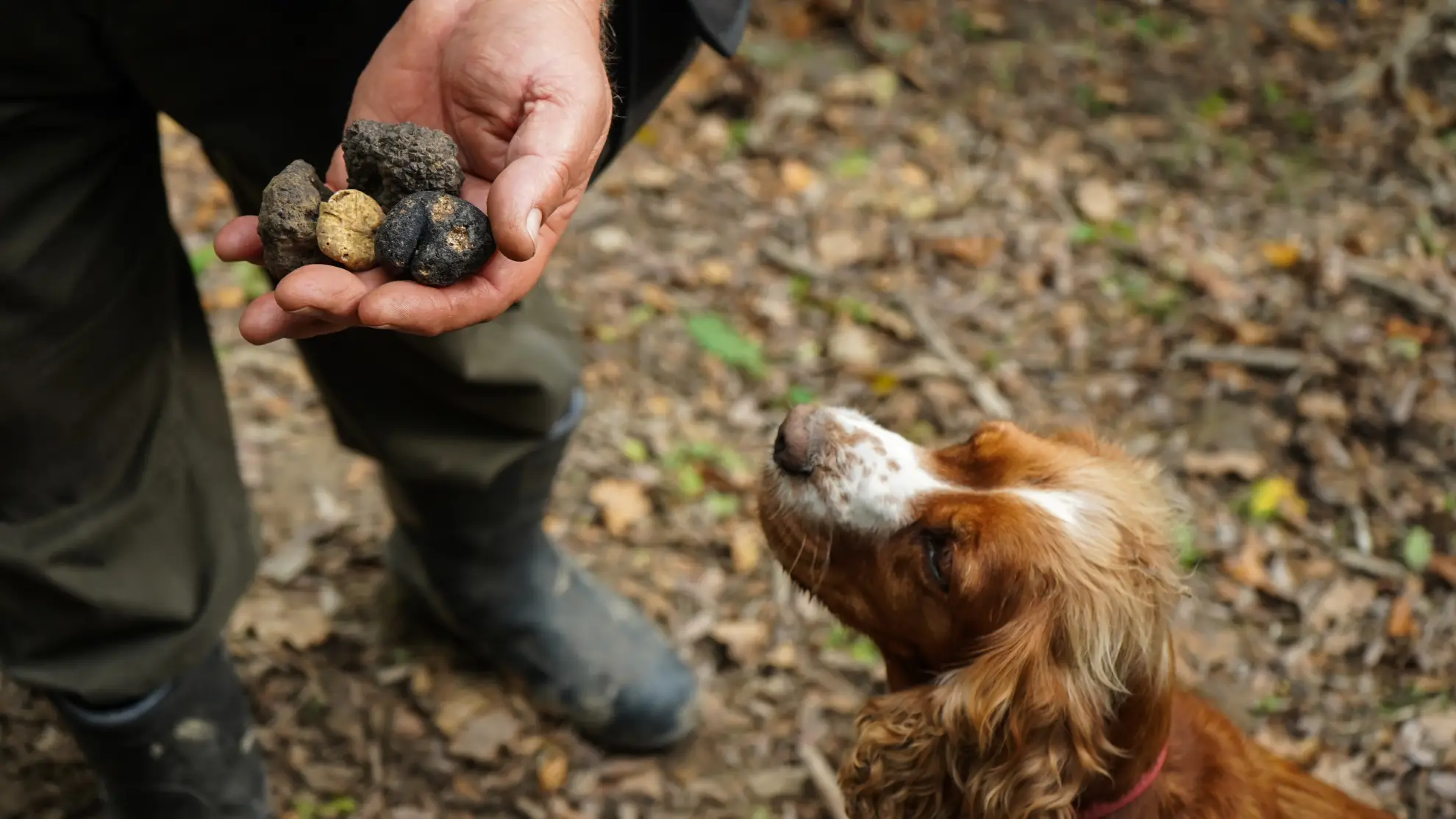
Piedmont in northwest Italy is built around slower, more formal food rituals, but the region's raw materials, including white truffles from the Alba area, Barolo and Barbaresco wines from the Langhe hills, and hazelnuts from the Cuneo province used in gianduja chocolate, are among the most highly valued in Italian gastronomy. The Alba White Truffle Fair, held annually in October and November since 1929, draws buyers and chefs from across Europe. Private tours in the Langhe combine truffle hunting with estate visits and wine tastings in the villages of Barolo, La Morra, and Castiglione Falletto.
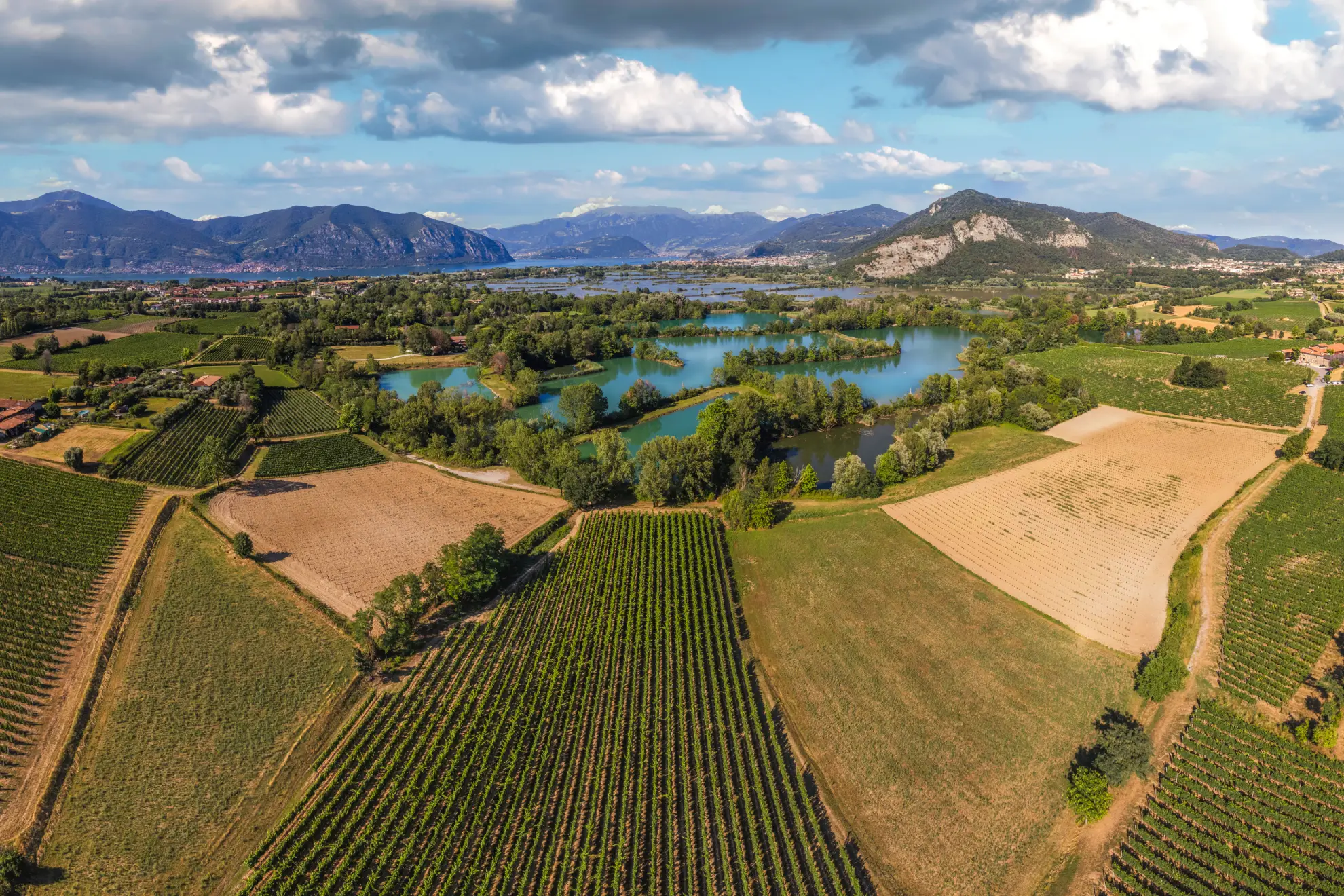
Lombardy offers a different proposition. The region around Franciacorta, located between Brescia and the southern shore of Lake Iseo, produces Italy's most respected method champenoise sparkling wine under the Franciacorta DOCG designation, granted in 1995. Day trips from Milan to this zone can be combined with visits to Sirmione on Lake Garda, a fortified peninsula town whose 13th-century Scaligero Castle occupies the tip of a 4-kilometre spit of land extending into the lake.
| Region | City | Key Street Foods | Best Market or Venue |
|---|---|---|---|
| Sicily | Palermo | Arancina, pane con la milza, sfincione | Ballarò Market, Vucciria |
| Campania | Naples | Pizza fritta, sfogliatella, cuoppo | Spaccanapoli, Via Toledo |
| Emilia-Romagna | Bologna | Tigelle, crescentine, mortadella rolls | Mercato delle Erbe, Quadrilatero |
| Piedmont | Turin | Tramezzini, sanguinaccio, grissini | Porta Palazzo Market |
| Piedmont | Alba | Tajarin, white truffle, bagna cauda | Alba Truffle Fair (Oct–Nov) |
| Lombardy | Brescia area | Franciacorta wine, casoncelli pasta | Franciacorta wineries |
Featured Food & Culinary Tours in Italy
Ready to eat where Italians eat? Browse all food tours and culinary experiences across Italy on ToursXplorer and book directly with local operators.
Browse all Italy tours on ToursXplorerHow to choose the right Italian food tour for your itinerary
The first decision is geographic: Italy's culinary regions are distinct enough that a food tour in Palermo and a food tour in Bologna represent almost entirely different cuisines, techniques, and social contexts. Travellers with a specific interest, whether in truffle culture, wine, street food, or market life, should identify the region before comparing tour formats.
For market-focused street food, Sicily and Campania offer the most active and accessible pavement food culture. For wine and agricultural products, Piedmont's Langhe and Lombardy's Franciacorta zone are the most structured and internationally recognised. For cured meats, fresh pasta, and deli culture, Emilia-Romagna, and specifically Bologna, remains the reference point in Italian gastronomy.
Tour format matters as much as location. Private tours offer flexibility and depth but typically cost more per person. Group food tours bring a social dimension and are often better value for solo travellers or couples. Full-day formats allow a combination of cultural sightseeing and culinary experience, as in the Palermo tour that links Monreale, the city's markets, and Mondello in a single day.
ToursXplorer's Italy food tour listings are filterable by city, duration, and format, making it straightforward to match an experience to available travel time. All tours on the platform are bookable directly, with operator contact available for questions about specific dietary requirements or seasonal adjustments.
When is the best time of year to take a food tour in Italy?
Italian food culture is seasonal in ways that directly affect what guided tours can offer. The most significant seasonal window is autumn, specifically October and November, when the white truffle season peaks around Alba and the Langhe hills, and when the grape harvest, or vendemmia, is underway across Piedmont, Tuscany, and Lombardy.
Palermo's street food markets operate year-round, but the city is most comfortable for walking tours between March and June, and again in September and October, when temperatures remain below 28 degrees Celsius and the summer tourist crowds have thinned. Mondello Beach, which features in the Palermo full-day tour, is viable from May through October.
For Franciacorta wine tours from Milan, the harvest period from late August through October is the most visually and experientially rich time to visit, though the wineries receive visitors and conduct tastings throughout the year. Winter visits to the region are quieter and can be preferable for travellers who want focused time with producers rather than harvest-season crowds.
Bologna's covered markets, including the Mercato delle Erbe and the Quadrilatero district, are active from September through May. Summer in Emilia-Romagna is hot and humid, and many local food businesses take August breaks.
Frequently Asked Questions
Italy's street food varies sharply by region. In Palermo, look for arancina (fried rice balls) and pane con la milza (spleen sandwich) at Ballarò or Vucciria market. In Naples, pizza fritta and sfogliatella are found along Spaccanapoli. In Bologna, tigelle and crescentine are served near the Quadrilatero. Each city's best stalls are easiest to find with a local food guide.
Most guided food tours in Italian cities run between 3 and 4 hours, covering 5 to 8 tasting stops. Full-day tours, such as the Palermo tour combining Monreale, city markets, and Mondello Beach, run approximately 8 to 9 hours including travel. Private truffle and wine tours in the Langhe hills around Alba typically last a full day, from around 9am to 6pm.
No. Most guided food tours listed on ToursXplorer are conducted in English, or available in English with advance notice. Local guides in major food cities including Palermo, Bologna, and Alba regularly lead tours for international visitors. It helps to know a few dish names before you go, but it is not required for participation or enjoyment.
Private food tours cost more per person but allow itinerary customisation, pace adjustments, and direct conversation with the guide. They are particularly valuable in specialist contexts such as Alba's truffle season, where a private guide can adapt the itinerary based on that week's harvest conditions and arrange access to specific producers. Group tours offer better value for solo travellers.
The Alba white truffle season runs from late September through early January, peaking in October and November. The Alba White Truffle Fair has been held annually since 1929. During this period, truffle hunting excursions with trained Lagotto Romagnolo dogs are most productive, and estate tastings in the Langhe include freshly shaved Tuber magnatum pico on tajarin pasta and eggs.
Yes. Franciacorta lies approximately 80 kilometres east of Milan, roughly a 75-minute drive. A day trip can comfortably include two or three winery visits with tastings, plus a stop in Sirmione on Lake Garda, which is around 30 kilometres further east. Private tours from Milan handle all transport, making the logistics straightforward for visitors without a car.