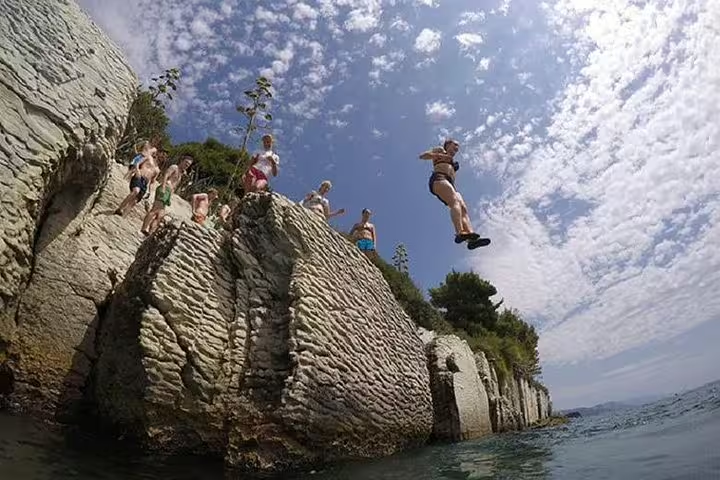
The world is a vast playground for those who seek to connect with nature through a diverse range of outdoor activities. This broad category encompasses everything from the quiet contemplation of stargazing in remote deserts to the high-octane thrills of ziplining through tropical canopies. Engaging in outdoor adventures allows travelers to break away from the digital world and rediscover the rhythms of the natural environment. Whether you are navigating rugged hiking trails in the high mountains or practicing paddleboarding on a glass-like lake, these experiences provide a unique sense of accomplishment and a profound connection to the Earth's most beautiful landscapes.
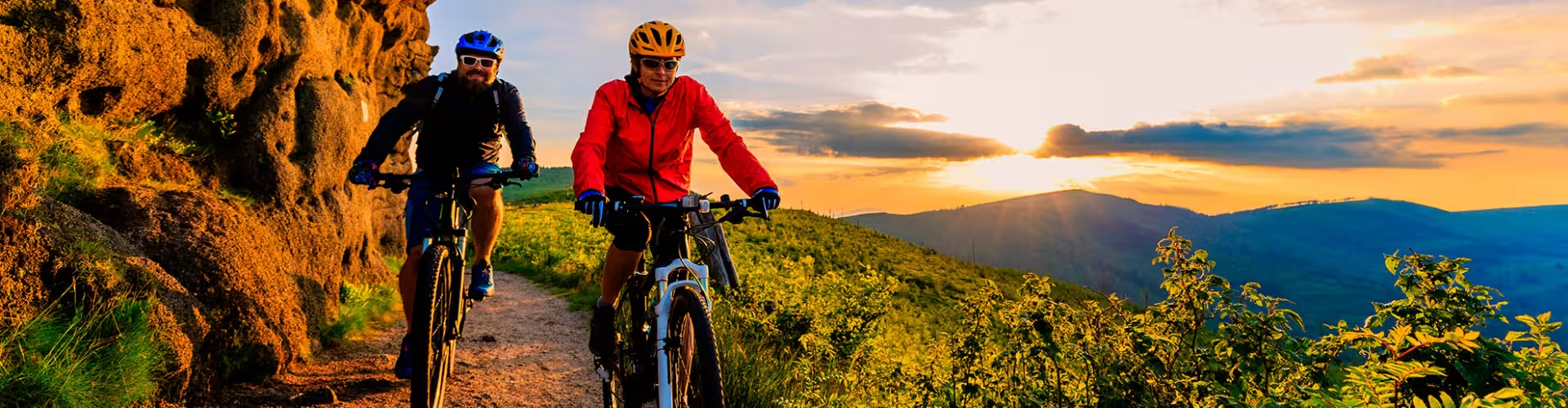
For many, the draw of the outdoors lies in the variety of ways one can explore the terrain. You might choose the self-reliance of backpacking through deep wilderness, the speed of mountain biking on technical singletracks, or the tranquility of nature walks through ancient forests. The accessibility of national parks worldwide has made it easier than ever to find well-maintained cycling routes and scenic viewpoints that cater to all fitness levels. By stepping outside, you open the door to a lifestyle defined by fresh air, physical health, and unforgettable memories.
Humanity's relationship with outdoor activities has transitioned from essential survival to recreational passion. For most of history, activities like trekking, fishing, and canoeing were primary means of food gathering and transport. It was not until the romantic movements of the nineteenth century that the "wilderness" began to be seen as a place for spiritual renewal rather than a dangerous frontier. This era saw the birth of the first alpine clubs and the establishment of the modern national parks system, which sought to preserve majestic landscapes for public enjoyment.
As equipment evolved, so did the complexity of our outdoor adventures. The invention of modern nylon made camping more comfortable, while the development of specialized rubber transformed rock climbing and bouldering into global sports. Today, the heritage of the outdoors is deeply intertwined with conservation. Modern explorers often participate in wildlife watching and birdwatching with a focus on environmental stewardship. This cultural shift ensures that while we seek adrenaline through rafting or surfing, we also act as guardians of the ecosystems that make these activities possible.
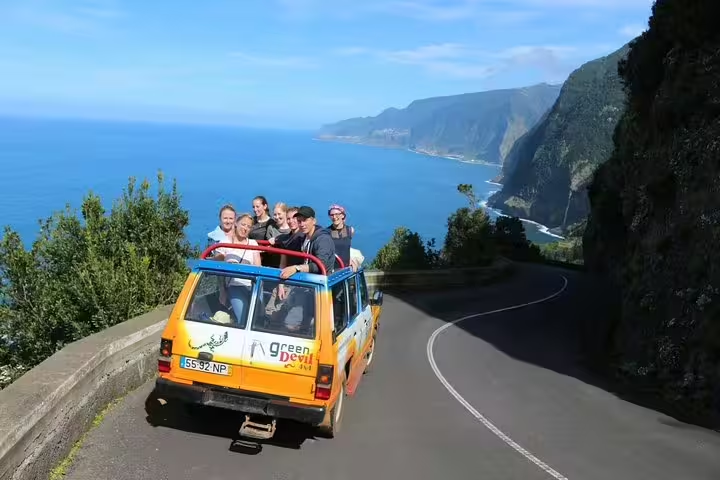
Outdoor activities can be found in every corner of the globe, from the polar regions to the equator. Most major adventures are centered around national parks, state forests, and coastal reserves. Access often requires a mix of public transport to reach gateway towns and private shuttles to reach specific hiking trails or river put-ins for kayaking.
While many nature walks and scenic viewpoints are free to access, certain activities like ziplining, scuba diving, or paragliding require booking through professional operators. Timing is everything in the outdoors; seasons dictate whether you will be skiing on fresh powder or trail running through summer meadows. Always research the specific weather patterns of your destination before departure.
The outdoors is becoming increasingly inclusive. Many parks now offer accessible cycling routes and sensory-friendly nature walks. Specialized equipment, such as all-terrain wheelchairs, allows for broader participation in wildlife watching and stargazing programs. Facilities at major trailheads usually include parking, restrooms, and information centers.
We prioritize safety, preparation, and the "Leave No Trace" philosophy. Whether you are backpacking or snowshoeing, having the correct gear and a solid understanding of local conditions is essential. We recommend choosing guided rafting or rock climbing tours if you are new to the sport to ensure you learn proper techniques from certified professionals.
🏔️ Trekking: Challenge yourself on multi-day routes that traverse mountain ranges and offer unparalleled solitude.
🌊 Paddleboarding: Glide across calm bays and rivers for a low-impact workout with a high-reward view.
🦅 Wildlife Watching: Observe rare species in their natural habitats, from majestic elk to elusive sea turtles.
🚲 Mountain Biking: Experience the rush of descending through forests on purpose-built trails for all skill levels.
🧗 Bouldering: Test your strength and problem-solving skills on natural rock formations without the need for ropes.
❄️ Snowboarding: Carve through alpine resorts and enjoy the unique culture of mountain life during the winter months.
✨ Stargazing: Escape light pollution in designated dark-sky parks to witness the brilliance of the Milky Way.
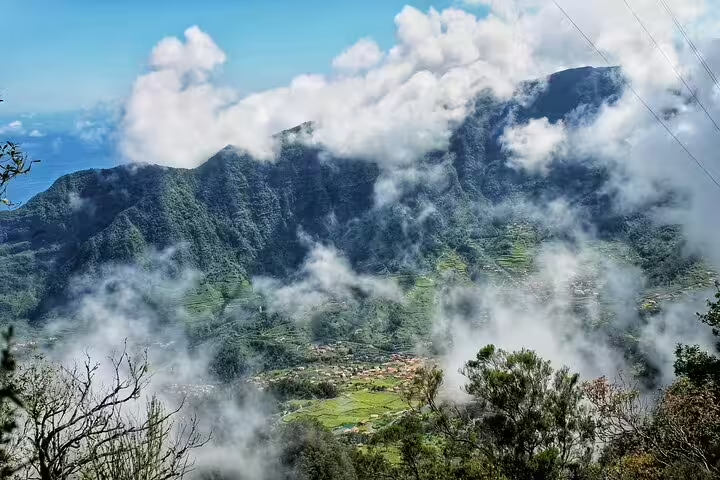
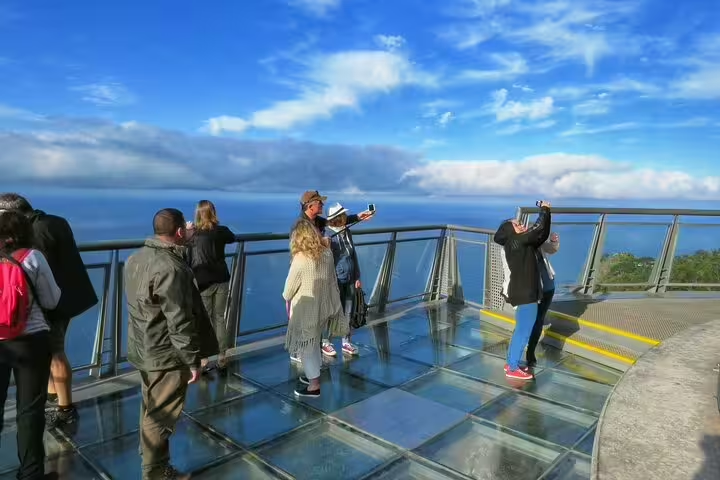
A typical day of outdoor activities starts with the rising sun. For those headed out for hiking trails, the morning air is crisp and the wildlife is most active. The physical exertion of the climb is rewarded at scenic viewpoints that offer a 360-degree perspective of the surrounding geography. Throughout the day, the experience is defined by the senses: the scent of pine needles, the sound of a rushing river perfect for canoeing, and the feel of the sun on your back.
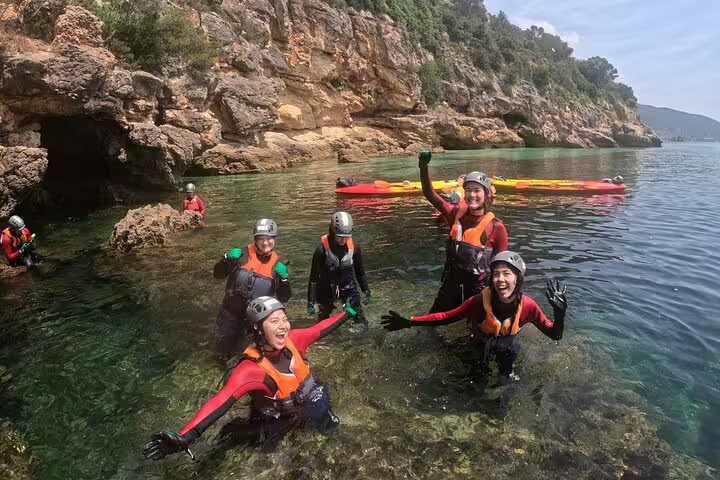
In the afternoon, many adventurers move toward the water for snorkeling or surfing, where the rhythm of the waves provides a different kind of challenge. For those on a more relaxed nature walks itinerary, the focus is on the small details—identifying local flora or engaging in birdwatching. As evening approaches, the activity shifts toward the base camp. Whether you are camping in a tent or staying in a mountain lodge, the transition from active adventure to quiet reflection is the perfect end to the day. The night often concludes with stargazing, as the lack of urban lights reveals a celestial canopy that has inspired explorers for generations.
To make the most of your outdoor adventures, always dress in layers. Weather in the mountains or on the coast can change in minutes, and being able to adjust your clothing is vital for comfort and safety. If you are planning on trail running or long-distance cycling routes, ensure you have a reliable hydration system and high-energy snacks.
For those interested in wildlife watching, early morning and dusk are the "golden hours" when animals are most likely to be seen. Use binoculars to maintain a respectful and safe distance. If you are new to kayaking or paddleboarding, always check the wind forecast; a light breeze can make a return trip to the shore significantly more difficult. Finally, always let someone know your planned hiking trails and expected return time, especially if you are heading out for a solo session of rock climbing or snowshoeing.
Outdoor hubs are often designed to support a variety of interests within a small radius.
Visitor Centers: Usually located at the entrance of national parks, these provide maps and local safety updates.
Gear Outfitters: Perfect for fishing licenses or last-minute supplies for camping and backpacking.
Trailhead Cafes: A great spot to refuel with a coffee or a local meal after a morning of mountain biking.
Picnic Areas: Often situated near scenic viewpoints, offering a comfortable place to relax between activities.
This guide to outdoor activities provides a global framework for adventure. Curated by Toursxplorer.com, these insights help you find the best ways to explore the natural world, from the depths of the ocean to the highest mountain peaks.
What is the difference between hiking and trekking? Generally, hiking trails refer to day-long walks on established paths, while trekking implies a longer, more arduous journey over several days, often in areas where transport is limited.
Do I need my own equipment for rock climbing or kayaking? Most popular outdoor activities hubs have professional outfitters who provide rentals. This is an excellent way to try paddleboarding or mountain biking without the initial investment in expensive gear.
Are outdoor activities safe for children? Yes, many national parks offer family-friendly nature walks and introductory wildlife watching programs. Always check the age and height requirements for high-adrenaline options like ziplining or rafting.
How can I practice sustainable outdoor adventures? Follow the "Leave No Trace" principles: stay on marked hiking trails, pack out all trash, and avoid disturbing wildlife during birdwatching or snorkeling.
What is the best way to find cycling routes in a new area? Visit the local tourism office or the visitor center of nearby national parks. They often provide detailed maps of cycling routes and trail running paths tailored to various difficulty levels.