Gastronomic tours represent the most intimate way to connect with a destination’s soul, moving beyond traditional sightseeing to engage the senses of taste and smell. This category of travel focuses on the stories behind the plate, where local food experiences serve as a bridge between travelers and the cultural identity of a region. Whether navigating the aromatic stalls of a historic plaza during market tours or sitting down for an elite Michelin-starred dining experience, food acts as a universal language. The "vibe" of these journeys ranges from the electric, fast-paced energy of street food tours to the serene, slow-paced elegance of wine tasting tours in rolling vineyard landscapes.
The core reason why a gastronomic tours itinerary is a must-visit for modern travelers is its ability to reveal "hidden" history. Every ingredient in a regional cuisine tells a story of migration, trade, and agricultural innovation. By participating in culinary travel, you are not just eating, you are exploring the culinary heritage of a people. From artisanal food tastings of centuries-old cheeses to modern farm-to-table tours, these experiences provide a tangible connection to the land and the hands that harvest it.
Modern foodie vacations have evolved to prioritize authenticity and education. This strategy allows travelers to move from passive consumers to active participants through cooking classes and culinary workshops. Instead of just visiting a landmark, you are learning the technique behind traditional dishes, ensuring that the flavors of your trip stay with you long after you return home.
The heritage of gastronomic tours is rooted in the ancient tradition of the marketplace, which has always been the social and economic heart of any civilization. Historically, travelers have shared meals to build trust and exchange ideas. Today, this has evolved into structured gastronomic itineraries that protect and promote culinary heritage. Many regions now view their regional cuisine as a living monument, as vital to their identity as any cathedral or palace.
In the 21st century, the rise of sustainable food tourism has shifted the focus toward the provenance of ingredients. Farm-to-table tours showcase the evolution of agriculture, while artisanal food tastings highlight the survival of traditional methods in a mechanized world. The architectural significance of the locations where these tours take place is also noteworthy, from historic covered markets with wrought-iron skeletons to the ancient stone cellars used in wine tasting tours. These sites are the physical archives of flavor, where traditional dishes have been perfected over generations.
Gastronomic tours are typically centered in historic city centers or fertile agricultural belts. Street food tours usually focus on walkable "old town" districts, while gourmet tours may require transport to rural estates. Many market tours are located near major public transport hubs for easy access.
Ticketing for high-end culinary tours or chef-led tours often includes all tastings and beverages. Reservation_Required is a standard for cooking classes and Michelin-starred dining to ensure quality and intimacy. Booking windows of 2 to 6 weeks are recommended for popular foodie vacations.
A typical food tours experience lasts between 3 to 5 hours. Market tours are best in the early morning when produce is fresh, while street food tours thrive in the evening. Seasonality plays a huge role; many travelers plan trips around local food festivals.
Inclusive sustainable food tourism is a growing priority. Most modern market tours and culinary workshops feature step-free access and accessible facilities. However, some historic street food tours in older quarters may involve cobblestones; always check for "mobility-friendly" routes when booking.
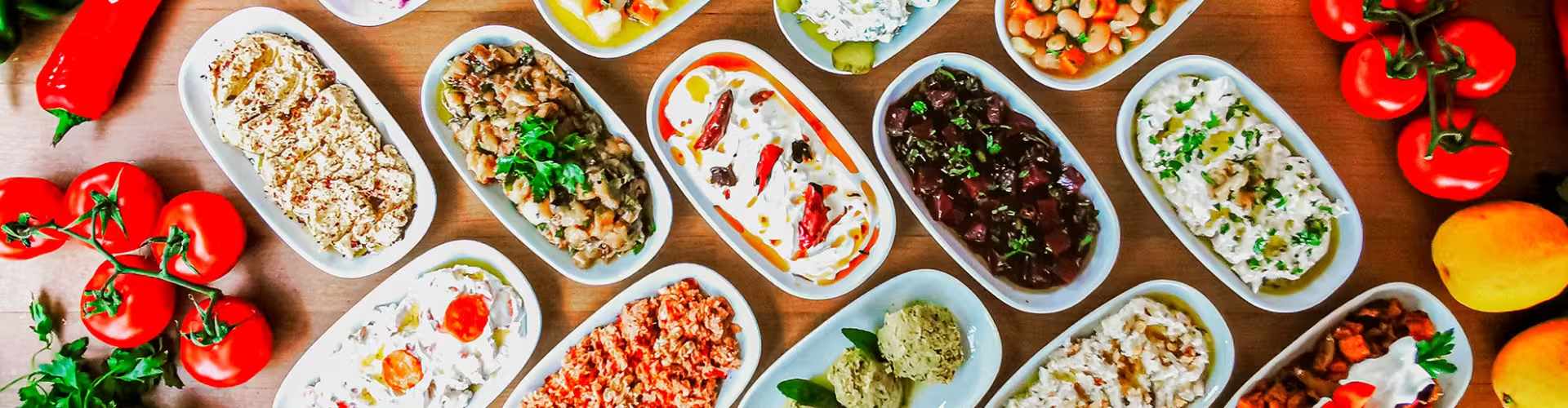
🥘 Authentic Regional Cuisine: Deep dive into the specific ingredients and spices that define a culture’s palate.
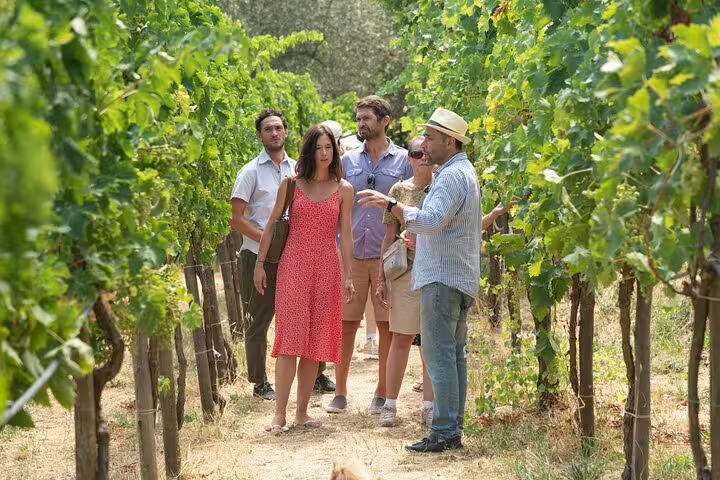
🍷 Food and Wine Pairing: Master the art of balancing flavors with expert-led wine tasting tours.
🔪 Chef-Led Tours: Gain professional insights into traditional dishes and modern Michelin-starred dining techniques.
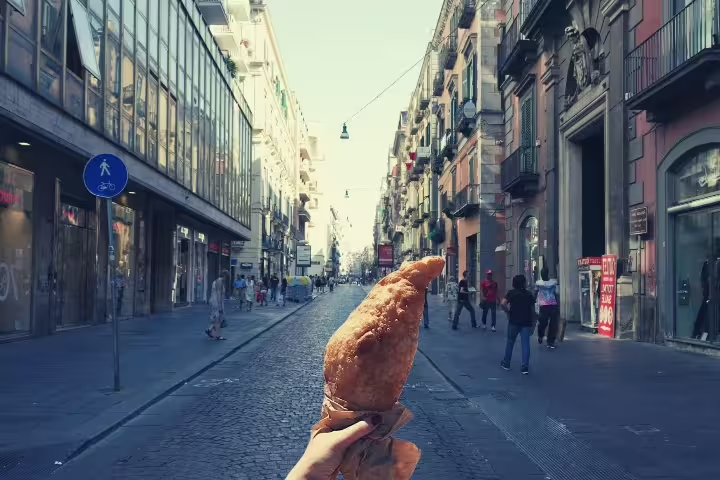
🏙️ Street Food Tours: Navigate the back alleys and hidden stalls where locals eat for an authentic local food experiences.
🧺 Market Tours: Learn to identify the best seasonal produce and interact with local vendors during a guided walk.
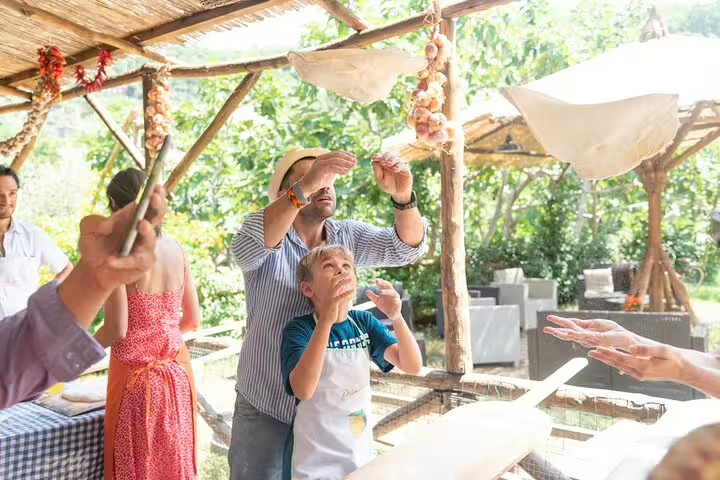
👨🍳 Culinary Workshops: Hands-on cooking classes that teach you how to recreate world-class flavors at home.
🍺 Craft Beer Tours: Explore the booming world of local microbreweries and the history of artisanal fermentation.
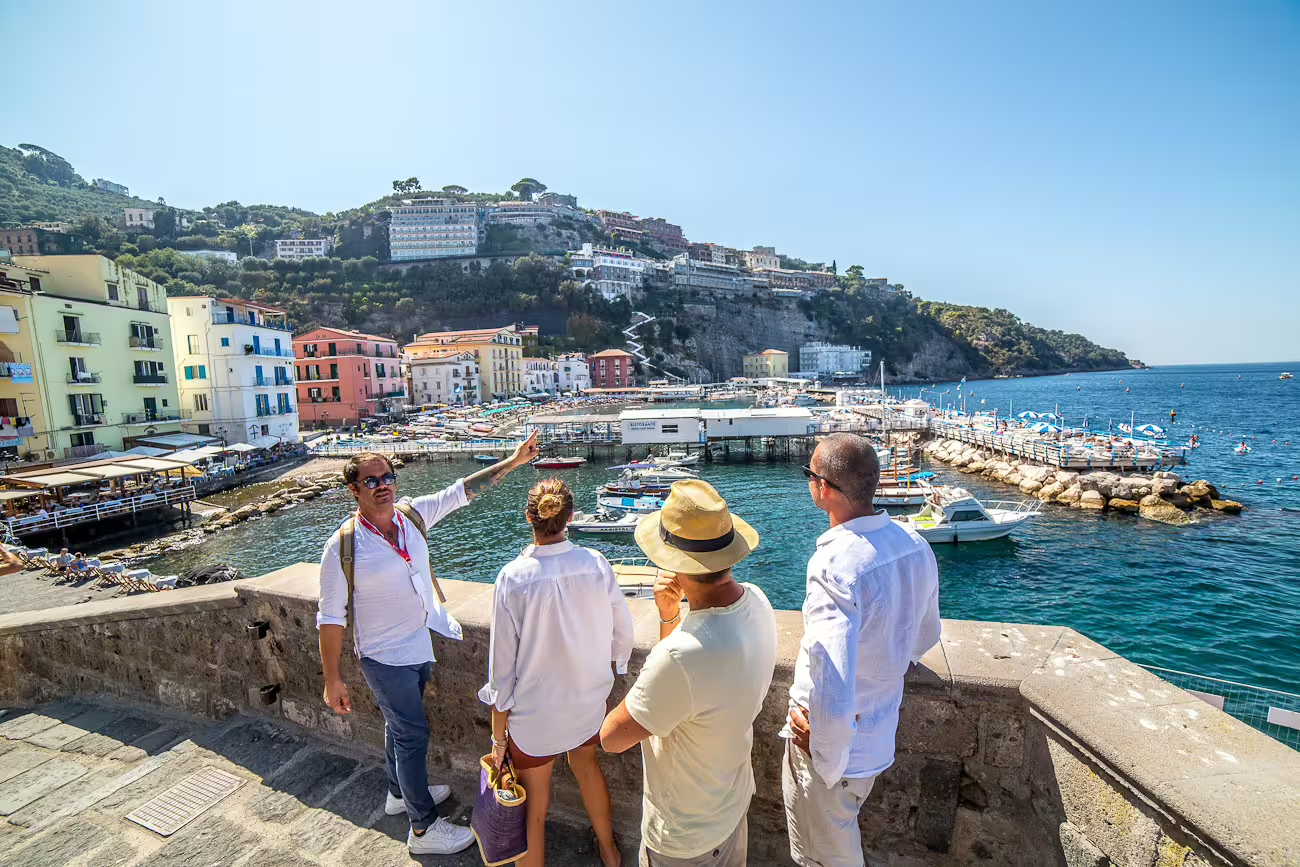
A typical gastronomic tours experience begins with a meeting at a central landmark where your guide sets the stage by explaining the local food philosophy. On market tours, the flow is sensory, moving from the bright colors of the fruit stalls to the rich aromas of the spice merchants. Your guide will point out things most tourists miss, such as the specific way a butcher cuts meat or the hidden signs of a truly artisanal bakery.
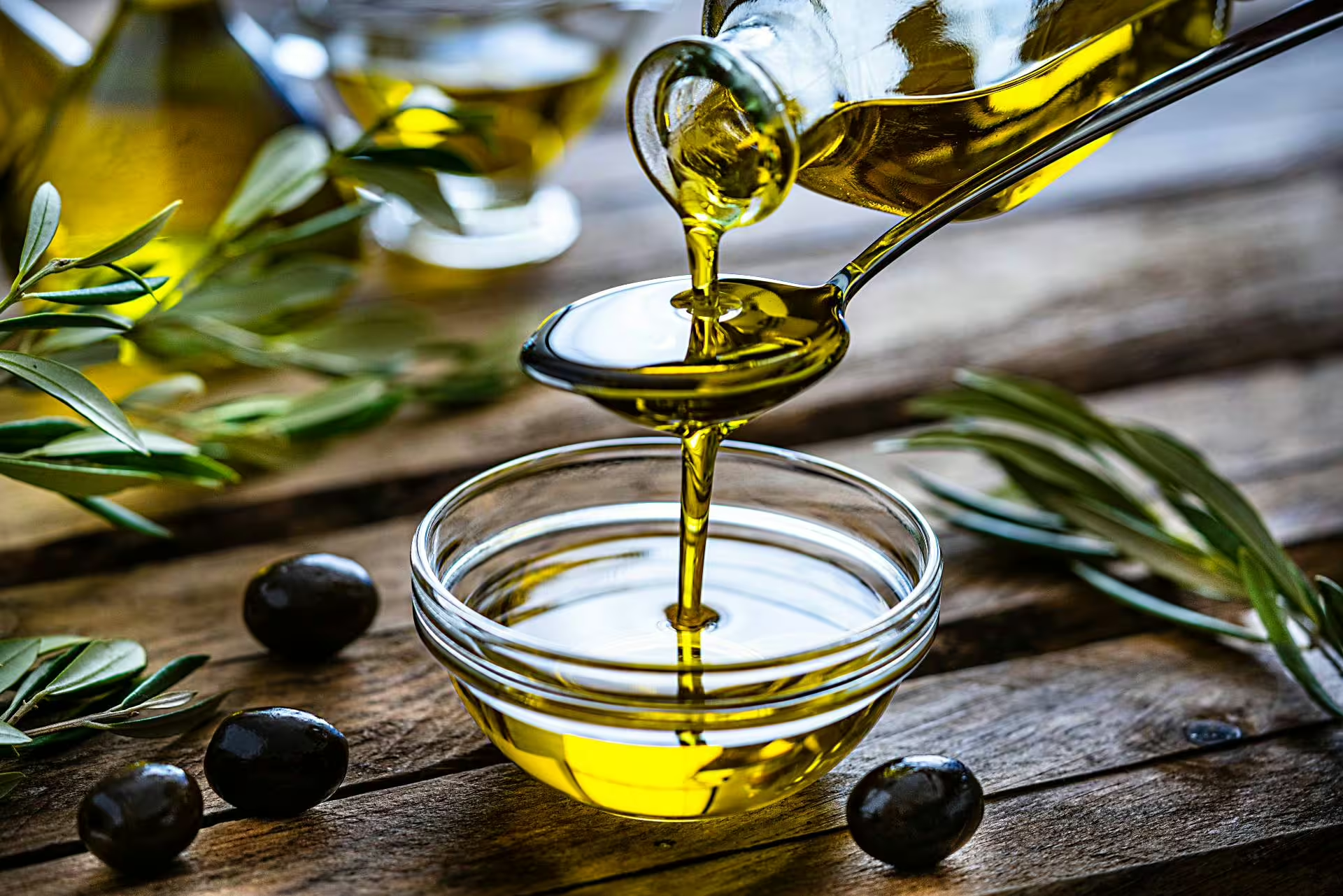
As the tour progresses into the afternoon, the pace shifts toward artisanal food tastings. On gourmet tours, you might find yourself in a private cellar for a food and wine pairing session. The key to the best experience is to ask questions; local producers love to share the "how" and "why" behind their craft. To avoid the biggest crowds, look for mid-week tours or chef-led tours that take place outside of standard lunch and dinner hours.
Regarding dress code, most food tours are casual, but Michelin-starred dining or formal wine tasting tours may require "smart casual" attire. For age_notes, these tours are generally family friendly, but street food tours can be a great way to engage teens with local culture. A "hidden" detail to look for is the "KM 0" or farm-to-table tours certification, which ensures your money is supporting truly local, sustainable producers.
Local History Museums: Many culinary routes end near museums that explain the ancient trade of the ingredients you just tasted.
Artisan Craft Shops: After market tours, visit nearby shops selling handmade kitchenware like ceramics or knives.
Public Parks: The perfect spot to enjoy any takeaway finds from your gastronomic tours.
This guide to gastronomic tours was crafted by Toursxplorer.com to provide travelers with expert-led insights for an unforgettable visit to the world's most delicious destinations.
Are dietary restrictions accommodated on food tours? Most gastronomic tours can accommodate vegetarians or those with allergies if notified in advance, though specialized culinary tours might be better for strict vegan or gluten-free requirements.
Is alcohol always included in gastronomic itineraries? While wine tasting tours and craft beer tours focus on beverages, many general food tours offer non-alcoholic pairings like local juices or traditional teas upon request.
Are market tours better in the morning or afternoon? Morning is the gold standard for market tours because the energy is highest and the selection of fresh produce for regional cuisine is at its peak.
What is the benefit of chef-led tours? Chef-led tours provide a technical perspective on Michelin-starred dining and ingredient selection that a standard guide might not possess.
How does sustainable food tourism benefit the destination? By choosing farm-to-table tours and artisanal food tastings, travelers ensure that their spending directly supports small-scale farmers and preserves culinary heritage.