Destination Guide
Morocco: A Journey Through Ancient Medinas, Sahara Dunes, and Coastal Splendor
Where the Atlantic meets the Sahara, and centuries of history breathe through every alleyway.
Morocco offers one of the world's most layered travel experiences, blending Berber heritage, Arab culture, and French colonial echoes into a vivid, living landscape. From the rose-red walls of Marrakech to the blue-washed lanes of Chefchaouen, every city tells a distinct story. This guide covers everything you need to plan a confident, rewarding visit to this North African kingdom.
Morocco Geography and Logistics
Essential Things to Do
Curated Itineraries
The Highlights: 1 Day
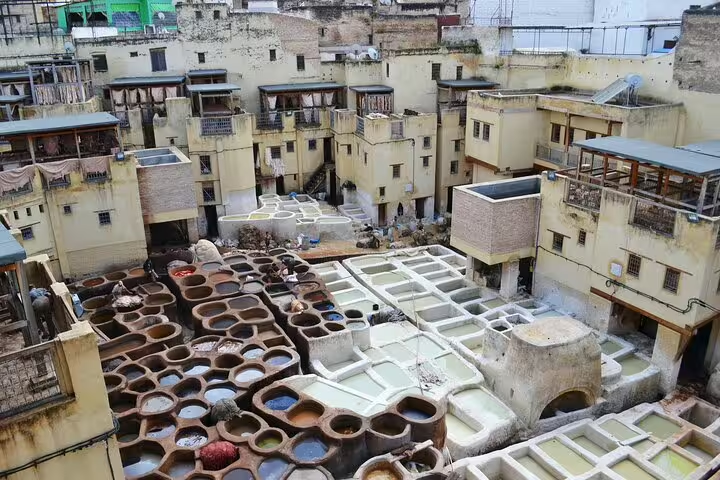
Begin at Bab Bou Jeloud, the ornate blue gate marking the medina entrance, and follow the main artery toward the Chouara Tannery. Allow 90 minutes to absorb the sights and sounds of the ancient city.
Several riads in the medina open their rooftop terraces to non-guests for lunch, offering harira soup, pastilla, and mint tea with medina views. This provides both a meal and a rare elevated perspective on the cityscape.
This 14th-century theological college is among the finest examples of Marinid architecture in existence, with towering carved stucco and cedar screens around a central marble courtyard. Entry is open to all visitors for a modest fee.
The ruined Merenid Tombs above Fez offer a panoramic view over the entire medina as the muezzin calls echo across the valley at dusk. No entrance fee applies, and the walk up takes about 20 minutes from the medina.
Deep Dive: 2 to 3 Days
Start at Koutoubia Mosque, then move through the souks to Jemaa el-Fna and the Bahia Palace. End the day with dinner at a rooftop restaurant overlooking the square as it comes alive with performers and vendors.
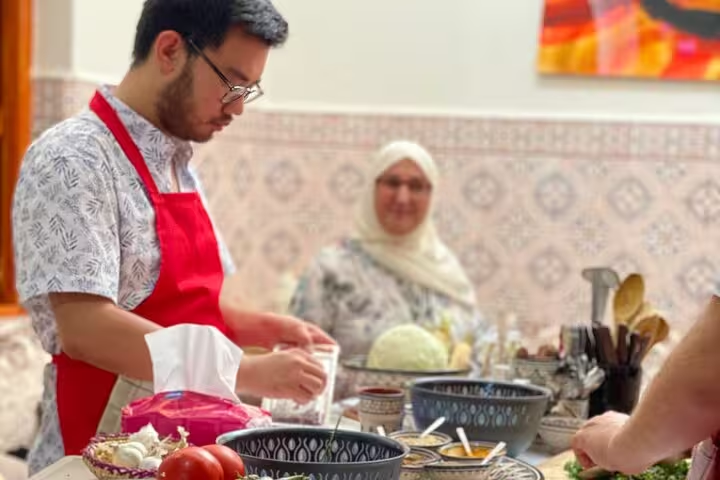
Book a traditional hammam session in the medina for an authentic cultural ritual combining steam, black soap, and exfoliation. Many riads offer in-house hammams, or local public baths are available for a fraction of the cost.
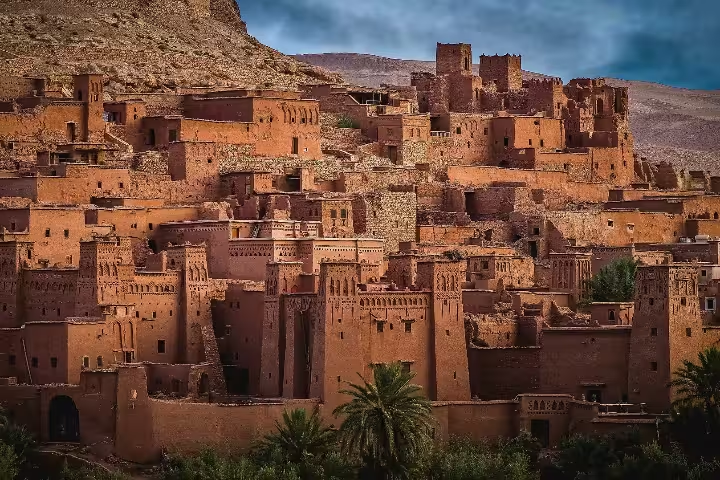
Drive the dramatic Tizi n'Tichka mountain pass through the High Atlas, stopping at Ait Benhaddou, the UNESCO-listed ksar that has served as a backdrop for numerous international film productions. The site is active and inhabited, adding authenticity to the visit.
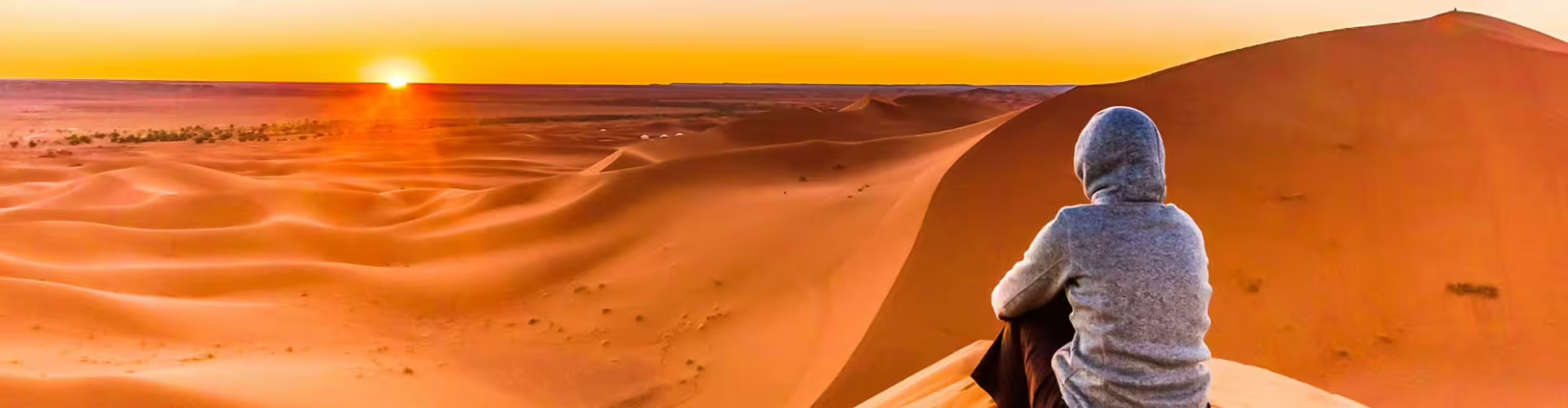
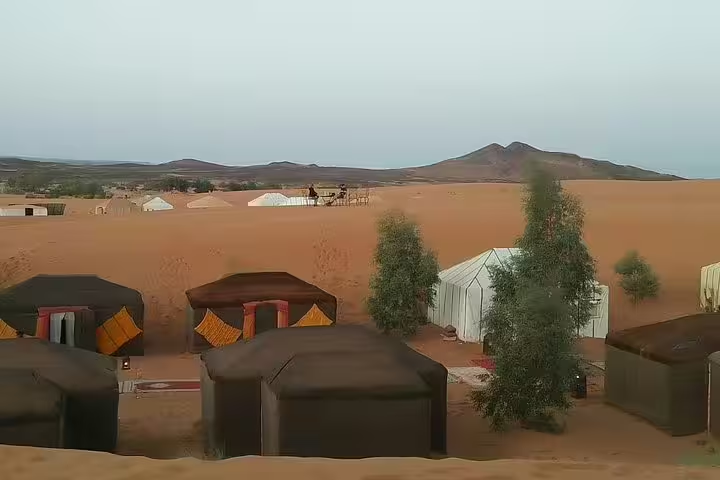
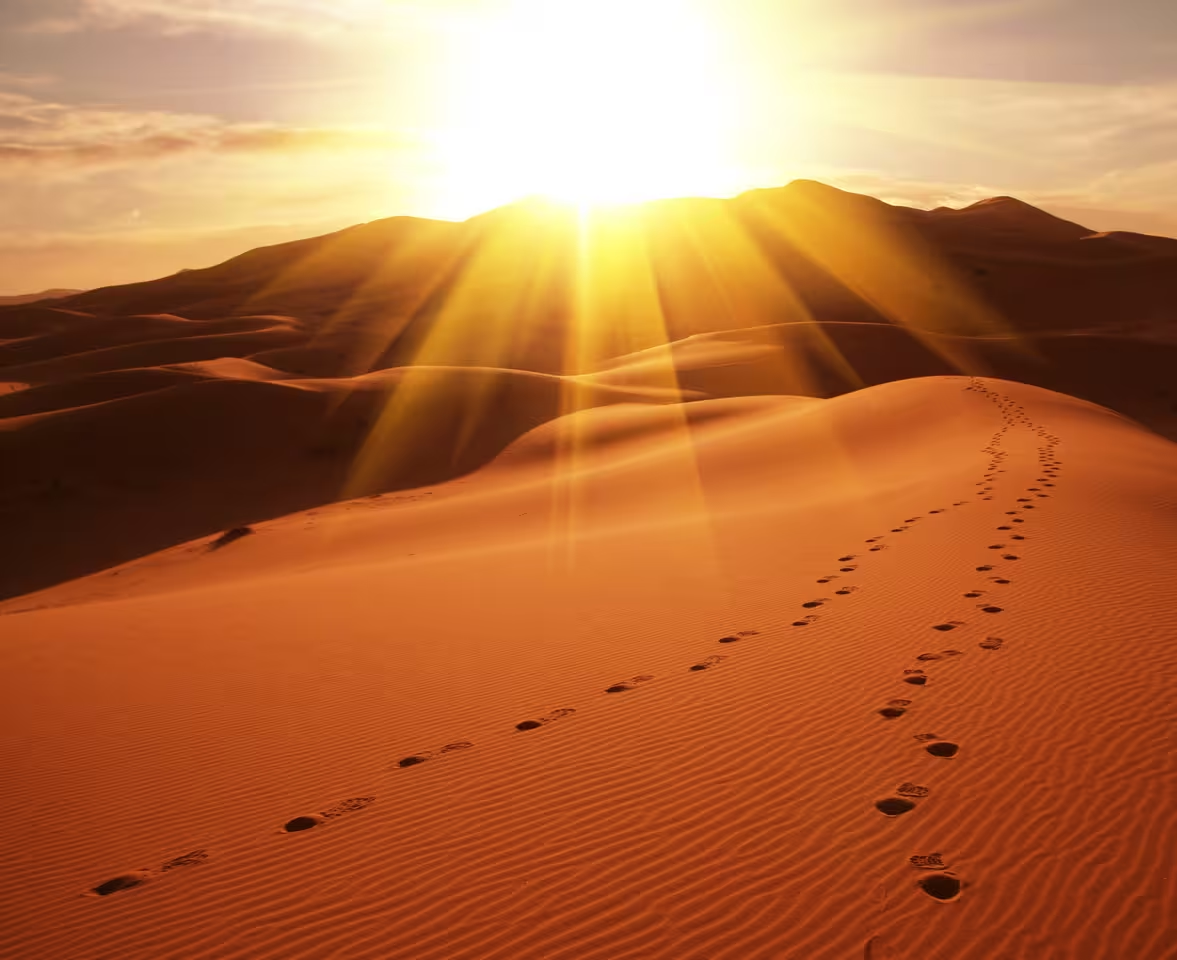
Reach the Erg Chebbi dunes by late afternoon, time a camel trek for sunset, and settle into a desert camp for the night. Wake before dawn to watch the light transform the dunes before the heat builds.
On the return journey, stop at Todra Gorge, where 300-metre limestone walls narrow to a canyon floor just 10 metres wide. Rock climbers and casual walkers both find the site rewarding, and a short café stop by the river is a pleasant break.
Flavors of Morocco
Local Dishes
- Tagine: A slow-cooked stew of meat, preserved lemon, olives, and vegetables prepared in a conical clay pot that concentrates flavors beautifully.
- Couscous: The national dish, traditionally served on Fridays with seven vegetables and tender braised lamb or chicken.
- Pastilla: A flaky warqa pastry filled with spiced pigeon or chicken, almonds, and a dusting of powdered sugar for a sweet-savory contrast.
- Harira: A thick, warming soup of tomatoes, lentils, chickpeas, and herbs that serves as a staple meal-opener, especially during Ramadan.
- Mechoui: Whole roasted lamb seasoned with cumin and salt, slow-cooked in an earth oven and pulled apart at the table.
- Msemen: A flaky, pan-fried flatbread eaten for breakfast with honey and argan oil, best found at morning stalls in any medina.
Drinks and Ordering Tips
- Mint Tea: Known as Moroccan whiskey, this sweet green tea poured from height is a ritual of hospitality and is almost always offered free in shops and riads.
- Avocado Smoothie: A thick, creamy blend with optional honey or orange blossom water, widely available in juice bars across the country.
- Coffee (Nous-Nous): Half espresso, half steamed milk, this is the standard cafe order and is served strong and aromatic throughout the day.
- Fresh Orange Juice: Squeezed to order from Moroccan oranges and sold for a few dirhams a glass at Jemaa el-Fna and most market squares.
- Alcohol: Available in licensed restaurants, supermarkets, and hotel bars, but not universally sold. Budget on 50 to 100 MAD per drink in licensed venues.
- Ordering Tip: In medina restaurants, confirm prices before ordering to avoid inflated tourist bills. A posted menu is a good sign of transparency.
Navigation and Transport
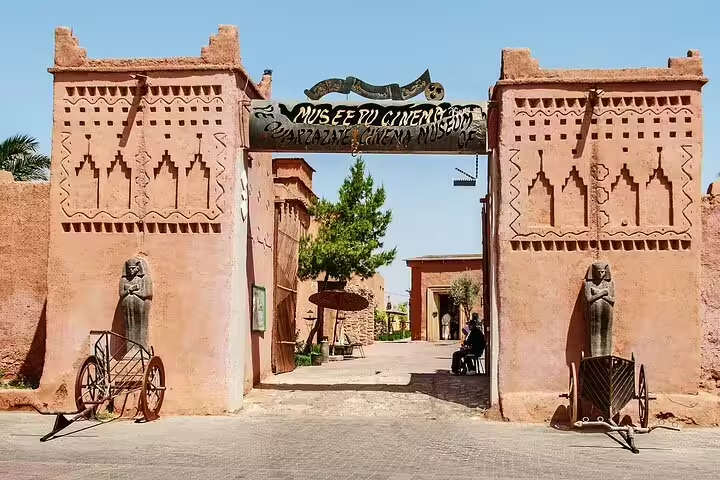
The ONCF national rail network links Casablanca, Rabat, Fez, Meknes, and Marrakech with comfortable and affordable train services. Supratours and CTM coaches extend coverage to coastal towns like Essaouira, Agadir, and Ouarzazate, often departing from or adjacent to train stations for easy connections.
Within cities, petit taxis are metered, color-coded by city, and inexpensive for short hops. Grand taxis operate on fixed intercity routes and depart when full, making them the local choice for regional travel. Ride-hailing apps including Careem operate in major cities and help avoid fare negotiation entirely.
For the desert south and mountain routes, renting a car or booking a private driver is the most flexible option. Roads are generally well-maintained on national routes, though mountain passes require careful driving in winter. International driving licenses are recommended but not always legally mandatory.
Beyond the Center: Day Trips
Volubilis, a remarkably preserved Roman city near Meknes, features intact mosaic floors, triumphal arches, and basilica ruins dating to the 3rd century. The site is a UNESCO World Heritage property and can be comfortably visited in a half-day combined with the imperial city of Meknes.
The Ourika Valley, 30 kilometres south of Marrakech, offers a green mountain escape with Berber villages, waterfalls, and saffron farms accessible by shared taxi or guided tour. It works well as a half-day trip paired with a visit to the Atlas foothills herb cooperatives.
El Jadida, a coastal fortress town two hours north of Essaouira, contains a stunning Portuguese cistern with vaulted Gothic arches reflected in a shallow pool of water. The walled medina is largely free of mass tourism, making it a rewarding alternative to busier coastal stops.
The Valley of Roses near Kelaat M'Gouna bursts into bloom each April and May when thousands of Damascus rose bushes carpet the valley floor. The annual rose festival draws visitors from across the region, and local cooperatives sell genuine rose water and oils at source prices.
Insider Tips for Travellers
Dress modestly when visiting religious sites and in rural areas. Lightweight linen trousers and a scarf for women cover most situations without discomfort in the heat.
Buy a local SIM card from Maroc Telecom or Orange at any airport or city center shop. Data packages are affordable and essential for navigation in medina labyrinths.
Exchange currency at a bank or official bureau de change rather than with street vendors. Rates are regulated and receipts are provided, which you need to reconvert dirhams at departure.
Bargaining is expected in souks but approach it as a conversation rather than a confrontation. Starting at roughly half the asking price and settling around 60 to 70 percent of the original is a reasonable benchmark.
Book riads well in advance for spring and autumn travel, as quality properties in Fez and Marrakech fill up weeks ahead. Reading recent reviews carefully helps distinguish authentic riads from poorly converted guesthouses.