





La Provincia de Hunan en la China central es famosa por su paisaje dramático, rico patrimonio cultural y el legendario río Yangtze. Esta región cautiva a los visitantes con sus montañas brumosas, tradiciones antiguas y carácter local vibrante que define el corazón de China.
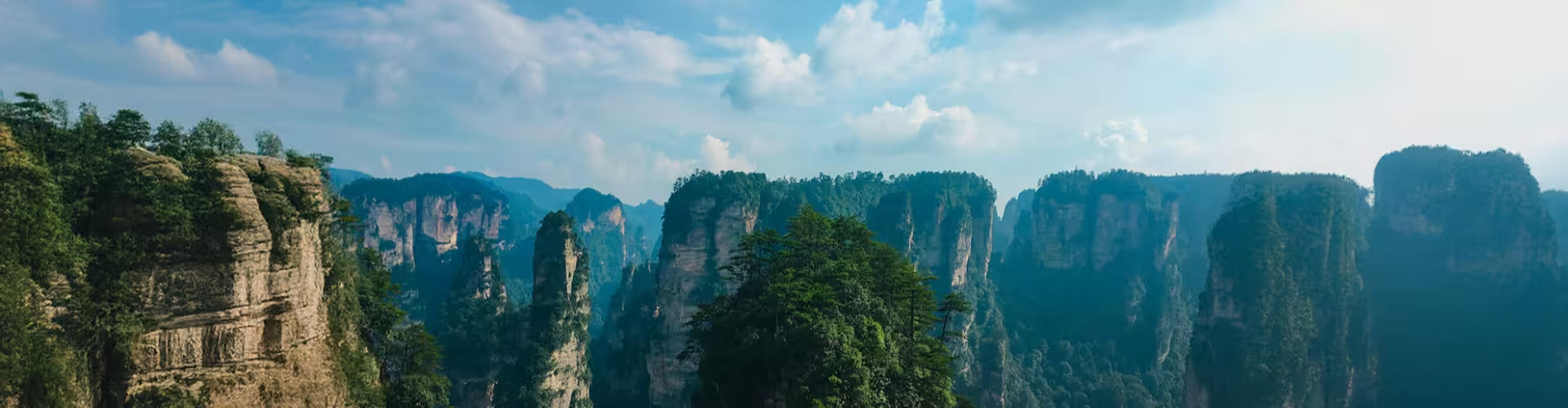
El Parque Nacional de la Selva de Zhangjiajie presenta pilares de arenisca imponentes que inspiraron los paisajes en Avatar, atrayendo a buscadores de aventura y amantes de la naturaleza de todo el mundo. El antiguo pueblo de Fenghuang ofrece arquitectura bien conservada y encanto junto al río, mientras que la Academia Yuelu brinda conocimiento sobre la educación y filosofía clásica china.
Explore la región a través de rutas de senderismo panorámicas en Zhangjiajie y tours en barco a lo largo de las gargantas del río Yangtze. Visite mercados locales, participe en festivales culturales o realice tours guiados a través de pueblos antiguos para experimentar la vida provincial auténtica y las tradiciones.
La cocina de Hunan se destaca como una de las tradiciones culinarias regionales más distintivas de China, celebrada por su uso audaz de chiles y ingredientes fermentados. Los platos signature de la provincia, como Pollo de Dong'an y verduras conservadas picantes, reflejan generaciones de innovación culinaria y permanecen fundamentales para la cultura gastronómica china.