Last updated:


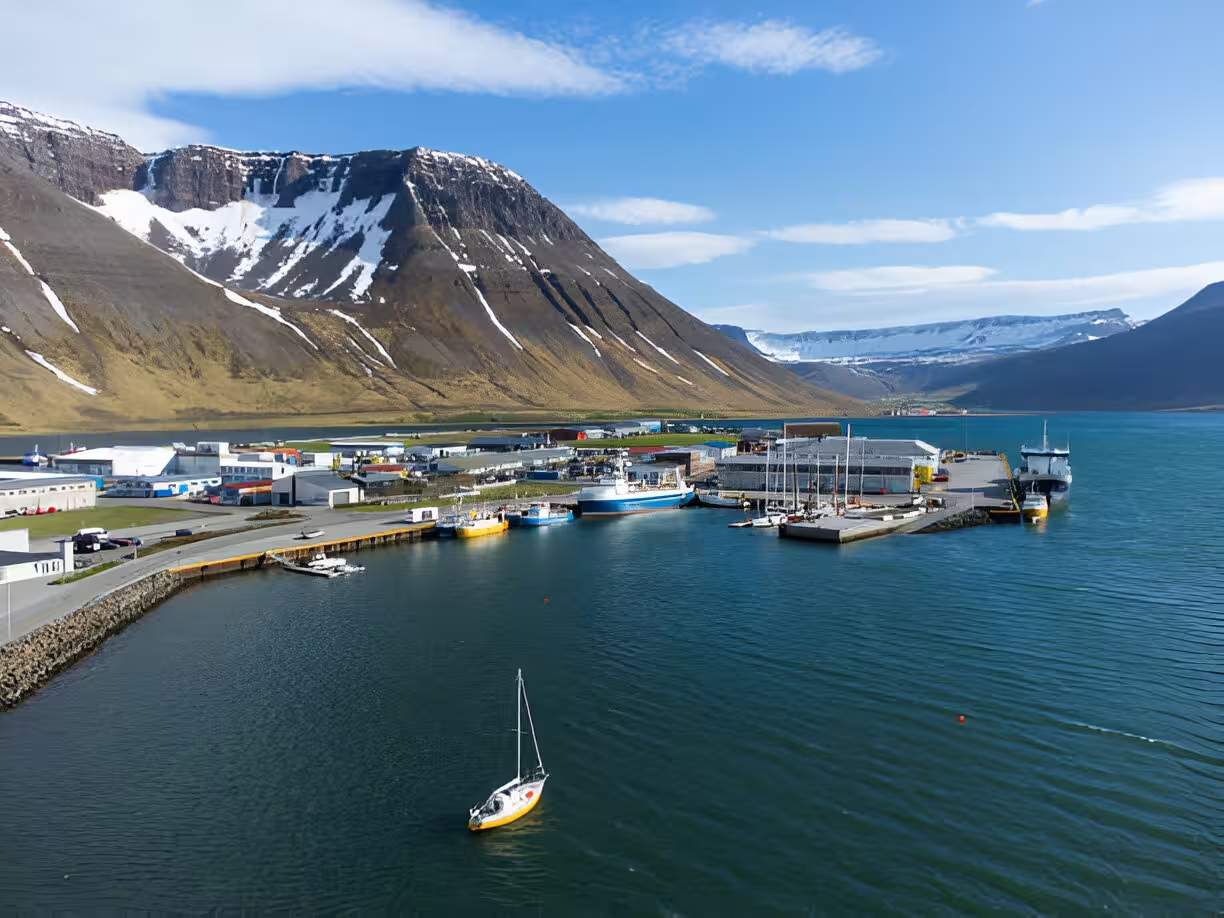
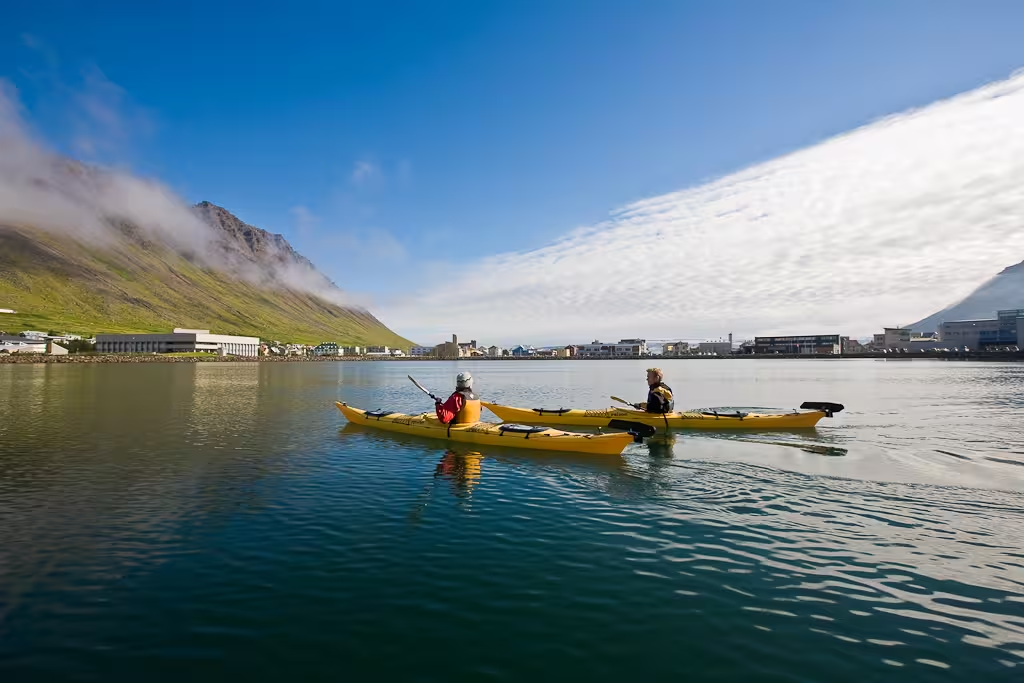
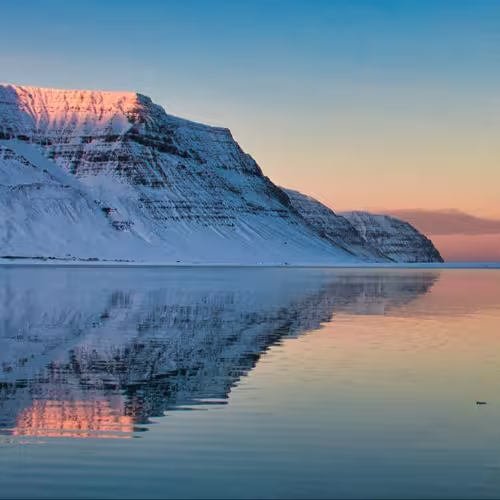
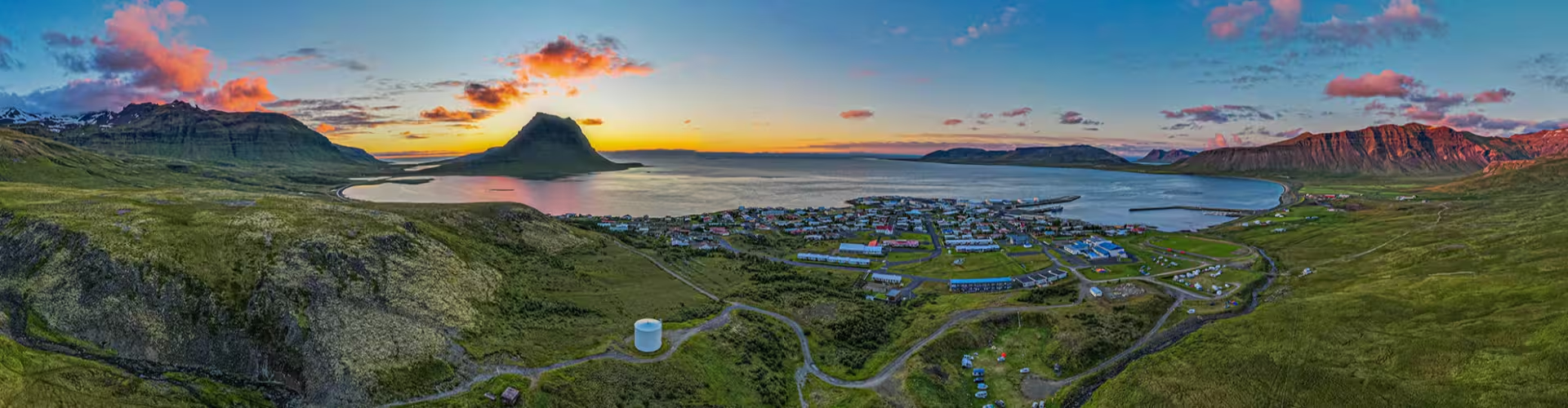
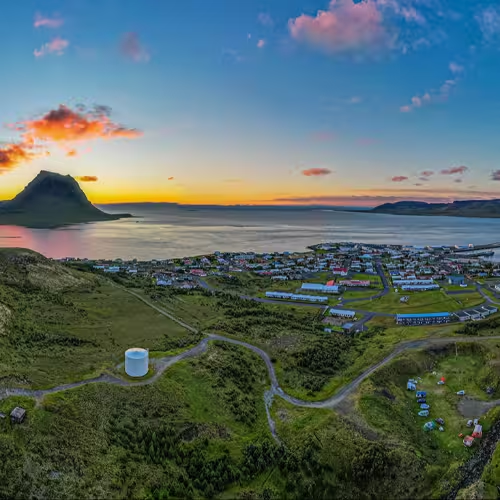
Ísafjörður makes sense as a base for town history and trips into the Westfjords, with access to the Hornstrandir nature reserve as well. In northwestern Iceland, its centre sits on a sandy spit extending into Skutulsfjörður.
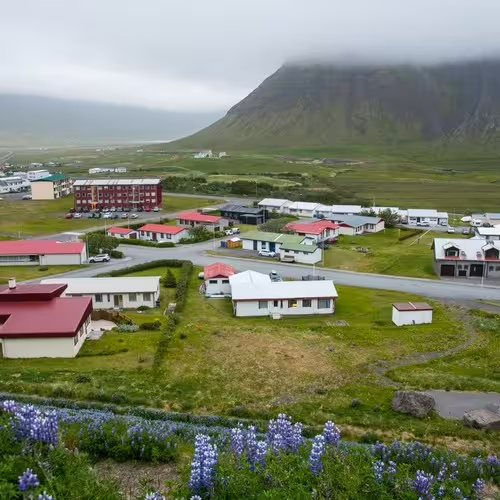
Give the timber houses and maritime history a place in your town visit before heading out into the surrounding region. Neðstikaupstaður has a collection of timber frame houses, including Krambúðin, built in 1757. These buildings offer a way into the history of a town that expanded through trade with overseas merchants in the 16th century.
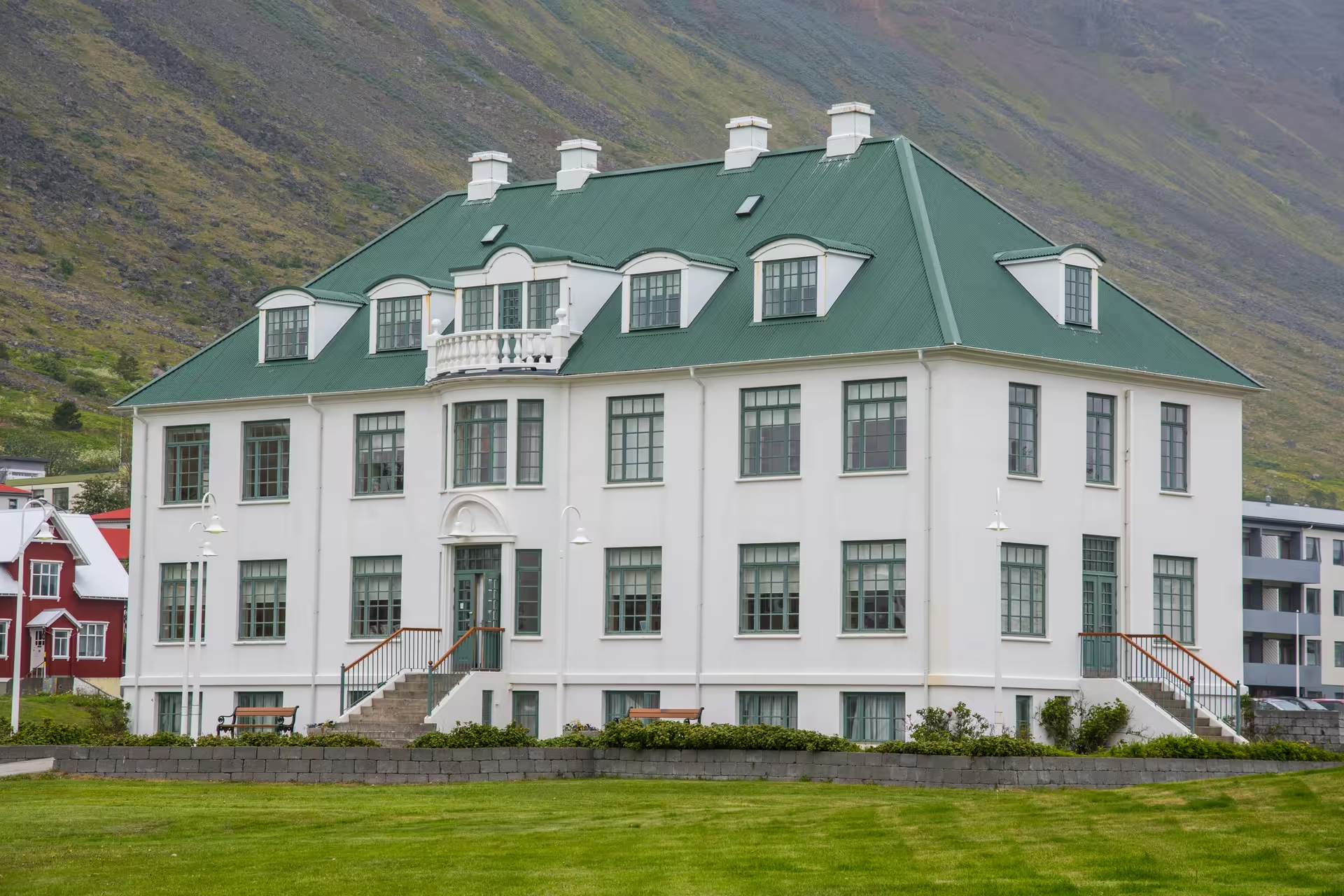
Fishing has long underpinned the local economy, so the Westfjords Heritage Museum is a fitting follow-up. The museum's exhibition has been housed in Turnhúsið since 1988, in a building originally constructed for storage in 1784. Together, the houses and museum give the town's trading and fishing history a focus for your visit.
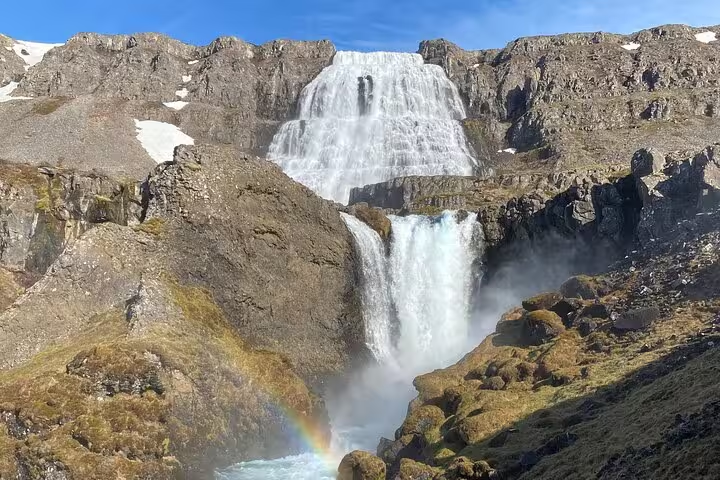
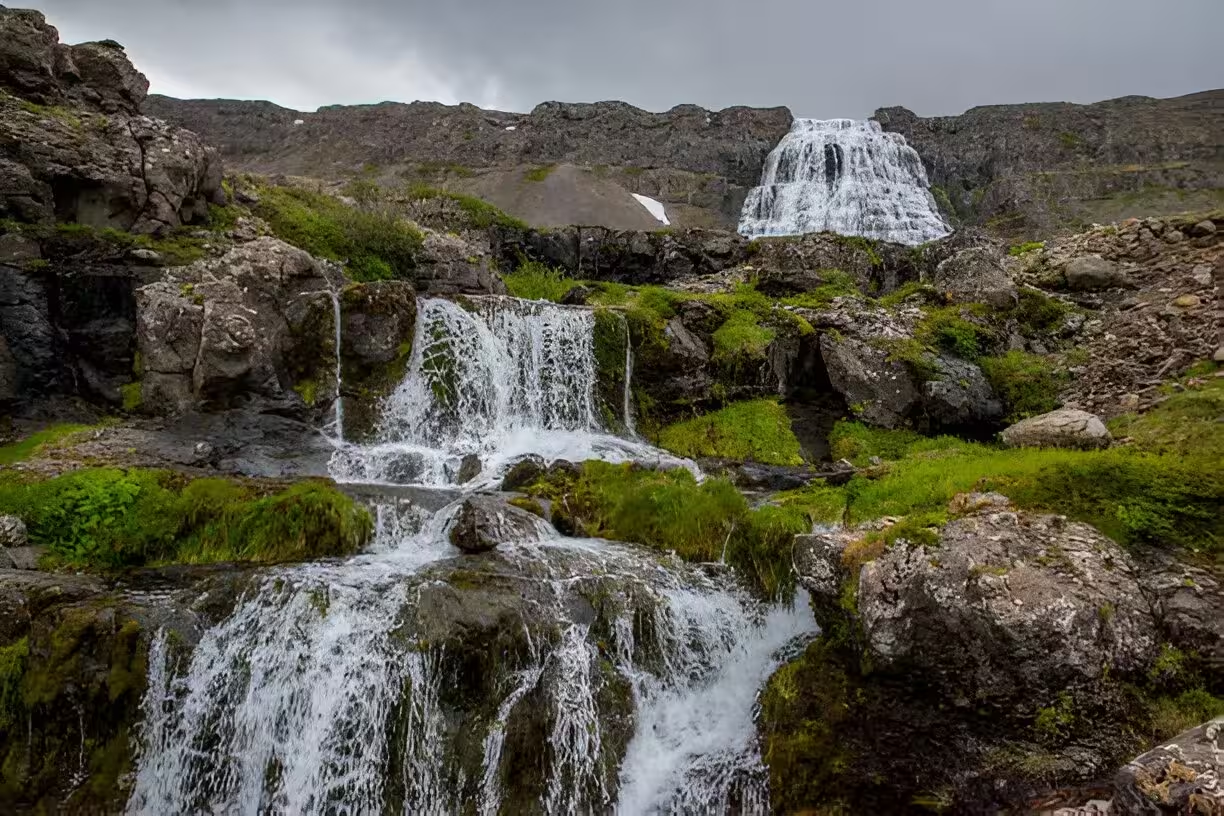
Two days is a practical plan for town history and a Dynjandi outing: spend the first on Neðstikaupstaður and the Westfjords Heritage Museum, and the second on the waterfall trip. At Dynjandi, in Arnarfjörður, the waterfall has a total drop of 100 m.
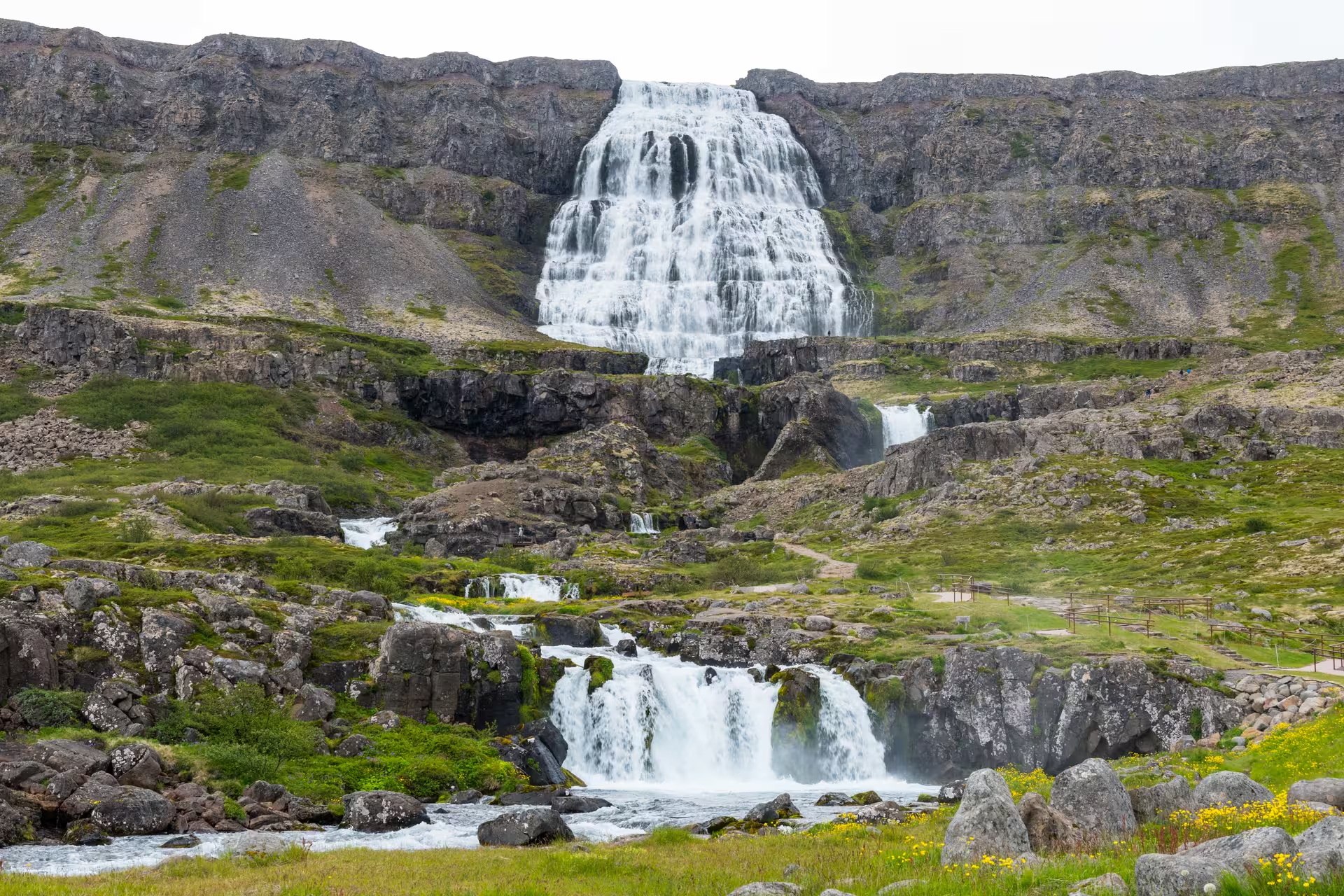
The private Dynjandi waterfall and farm tour in the Westfjords lasts 4 hours and includes private guided transport from and back to Ísafjörður. Its inclusions cover a guided waterfall visit, a stop in Hrafnseyri village with a café break, a visit to Audkula Farm and a local guide throughout. The highland return route depends on the weather and season.
A broader regional outing would take up a day of its own: the private Westfjords tour from Ísafjörður by car or bus lasts 10 hours. It includes a private guide and vehicle, an adjustable route and pace, and stops at Ísafjörður, Bolungarvík, Bolafjall, Flateyri, Þingeyri and Dynjandi.
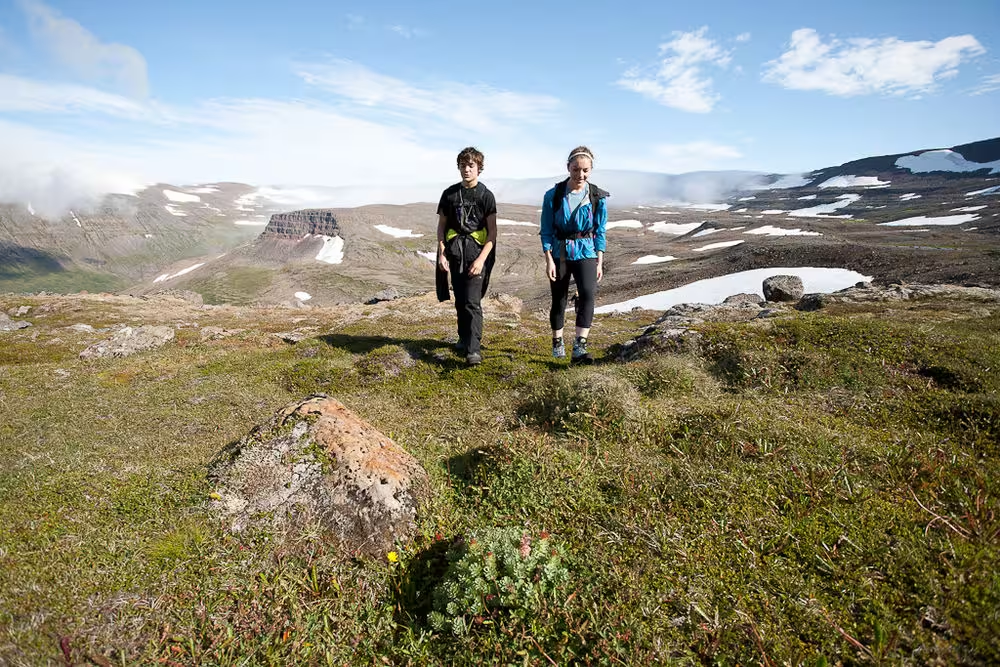
Summer is the gentler choice for a trip focused on walking, although it still brings cool conditions. Winter is cold, so a summer visit avoids that seasonal cold without promising warm weather. For a trip built around music instead, Easter weekend is the time for Aldrei fór ég suður. Ísafjörður has hosted this annual festival since 2004.
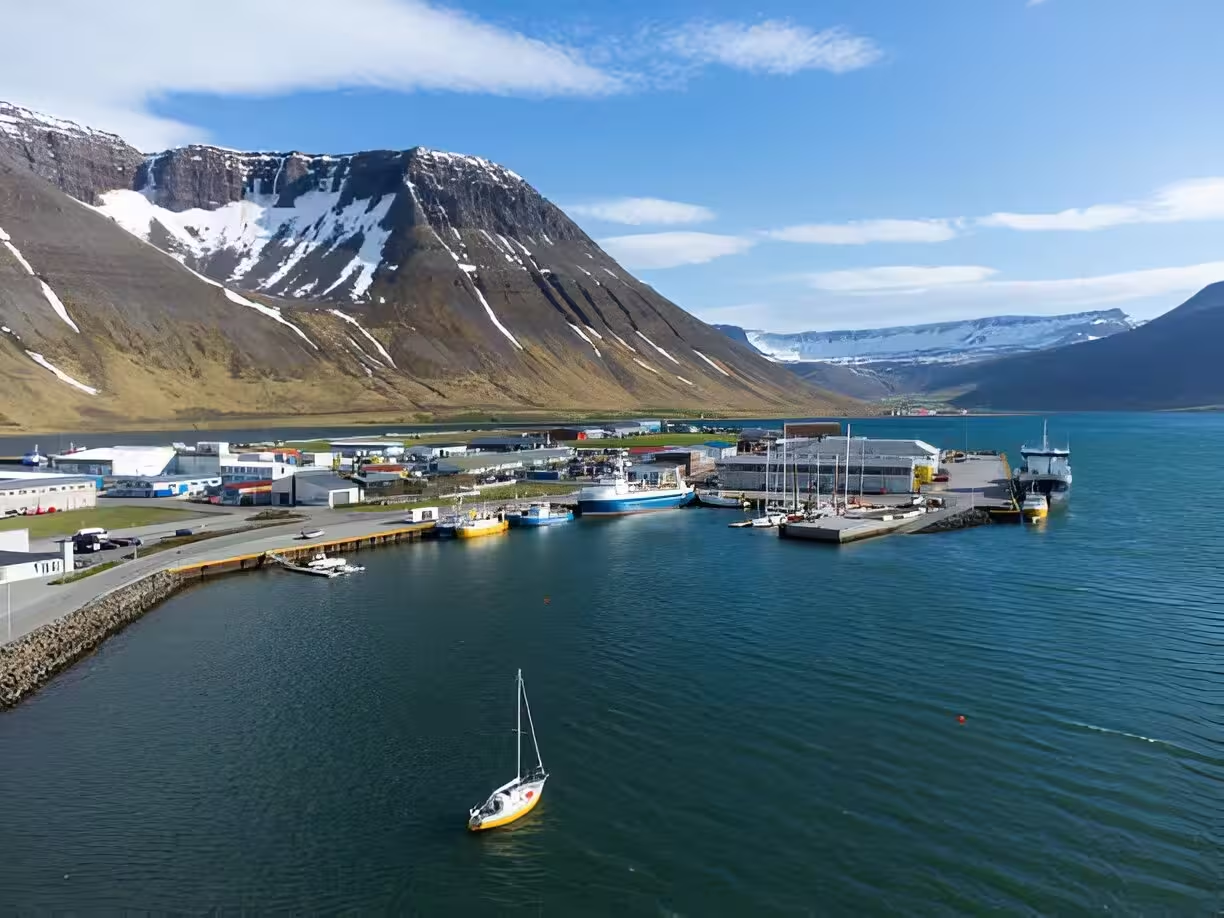
A car or bus tour is an option for exploring beyond town, while the road tunnel provides connections towards Suðureyri and Flateyri. The Vestfjarðagöng tunnel runs for 9.1 km, with its Tungudalur branch serving Ísafjörður and the northern Westfjords. The Botnsdalur branch serves Suðureyri, and the Breiðadalur branch heads towards Flateyri and the southwestern Westfjords. For arrival by air, regular flights connect the town airport with Reykjavík.
Bolungarvík is a nearby outing, at about 15 km from Ísafjörður. For a nature-focused extension, Ísafjörður provides access to Hornstrandir, which has had nature reserve protection since 1975.
The airport lies within a fjord, which brings approaching aircraft close to the surrounding terrain.
Vigur measures approximately 2 km in length and 400 m across.
Yes, a strip of land 7 km wide links the Westfjords to the rest of Iceland.