
Build your dream
experience
More to know about Lake Lucerne
Lake Lucerne Travel Guide
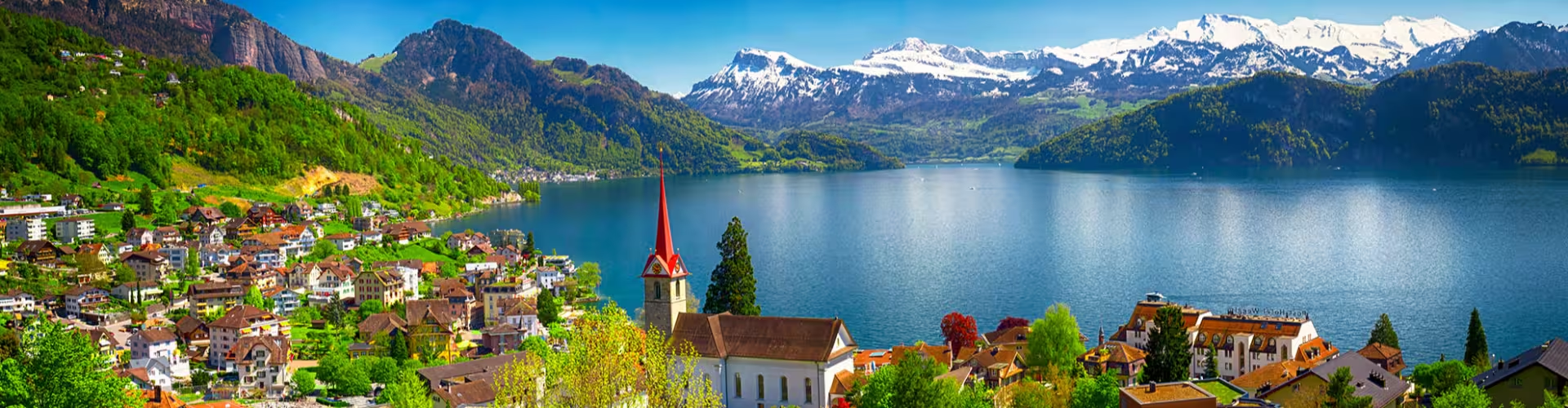
Lake Lucerne is Switzerland at its most cinematic, a deep blue lake edged by storybook waterfront towns, steep green slopes, and mountain ridgelines that change mood with every cloud. The signature vibe blends elegant lakeside promenades with outdoor adventure, where a scenic boat ride can lead straight into a cable car ascent and a panoramic hike. This guide focuses on practical decision making, what to do, how to plan, and how to experience the area with confidence.
Snapshot
Lake Lucerne delivers a rare mix of culture and nature, where medieval lanes and grand Belle Epoque hotels sit minutes from trailheads and lake piers. Go for the easy logistics, the photo ready viewpoints, and the calm rhythm of water travel that turns transit into sightseeing. It is especially rewarding when you plan around light and weather, because the scenery shifts quickly across the fjord like inlets and mountain backdrops.
🗺️ Geography and Logistics
📍 Orientation: Where is it within Canton of Lucerne and Switzerland? Name key gateway airports or hubs.
Lake Lucerne sits in central Switzerland, anchored by the city of Lucerne in the Canton of Lucerne and branching into multiple arms that reach toward surrounding cantons and mountain passes. Lucerne is the main gateway hub, with strong rail connections to other Swiss cities, and it is typically the easiest base for first time visitors. For arrivals, the most common international airport hubs used for central Switzerland are Zurich Airport and Basel EuroAirport, followed by onward train travel to Lucerne.
🕒 When to Go: Seasonal breakdown. Weather patterns vs. crowd levels.
Late spring through early autumn generally brings the most reliable conditions for boat rides, lakeside walks, and mountain excursions, with longer daylight and a lively waterfront atmosphere. Summer tends to be the busiest period, so expect higher demand for popular scenic routes and viewpoint transport, especially on clear weekends. Autumn often feels calmer, with crisp air and dramatic light on the water, while winter can be quieter and atmospheric, with shorter days and weather that can affect mountain visibility.
💰 Budget & Currency: Practical money tips, local price levels, and card vs. cash advice.
Switzerland uses the Swiss franc, and the Lake Lucerne area typically reflects Swiss price levels, especially for waterfront dining and central hotels. Cards are widely accepted, but carrying some cash is helpful for small purchases, kiosks, and occasional local services. To manage costs, prioritize one or two paid highlights per day, then balance them with free scenic walks, viewpoints reached on foot, and picnics from supermarkets or bakeries.
⭐ Essential Things to Do List
1) Old Town Lucerne (Altstadt)
Old Town is the cultural heartbeat near Lake Lucerne, where painted facades, fountains, and compact lanes make wandering the main event. It matters because the area gives context for the region’s trade history and civic pride, and it is an easy place to feel the city’s rhythm without a strict plan. Practical tip, go early in the day for quieter photos and a more local feel before day trippers arrive.
2) Chapel Bridge and the Reuss River waterfront
This is the classic Lucerne scene, where the river flows out of the lake and the city opens into postcard angles. It matters because it connects the lake to the town’s identity, and it is a natural orientation point for first time visitors. Practical tip, return at blue hour for softer light and reflections, and keep moving respectfully since it is often crowded.
3) Lake cruise on the Swiss lake steamers
A boat trip on Lake Lucerne is both transport and attraction, with changing shorelines, small harbors, and mountain silhouettes. It matters because the lake’s shape creates a sense of journey even on short routes, and it helps you understand how communities connect by water. Practical tip, choose a seat on the side facing the sun for better photos, and check your connections if you plan to link the cruise with a mountain ascent.
4) Mount Pilatus excursion
Pilatus is one of the iconic peaks near the lake, known for its dramatic profile and sweeping viewpoints over central Switzerland. It matters because it delivers that high altitude panorama that defines many Lake Lucerne trips, and it pairs well with lake travel for a full day loop. Practical tip, aim for clear weather windows, and bring an extra layer since summit conditions can feel much cooler than the lakeshore.
5) Mount Rigi, the classic viewpoint mountain
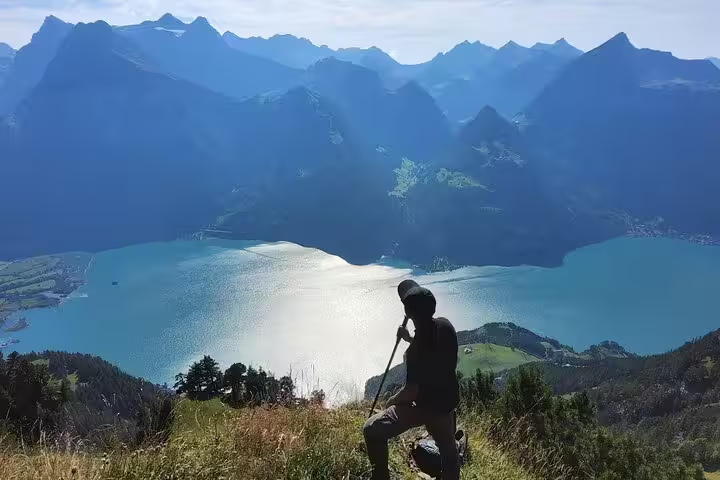
Rigi is often associated with wide open ridgelines and big sky views, making it a favorite for relaxed hikes and scenic rides. It matters because it offers a gentler mountain experience than more rugged peaks, and it is a strong choice for travelers who want views without committing to strenuous trekking. Practical tip, plan a flexible schedule so you can adjust for clouds, since visibility is the main reason to go.
6) Weggis and Vitznau lakeside villages
These towns are known for a slower pace, waterfront promenades, and a resort like feel that contrasts with the city. It matters because they show a more tranquil side of Lake Lucerne, and they make excellent bases for combining boat travel with mountain connections. Practical tip, arrive with time to stroll the shoreline, and consider a lakeside coffee stop to enjoy the scenery without rushing.
7) Swiss Museum of Transport (Verkehrshaus)
This museum is a strong indoor option near Lucerne, especially when weather turns or you want a break from outdoor sightseeing. It matters because it adds depth to a trip that is otherwise heavy on views, and it is particularly good for families and curious travelers. Practical tip, pair it with a lakeside walk afterward so the day still includes water and mountain scenery.
8) Lakeside promenades and swimming spots in warm months
The shoreline around Lucerne has scenic walking routes that feel elegant and easy, with benches and viewpoints built into the experience. It matters because it is one of the best low cost ways to enjoy Lake Lucerne at your own pace, and it works well between scheduled activities. Practical tip, pack a light towel and swimwear in summer, and choose calmer corners away from the busiest piers for a more relaxed dip.
🚶 Curated Itineraries
⏰ The Highlights (1 Day): A fast-paced Best Of route.
Start with Old Town Lucerne on foot, then walk to Chapel Bridge and follow the Reuss River toward the lakefront to get your bearings. Midday, take a short lake cruise on Lake Lucerne to experience the scenery from the water, then return to Lucerne for a late afternoon promenade and viewpoint strolls. End with a relaxed dinner near the waterfront, and time your walk for evening light if the sky is clear.
⏰ Deep Dive (2-3 Days): Adding neighborhood exploration and local secrets.
Day 1 focuses on Lucerne, with Old Town lanes, riverside viewpoints, and a museum option if weather shifts. Day 2 is for a mountain and lake combination, choose Pilatus or Rigi depending on conditions, then connect by boat or rail to keep the day scenic rather than purely functional. Day 3 slows down with lakeside villages like Weggis or Vitznau, a longer promenade, and time to linger at the water’s edge, which is often the difference between seeing Lake Lucerne and actually feeling it.
🍽️ Flavors of Lake Lucerne
1) Rösti
Crisp, golden potato rösti is comforting and filling, often served as a side or a main with toppings. Ordering tip, ask what the house style includes, since some places serve it plain while others add cheese or eggs.
2) Älplermagronen
This alpine pasta dish is rich and hearty, typically combining pasta, potatoes, cheese, and onions, sometimes paired with a sweet contrast on the side. Ordering tip, plan it for a cooler day or after a hike, since it is very satisfying and can be heavy.
3) Luzerner Chügelipastete
A classic Lucerne specialty, this pastry filled with a creamy mixture is associated with local tradition and celebratory meals. Ordering tip, look for it on regional menus in Lucerne, and consider sharing if you want to sample multiple dishes.
4) Swiss cheese fondue
Fondue is communal and unhurried, with a tangy, creamy cheese base that feels especially fitting in mountain country. Ordering tip, go with a group when possible, and balance it with something lighter earlier in the day.
5) Swiss chocolate and pralines
Chocolate here tends to be smooth and high quality, with a focus on craftsmanship and classic flavors. Ordering tip, buy a small assortment, then note your favorites before committing to larger boxes as gifts.
6) Local white wine or a light Swiss beer
A crisp drink pairs well with lakeside dining, especially when you want something refreshing rather than heavy. Ordering tip, ask for a local recommendation by style, such as dry and mineral, if you are unsure what to choose.
🚌 Navigation & Transport
Lucerne is highly walkable, especially between Old Town, the riverfront, and the main lake piers, making it easy to combine sightseeing with transit. Boats on Lake Lucerne function as both scenic cruises and practical links to villages and mountain connections, while trains and buses support efficient returns when you want to avoid backtracking by water. For accessibility, prioritize flatter lakefront promenades and plan extra time for piers and ramps, and for safety, keep an eye on weather changes before committing to exposed viewpoints or longer lake crossings.
🌄 Beyond the Center: Day Trips
1) Mount Pilatus
Travel time varies by route and connections, and the main reason to visit is the dramatic viewpoint experience above the lake and surrounding peaks.
2) Mount Rigi
Often approached via lake and rail links, Rigi is popular for panoramic ridgelines and a more relaxed hiking feel compared with steeper mountains.
3) Weggis
A short and scenic journey by boat from Lucerne, Weggis is ideal for a calm promenade, lakeside cafes, and a slower pace.
4) Vitznau
Also well connected by lake travel, Vitznau is a compact base for waterfront time and mountain connections, with a classic resort atmosphere.
✅ Insider Tips for Travelers
- Plan your biggest viewpoint day around the clearest forecast window, visibility matters more than temperature.
- Start early for Old Town photos, then use midday for boats or museums when crowds are highest.
- Pack layers even in warm months, lakeside breezes and mountain elevations can change comfort quickly.
- Use boat rides to reduce transit fatigue, sitting on deck turns a transfer into a highlight.
- Balance your budget by mixing paid mountain transport with free lakeside promenades and picnics.
- Keep your itinerary flexible, cloud cover can make a summit feel underwhelming, while the lake remains rewarding in most conditions.
❓ Frequently Asked Questions, FAQ
What is the best base for exploring the lake area?
Lucerne is the most convenient base because it is walkable and well connected by boat, bus, and rail. It also makes it easy to combine Old Town sightseeing with lake travel in a single day.
How many days do you need for Lake Lucerne?
One day covers the highlights, especially if you focus on Lucerne plus a short cruise on Lake Lucerne. Two to three days lets you add a mountain excursion and time in lakeside villages without rushing.
Do I need a car to get around?
A car is not necessary for most travelers because walking, boats, and public transport cover the main sights. Using boats also turns transportation into part of the experience.
When is the least crowded time to visit?
Outside peak summer, you will generally find a calmer atmosphere, especially on weekdays. Autumn can feel quieter while still offering beautiful light and comfortable walking conditions.
What should I pack for a day combining the lake and a mountain?
Bring layers, sun protection, and comfortable shoes, since conditions can change between the lakeshore and higher elevations. If you plan to spend time by Lake Lucerne in warm months, add swimwear and a small towel.
This guide explains how to plan a trip around Lake Lucerne in central Switzerland, focusing on practical logistics, curated experiences, and realistic itineraries. It is written by Toursxplorer.com to help travelers compare options and build a confident route.
Europe, Switzerland, Canton of Lucerne, Lake Lucerne, Lucerne