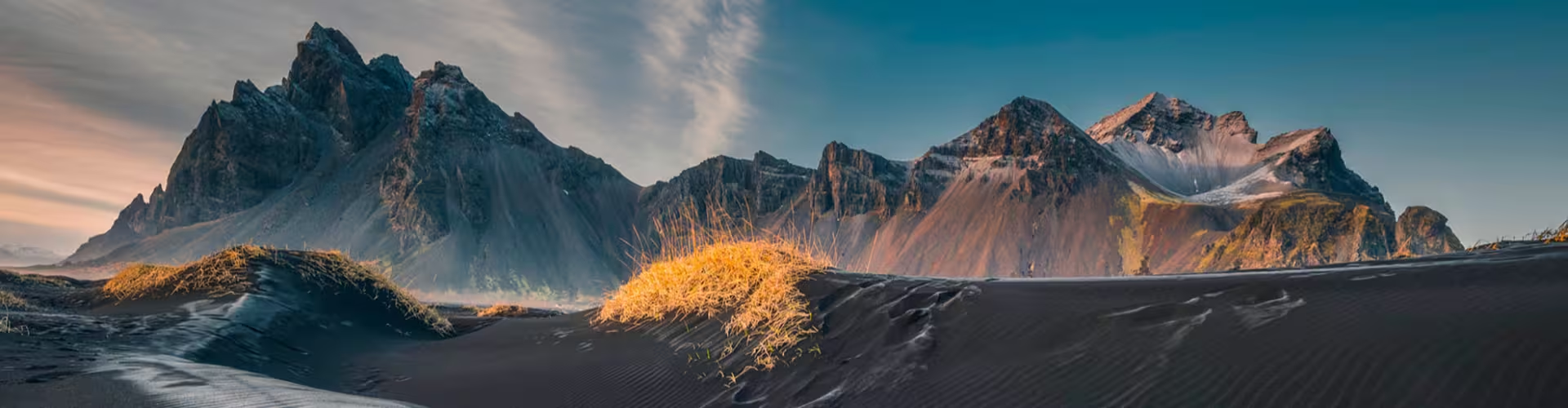
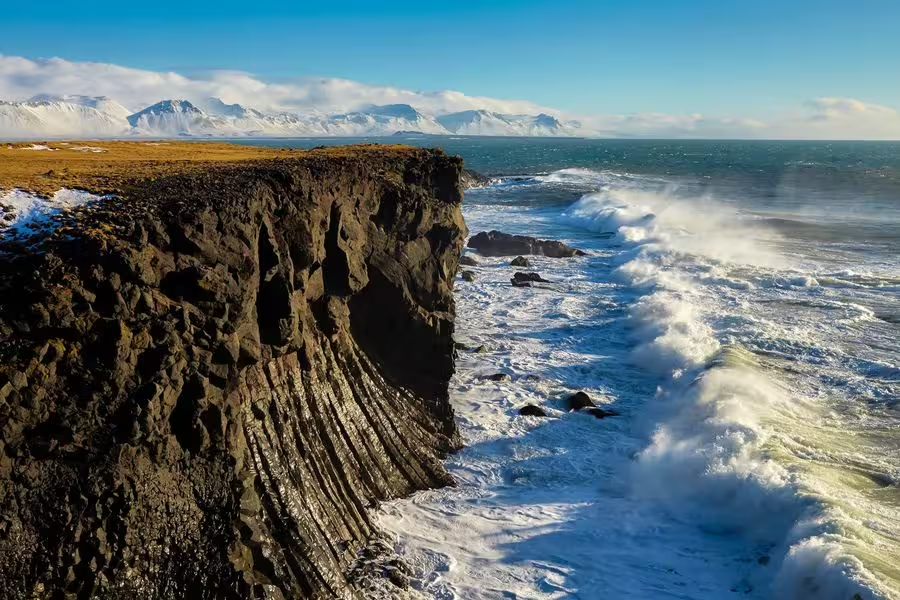
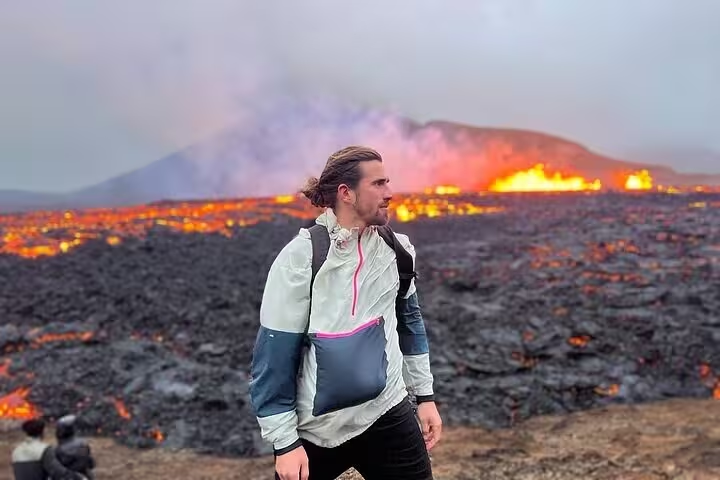
Dramatic volcanic mountains and black sand dunes at sunset in Reykjanes Peninsula, Iceland, showcasing rugged lava landscapes and scenic nature views near Keflavik and the Blue Lagoon

Reykjanes

    logoBlack

    Build your dream
    experience

    dreamimg

    More to know about Reykjanes


    Reykjanes Travel Guide

    Reykjanes on Iceland’s Southern Peninsula delivers a raw, elemental mood where volcanic landscapes, geothermal steam, and Atlantic shoreline sit within easy reach of the capital region. It suits travelers who want big nature with efficient logistics, especially as a first or last stop around flights. Expect fast-changing weather, wide-open views, and a sense of being close to the forces that shaped the island.


    Snapshot

    Reykjanes feels like Iceland in concentrated form, lava fields, coastal cliffs, and geothermal terrain packed into a compact peninsula. It is a strong pick when you want high-impact scenery without committing to long drives, and it pairs naturally with Reykjavík and the airport corridor. Go with flexible plans, because the light, wind, and cloud breaks can transform the same viewpoint within minutes.


    🗺️ Geography and Logistics

    📍 Orientation: Where is it within Southern Peninsula and Iceland?

    Reykjanes sits on Iceland’s Southern Peninsula, west and southwest of Reykjavík, with key routes linking the area to the capital region and the main international gateway at Keflavík. The peninsula’s geography is defined by lava fields, low mountains, and exposed coastline, so distances can look short on a map while still feeling dramatic on the ground. Use Reykjavík as a hub for day trips, or base closer to the airport corridor if you want early starts and quick transfers.

    🕒 When to Go: Seasonal breakdown

    Seasonality in Reykjanes is less about “peak attractions” and more about daylight, road confidence, and your tolerance for wind and rain. In brighter months, longer days make it easier to stitch together multiple stops and linger for photography when the light turns golden. In darker months, you will want tighter plans, earlier starts, and a focus on short walks and viewpoints that do not require long exposure to the elements.

    💰 Budget & Currency: Practical money tips

    Iceland uses the Icelandic króna, and travelers typically find that everyday costs can feel higher than many European destinations. Plan a buffer for spontaneous stops, warm drinks, and weather-driven changes, because comfort becomes part of the budget here. Card payments are widely used, so keep a working card and a backup option, and treat cash as an occasional convenience rather than a necessity.


    ⭐ Essential Things to Do

    Note: The experiences below are curated for common visitor goals on the Southern Peninsula. They focus on the signature landscapes and practical ways to enjoy them without relying on specific opening hours or prices.

    1) Lava field viewpoints and short walks
    Why it matters: The peninsula’s lava terrain is the visual signature of Reykjanes, and it helps you understand how volcanic activity shapes Iceland’s look and feel. Even short paths can reveal textures, moss patterns, and wide horizons that read differently in sun versus fog. Practical tip: Wear shoes with grip and keep to marked paths, moss can be fragile and footing can be uneven.

    2) Geothermal areas and steaming ground
    Why it matters: Geothermal heat is part of daily life in Iceland, and seeing it in the landscape gives context for hot water, heating, and the country’s relationship with energy. Steam vents and mineral-stained earth create a surreal palette that photographs well in soft light. Practical tip: Stay on designated routes, the ground can be unstable and the safest view is often from a short distance.

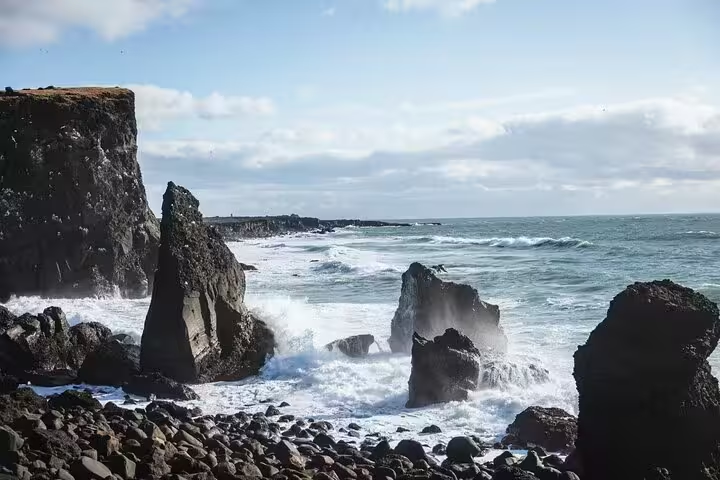
    3) Coastal cliffs and Atlantic viewpoints
    Why it matters: The coastline around Reykjanes is a lesson in exposure, wind, waves, and seabird habitat. It is also an easy way to add variety to a trip that might otherwise focus only on lava and steam. Practical tip: Keep a safe margin from cliff edges, gusts can be sudden and stronger than they feel inland.

    4) Lighthouse and headland scenery
    Why it matters: Headlands are natural “end-of-the-road” moments, where you can sense how the peninsula points into the North Atlantic. Lighthouses and coastal structures add scale and a human element to the otherwise stark terrain. Practical tip: Aim for late-day light if conditions allow, it can soften shadows and bring out color in the rocks and sea.

    5) Hot spring bathing culture
    Why it matters: Bathing is a social ritual in Iceland, and it fits naturally into a day of wind and weather on the peninsula. Warm water becomes a reset button between drives and walks, especially when the forecast is unsettled. Practical tip: Pack a towel and swimwear in your day bag, so you can take advantage of opportunities without backtracking.

    6) Photography drives in changing weather
    Why it matters: Reykjanes rewards patience, because the same landscape can look completely different as clouds break, rain sweeps through, or sun hits the lava at an angle. A short drive can offer multiple compositions, from minimalist horizons to dramatic storm light. Practical tip: Keep a microfiber cloth handy for lenses and phone cameras, wind-driven mist and drizzle are common.

    7) Quick-stop nature moments near the main routes
    Why it matters: The Southern Peninsula is ideal for travelers who want “big nature” without a full-day remote expedition. Pull-offs and viewpoints can deliver a satisfying sense of scale even on a tight schedule. Practical tip: Do a quick safety scan before stepping out, and be mindful of traffic and wind when opening car doors.

    8) Pairing the peninsula with Reykjavík
    Why it matters: Combining Reykjanes with the capital region lets you balance nature with museums, dining, and urban comfort. It also gives you flexibility if weather makes the coast less appealing on a given day. Practical tip: Keep one “swap day” in your plan, so you can move outdoor priorities to the clearest forecast window.


    🚶 Curated Itineraries

    ⏰ The Highlights (1 Day)

    Start early and treat Reykjanes as a loop of contrasts, lava textures first, then geothermal steam, then the coastline. Build in short, frequent stops rather than one long hike, because wind and showers can make long exposure less enjoyable. Finish with a warm soak or a cozy meal before returning toward Reykjavík or your airport-area base, keeping your final hour flexible for weather and road conditions.

    ⏰ Deep Dive (2-3 Days)

    Over two to three days, slow down and let the peninsula’s shifting moods guide your route. Dedicate one day to geothermal features and lava landscapes, taking time for photography and short walks when the light is best. Use another day for coastal viewpoints, headlands, and longer pauses to watch waves and seabirds, then reserve your final half-day for anything you skipped, plus a relaxed bath or café stop to end on a warm note.


    🍽️ Flavors of Reykjanes

    Food on the Southern Peninsula often leans into Icelandic comfort and ingredients that travel well in a cool, windy climate. Use these ideas as a tasting checklist, and adjust based on what you see on menus.

    • Icelandic lamb, often rich and savory, with a clean flavor shaped by local grazing. Ordering tip: Look for simple preparations, they tend to highlight the ingredient rather than heavy sauces.
    • Seafood soup, creamy and warming, ideal after a coastal walk. Ordering tip: If you want a full meal, ask whether it comes with bread, it is commonly paired that way.
    • Fresh fish dishes, mild to briny depending on the catch and preparation. Ordering tip: Choose the “catch of the day” style option if available, it often reflects what is freshest.
    • Skyr, thick and tangy, somewhere between yogurt and fresh cheese. Ordering tip: Try it plain first, then add toppings, it is a good way to gauge sweetness levels.
    • Rye bread, dense and slightly sweet, great with butter or smoked fish. Ordering tip: Pair it with soup or fish for a classic, filling combination.
    • Hot chocolate or strong coffee, a practical pleasure in windy weather. Ordering tip: If you are hopping between stops, take it to go and keep a reusable bottle for water.

    🚌 Navigation & Transport

    Getting around Reykjanes is easiest by car, because many viewpoints and natural features are spread out and weather can make waiting outdoors uncomfortable. Walking works well for short trails and viewpoint areas once you arrive, but distances between sites can be too long for an all-on-foot plan. If you are not driving, consider structured tours from Reykjavík, they simplify routing and reduce decision fatigue when conditions change.

    Safety and accessibility matter on the peninsula. Wind can be strong, surfaces can be slick, and terrain can be uneven, especially around lava and geothermal ground. Dress in layers, keep rain protection accessible, and choose shorter, stable paths if mobility is limited.


    🌄 Beyond the Center: Day Trips

    Reykjanes connects naturally with nearby hubs and classic Iceland routes, making it easy to extend your trip without overcommitting.

    • Reykjavík, short drive depending on your starting point, for museums, dining, and a change of pace from nature-heavy days. Primary reason: cultural contrast and easy logistics.
    • Keflavík area, very close to the main international gateway, useful for flight-day planning. Primary reason: convenience and low-stress transfers.
    • Southern Peninsula coastal stops, variable drive times, for additional shoreline viewpoints and small harbors. Primary reason: sea views and local atmosphere.
    • Golden Circle route, longer day trip, for iconic inland landscapes and major sights. Primary reason: classic Iceland highlights beyond the peninsula.

    ✅ Insider Tips for Travelers

    • Build your day around weather windows, not fixed times, because conditions can change quickly on the coast.
    • Pack a windproof outer layer and gloves even in brighter months, wind chill can be the main challenge.
    • Keep a small “hot drink and snack” kit in your bag, it makes short stops more comfortable and flexible.
    • Use designated paths in geothermal areas and on mossy lava, both for safety and to protect fragile ground cover.
    • If you are driving, leave extra time for photo stops, the landscape often invites unplanned pull-offs.
    • Plan a warm soak or indoor break as a recovery anchor, it helps you stay energized for outdoor viewpoints.

    ❓ Frequently Asked Questions, FAQ

    Is Reykjanes a good first stop after landing in Iceland?

    Yes, it can work well because the Southern Peninsula sits close to the main airport corridor and connects easily to Reykjavík. It is a practical way to see lava, coast, and geothermal landscapes without a long drive.

    How much time do I need to see the main sights?

    A focused day can cover several viewpoints and short walks if you keep stops efficient and stay flexible with weather. Two to three days lets you slow down, revisit locations in better light, and add longer pauses for bathing and coastal time.

    Do I need a car to explore Reykjanes?

    A car is the easiest option because many sites are spread out and conditions can make waiting outdoors less comfortable. If you prefer not to drive, guided tours from Reykjavík can simplify logistics.

    What should I wear for visiting geothermal and coastal areas?

    Dress in layers with a windproof and waterproof outer shell, and choose shoes with good grip. Bring a hat or gloves, because wind chill can feel intense even when temperatures seem mild.

    Is Reykjanes suitable for travelers with limited mobility?

    Many experiences can be enjoyed from viewpoints and short, relatively flat paths, but surfaces may still be uneven. Choose stops that prioritize easy access, and avoid lingering near unstable geothermal ground or exposed cliff edges.

    This guide is designed to help travelers plan an efficient, weather-smart visit to Reykjanes on Iceland’s Southern Peninsula. It focuses on practical logistics, curated experiences, and itinerary structure to support confident trip decisions. Created by Toursxplorer.com as a planning resource for independent travelers and tour bookers.
    Reykjanes, Southern Peninsula, Iceland