Mycenae
Plan a memorable Mycenae visit with practical logistics, curated things to do, 1 to 3 day itineraries, local flavors, transport tips, and nearby day trips across the Argolid and Peloponnese.

Plan a memorable Mycenae visit with practical logistics, curated things to do, 1 to 3 day itineraries, local flavors, transport tips, and nearby day trips across the Argolid and Peloponnese.

Mycenae is one of Greece’s most powerful archaeological symbols, a place where monumental stonework, royal tombs, and epic storytelling meet in a compact, walkable landscape. Visiting is less about ticking off ruins and more about sensing how a fortified citadel once shaped politics, trade, and myth across the Argolid and beyond. This guide helps you plan a smooth, high-impact day, or a slower deep dive, with practical logistics and curated experiences designed to make your time feel intentional.
Mycenae delivers a dramatic, windswept hilltop vibe, with big views, bigger stones, and an atmosphere that feels unmistakably ancient. Go for the cinematic gateways and tombs, stay for the way the site connects to wider Peloponnese road trips through Nafplio, Epidaurus, and the Argolid. It is especially rewarding for travelers who want history with clear visual impact, not just plaques and foundations.
Mycenae sits in the Argolid region of the Peloponnese, a natural fit for itineraries that link coastal towns, classical sanctuaries, and inland archaeological sites. Most travelers route through Athens as the main hub, then continue by road into the Peloponnese for a day trip or multi-stop circuit. If you are pairing major highlights, the geography works well with nearby Nafplio for an overnight base and onward drives to Epidaurus and Corinth.
Expect the classic Mediterranean pattern, hotter and busier in summer, milder and generally calmer in the shoulder seasons. The site experience changes with light and temperature, midday heat can make the climb and open exposure feel more intense, while cooler hours can make exploring more comfortable and photo friendly. If you prefer quieter paths and more time to linger at viewpoints, aim for earlier starts and avoid the middle of the day when possible.
Greece uses the euro, and typical travel spending here aligns with other popular mainland destinations, with costs influenced by season and how many guided add-ons you choose. Carry a small amount of cash for small purchases and quick stops, while keeping a card available for larger expenses such as accommodation and sit-down meals in nearby towns. Plan a buffer for transport, especially if you are not driving, because point-to-point travel in the Peloponnese can be easier with private transfers or taxis depending on your route.
1) Walk the Citadel Approach
Why it matters, the approach builds anticipation as the terrain tightens and the fortification logic becomes obvious, you can read the landscape like a defensive blueprint. The gradual reveal of stonework helps you understand why this hilltop location mattered strategically. Practical tip, arrive earlier in the day for cooler temperatures and softer light for photos.
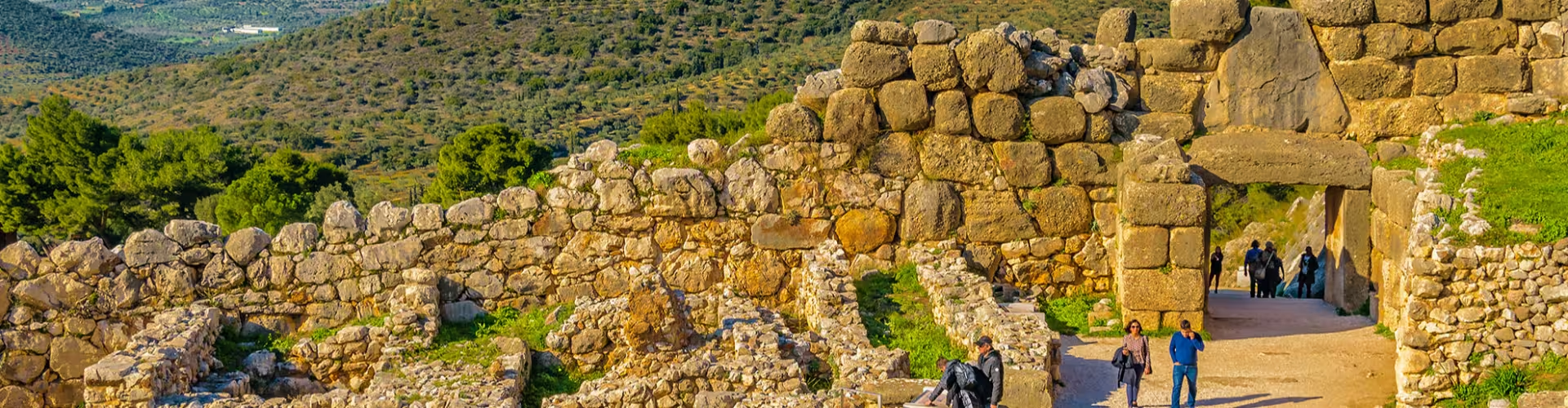
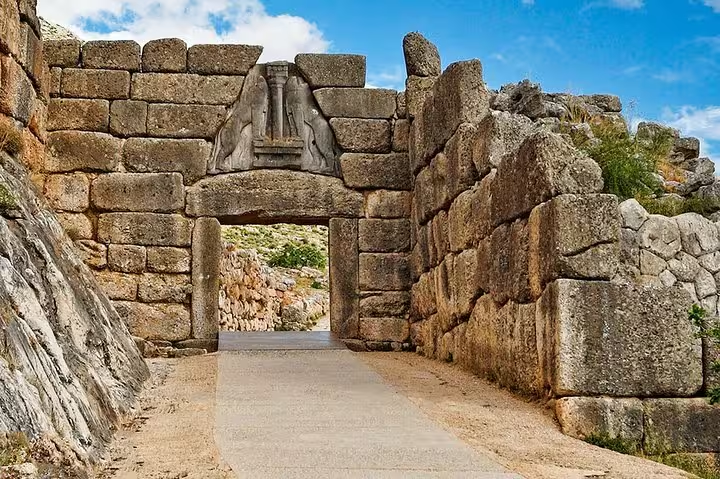
2) Stand Before the Lion Gate
Why it matters, this is one of the most iconic monumental entrances in Greek archaeology, and it communicates authority in a single glance. Seeing it in person clarifies scale in a way photos rarely capture. Practical tip, pause off to the side after your first look, then return for a second viewing once your eyes adjust to the contrast and detail.
3) Explore the Palace Area Ruins
Why it matters, even when only foundations remain, you can trace how elite spaces were organized and how movement through the complex was controlled. It is a strong moment for imagining ceremony, administration, and daily function inside a fortified world. Practical tip, take your time reading the terrain, and look back toward the entrance to understand sightlines and control points.
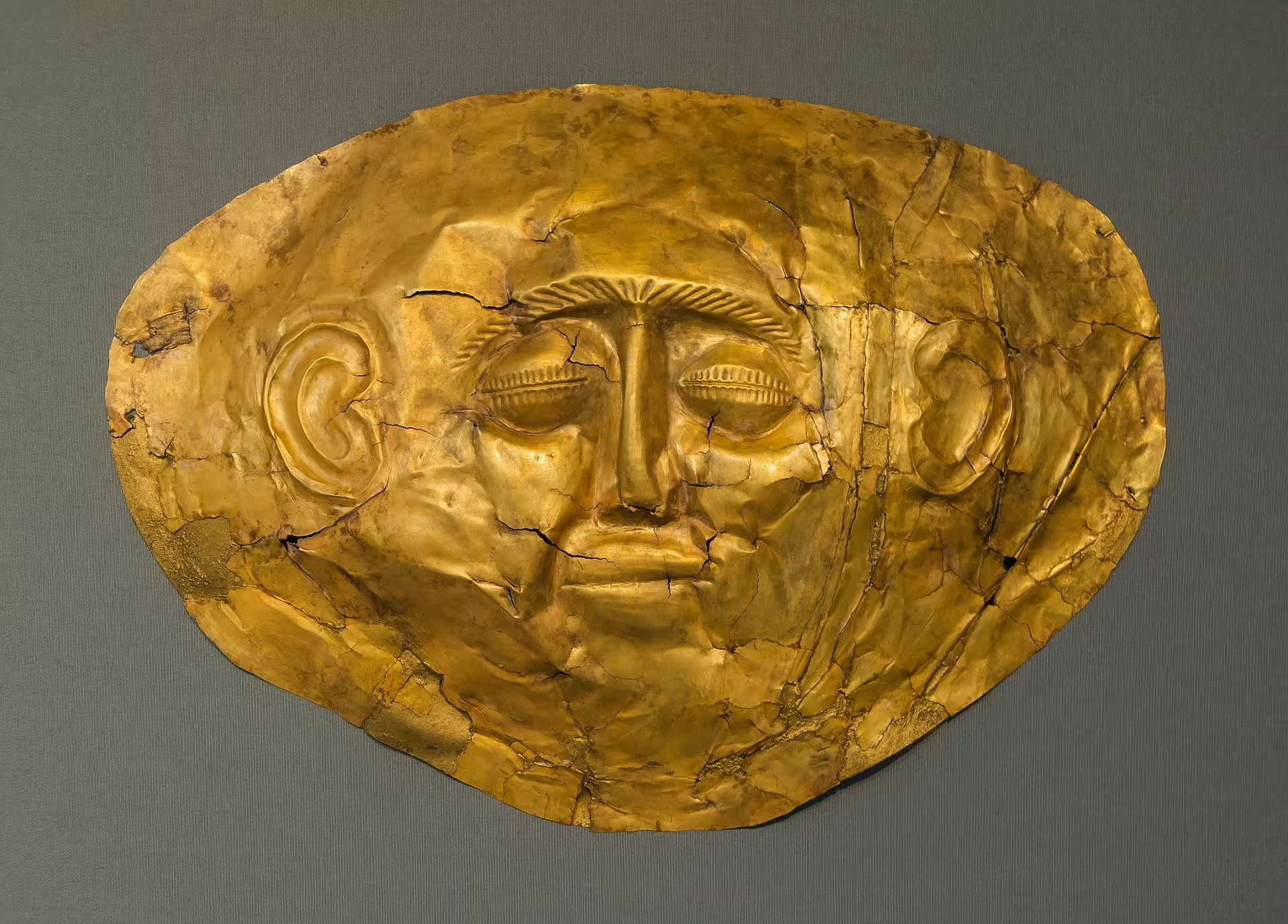
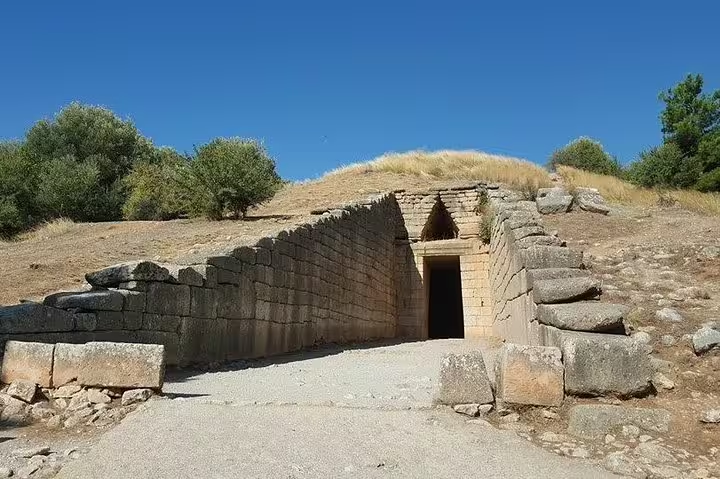
4) Visit the Royal Tomb Landscape
Why it matters, the tombs make the site feel personal, shifting the story from walls and power to individuals and legacy. They also highlight how ritual and status shaped architecture beyond the living spaces. Practical tip, bring water and give yourself time, the experience is best when you can slow down and let the setting speak.
5) Look for Panoramic Viewpoints Over the Argolid
Why it matters, the views explain the logic of place, you can see routes, plains, and the broader context that made Mycenae a node in regional networks. It is also where the mythic layer feels most believable, the landscape itself carries drama. Practical tip, step away from clusters of visitors for a quieter, more immersive moment.
6) Pair Mycenae With a Nafplio Base
Why it matters, staying nearby turns a quick visit into a smoother experience, with better pacing and less time pressure. Nafplio is a practical launch point for the Argolid, and it supports a more relaxed schedule. Practical tip, sleep nearby if you want an early start without a long morning commute.
7) Add a Theater and Sanctuary Day in Epidaurus
Why it matters, combining sites builds a richer narrative of the Peloponnese, from fortified power centers to healing sanctuaries and performance culture. It also balances your trip, mixing hilltop ruins with a very different type of ancient space. Practical tip, plan your driving order to avoid backtracking and keep the day flowing.
8) Choose a Guided Layer for Context
Why it matters, a guide, whether in person or self-guided, can connect architecture to the broader Mycenaean world and help you notice details you might otherwise miss. Interpretation matters here because the site is about systems as much as structures. Practical tip, if you prefer independent travel, prepare a short reading list or audio guide plan before you arrive.
Start with an early arrival to enjoy cooler air and clearer photos at the entrance and major landmarks. Move through the citadel with a focus on the most visually striking points, then slow down at the palace area to connect the layout to daily life and authority. Finish with the tomb landscape and a final viewpoint over the Argolid, then continue onward to a nearby town for a relaxed meal and a decompression moment after a history dense morning.
Use day one for Mycenae at an unhurried pace, with time to revisit key spots when the light changes and crowds shift. On day two, base yourself in Nafplio to balance archaeology with coastal atmosphere, then add Epidaurus for a contrasting ancient experience. If you have a third day, keep the plan flexible for scenic drives through the Argolid, small village stops, and extra time at whichever site resonates most, this is how the Peloponnese feels less like a checklist and more like a journey.
Greek salad, crisp vegetables with briny feta and olive oil, is a reliable, refreshing reset after time in the sun. Ordering tip, ask for it with local olive oil if available, and pair it with bread for a simple meal.
Souvlaki, grilled skewers served simply, is fast, filling, and ideal between drives. Ordering tip, request it as a wrap for portability if you are continuing to another stop.
Moussaka, layered and savory, is comfort food that suits a slower lunch in a nearby town. Ordering tip, it is often best as a sit-down dish, plan it when you can take a longer break.
Spanakopita, flaky pastry with greens and cheese, is a practical snack for travel days. Ordering tip, buy it earlier in the day when it is freshest, and keep napkins handy.
Tzatziki, cool yogurt with garlic and cucumber, pairs well with grilled meats and helps balance heat. Ordering tip, order it as a shared starter to make a simple table feel more complete.
Local olives and olive oil, intensely fragrant and peppery, reflect the agricultural backbone of the region. Ordering tip, look for small plates that feature several olive types, it is a quick way to taste differences.
Most travelers reach Mycenae by road as part of a Peloponnese loop, with driving offering the most flexibility for pairing sites in one day. Once on site, exploration is primarily on foot, and the terrain can be uneven, with exposed sections that feel hotter and brighter than you expect. Wear stable shoes, carry water, and build in short rests, especially if you are combining multiple archaeological stops in a single day.
Nafplio, a classic nearby base, is ideal for an overnight that adds atmosphere and an easy dining scene after a site visit. Travel time varies by route, and it is commonly paired with Mycenae for a balanced day.
Epidaurus is a strong add-on for travelers who want a different ancient setting, focused on sanctuary space and performance culture. It fits well as a second major stop in the Argolid on a multi-site day.
Corinth works for travelers linking the Peloponnese with Athens, offering a logical stop on a broader route. It is best treated as part of a transit day rather than a rushed detour.
Athens is the main hub for many itineraries, and it pairs naturally with Mycenae for travelers who want to connect Bronze Age and Classical era highlights in one trip. Consider an overnight plan that avoids overly long single-day driving.
Is Mycenae best as a day trip or an overnight?
It works well as a focused day trip if you start early and keep your route efficient. An overnight nearby can make the pace calmer and leaves room to combine other Argolid highlights.
How much time should I plan on site?
Plan enough time to walk the main citadel areas and the tomb landscape without rushing. If you enjoy photography or reading the terrain slowly, add extra buffer time.
What should I wear for visiting archaeological areas?
Choose stable walking shoes and bring sun protection. Carry water, because open, exposed terrain can feel hotter than expected.
Can I combine Mycenae with Nafplio and Epidaurus in one trip?
Yes, it is a common and practical combination because the geography supports a multi-stop day. The key is to start early and avoid overpacking your schedule.
Is it easy to get around without a car?
A car offers the most flexibility in the Peloponnese, especially for linking several sites in one day. Without one, you may rely more on taxis or organized tours to keep timing simple.