Kalamata
Plan a smart trip to Kalamata with curated things to do, 1 to 3 day itineraries, local flavors, transport tips, and easy day trips across Messinia and the Peloponnese.

Plan a smart trip to Kalamata with curated things to do, 1 to 3 day itineraries, local flavors, transport tips, and easy day trips across Messinia and the Peloponnese.

Kalamata is a sea and mountain city in the southern Peloponnese that balances an easygoing waterfront rhythm with a proudly local food culture. Think long seaside walks, café life that stretches into the evening, and a gateway position for exploring Messinia’s beaches, villages, and historic landscapes. This guide focuses on practical planning, what to do, what to eat, and how to stitch it all into a smooth trip.
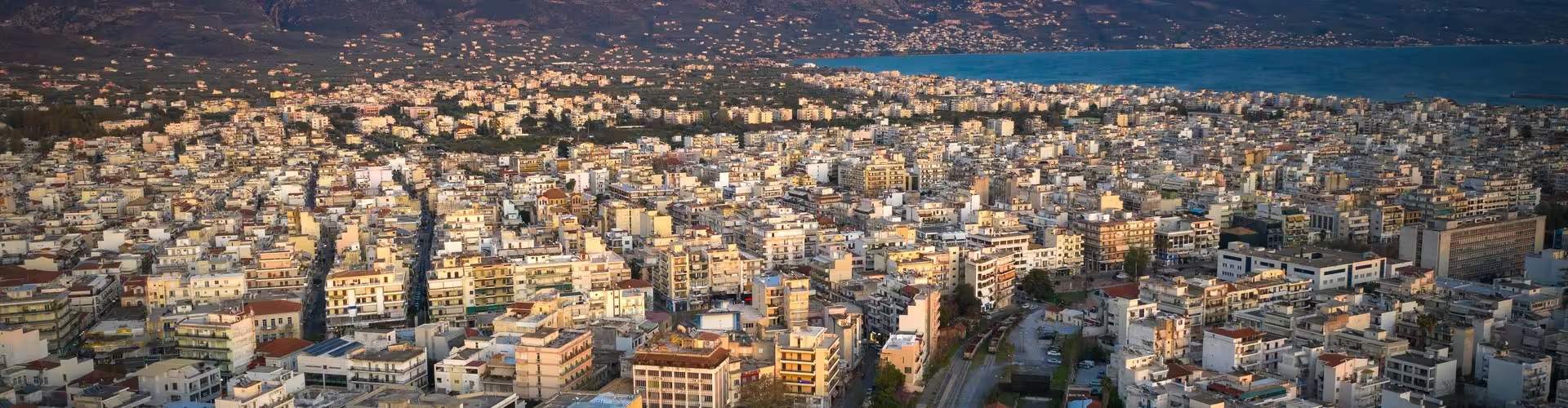
Kalamata feels both lived-in and visitor-friendly, with a modern promenade, a compact center, and day trips that deliver dramatic variety. Go for the mix of city convenience and quick access to nature, from coastal scenery to inland routes. It is a strong choice when you want Greece beyond the islands, with less logistical friction and more everyday authenticity.
Kalamata sits in the Messinia region of the Peloponnese, facing the Messinian Gulf with the Taygetos mountain range rising nearby. It works well as a base because you can combine urban comforts with short drives to beaches, archaeological sites, and stone villages. Key gateways typically include Kalamata International Airport for direct access, plus larger hubs such as Athens for travelers connecting by road or intercity transport.
Travel timing here is mainly a balance between heat, swimming conditions, and crowd levels. Warmer months favor beach time and late dinners outdoors, while shoulder seasons can feel calmer and more comfortable for walking and day trips. If your priorities are hiking, sightseeing, and long lunches without peak summer intensity, aim for milder periods when the city’s pace feels especially relaxed.
Greece uses the euro, and most travelers find a mix of card payments and cash useful for small purchases. Keep small notes and coins for quick transactions, especially in casual cafés, bakeries, and local markets. For budgeting, plan around your travel style, with costs typically shaped by accommodation seasonality, dining choices, and how many day trips you add.
Note: Experiences below are curated for variety and trip planning value. Use them to build your own things to do in Kalamata list based on your pace and interests.
1) Seafront Promenade Walk
The waterfront is the city’s social spine, ideal for an unhurried stroll that explains the local vibe better than any museum label. It is where you will see runners, families, and evening café culture in motion. Practical tip, go around sunset for softer light and a cooler walk.
2) Old Town Wandering
The historic core offers a different texture than the modern seafront, with a more intimate street scale and a sense of continuity. It is a good place to slow down, browse small shops, and take photos that feel distinctly Peloponnese. Practical tip, start earlier in the day for easier walking and then return in the evening for a more atmospheric feel.
3) Local Food Focus, Olives and Beyond
The name Kalamata is globally associated with olives, but the food story is broader than a single ingredient. Lean into local produce, simple cooking, and dishes built for sharing. Practical tip, ask what is seasonal and what is made in-house, then order one familiar item and one new one.
4) Beach Time Close to the City
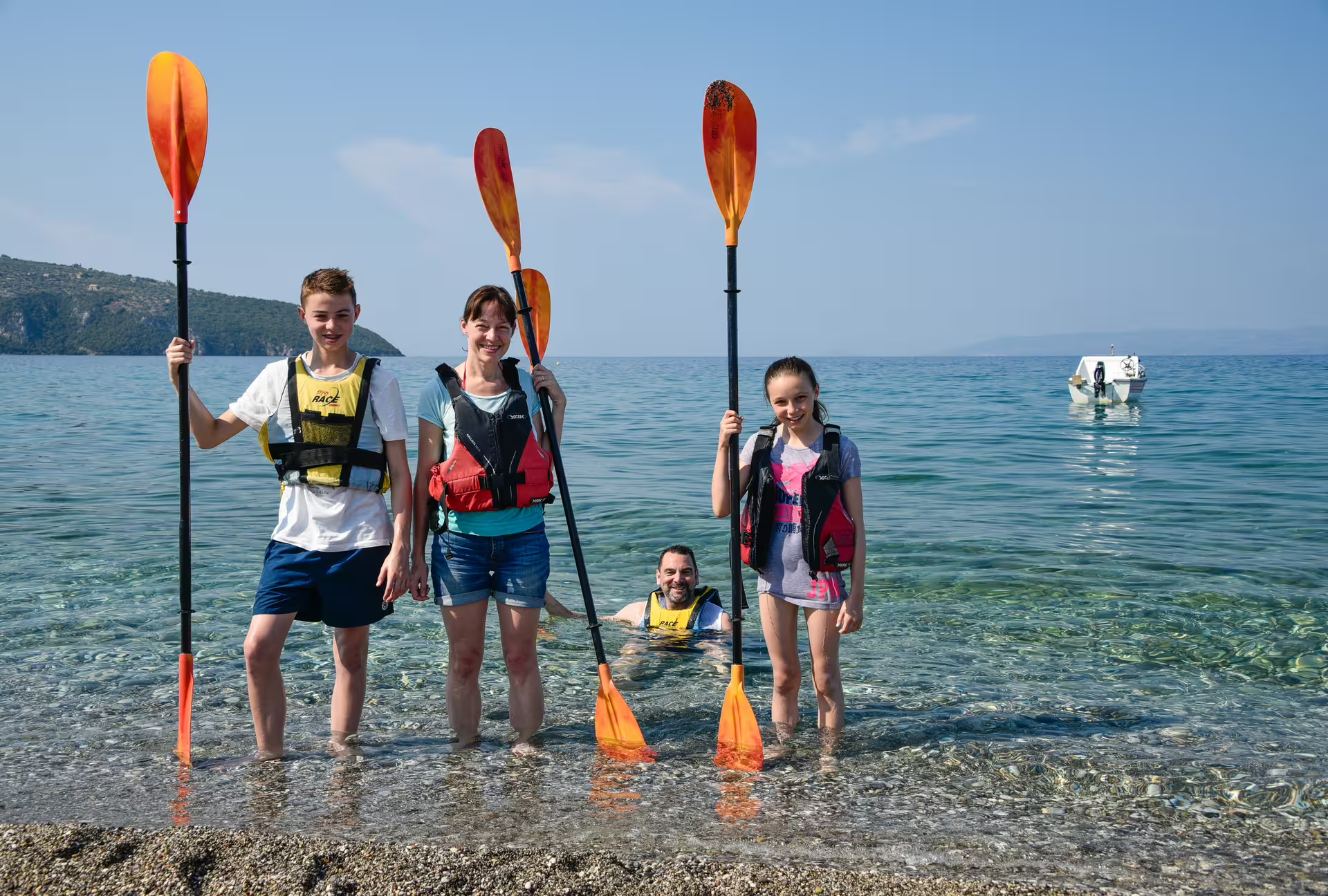
A major advantage is how quickly you can shift from city streets to the sea. Even a short swim break can reset the day, especially in warmer months. Practical tip, pack a light beach kit so you can decide spontaneously, including water, sunscreen, and a quick-dry towel.
5) Taygetos-View Moments
The mountain backdrop gives the city its dramatic edge, and it is part of what makes the landscape feel big even when your itinerary is simple. Look for viewpoints where the mountains and gulf align for memorable photos. Practical tip, bring a light layer if you are out later, since breezes can pick up near the water.
6) Market Browsing and Everyday Shopping
A market visit is a practical way to understand what locals actually eat and buy, from fruit and vegetables to regional specialties. It also helps if you are self-catering or want edible souvenirs. Practical tip, carry cash and a reusable bag, and go with flexible plans so you can linger.
7) Café Culture and People-Watching
Cafés are not just pit stops, they are a daily ritual and a window into the city’s tempo. Sitting down for a coffee can be the most “local” thing you do all day. Practical tip, choose a seat with a view of foot traffic and give yourself time, service is often unhurried.
8) Use the City as a Base for Messinia
Kalamata works as a hub for exploring the wider region without changing hotels constantly. This is ideal if you want a blend of beaches, villages, and historic sites while keeping evenings simple. Practical tip, cluster day trips by direction so you do not waste time doubling back.
Start with a morning walk in the center to get oriented, then shift to the Old Town for a slower, photo-friendly loop. Break for a long lunch focused on local specialties, then plan a late afternoon seaside walk and a swim if the weather suits. End the day on the promenade with a relaxed dinner and a final coffee or dessert, keeping the evening flexible.
Day 1, combine the center and Old Town with a seafront evening so you understand the city’s two main moods. Day 2, dedicate time to a longer coastal stretch and add a market stop so you can snack like a local and pick up regional products. Day 3, use Kalamata as your base for a day trip into Messinia, then return for a final dinner that revisits your favorite flavors.
Kalamata olives, briny, fruity, and a natural companion to bread and cheese. Ordering tip, ask for a local olive selection rather than a generic mixed plate.
Greek salad with local olive oil, crisp vegetables, feta, and that peppery finish from quality oil. Ordering tip, request extra bread to soak up the dressing.
Grilled seafood, clean flavors that shine with lemon, salt, and simple technique. Ordering tip, ask what is freshest today and choose that over a fixed choice.
Souvlaki or gyros, fast, satisfying, and ideal for a budget-friendly meal between walks. Ordering tip, specify your preferred sauces and whether you want it wrapped or plated.
Meze plates, small dishes designed for sharing, perfect for tasting variety without over-ordering. Ordering tip, order in rounds, start with two or three dishes, then add more.
Local sweets, often honeyed or syrupy, best paired with coffee. Ordering tip, ask which dessert is made today, freshness matters.
The center is walkable, and many travelers will find that walking is the easiest way to connect the seafront, shopping streets, and older areas. For longer distances, taxis and local buses are typical options, and car rental becomes useful if you plan multiple day trips across Messinia. For safety and comfort, wear stable shoes for uneven streets in older areas, and build in shade breaks during hotter parts of the day.
Messinian coast beaches, often the quickest escape from the city, ideal for swimming and a low-effort reset. Travel time varies by beach, so choose based on how much driving you want.
Traditional villages in Messinia, a change of pace with stone architecture, quieter streets, and a slower lunch culture. Travel time depends on the specific village and the route into the hills.
Archaeological sites in the region, a strong option if you want deeper historical context beyond the modern city. Travel time varies, and it pairs well with a countryside meal.
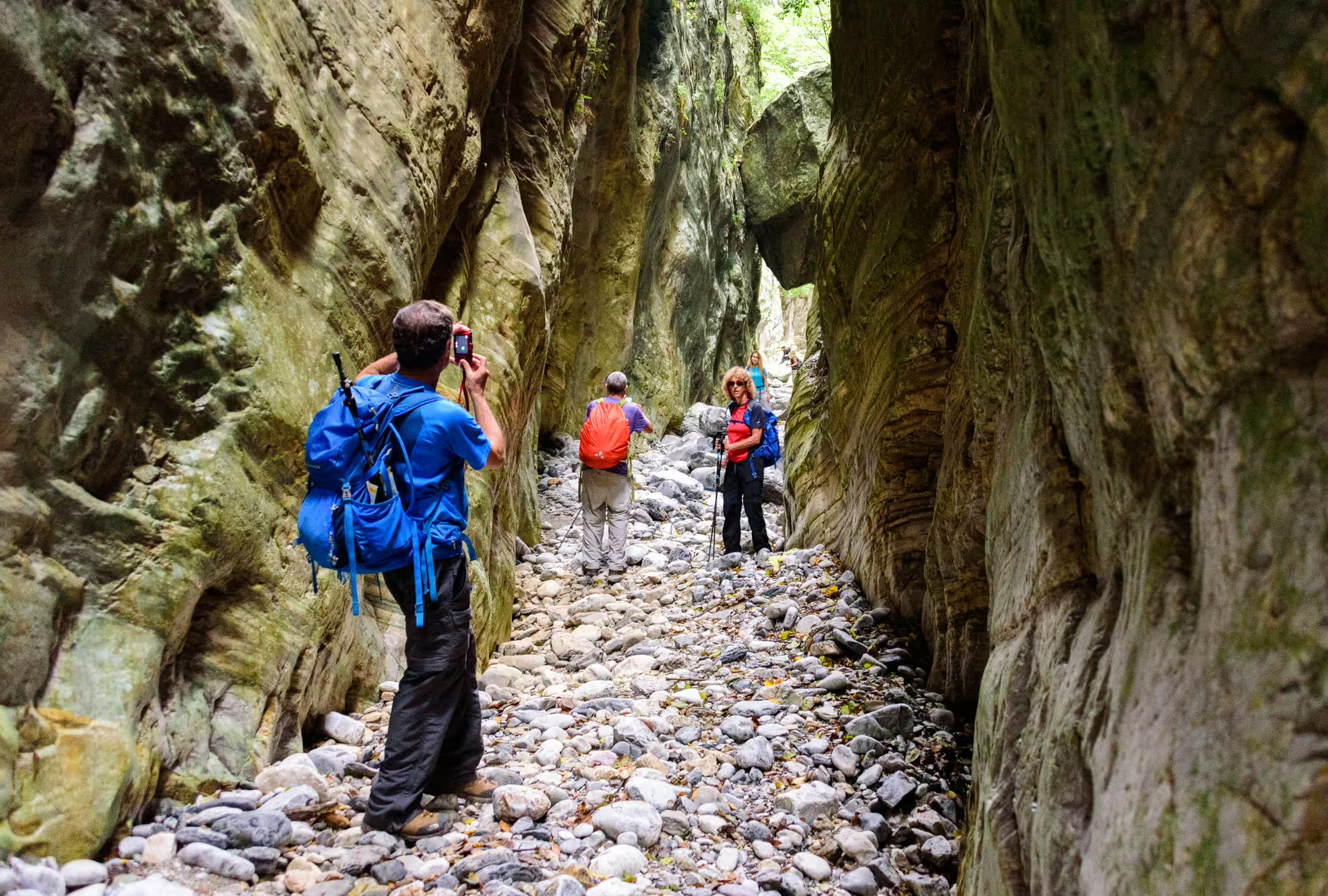
Scenic mountain routes near Taygetos, best for travelers who want viewpoints and cooler air. Travel time depends on your chosen turnoffs and stops, so plan a flexible schedule.
Yes, it works well as a hub because you can combine city comforts with day trips into Messinia. It is especially convenient if you want beaches, villages, and regional history without changing hotels often.
One day covers the main city feel, especially the center, Old Town, and seafront. Two to three days is better if you want a slower pace plus at least one day trip.
You can handle the city on foot, and taxis or buses can cover longer in-town distances. A car becomes most useful if you plan multiple day trips or want maximum flexibility along the coast and into the hills.
Late afternoon into evening is ideal for cooler temperatures and a livelier atmosphere. Sunset light also makes the waterfront especially photogenic.
Start with local olive products, simple Greek salads with good olive oil, and grilled seafood when available. In Kalamata, meze-style ordering is a great way to taste variety without committing to one large dish.