Epirus

Plan an unforgettable Epirus trip with practical logistics, top experiences, itineraries, local flavors, transport tips, and day trip ideas across mountains, gorges, stone villages, and the Ionian coast.

logoBlack

Build your dream
experience

dreamimg

More to know about Epirus


Epirus Travel Guide

Epirus is Greece at its most dramatic and grounded, a region of stone villages, deep gorges, mountain roads, and a coastline that feels refreshingly unpolished. This guide focuses on practical choices, what to prioritize, how to pace your days, and how to connect the landscapes, food, and towns into a trip that fits your travel style. If you want a destination that blends nature, heritage, and local life without needing a rigid schedule, Epirus delivers.


Snapshot

Epirus has a signature vibe of wild scenery and lived-in tradition, with a strong sense of place that comes through in architecture, food, and the rhythm of small towns. Go for the mix of mountains and sea, plus the feeling that many highlights still reward curiosity more than planning. It is especially appealing when you want big landscapes, hearty flavors, and day trips that feel like true escapes rather than checklists.


๐Ÿ—บ๏ธ Geography and Logistics

๐Ÿ“ Orientation: Where is it within Greece and Greece?

Epirus sits in northwestern Greece, shaped by rugged mountains inland and the Ionian Sea to the west. For most travelers, the main gateway is the city of Ioannina, which acts as a practical hub for reaching the Zagori villages, the Vikos Gorge area, and the wider region by road. If you are building a broader itinerary, Epirus also connects naturally to the Ionian coast and to neighboring regions via scenic drives that are part of the experience.

๐Ÿ•’ When to Go: Seasonal breakdown. Weather patterns vs. crowd levels.

Think in terms of what you want to do most. Warmer months suit coastal time, swimming, and long evenings outdoors, while cooler months can be better for hiking and exploring stone villages without heat. Shoulder seasons often balance comfortable temperatures with a calmer feel, which matters in a region where the best moments come from unhurried drives, viewpoints, and long meals.

๐Ÿ’ฐ Budget & Currency: Practical money tips, local price levels, and card vs. cash advice.

Greece uses the euro, and Epirus can feel good value compared with more heavily touristed hotspots, especially for food and locally run stays. Carry some cash for small villages, parking areas, and traditional tavernas, since card acceptance can vary outside major towns. For smoother budgeting, plan a daily cushion for fuel and spontaneous stops, because scenic detours and village cafés are part of the region’s appeal.


โญ Essential Things to Do

Epirus rewards travelers who mix nature with culture, and who leave room for viewpoints, short walks, and slow meals. Here are curated experiences that work well for first timers and repeat visitors.

Explore Ioannina’s lakeside atmosphere
Ioannina is a natural base, and its lakeside setting gives the city a relaxed, reflective mood that contrasts with the mountains nearby. Use it to reset between road days, shop for local products, and enjoy an evening promenade. Practical tip, stay at least one night in the city so you can enjoy the lake area after day trippers leave.

Drive into the Zagori villages
The Zagori area is known for stone-built settlements and a landscape shaped by bridges, rivers, and forested slopes. Even without a long hike, the act of moving between villages reveals how architecture and terrain fit together. Practical tip, start early if you want to combine multiple villages, since narrow roads and photo stops naturally slow the pace.

See the Vikos Gorge region viewpoints
Gorge landscapes are central to the identity of Epirus, and viewpoints give you the scale without requiring a full day trek. The “why” here is perspective, you see how mountains, rivers, and settlements relate in one frame. Practical tip, bring layers because wind at viewpoints can feel cooler than in towns.

Seek out traditional stone bridges
Stone bridges are more than pretty photo spots, they are reminders of older travel routes and community links across challenging terrain. Visiting a few helps you read the landscape like a map of past movement and trade. Practical tip, pair a bridge stop with a short riverside walk to make the visit feel immersive rather than rushed.

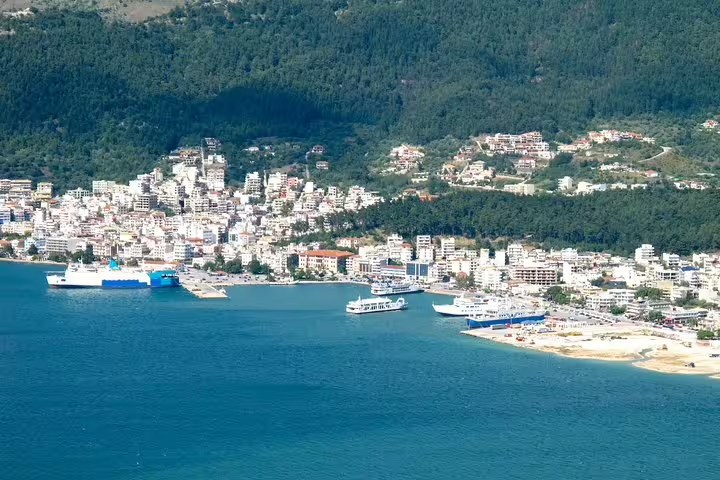
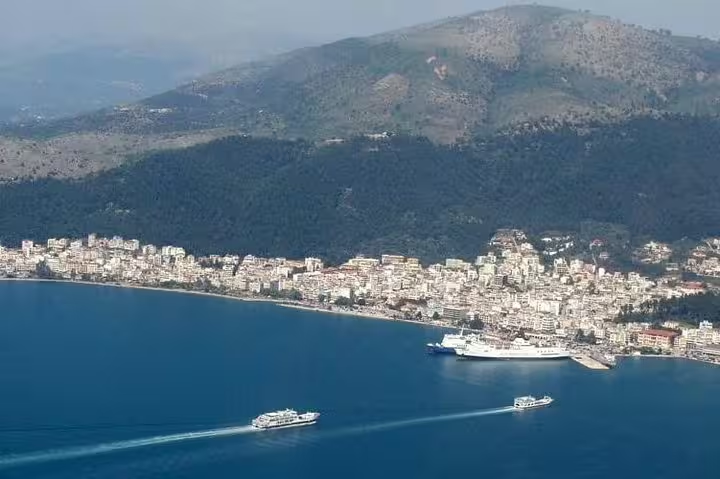
Plan a coastal day on the Ionian side
The coast adds a different texture to Epirus, brighter light, sea breezes, and a slower summer rhythm. It is a strong contrast after mountain drives, and it makes your itinerary feel balanced. Practical tip, go earlier in the day for easier parking and calmer water, then save a long meal for late afternoon.

Follow a food-first evening in a local taverna
In this region, food is part of the cultural story, not just a break between sights. A good taverna meal gives you the flavors of pastoral life, seasonal cooking, and the social pace of Greek dining. Practical tip, order in stages, start with a couple of small plates, then add a main once you see portion sizes.

Take a scenic road day
Some destinations are about arrivals, but Epirus is often about the road itself, with changing elevations, viewpoints, and village stops. Treat driving time as a core activity, not dead time, and your trip feels richer. Practical tip, keep your daily driving goals realistic, and leave room for stops that were not on your list.

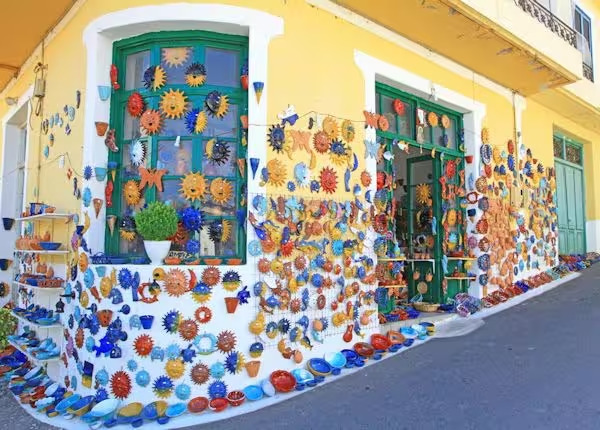
Shop for regional products and edible souvenirs
Local products make great gifts and also help you remember the trip through taste. Look for items that reflect mountain life and traditional kitchens, and buy from small producers when you can. Practical tip, pack fragile items carefully and consider buying near the end of your trip to avoid carrying them through hikes.


๐Ÿšถ Curated Itineraries

โฐ The Highlights (1 Day): A fast-paced “Best Of” route

Base yourself in Ioannina for an efficient start, then head out for a mountain loop that includes at least one Zagori village stop and one major viewpoint in the Vikos Gorge region. Keep lunch simple, then add a second village or a stone bridge stop to round out the landscape story. Return to the city for a long dinner, because evenings are when the region’s hospitality feels most tangible.

โฐ Deep Dive (2-3 Days): Adding neighborhood exploration and local secrets

Day one, settle into Ioannina, spend time by the lake, and set your pace with a relaxed evening meal. Day two, dedicate a full day to the Zagori area, splitting time between villages, bridges, and viewpoints, with a short walk rather than an overly ambitious hike. Day three, choose a contrast day, either a coastal escape on the Ionian side or a slower inland day focused on food stops and scenic roads, depending on weather and mood.


๐Ÿฝ๏ธ Flavors of Epirus

The cuisine in Epirus leans into comfort, seasonal ingredients, and recipes shaped by mountain life and pastoral traditions. Use these as a tasting checklist, and ask what is local or in season when you sit down.

  • Traditional pies, often savory and deeply satisfying, with a balance of crisp pastry and rich filling. Ordering tip, ask which pie is made that day, it is often the best choice.
  • Grilled meats, hearty and straightforward, usually paired with simple sides that let the main flavors stand out. Ordering tip, if you are sharing, order a mix and add a salad and fries for the table.
  • Local cheeses, typically bold and salty, great with bread and a glass of wine. Ordering tip, ask for a local cheese plate if available, it is an easy way to taste the region.
  • Mountain-style stews, slow-cooked and warming, ideal after a day outdoors. Ordering tip, these can sell out, so ask early in the meal what is available.
  • Seasonal greens and legumes, lighter but flavorful, often dressed simply with olive oil and lemon. Ordering tip, choose one vegetable dish to balance a meat-heavy order.
  • Local sweets, usually not overly sugary, more about aroma and texture than heavy sweetness. Ordering tip, ask what pairs well with coffee, and split one dessert if you are full.

๐ŸšŒ Navigation & Transport

Epirus is best experienced with flexibility, and that often means a road-focused plan. Walking works well within towns and village centers, especially for lakeside promenades and evening strolls, but distances between key landscapes are typically car-friendly rather than foot-friendly. If you drive, expect winding roads in mountainous areas, and plan breaks to avoid fatigue, since viewpoints and village stops are frequent temptations.

For safety and comfort, keep water and layers in the car, and avoid rushing after dark on unfamiliar mountain roads. If you are relying on public transport, base yourself in a main hub like Ioannina and build day plans that do not require tight connections. Accessibility varies, with cobblestones, steps, and uneven paths common in older village areas, so supportive footwear helps even for light sightseeing.


๐ŸŒ„ Beyond the Center: Day Trips

Day trips in Epirus are about switching scenery without changing your base. Travel times depend on your exact starting point and the road type, but these ideas work well as full or half-day escapes.

  • Zagori villages, a classic day trip for stone architecture, viewpoints, and a sense of mountain heritage. Plan it as a full day if you want multiple stops and time for a relaxed meal.
  • Vikos Gorge area, ideal for dramatic landscapes and short walks to viewpoints. Give yourself extra time for photo stops and changing weather at higher elevations.
  • Ionian coast, perfect when you want sea air and a different pace after inland exploring. Start early for a smoother day, especially in peak season.
  • Stone bridge routes, a flexible option that combines scenery with cultural texture. Build a loop with a café stop so it feels like a journey, not a checklist.

โœ… Insider Tips for Travelers

  • Plan fewer stops per day than you think you need, because roads are scenic and slow, and you will want to pause often.
  • Dress in layers, mountain viewpoints can feel cool even when towns are warm.
  • Keep cash for small villages and low-key tavernas, and use cards in larger towns when available.
  • Prioritize one major landscape focus per day, such as villages, gorge viewpoints, or the coast, then add smaller stops around it.
  • Wear shoes with grip, cobblestones and uneven village paths are common.
  • Eat like locals do, order a few small plates first, then decide if you want a main once you see portions.
  • Leave time for sunset or late-afternoon light, it flatters stone architecture and mountain contours.
  • If you are prone to motion sickness, bring what you need, winding roads are part of the region.

โ“ Frequently Asked Questions, FAQ

Is Epirus better as a road trip or a single-base trip?
It works well either way, but a single base in a hub like Ioannina makes logistics easier if you want relaxed days. A road trip adds variety, especially if you want both mountain villages and coastal time.

How many days do I need for Epirus?
One day covers a highlights loop with a village stop and a viewpoint, but it will feel fast. Two to three days gives you time for a deeper mountain day plus a contrast day, such as the coast or a slower food-focused route.

What should I pack for mountain areas and viewpoints?
Bring layers and a light jacket, since wind and elevation can change how it feels. Supportive shoes help on cobblestones, uneven paths, and short walks near viewpoints.

Can I visit Epirus without renting a car?
Yes, but you will want to base yourself in a main town and choose day plans that do not rely on tight connections. A car makes it easier to link villages, bridges, and viewpoints at your own pace.

What is the best way to balance mountains and coast in Epirus?
Use Ioannina or another convenient hub, then dedicate one full day to the Zagori and Vikos Gorge region and one day to the Ionian side. This keeps your trip varied without constant packing and unpacking in Epirus.