Estonia is a Nordic nation in Northern Europe known for its medieval Old Towns, pristine forests, and innovative digital culture. This Baltic gem combines historic charm with modern technology, offering visitors a unique blend of medieval architecture and cutting-edge innovation.
What to see in Estonia
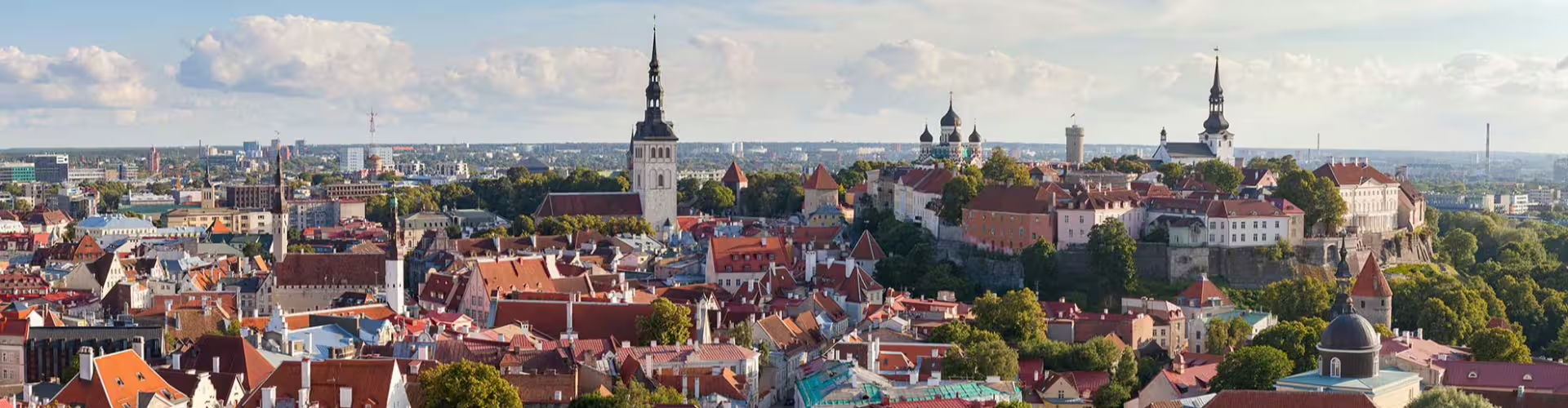
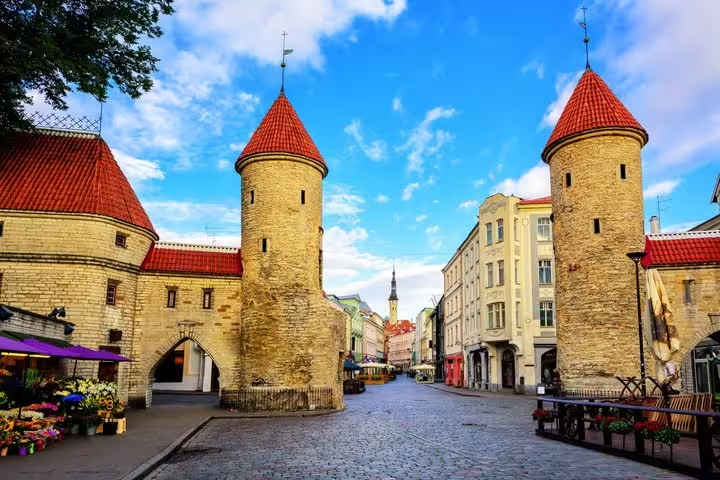
Tallinn's UNESCO-listed Old Town features cobblestone streets, merchant houses, and the iconic Toompea Castle overlooking the medieval cityscape. The Alexander Nevsky Cathedral and St. Olaf Church stand as architectural landmarks worth exploring. Beyond the capital, visitors can discover Narva Castle on the Russian border and the picturesque coastal towns scattered along the Baltic Sea.
Things to do in Estonia
Visitors can explore the country's extensive network of protected forests and national parks, including Lahemaa National Park with its manor houses and coastal trails. Island hopping to Saaremaa and Hiiumaa offers opportunities for nature walks and cultural experiences. Summer brings music festivals and outdoor markets, while winter activities include cross-country skiing and spa visits.
Digital Innovation and Medieval Heritage
Estonia seamlessly blends centuries-old traditions with forward-thinking innovation. While wandering medieval cobblestone streets in Tallinn, visitors encounter a nation that pioneered e-governance and digital services. This unique contrast between historic Old Town architecture and modern tech culture makes Estonia a distinctive European destination.
Estonia is located in Northern Europe on the Baltic Sea coast, bordered by Finland, Russia, and Latvia. The country consists of the mainland and over 2,000 islands. Tallinn, the capital, sits on the Gulf of Finland approximately 80 kilometers south of Helsinki. The landscape is characterized by forests covering more than half the territory, with numerous lakes and bogs throughout the country.
Historic Medieval Destination; Digital Innovation Leader; Baltic Nature Tourism; UNESCO Heritage Sites; Nordic Culture