Mljet
Plan a nature-first escape to Mljet with practical logistics, top outdoor experiences, simple itineraries, local flavors, transport tips, and smart traveler hacks for a smoother island trip.

Plan a nature-first escape to Mljet with practical logistics, top outdoor experiences, simple itineraries, local flavors, transport tips, and smart traveler hacks for a smoother island trip.

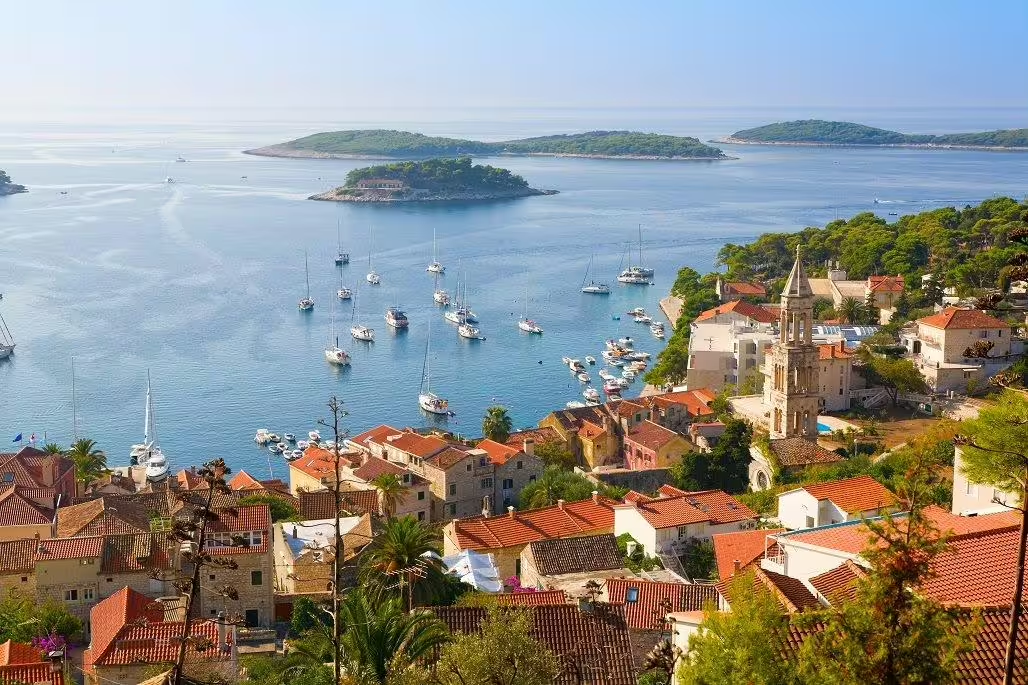
Mljet is a Dalmatian island in Croatia known for a calm, nature-first rhythm, pine-scented landscapes, and a slower pace that rewards travelers who like to explore outdoors. This guide focuses on practical planning, what to do, how to get around, what to eat, and how to build an itinerary that fits your time. Expect a destination that feels restorative, with scenic viewpoints, coastal walks, and a strong connection to the Adriatic.
Mljet suits travelers who want quiet beaches, green trails, and a break from crowded city sightseeing. The signature vibe is relaxed and outdoorsy, with days built around swimming, walking, and long meals. Go when you can prioritize daylight and calm conditions, and plan ahead for transport connections so your time on the island feels effortless.
Mljet belongs to Dubrovnik-Neretva County in southern Croatia, positioned in the Adriatic Sea along the Dalmatian coast. The most common regional hub for international arrivals is Dubrovnik, which functions as a key gateway for onward travel along the coast and to nearby islands. From the mainland, travelers typically connect by ferry or catamaran services, then continue by local road transport once on the island.
For a more tranquil experience, aim for shoulder periods when the island feels quieter and nature is at its most inviting. Peak summer typically brings the warmest sea conditions and the most visitors, which can affect transport capacity and the availability of accommodations. Cooler months tend to be calmer and better for hiking comfort, although some visitor services may operate on reduced schedules depending on demand.
Croatia uses the euro, and travelers should expect typical coastal pricing, with higher costs during busier periods and in the most visited areas. Cards are widely used in Croatia, but it is smart to carry some cash for small purchases, local transport, and places that may prefer cash transactions. A practical approach is to budget more for transport and activities, then balance your spending with simple meals and self-catered snacks when you are out exploring.
Explore Mljet National Park
Why it matters, this is the island’s signature nature experience, built around forested scenery, tranquil paths, and a slower pace that invites long, unhurried days outdoors. It is ideal for travelers who want a scenic reset and a break from urban sightseeing. Practical tip, start earlier in the day for cooler walking conditions and bring water, sun protection, and swim gear so you can combine trails with time by the water.
Swim and sunbathe at quiet coves
Why it matters, Mljet is at its best when you lean into the simple pleasures, clear Adriatic water, rocky shorelines, and the feeling of having space to yourself. Many of the most memorable moments come from unplanned stops and slow afternoons. Practical tip, pack water shoes for rocky entries and a light picnic so you can stay longer without needing to return to a village for supplies.
Cycle scenic island roads
Why it matters, cycling matches the island’s gentle rhythm and lets you cover more ground than walking while still feeling connected to the landscape. The ride itself becomes part of the experience, with pine forests, coastal glimpses, and viewpoints that reward frequent stops. Practical tip, choose a route that fits your fitness level and carry a small repair kit, plus extra water, especially on warmer days.
Take a boat-style day on the Adriatic
Why it matters, seeing Mljet from the water highlights its rugged coastline and gives you access to swimming spots that feel more secluded. A water day also breaks up hiking and cycling with a different perspective on the island’s geography. Practical tip, prioritize calm-weather windows and bring a wind layer, even on sunny days, since conditions on the water can feel cooler.
Photograph golden-hour viewpoints
Why it matters, the island’s greens and blues look especially vivid in softer light, and viewpoints help you appreciate how forested Mljet is compared with many other Adriatic islands. This is a low-cost, high-reward activity that fits any itinerary. Practical tip, aim for sunrise or late afternoon, and bring a small flashlight or phone light if you will be walking back on dimmer paths.
Enjoy a slow village meal
Why it matters, food is part of the island’s identity, and a long meal is often the easiest way to feel the local pace. Coastal Croatia is known for seafood, olive oil, and simple preparations that let ingredients speak. Practical tip, ask what is freshest that day, and plan meals a little earlier or later than peak dining hours if you prefer a quieter atmosphere.
Kayak along calm stretches of coast
Why it matters, kayaking offers a peaceful way to explore the shoreline while staying close to nature, with frequent chances to pause for a swim. It also gives you a sense of scale that you do not get from the road. Practical tip, go when winds are light and keep valuables in a dry bag, since even short paddles can involve splashes and spray.
Plan a mindful nature walk
Why it matters, Mljet is ideal for travelers who like to slow down and notice details, the scent of pine, the sound of cicadas, and the shifting light through forest paths. A simple walk can become the highlight of the day. Practical tip, bring insect repellent and choose footwear with grip, since coastal terrain can be uneven and rocky.
Start your morning with a nature-focused block, ideally inside Mljet National Park, so you can enjoy cooler temperatures and quieter trails. Midday, shift to swimming and a relaxed lunch, then use the afternoon for a coastal walk or a short cycle route with scenic stops. End your day with golden-hour photos from a viewpoint, followed by a slow dinner that leans into local seafood and simple Dalmatian flavors.
On day one, prioritize the island’s core nature experience, then spend the late afternoon exploring coastal coves at your own pace. Day two works well as a water day, kayaking or a boat-style outing, with plenty of time for swims and shoreline pauses. If you have a third day, keep it flexible, add a longer walk, a cycling loop, and extra time for a village meal, so your trip feels less like a checklist and more like island living.
Grilled Adriatic fish
Taste profile, clean and briny, usually paired with olive oil and simple seasonings. Ordering tip, ask what was caught most recently and choose that for the freshest flavor.
Octopus salad
Taste profile, tender seafood with a bright, citrusy lift and a satisfying olive oil finish. Ordering tip, order it as a starter to share, especially on hot days when you want something light.
Black risotto (crni rižot)
Taste profile, rich and savory, with a deep seafood character. Ordering tip, plan for a slower meal, since risotto is typically cooked to order.
Peka-style dishes
Taste profile, slow-cooked and aromatic, often featuring meat or seafood with vegetables. Ordering tip, ask in advance if it is available, since peka is commonly prepared with extra time.
Dalmatian prosciutto and cheese
Taste profile, salty, aged, and satisfying, perfect with bread and olive oil. Ordering tip, choose it as a simple lunch if you want to keep your day flexible for swimming and walking.
Olive oil and local bread
Taste profile, peppery and fragrant, a staple of coastal Croatia. Ordering tip, use it as a baseline to judge the house style, then build your meal around similarly simple dishes.
Transport on Mljet typically combines ferry or catamaran connections to the island with local road travel once you arrive. Many travelers mix walking for short distances with cycling or local vehicle transport for longer stretches, especially when moving between villages and nature areas. For safety and comfort, wear sturdy footwear on rocky paths, carry water, and plan your return timing so you are not relying on last-minute connections.
Dubrovnik
Travel time, varies by sea connections and onward transfers. Reason to visit, a major Adriatic hub with historic streets and a strong cultural scene that contrasts nicely with Mljet’s nature focus.
Korčula
Travel time, varies by routes and schedules. Reason to visit, a classic Dalmatian island experience with charming old-town ambiance and a more town-centered day of exploring.
Pelješac Peninsula
Travel time, varies by ferry connections and driving time. Reason to visit, coastal scenery and a different mainland rhythm, good for travelers who want a road-style day beyond the island.
Lastovo
Travel time, depends on seasonal sea routes. Reason to visit, a more remote island feel and a strong sense of escape for those who want to go even quieter.
Most travelers connect via Dubrovnik as a regional hub, then continue by ferry or catamaran to the island. Once you arrive, you can combine walking with local road transport depending on your route.
One day is enough for a highlights route focused on nature, swimming, and a relaxed meal. Two to three days gives you more flexibility for a water day and slower exploration.
Bring sturdy footwear, sun protection, and a refillable water bottle for walking and cycling. Water shoes and a light layer are also useful for rocky beaches and breezier boat time.
Cards are widely used in Croatia, but carrying some cash is helpful for small purchases and simple local needs. Using a mix of both keeps your day-to-day spending smooth.
Shoulder periods are typically calmer than peak summer, with a more relaxed feel on trails and beaches. If you prefer quiet, plan around lower-demand weeks and book transport connections in advance.