Dalmatia
Plan a smarter Dalmatia trip with logistics, top things to do, 1 to 3 day itineraries, local flavors, transport tips, island day trips, and a practical FAQ for coastal Croatia.

Plan a smarter Dalmatia trip with logistics, top things to do, 1 to 3 day itineraries, local flavors, transport tips, island day trips, and a practical FAQ for coastal Croatia.

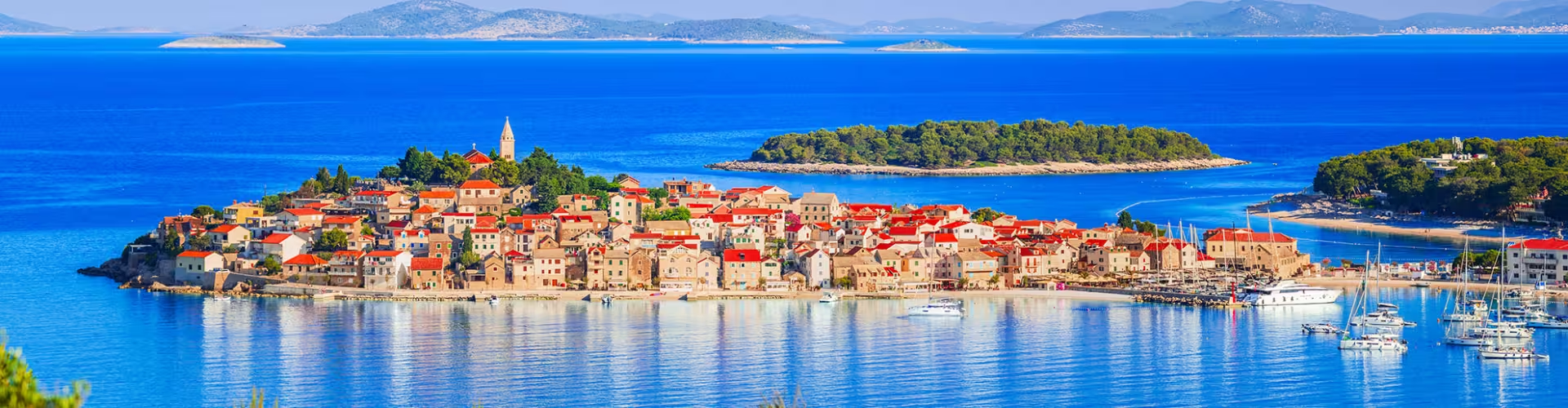
Dalmatia is Croatia’s sunlit Adriatic stretch of historic port cities, island-dotted horizons, and limestone landscapes where Roman ruins and Venetian-era lanes meet café culture and sea-facing promenades. This guide helps you plan smarter with clear logistics, curated experiences, and practical itineraries that fit different travel styles. Expect a mix of UNESCO level heritage, swimming stops, and slow evenings built around fresh seafood and local wine.
Dalmatia feels cinematic and elemental, bright stone streets, salt air, and a rhythm that shifts from lively waterfronts to quiet coves within minutes. Go for the blend of culture and coastline, where you can tour ancient architecture in the morning and be in the sea by afternoon. It is especially rewarding when you plan around heat and crowds, then leave space for unstructured time on the water.
Dalmatia runs along the southern half of Croatia’s Adriatic coast, facing Italy across the sea and backed by rugged mountains and karst terrain. Key gateways typically include coastal hubs like Split and Dubrovnik, plus ferry ports that connect the mainland to islands such as Hvar, Brač, Korčula, and Vis. For many travelers, the region works best as a point-to-point route, combining a few bases rather than trying to see everything from one city.
Summer brings the warmest sea and the longest days, plus the highest demand for ferries, hotels, and popular viewpoints. Shoulder seasons are often favored for more comfortable sightseeing in old towns and national parks, with fewer tour groups and easier restaurant seating. Cooler months can feel quieter and more local, although some island services may run less frequently, so flexible planning matters.
Croatia uses the euro, and prices in the most famous waterfront areas can be noticeably higher than inland neighborhoods. Cards are widely accepted in cities and larger restaurants, but carrying some cash is useful for small bakeries, market stalls, and certain island services. If you are planning boat days, private transfers, or peak-season stays, set aside a buffer because last-minute choices tend to cost more.
1) Explore Split’s historic core
Split’s old town is built around layers of ancient and medieval history, giving you a compact area where major sights and everyday life share the same stone lanes. It is ideal for travelers who want culture without losing access to beaches and ferries. Practical tip, go early for calmer photos, then return at dusk when the waterfront promenade fills with energy.
2) Walk Dubrovnik’s old town and viewpoints
Dubrovnik is a showpiece of fortified architecture and sea views, with polished streets and dramatic walls that define the city’s silhouette. The payoff is the atmosphere, especially when you slow down in quieter side streets between the main routes. Practical tip, prioritize viewpoints in the cooler part of the day and bring water because stone streets reflect heat.
3) Take an island day to Hvar
Hvar pairs harbor glamour with inland villages and viewpoints, so it works for both beach time and scenic walks. Even a short visit can feel varied if you split time between the waterfront and a higher lookout. Practical tip, confirm return ferry times before you commit to a long lunch.
4) Swim and unwind on Brač
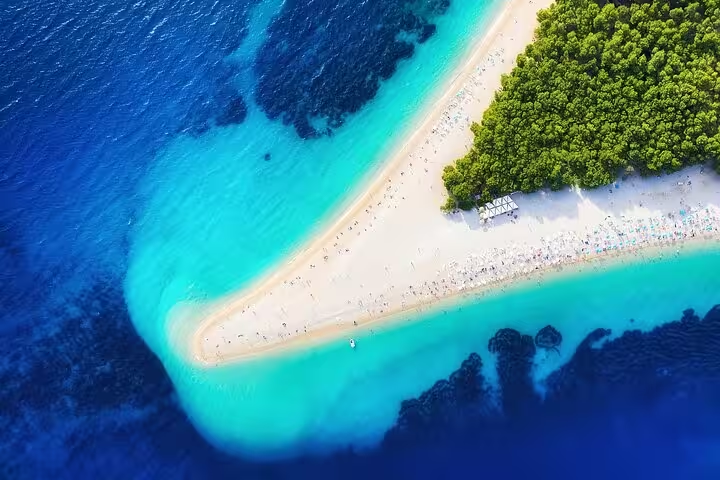
Brač is known for clear water and beach days that feel classic Adriatic, with options ranging from lively coves to quieter stretches. It is a strong choice if you want a break from city sightseeing without going fully remote. Practical tip, pack water shoes for pebbly beaches and plan shade breaks during midday sun.
5) Slow travel on Vis
Vis often feels more laid-back, with a calmer pace that suits travelers who want simple swims, harbor dinners, and scenic drives. It is a good reset after busier stops on a Dalmatia route. Practical tip, keep your schedule light and build in extra time for ferry variability.
6) Discover Korčula’s old town character
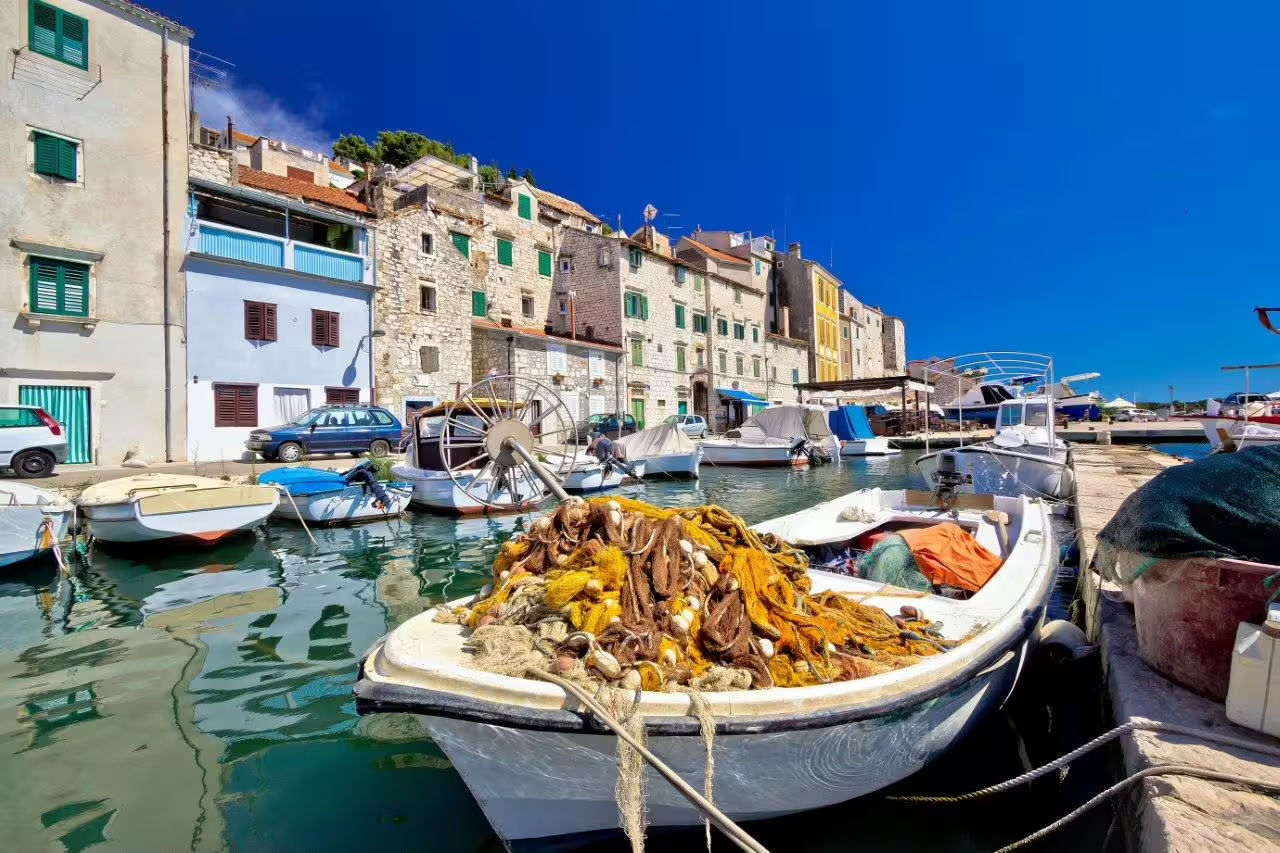
Korčula combines a compact historic center with a strong local identity, making it easy to enjoy a cultural stroll and still fit in a seaside meal. It is especially appealing for travelers who like smaller, walkable towns. Practical tip, wander a few blocks away from the busiest lanes for better-value menus and a quieter feel.
7) Plan a national park style day
Many visitors pair Dalmatia with a nature day to balance stone cities with waterfalls, lakes, or coastal landscapes. The value is contrast, you get a different side of Croatia’s geography beyond the shoreline. Practical tip, start early and bring layers because conditions can shift between shaded trails and open sun.
8) Make time for a boat day
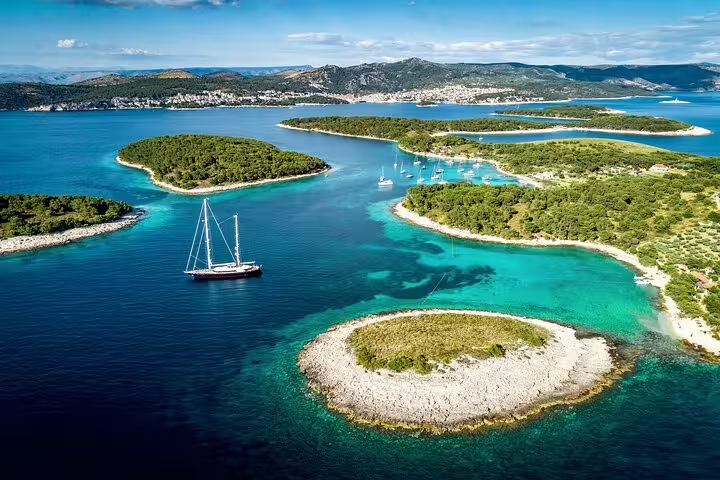
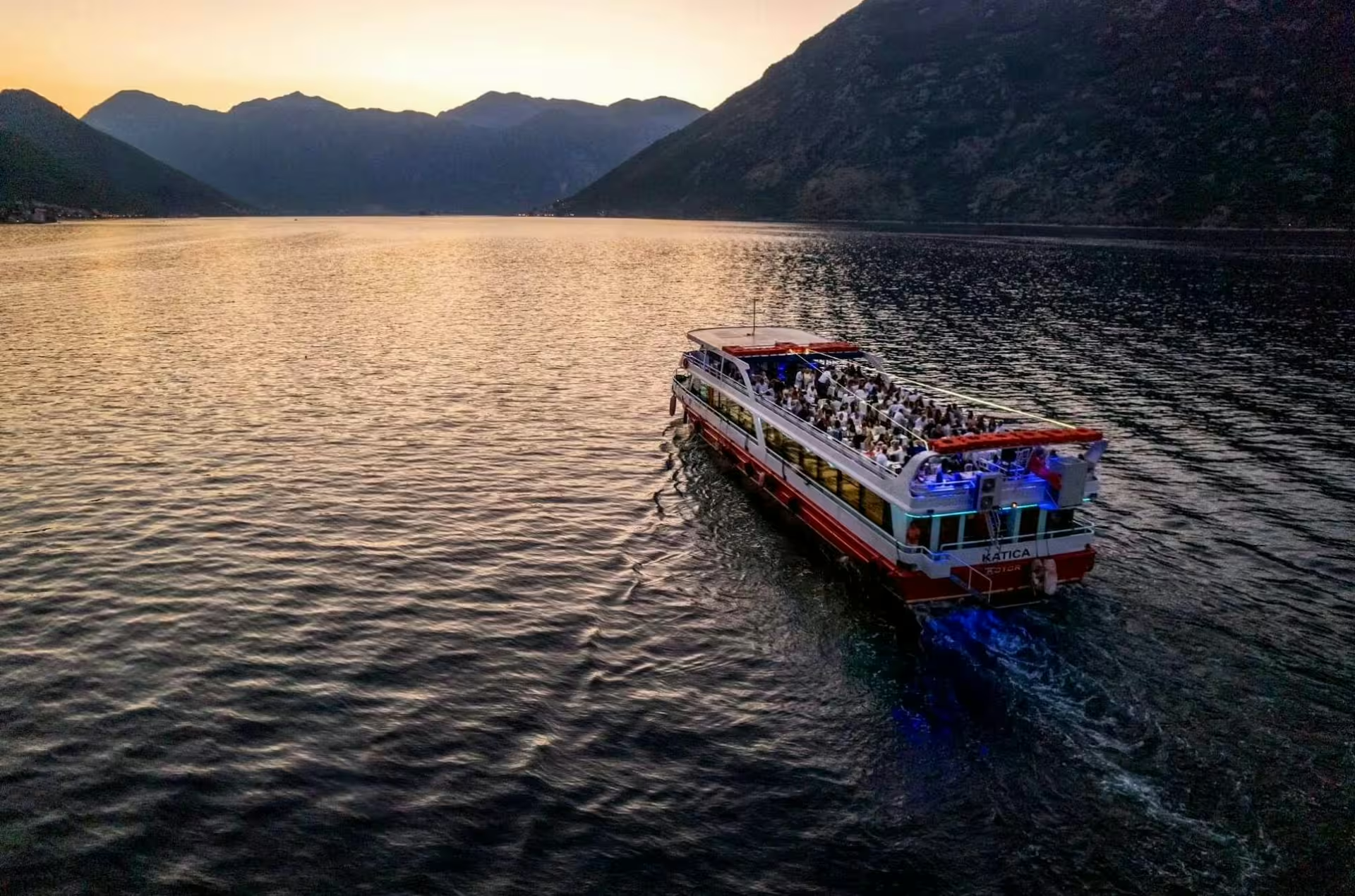
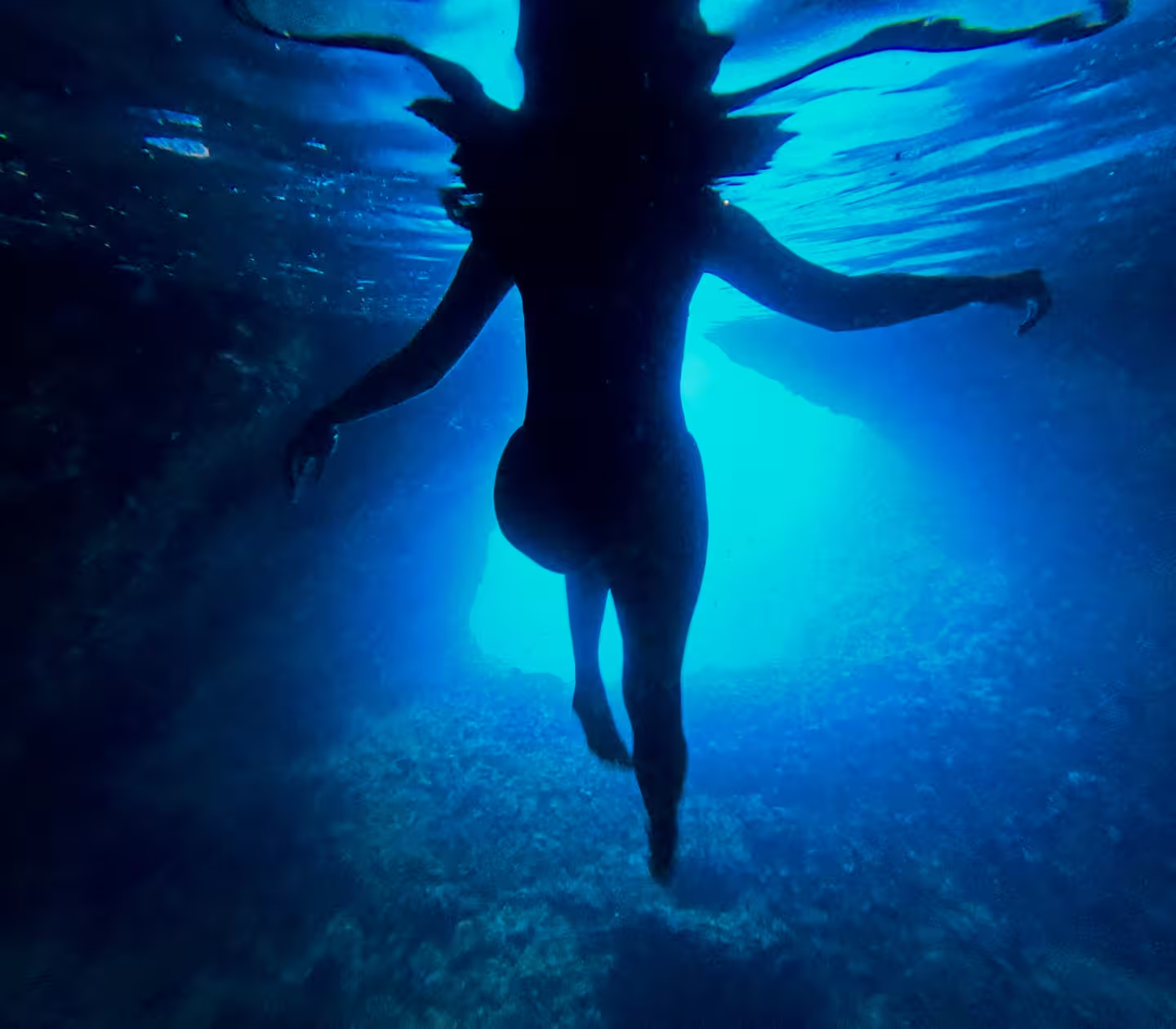
A boat outing is one of the quickest ways to understand the region’s scale, with cliffs, coves, and island silhouettes that look different from the water. Even a shared tour can feel special if it includes swimming stops and time off the main routes. Practical tip, pack a dry bag and reef-safe sunscreen, plus a light top for wind on the return ride.
Choose one main base, either Split or Dubrovnik, and commit to a tight loop that mixes history and the sea. Start with an early walk through the old town streets and key landmarks while temperatures are lower. Break for a long waterfront lunch, then spend the afternoon on a nearby beach or a short boat ride. End with sunset views, then a relaxed dinner focused on grilled fish and local wine.
Day 1, lean into your city base with a deeper historic walk, a market stop, and an unhurried evening promenade. Day 2, add an island day, such as Hvar or Brač, with a plan that includes one viewpoint, one swim, and one long meal rather than trying to cover multiple towns. Day 3, reserve for a nature contrast, a national park style outing, or a slower island like Vis or Korčula. This rhythm keeps Dalmatia feeling restorative, not rushed.
Grilled fish is the coastal staple, clean flavors, olive oil, and simple seasoning that lets the catch shine. Ordering tip, ask what is fresh today and choose the simplest preparation for the best value.
Black risotto is rich and briny, often colored with squid ink for a deep sea flavor. Ordering tip, pair it with a crisp local white wine if you want a lighter balance.
Octopus salad tends to be bright and refreshing, with citrus, herbs, and olive oil. Ordering tip, it is a strong starter on hot days when you want something light.
Peka is slow-cooked comfort food, typically meat or seafood with potatoes under a bell-like lid, producing tender textures and smoky depth. Ordering tip, ask in advance since it is often prepared over time rather than quickly.
Pašticada is a traditional slow-cooked beef dish with a sweet-savory sauce, hearty and aromatic. Ordering tip, it is a good choice when you want a classic inland-leaning flavor profile on the coast.
Local olive oil shows up everywhere, peppery, grassy, and central to the table. Ordering tip, if a restaurant offers a tasting or house oil, try it with bread before the meal to set the tone.
Within old towns, walking is often the most efficient option because historic cores are compact and vehicle access can be limited. Between hubs, ferries are essential for island hopping, so treat sailing times as the backbone of your plan and build in buffer time for connections. Buses and private transfers can link coastal towns, while ride-hailing and taxis may help for short hops, especially with luggage. For safety and comfort, wear grippy shoes on polished stone streets, and keep water with you during peak sun hours.
Hvar, a classic day trip for harbor views, swimming breaks, and a stylish waterfront atmosphere. Travel time varies by departure port and ferry type, so check schedules before committing to dinner reservations.
Brač, ideal for a beach-forward day with clear water and an easy reset from city sightseeing. Plan around ferry times and consider staying late enough for softer light.
Vis, best for a slower pace and a more relaxed island feel. Give yourself extra margin for transport and keep the day simple.
Korčula, a strong choice for travelers who want a smaller historic center and an evening stroll vibe. If you can, time your visit to avoid arriving and departing at the same peak ferry windows.
Is Dalmatia better as a road trip or a ferry-based trip?
It often works best as a hybrid, use coastal roads or buses between mainland hubs, then rely on ferries for islands. Build your plan around sailing times so you are not rushed.
How many days do I need for Dalmatia?
Two to three days can cover one major city plus one island day at a comfortable pace. Add more time if you want slower islands like Vis or a nature day.
What is the best time of day to explore old towns?
Early morning and early evening are usually more comfortable for walking and photos. Midday is better reserved for the beach, shade, and long lunches.
Do I need cash in Dalmatia?
Cards are widely used in cities and many restaurants, but cash is still handy for small purchases and some island services. Carry a small amount so you are not stuck searching for an ATM.
What should I pack for a Dalmatia itinerary with islands?
Bring swim gear, sun protection, and shoes that grip on stone streets. A light layer and a dry bag are useful for boat days.