Explore Tours


Build your dream
experience

More to know about Antalya
Antalya Travel Guide
Sunlit promenades, Roman era streetscapes, and a coastline that flips from city beaches to pine backed coves make this Mediterranean hub an easy yes for culture lovers and sea seekers alike. Use this guide to plan a smooth first trip, choose the right base, and build days around old town sights, waterfalls, and ancient ruins. You will also find practical transport tips and smart timing advice to help you avoid the worst crowds and heat.
Snapshot
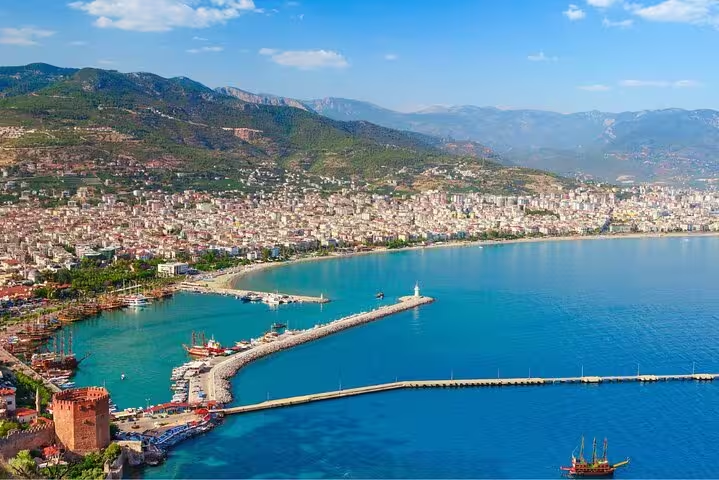
Antalya blends a resort coast vibe with a lived in city rhythm: café terraces, marina views, and historic lanes that still feel local once the day trippers leave. Visit now for long shoulder seasons, strong flight connections, and a mix of beach time and archaeology without constant packing and unpacking. It is a destination where you can swim before lunch, tour ruins in the afternoon, and end the day with sunset over the Taurus Mountains.
🗺️ Geography and Logistics
📍 Orientation:
This city sits on Turkey’s southwest Mediterranean coast within Antalya Province, backed by the Taurus range and fronted by a wide bay. The main gateway is Antalya Airport (AYT), with frequent domestic links and seasonal international routes. Intercity coaches also connect from major hubs like Istanbul, Ankara, and Izmir via the central otogar, which is useful if you are combining the coast with an inland route.
🕒 When to Go:
Late spring and early autumn are the sweet spots for comfortable sightseeing, warm sea temperatures, and fewer tour groups. Summer brings peak beach energy and nightlife, plus the highest heat and humidity, so plan early mornings for ruins and museums. Winter is mild compared with inland Turkey, often good for city breaks, food, and lower hotel rates, though swimming is less appealing and some sea tours run less frequently.
💰 Budget and Currency:
Turkey uses the Turkish lira, and prices can vary quickly, so check current rates before you go. Cards are widely accepted in hotels, larger restaurants, and malls, but carrying some cash helps for local buses, small cafés, and market shopping. For better value, eat where locals eat in residential districts, and treat the marina area as a scenic splurge zone rather than your default for every meal.
⭐ Essential Things to Do
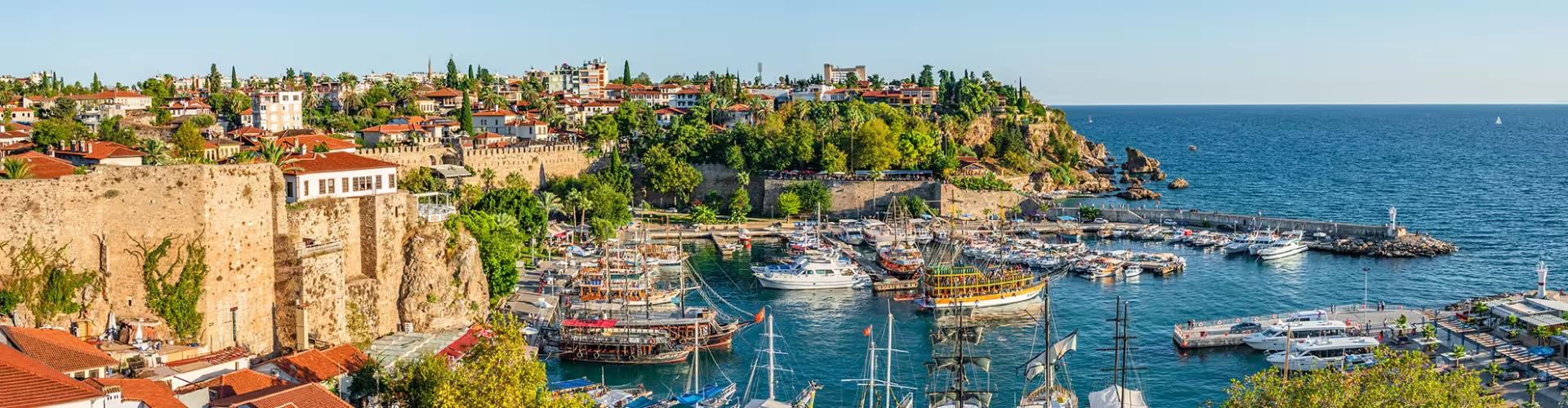
Explore Kaleiçi (Old Town) and the harbor
Walled lanes, Ottoman era houses, and a compact marina create the city’s most atmospheric quarter. It is the best place for an evening stroll when cruise crowds thin out and the lights come on. Practical tip: go early morning for photos, then return at dusk for dinner and a calmer vibe.
Walk through Hadrian’s Gate and the historic core
This Roman triumphal arch is a quick, high impact stop that anchors the transition from modern boulevards to older streets. It is also an easy orientation point when you are navigating between tram stops and the old quarter. Practical tip: pair it with a self guided loop that ends at the harbor for sea views.
Ride the Düden Waterfalls viewpoint route
The city’s waterfall parks offer a refreshing break from heat and a change of scenery from beaches and stone streets. Upper Düden feels more like a shaded garden escape, while the lower falls meet the sea dramatically. Practical tip: visit in late afternoon for softer light and combine it with a coastal walk.
Beach time on Konyaaltı or Lara
These are the two classic urban beach zones: one backed by mountains and promenades, the other known for long sandy stretches and resort facilities. They are ideal for a low effort day when you want swimming without leaving town. Practical tip: bring water shoes for pebbly sections and aim for weekday mornings in peak season.
Take a boat tour from Antalya along the coast
Seeing the cliffs and bays from the water adds a completely different perspective and is one of the easiest ways to mix sightseeing with swimming stops. Options range from short cruises to full day trips with multiple coves. Practical tip: book ahead in July and August, and choose a smaller group for a quieter experience.
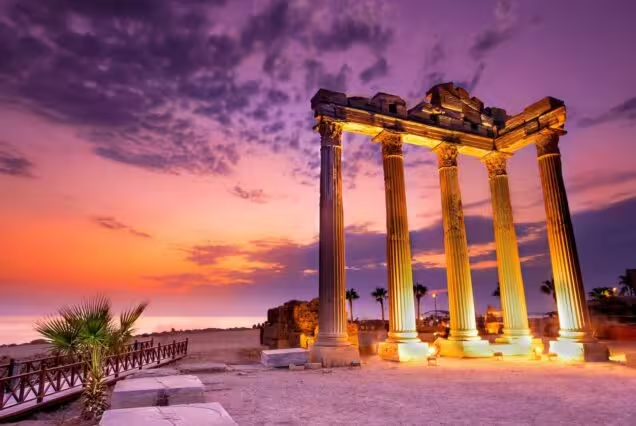
Day trip to Perge, Aspendos, and Side
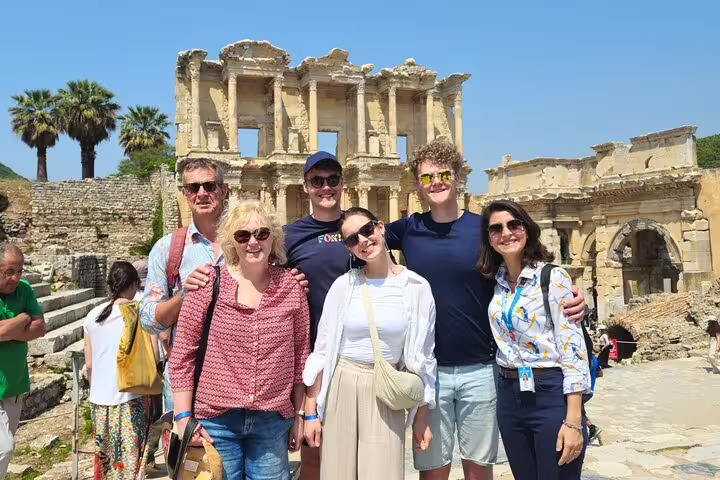
This trio is a standout for anyone interested in Roman era city planning, theaters, and coastal ruins. Perge offers grand colonnaded streets, Aspendos is famous for its remarkably preserved theater, and Side adds seaside atmosphere. Practical tip: start early to beat heat and tour bus peaks, and wear shoes with grip for uneven stone.
Shop the bazaars and modern malls for a local contrast
Markets are great for spices, sweets, textiles, and everyday street life, while malls offer air conditioned relief and predictable pricing. This mix helps you see both the traditional and contemporary sides of the region. Practical tip: in bazaars, ask for the price first, and keep small notes for easier payment.
Join Antalya sightseeing tours focused on history or food
A guided route helps connect the dots between Roman remains, Seljuk influences, and the modern resort boom. Food focused walks are especially useful for decoding menus and learning what to order beyond the basics. Practical tip: choose tours that start early or late to avoid midday heat, and confirm the walking intensity.
🚶 Curated Itineraries
⏰ The Highlights (1 Day):
Start with a morning loop through Kaleiçi, including Hadrian’s Gate and the harbor. Take a lunch break with sea views, then head to a waterfall park for a cooler afternoon. Finish with a golden hour promenade walk and dinner in the old town, then add a short evening cruise vibe at the marina if you still have energy.
⏰ Deep Dive (2 to 3 Days):
Day 1: old town orientation, museum time if you prefer curated context, and a sunset viewpoint. Day 2: beach morning on Konyaaltı or Lara, then a coastal boat tour from Antalya with swim stops. Day 3: commit to archaeology with Perge, Aspendos, and Side, then return for a relaxed late dinner away from the busiest tourist streets.
🍽️ Flavors of Antalya
Piyaz (local style bean salad)
Creamy, tangy, and often richer than you expect, this version is a regional favorite. Ordering tip: ask if it is “Antalya usulü” to get the local preparation.
Şiş kebab and grilled meats
Charcoal grilled skewers are smoky, savory, and easy to pair with salads and flatbread. Ordering tip: request a mixed grill if you want variety without over ordering.
Gözleme
Thin griddled flatbread stuffed with cheese, spinach, or minced meat, crisp at the edges and comforting. Ordering tip: ask for it freshly made, and pair with ayran for a classic combo.
Fresh seafood by the marina
Expect simply grilled fish, calamari, and meze plates designed for slow dining. Ordering tip: confirm whether prices are by weight before you choose fish from a display.
Meze spreads
Small plates like eggplant dips, yogurt based salads, and herb forward bites make meals feel social and varied. Ordering tip: start with two or three meze and add more only if you are still hungry.
Baklava and syrupy desserts
Sweet, nutty, and intensely aromatic, perfect with strong tea or coffee. Ordering tip: buy from a busy pastry shop for fresher trays and better texture.
🚌 Navigation and Transport
The historic core is best on foot, especially the narrow lanes of Kaleiçi, where driving is inconvenient and parking is limited. Trams and city buses cover key corridors and are useful for reaching beach areas and shopping zones without dealing with traffic. Taxis and ride hailing options can be practical in the heat, but confirm the route or approximate fare, and keep small cash for short rides.
For day trips to ruins and nearby coastal towns, organized excursions reduce friction and help with timing, especially in peak season. If you travel independently, plan buffer time for summer traffic and bring sun protection, as many archaeological sites have limited shade. Most central areas feel comfortable for travelers, but take normal city precautions with valuables in crowded markets and on public transport.
🌄 Beyond the Center: Day Trips
Side (about 1 to 1.5 hours): seaside ruins and an easy mix of beach and archaeology in one place.
Aspendos (about 45 minutes to 1 hour): a must for theater lovers, known for exceptional preservation and scale.
Perge (about 30 minutes): grand ancient streets and stadium remains, ideal for a half day history focus.
Termessos (about 1 hour): dramatic mountain setting and a wilder, less polished ruins experience for hikers.
Olympos and Çıralı (about 1.5 to 2 hours): laid back beaches and nature atmosphere, popular for a slower coastal day.
✅ Insider Tips for Travellers
- In peak summer, schedule ruins, museums, and walking tours for early morning, then save beach time for late afternoon.
- Bring reef safe sunscreen, a hat, and a refillable water bottle, shade can be limited at archaeological sites.
- For bazaars, compare prices at two stalls before buying, and keep the tone friendly, polite bargaining is normal.
- If you want a quieter old town experience, stay just outside the busiest lanes and walk in for evenings.
- On boat trips, ask about music volume and group size if you prefer a relaxed cruise rather than a party vibe.
- Wear grippy shoes for stone streets and ruins, polished surfaces can be slippery, especially after cleaning or light rain.
- Keep a light layer for breezy evenings by the marina, even when daytime temperatures are high.
❓ Frequently Asked Questions
How many days do I need?
Two to three days covers the old town, a beach session, and at least one major day trip. Add an extra day if you want a slower pace or multiple boat and nature outings.
Is Antalya better for beaches or history?
It is one of the rare places where you do not have to choose, beaches and Roman era sites fit easily into the same itinerary. Plan beach time around the hottest hours and schedule ruins for mornings.
What is the easiest way to get around without a car?
Use walking for the historic quarter, then rely on trams and buses for longer hops like beaches and malls. For day trips, guided excursions are the most straightforward because they handle timing and transfers.
When is the best time to visit for comfortable weather?
Late spring and early autumn usually offer the best balance of warmth and manageable crowds. Summer is great for swimming, but plan for high heat and book popular tours earlier.
Are day trips to Side and Aspendos worth it?
Yes, especially if you want iconic Roman era architecture and a change of scenery from the city coast. Going early helps you avoid the busiest tour windows and stronger midday sun.
Set on Turkey’s Mediterranean coast in Antalya Province, this guide focuses on the city, its historic core, coastal districts, and easy day trips to major archaeological sites. This guide was curated by Toursxplorer.com to help travelers navigate this destination with confidence.
Destination Guide, City Break, Mediterranean Coast, Turkey, Culture and Beaches, Day Trips