Explore Tours

Build your dream
experience

More to know about Eceabat
Eceabat Travel Guide
Snapshot
Eceabat is a small but historically significant town on the European shore of the Dardanelles strait in northwestern Turkey. It serves as the primary gateway for travelers visiting the Gallipoli Peninsula battlefields and memorials, drawing visitors from around the world, particularly from Australia, New Zealand, and the United Kingdom. Despite its modest size, the town carries an immense weight of history and offers a quietly moving experience for those who come to pay their respects.
Geography and Logistics
Orientation
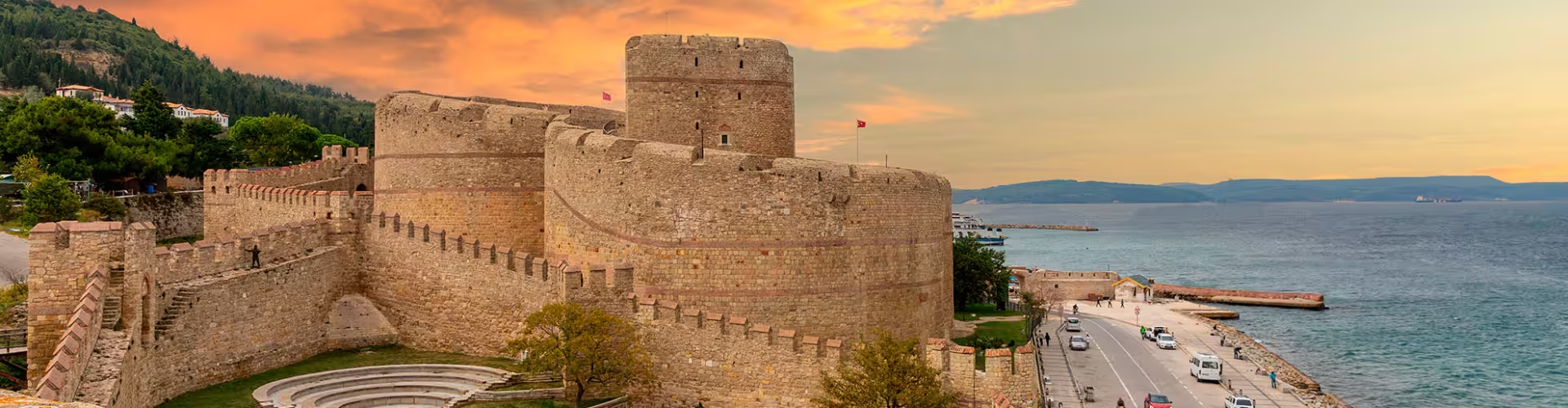
Eceabat sits directly across the strait from Canakkale, connected by a short ferry crossing of roughly 25 minutes. The town itself is compact and walkable, with most services clustered along the main waterfront road. The Gallipoli battlefields and memorials spread across the peninsula to the north and west, best explored by guided tour or rental vehicle.
When to Go
Spring, particularly April and May, is the most visited period due to Anzac Day commemorations on April 25. The weather is mild and the landscape is green and atmospheric. Summer brings warmer temperatures ideal for coastal exploration, while autumn offers quieter crowds and pleasant conditions. Winter is very quiet but ferry services continue year-round.
Budget and Currency
Turkey uses the Turkish Lira (TRY). Eceabat is an affordable destination by international standards, with budget accommodation and meals widely available. Most transactions are cash-based in smaller establishments, so carrying local currency is advisable. ATMs are available in town but limited in number.
Essential Things to Do
Gallipoli Peninsula Historical National Park
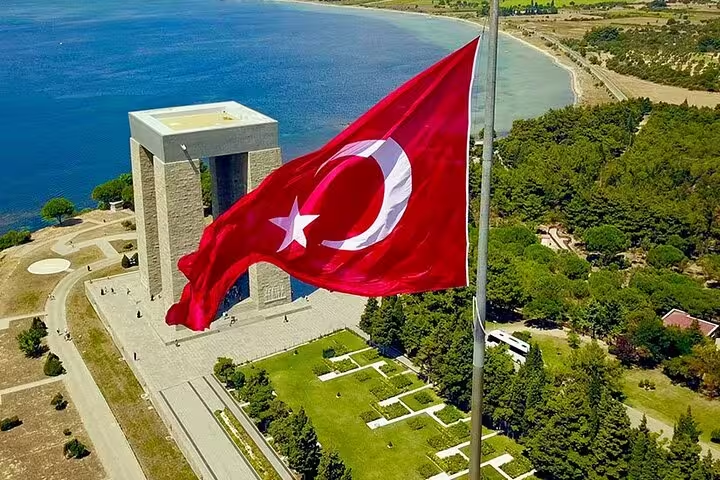
The central reason most visitors come to the region, this vast national park encompasses dozens of cemeteries, memorials, and preserved battlefield sites. Walking through these grounds offers a profound connection to one of the most significant military campaigns of the First World War. The sheer scale and careful preservation of the area are deeply impressive. Practical Tip: Hire a licensed guide or join an organized tour to gain full historical context, as signage alone cannot convey the depth of the stories.
Anzac Cove
This narrow beach is perhaps the most emotionally resonant site on the peninsula, where Allied troops landed in the early hours of April 25, 1915. Standing on the shore and looking up at the ridgelines makes the challenges faced by soldiers immediately and viscerally apparent. The cove is accessible by road and is a mandatory stop on any battlefield itinerary. Practical Tip: Visit early in the morning for a quieter, more reflective experience before tour groups arrive.
Chunuk Bair Memorial
Located at one of the highest points on the peninsula, this New Zealand memorial marks a critical position fought over during the August Offensive. The views across the strait and surrounding hills are remarkable, adding a geographical dimension to understanding the battle. A large statue of Mustafa Kemal Ataturk stands nearby, underscoring the Turkish national significance of this ground. Practical Tip: Wear comfortable shoes as the terrain around the memorial involves uneven paths.
Lone Pine Cemetery and Memorial
One of the most visited and emotionally charged sites on the peninsula, Lone Pine commemorates Australian soldiers and bears the names of thousands with no known grave. The single pine tree growing in the cemetery carries powerful symbolism. It is a place that inspires quiet reflection and genuine contemplation of sacrifice. Practical Tip: Allow extra time here, as many visitors find themselves staying far longer than planned.
Turkish 57th Regiment Memorial
This memorial honors Turkish soldiers who died defending their homeland during the same campaign. It offers an important and often overlooked counterpoint to the Allied-focused narrative that dominates many tours. The site includes a moving inscription famously attributed to Ataturk speaking of fallen Allied soldiers as sons of Turkey. Practical Tip: Reading the full inscription is essential for understanding the spirit of reconciliation that defines modern remembrance here.
Kabatepe Museum
This small but well-curated museum near the coast displays artifacts recovered from the battlefields, including weapons, personal items, and documents from both sides of the conflict. It provides essential historical grounding before or after visiting the outdoor sites. The exhibits are presented respectfully and with genuine care. Practical Tip: Visit the museum first if you are new to Gallipoli history, as it provides excellent orientation.
Ferry Crossing to Canakkale
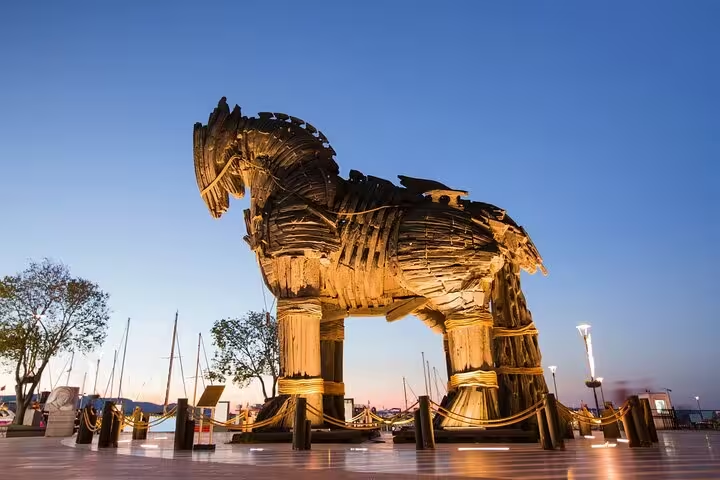
The short ferry ride across the Dardanelles is itself a worthwhile experience, offering views of the strait that played such a decisive role in the 1915 naval campaign. Canakkale on the opposite shore has additional museums, restaurants, and the famous replica Trojan Horse. The crossing runs frequently throughout the day and is inexpensive. Practical Tip: Sunset crossings offer spectacular light over the water and are highly recommended.
Curated Itineraries
The Highlights (1 Day)
Begin with a morning visit to the Kabatepe Museum for historical context, then proceed to Anzac Cove before the midday crowds arrive. Continue to Lone Pine Cemetery for a reflective midday stop, followed by Chunuk Bair for panoramic views in the afternoon. Return to town for a waterfront dinner and an evening ferry crossing to Canakkale if time allows.
Deep Dive (2 to 3 Days)
Day one focuses on the southern battlefields and coastal sites, including Anzac Cove, Brighton Beach, and the Kabatepe Museum. Day two covers the ridge and highland memorials, including Lone Pine, Chunuk Bair, and the Turkish memorials with a licensed guide. Day three can be dedicated to Canakkale, visiting the Naval Museum, the city's historic quarter, and the ancient site of Troy, approximately 30 kilometers to the south.
Flavors of Eceabat
Balik Ekmek is a grilled fish sandwich served fresh from roadside stalls or small cafes along the waterfront. It is simple, satisfying, and quintessentially Turkish coastal food. Order with extra lemon for the full experience.
Meze Platters are a staple of any sit-down meal, offering small dishes of hummus, stuffed vine leaves, grilled vegetables, and white cheese. They are ideal for sharing and provide a broad introduction to Turkish flavors. Most local restaurants include a generous meze spread before the main course.
Lamb Kebab in various forms is widely available and expertly prepared at local restaurants. The quality of lamb in this region is notably high due to local farming traditions. Ask for the daily preparation as it often varies by establishment.
Gozleme is a thin, pan-cooked flatbread filled with cheese, spinach, or minced meat, available at small family-run spots. It makes an excellent light lunch between battlefield visits. It is best eaten hot directly from the griddle.
Turkish Tea and Coffee are central to any social or rest stop. Strong black tea served in small tulip-shaped glasses is offered almost everywhere and is usually complimentary with meals or while browsing shops. Turkish coffee is thick, rich, and traditionally served with a small sweet on the side.
Lokum (Turkish delight) in rosewater or pistachio varieties is widely sold as a local gift and snack. It makes an excellent souvenir and is far superior in quality to exported versions. Sample before purchasing from any of the small shops near the ferry terminal.
Navigation and Transport
The main access point to Eceabat is via ferry from Canakkale, which operates throughout the day and into the evening. Long-distance buses connect Canakkale to major Turkish cities including Istanbul, and passengers then take the ferry across. Within the Gallipoli Peninsula, a private tour vehicle or rental car is strongly recommended as public transport to the battlefields is extremely limited. Local taxis and minibus tours are available from the town center for those without their own vehicle.
Beyond the Center: Day Trips
Canakkale is the obvious first day trip, offering the Canakkale Naval Museum, the replica Trojan Horse, a vibrant waterfront promenade, and excellent restaurants. It is just a short ferry ride away and easily explored in half a day or a full day. The city has a lively student population that gives it an energetic atmosphere distinct from the quieter tone of Eceabat.
Troy (Truva) lies approximately 30 kilometers south of Canakkale and represents one of the most famous archaeological sites in the world. The excavated ruins span multiple historical periods and include the remains of the legendary city immortalized in Homer's Iliad. A dedicated museum opened in 2018 dramatically enhances the visitor experience with well-presented artifacts and exhibits.
Gelibolu (Gallipoli Town) further up the peninsula offers a charming Ottoman-era lighthouse, a small history museum, and a relaxed fishing harbor atmosphere. It is far less visited than the battlefield zone and provides a pleasant contrast to the solemnity of the memorials. The drive along the peninsula road is scenic in its own right.
Insider Tips for Travellers
- Book accommodation well in advance if visiting around April 25, as Anzac Day draws very large crowds and rooms fill months ahead.
- Dress respectfully when visiting cemeteries and memorials, as these are active places of mourning and remembrance for many visitors.
- Carry cash in Turkish Lira as card acceptance is inconsistent at smaller cafes, stalls, and local tour operators.
- Guided tours are genuinely worth the cost at Gallipoli, as the landscape alone does not communicate the full military and human story without expert narration.
- The ferry schedule from Canakkale to Eceabat runs until late evening but can be crowded during peak travel periods, so plan crossings with buffer time.
- Sunscreen and comfortable walking shoes are essential for battlefield visits, as many sites involve extended outdoor walking with minimal shade.
- Local guesthouses and small hotels often provide better value and a more personal experience than chain options in nearby Canakkale.
Frequently Asked Questions
How do I get to Eceabat from Istanbul?
The most common route is by long-distance bus to Canakkale, followed by the short ferry crossing to Eceabat. The bus journey from Istanbul takes approximately four to five hours. Some travelers also drive, taking the ferry across the Dardanelles.
Is Eceabat worth visiting beyond Anzac Day?
Eceabat and the Gallipoli Peninsula are moving and meaningful at any time of year. Outside of Anzac Day, the sites are quieter and allow for more personal reflection. Spring and autumn offer the most comfortable weather for outdoor exploration.
Do I need a guide to visit the Gallipoli battlefields?
A guide is not mandatory but is strongly recommended. The battlefield sites cover a large area and the historical context is complex and layered. Licensed guides bring the stories to life in ways that self-guided visits cannot fully replicate.
What currency is used and are there ATMs in Eceabat?
Turkey uses the Turkish Lira. There are ATMs available in town, but the selection is limited. It is advisable to withdraw sufficient cash in Canakkale before crossing on the ferry, particularly if you plan to hire a local guide or visit smaller establishments.
How long should I plan to spend in Eceabat?
Eceabat itself can be explored in an evening, but the surrounding peninsula warrants at least two full days. Those with a deep interest in First World War history may find three days allows for a thorough and unhurried experience of all the major sites and memorials.
Eceabat is a small town located on the European shore of the Dardanelles strait in the Canakkale Province of northwestern Turkey. It lies directly opposite the city of Canakkale and serves as the primary access point to the Gallipoli Peninsula Historical National Park. The town is situated within a region of profound military and cultural significance, drawing international visitors commemorating the First World War Gallipoli Campaign of 1915. The surrounding peninsula features coastal terrain, forested ridgelines, and preserved battlefield landscapes extending northward from the town center.
Historical Destination, WWI Memorial, Dardanelles Gateway, Gallipoli Peninsula, Cultural Heritage, Turkey Travel