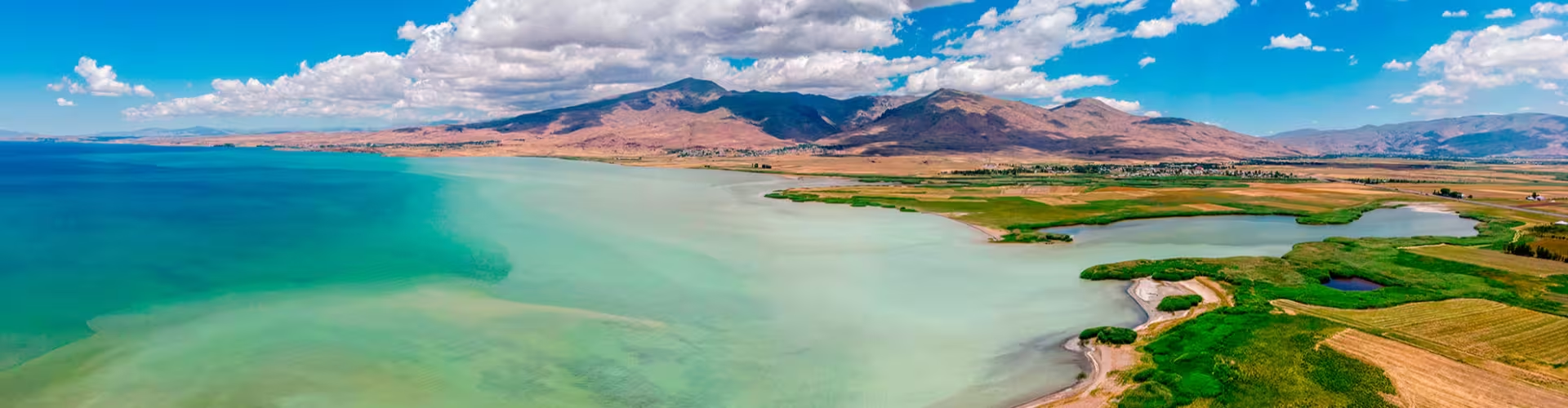
Van Province is a destination defined by big-sky landscapes, deep history, and a lakeside rhythm that feels both energizing and unhurried. Travelers come for the striking natural setting around Lake Van, then stay for the layered heritage that connects ancient civilizations, medieval architecture, and living local traditions. This guide focuses on practical decisions, what to prioritize, how to plan your time, and how to experience Van Province with confidence.
Van Province blends dramatic water and mountain scenery with a strong sense of place, where daily life still feels closely tied to the lake and the high plateau. The signature vibe is outdoorsy and cultural at once, you can pair viewpoints and shoreline walks with immersive heritage stops in the same day. Go when you want clear views and a calmer pace, and build your plan around daylight, distances, and the experiences you value most.
Van Province sits in Türkiye’s Eastern Anatolia Region, a high-elevation area known for wide horizons, strong seasonal shifts, and long travel distances between major cities. The provincial center is Van, which functions as the primary base for most travelers thanks to its services, transport links, and access to the lakefront. For arrivals, plan around the main regional airport and intercity bus connections, then expect onward travel by road to reach lake viewpoints, heritage sites, and smaller towns.
Because Eastern Anatolia is elevated, seasons matter. Warmer months generally support lake activities, scenic drives, and longer days for sightseeing, while colder months can bring challenging weather and slower road travel. If you prefer fewer crowds and softer light for photography, shoulder-season timing can be appealing, but you should keep flexibility in your schedule for changing conditions.
Türkiye uses the Turkish Lira, and in Van Province you will find a mix of card-friendly businesses and cash-first situations, especially outside the city center. Carry some cash for small purchases, local eateries, and transport in smaller areas, then use cards where accepted for hotels and larger restaurants. For budgeting, build in extra for transport days, since distances between highlights can be a bigger cost driver than individual attractions.
Van Province rewards travelers who combine lake scenery with heritage stops and local food culture. Use these curated experiences as a flexible checklist, and group nearby stops on the same day to reduce time on the road.
Lake Van shoreline time
Why it matters: Lake Van sets the mood of the region, and the scale of the water against the surrounding terrain is the kind of scenery that recalibrates your sense of distance. It is also an easy way to add breathing space between more intensive sightseeing stops. Practical tip: Aim for early morning or late afternoon for calmer light and more comfortable walking conditions.
Heritage exploration in and around Van
Why it matters: The area’s history spans multiple eras, and you feel that continuity most when you balance a museum style overview with time at atmospheric outdoor sites. This is where Eastern Anatolia Region history becomes tangible, not just a timeline. Practical tip: Keep a small notebook of names and dates you see on-site, it helps you connect the dots across different stops.
Lake viewpoints and photo stops
Why it matters: The lake’s color and the surrounding landforms shift dramatically with weather and sun angle, so viewpoints can feel completely different from one hour to the next. This is one of the simplest ways to make your trip feel cinematic without adding major costs. Practical tip: Pack a light layer even on warm days, lakeside breezes can change quickly.
Local market browsing
Why it matters: Markets are an everyday window into regional habits, seasonal produce, and what locals actually buy. They also help you understand the food culture beyond restaurant menus. Practical tip: Bring small denominations in Turkish Lira and ask before photographing stalls.
Van breakfast culture
Why it matters: Van is widely associated with an abundant breakfast tradition that turns a meal into a social ritual. It is a delicious way to anchor a day of sightseeing, especially if you plan a long drive afterward. Practical tip: Go earlier if you want a quieter experience, and pace yourself so you can still enjoy lunch later.
Lakeside walking and relaxed time
Why it matters: Not every highlight needs to be a major monument. A simple walk by the water is often where you notice local life, families out together, and the way the city relates to the lake. Practical tip: If you are sensitive to sun, bring sunscreen and a hat, the open shoreline can feel intense.
Craft and souvenir shopping with intention
Why it matters: Thoughtful shopping helps you take home a memory that is tied to place, not just a generic item. It also supports local makers and small businesses. Practical tip: Ask what is locally made versus brought in from elsewhere, and compare quality before committing.
Evening city strolls
Why it matters: Evenings can reveal a different side of the destination, with a calmer pace and a more social atmosphere. It is also a good time to identify places you want to return to for food or shopping. Practical tip: Keep your route simple on the first night, then expand once you feel oriented.
Start with a classic Van-style breakfast to set the tone and fuel the day. Spend late morning on a heritage-focused visit in and around Van to ground your trip in the region’s history, then shift to the Lake Van shoreline for a scenic reset. End with a golden-hour viewpoint stop and a relaxed dinner plan, keeping your evening flexible for a lakeside walk.
On day one, focus on the city base, breakfast culture, a heritage stop, and an unhurried shoreline walk to get your bearings. On day two, prioritize a longer loop that combines viewpoints, smaller communities, and market time, this is where Van Province feels less like a checklist and more like a lived-in place. If you have a third day, slow down on purpose, revisit your favorite lake area at a different time of day, and reserve time for shopping and food exploration without rushing.
Food in Van Province is often about abundance, shared tables, and flavors that make sense in a highland environment. Use these tasting ideas to guide your ordering, and ask what is seasonal or most typical that day.
Plan your movement in Van Province around distance and daylight. Van city is workable for short hops and walking in central areas, but many lake and heritage highlights are easier by car, taxi, or organized transport depending on your route. Intercity buses connect the province with other parts of Türkiye, while day-to-day sightseeing often works best when you group stops geographically to reduce backtracking.
For safety and comfort, keep water with you on longer drives and check road conditions in colder periods. If accessibility is a concern, prioritize lakefront areas and central city stops, then add longer excursions only when you have reliable transport and enough time.
Use Van as a base, then add day trips that match your interests. Travel times vary by route and conditions, so build buffer time.
Van city is the most practical base because it concentrates services and makes it easier to reach the lakefront and regional roads. Staying centrally also helps you keep evenings simple and flexible.
One day covers a fast highlights loop, but 2 to 3 days makes the experience feel more balanced. With extra time, you can slow down for markets, viewpoints, and longer shoreline walks across Van Province.
Within central areas, walking and short rides can work well. For lake perimeter stops and more distant viewpoints, you will likely need taxis, hired transport, or a planned tour depending on your comfort level.
Bring layers, a light jacket, and sun protection, especially if you plan to spend time by the lake. Comfortable walking shoes help for uneven ground and longer days.
Carry some cash for markets and small eateries, then use cards where accepted for larger payments. In Van Province, this mix gives you the most flexibility day to day.