Explore Tours


Build your dream
experience
More to know about Erzurum Province
Erzurum Province Travel Guide
Snapshot
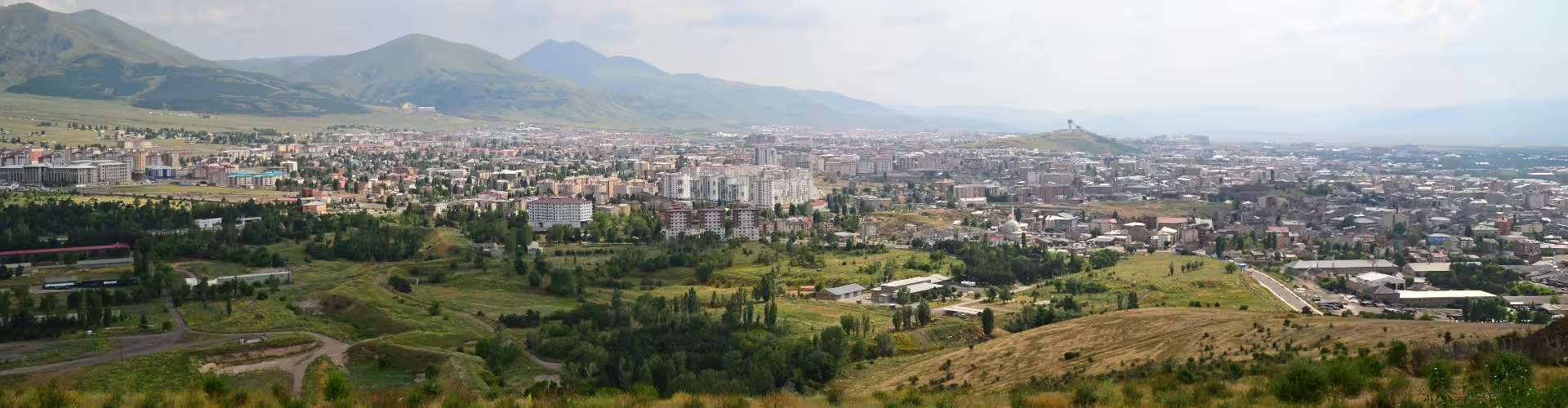
Erzurum Province is one of Turkey's most dramatic and historically layered destinations, sitting high on the northeastern Anatolian plateau at an elevation that shapes its fierce winters and crisp summers. From Seljuk-era citadels to sweeping volcanic landscapes, this region rewards travelers who seek authenticity over crowds. Whether you are drawn by world-class skiing, medieval architecture, or the warmth of eastern Turkish hospitality, Erzurum delivers an experience unlike anywhere else in the country.
Geography and Logistics
Orientation
Erzurum sits in northeastern Turkey at roughly 1,900 meters above sea level, bordered by the Palandoken Mountains to the south and the Kars highlands to the north. The city of Erzurum serves as the provincial capital and is the main gateway for exploring the wider region. Key natural landmarks include Mount Palandoken, the Tortum Valley, and the upper Euphrates (Karasu) River basin. Distances between attractions can be significant, so planning transport in advance is essential.
When to Go
Winter (December to March) is ideal for skiing at Palandoken, with heavy snowfall and excellent piste conditions. Summer (June to September) brings mild temperatures, green highland meadows, and the best conditions for trekking and cultural sightseeing. Spring and autumn are transitional but rewarding, with fewer visitors and dramatic skies. Be aware that winters are extremely cold, often dropping below minus 20 degrees Celsius.
Budget and Currency
Turkey's official currency is the Turkish Lira (TRY). Erzurum is considered a budget-friendly destination by Turkish standards, with affordable accommodation, local restaurants, and transport. Mid-range hotels typically cost between 500 and 1,500 TRY per night. ATMs are widely available in the city center, and card payments are accepted at most hotels and larger restaurants.
Essential Things to Do
Erzurum Citadel (Kale): Standing at the heart of the old city, this fortress dates to the Byzantine era and was later reinforced by the Seljuks and Ottomans. The views from the ramparts stretch across the plateau and toward the surrounding mountains. Inside, a restored clocktower offers an additional vantage point. Practical Tip: Entry is free and the site is most atmospheric at dusk when the stonework glows in the fading light.
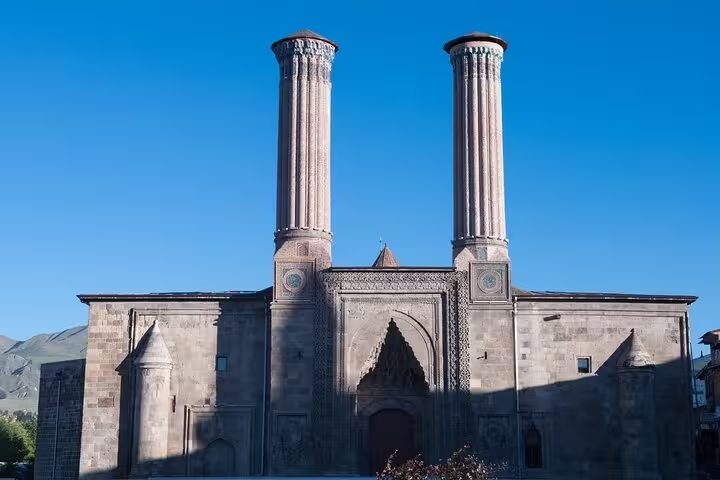
Cifte Minareli Medrese: One of the finest examples of Seljuk architecture in Anatolia, this 13th-century theological college features twin minarets adorned with intricate tilework. The carved stone portal is considered a masterpiece of medieval Islamic art. The interior courtyard houses a small museum. Practical Tip: Arrive in the morning for the best light for photography and to avoid tour groups.
Three Tombs (Uc Kumbetler): These cylindrical Seljuk-era mausoleums stand near the medrese and are among the most recognizable landmarks in the city. Each tomb is distinct in its decorative stonework and architectural style. They provide a quiet, reflective contrast to the busier citadel area. Practical Tip: The site is open-air and accessible at any hour.
Palandoken Ski Resort: Located just five kilometers from the city center, Palandoken is one of Turkey's premier ski destinations, offering over 30 kilometers of runs across multiple difficulty levels. The resort is well-served by modern lifts and has facilities for beginners through to advanced skiers. Off-season, the slopes transform into excellent hiking terrain. Practical Tip: Book accommodation in the resort during peak winter weekends well in advance.
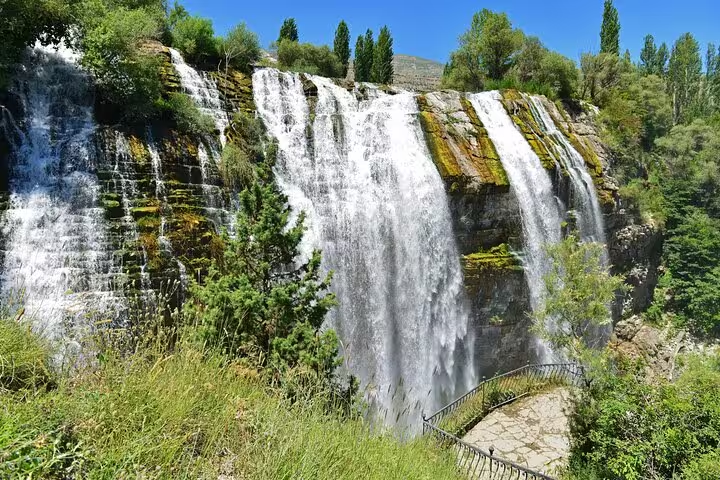
Tortum Waterfall and Lake: Located approximately 100 kilometers north of the city, the Tortum Waterfall is Turkey's largest waterfall, fed by the glacial Tortum Lake above it. The surrounding gorge is visually stunning and the drive through the valley is itself a highlight. Spring is the best season to visit when water flow is at its peak. Practical Tip: Combine this with a visit to the nearby Georgian church ruins at Oshki or Dolishane.
Rustem Pasha Caravanserai: Built in the 16th century under the Ottoman Empire, this restored caravanserai once served merchants traveling the Silk Road routes. Today it functions as a hotel and cultural space, giving visitors a tangible connection to the region's trading history. The architecture blends utility with elegance. Practical Tip: Even if you are not staying here, visit the inner courtyard for a sense of the building's scale.
Erzurum Museum: The city's main archaeological museum houses artifacts spanning from the Bronze Age through to the Ottoman period, providing essential context for the region's layered history. Highlights include Urartian bronzes, Byzantine coins, and Seljuk ceramics. Labeling is in Turkish and English. Practical Tip: Allow at least 90 minutes to do justice to the collection.
Oltu Castle and Surroundings: The district of Oltu, roughly 90 kilometers from the city, is home to a striking hilltop castle perched above a river valley. The surrounding landscape is wild and largely unvisited by foreign tourists. The town is also known for Oltu stone (jet), a black semi-precious mineral used in local jewelry and prayer beads. Practical Tip: Purchase authentic Oltu stone products directly from local artisans rather than tourist shops for better quality and price.
Curated Itineraries
The Highlights (1 Day)
Begin the morning at the Cifte Minareli Medrese and the adjacent Three Tombs, spending time absorbing the Seljuk craftsmanship. Walk to the Erzurum Citadel before noon and climb the clocktower for panoramic views. After lunch at a traditional lokanta in the bazaar district, visit the Erzurum Museum in the afternoon. End the day with a stroll through the old bazaar, looking for Oltu stone jewelry and local handicrafts.
Deep Dive (2 to 3 Days)
On day one, follow the one-day itinerary above. On day two, make an early start for the Tortum Valley, visiting the waterfall and lake, with a detour to one of the Georgian church ruins if time permits. Return to the city for dinner. On day three, head to Palandoken for skiing in winter or hiking in summer, followed by a visit to the Rustem Pasha Caravanserai in the afternoon. Consider attending a local tea house in the evening to experience everyday social life in the province.
Flavors of Erzurum Province
Cag Kebab: Erzurum's most famous culinary export, this horizontally-skewered lamb kebab is cooked over a wood fire and served wrapped in thin lavash bread. Unlike the vertical doner, cag kebab is sliced to order and has a distinctly smoky flavor. Order it at one of the dedicated cag kebabci restaurants clustered near the bazaar.
Kadayif Dolmasi: A uniquely local dessert made from shredded wheat pastry stuffed with walnuts, soaked in syrup, and served with kaymak (clotted cream). It is rich, sweet, and entirely different from versions found elsewhere in Turkey. Ask for it warm at traditional pastry shops.
Erzurum Usulu Testi Kebab: Meat and vegetables slow-cooked inside a sealed clay pot, which is cracked open at the table. The sealed cooking process concentrates the flavors and creates an extraordinarily tender result. This dish is commonly offered at mid-range and upscale restaurants catering to visitors.
Ayran: The cold, salted yogurt drink is the default accompaniment to almost every meal in the region. Erzurum's dairy traditions mean the ayran here is particularly thick and tangy. It is available everywhere and is an excellent palate cleanser after fatty meats.
Eksi Dolma: A sour stuffed dish made with grape leaves or vegetables filled with bulgur wheat and cooked with a tart, yogurt-based sauce. The sourness is intentional and characteristic of the eastern Anatolian kitchen. It is most commonly served as a starter or side dish.
Local Honey and Cheese: The high pastures of the province produce exceptional wildflower honey and aged cheeses. Both are staples of the local breakfast spread and are sold at morning markets. Pair them with freshly baked bread for an authentic regional breakfast experience.
Navigation and Transport
Erzurum Osman Gazi Airport connects the province to Istanbul, Ankara, and other Turkish cities via Turkish Airlines and Pegasus. The intercity bus terminal (otogar) handles long-distance coaches to major cities across Turkey. Within the city, minibuses and taxis are the primary means of getting around. For day trips to Tortum, Oltu, or other districts, renting a car or hiring a private driver is strongly recommended, as public transport to rural areas is infrequent.
Beyond the Center: Day Trips
Tortum Valley and Georgian Ruins: A full-day excursion north of the city takes in the Tortum Waterfall, the lake, and the remarkable medieval Georgian churches of Oshki, Dolishane, and Haho, which date to the 10th and 11th centuries. The combination of natural scenery and medieval Christian architecture is extraordinary. Allow at least seven hours for a comfortable visit.
Kars: Approximately 190 kilometers northeast of Erzurum, the city of Kars is home to the haunting ruins of Ani, a UNESCO World Heritage Site and former capital of the Armenian Bagratid kingdom. Kars itself retains Russian imperial architecture from the 19th century. The journey can be done as an overnight trip for a more relaxed experience.
Artvin Province: The mountainous Artvin region to the northwest is one of Turkey's most scenic highland areas, featuring forested valleys, traditional villages, and the Coruh River. The Savsat and Yusufeli districts are highlights. A car is essential for this excursion.
{{check-circle}} Insider Tips for Travellers
- Pack layers regardless of season. Even summer evenings at this altitude can be cold.
- The bazaar district around the Rustem Pasha Caravanserai is the best area for authentic local shopping. Avoid tourist-facing shops near major monuments for better prices.
- Oltu stone (jet) products make excellent and genuinely local souvenirs. Verify authenticity by checking that the stone feels warm to the touch, unlike plastic imitations.
- Tea (cay) is offered freely in shops and by locals. Accepting it is considered polite and leads to genuine conversation.
- Friday mornings see the largest weekly market activity in the city, bringing producers from surrounding villages into the center.
- If traveling in winter, ensure your vehicle has winter tires and carry an emergency kit, as road conditions outside the city can be severe.
- Most restaurant menus in smaller establishments are in Turkish only. Learning a few food words in Turkish will be very helpful.
Frequently Asked Questions
- What is Erzurum Province best known for?
- Erzurum Province is best known for its Seljuk architecture, winter skiing at Palandoken Resort, and the unique cag kebab culinary tradition. It is also recognized for its role as a major Silk Road waypoint and its significant military and cultural history in Anatolia.
- Is Erzurum suitable for summer travel?
- Yes, summer is an excellent time to visit. Temperatures are mild and comfortable, highland meadows are at their greenest, and the region's archaeological sites and natural landscapes are fully accessible without winter road hazards.
- How do I get to Erzurum from Istanbul?
- The most convenient option is a direct flight from Istanbul to Erzurum Osman Gazi Airport, which takes approximately two hours. Overnight bus services are also available but take around 18 to 20 hours.
- What are the top natural attractions near the city?
- The Tortum Waterfall and Tortum Lake are the most dramatic natural attractions within a day-trip distance. The Palandoken Mountains, the upper Euphrates valley, and the highland pastures of the Tortum and Oltu districts are also exceptional.
- Is Erzurum Province safe for tourists?
- The province is considered safe for tourists. The local population is known for its hospitality toward visitors. Standard travel precautions apply, and it is advisable to check current travel advisories from your home country before departing.
Erzurum Province is located in northeastern Turkey on the high Anatolian plateau at approximately 1,900 meters above sea level. It borders Georgia and Armenia to the northeast and is surrounded by volcanic mountain ranges including the Palandoken Mountains. The province is a historically significant crossroads of Byzantine, Seljuk, Ottoman, and Silk Road civilizations. Its extreme continental climate, dramatic landscapes, and well-preserved medieval monuments make it a distinctive destination within Turkey. The city of Erzurum serves as the administrative, cultural, and transport hub of the wider region.
Cultural Heritage, Winter Sports, Natural Landscapes, Eastern Turkey, Seljuk Architecture, Silk Road, Highland Tourism