

Build your dream
experience

More to know about Trabzon
Trabzon Travel Guide
Snapshot
Trabzon is one of Turkey's most compelling destinations, perched along the eastern Black Sea coast where forested mountains plunge dramatically toward the water. This ancient port city blends Byzantine heritage, Ottoman architecture, and lush highland scenery into an experience unlike anywhere else in the country. Whether you are drawn by history, nature, or gastronomy, Trabzon rewards every kind of traveler.
Geography and Logistics
Orientation
Trabzon sits on a narrow coastal strip in northeastern Turkey, flanked by the Black Sea to the north and the Pontic Mountains to the south. The city center is compact and walkable, anchored by Meydan Park and the historic bazaar district. Most attractions radiate outward from this core, with highland destinations requiring a short drive inland.
When to Go
Late spring (May to June) and early autumn (September to October) offer the most pleasant conditions, with mild temperatures and fewer crowds. Summer brings humidity but also lush green landscapes and active highland festivals. Winter can be wet and foggy on the coast but brings snowfall to the mountains, appealing to those seeking a quieter, atmospheric visit.
Budget and Currency
Turkey uses the Turkish Lira (TRY). Trabzon is generally affordable compared to Istanbul or Ankara, with budget travelers able to manage comfortably on moderate daily expenditure. Mid-range hotels, local restaurants, and public transport all offer excellent value. ATMs are widely available in the city center and at the airport.
Essential Things to Do
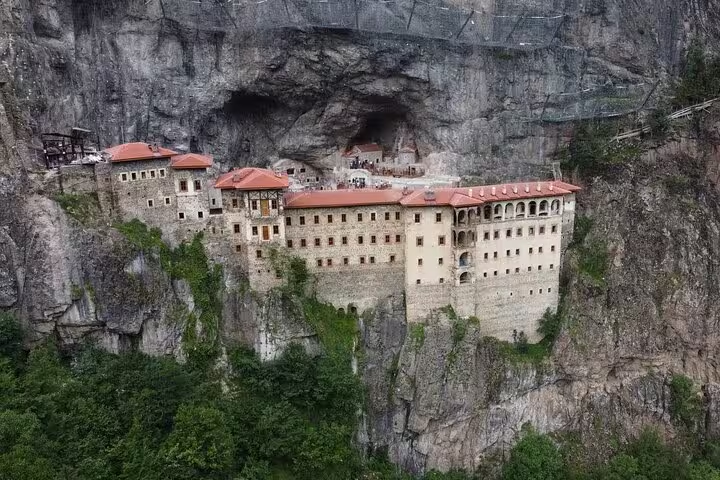
Sumela Monastery: Carved into a sheer cliff face 1,300 meters above sea level in the Altindere Valley, this extraordinary Byzantine monastery is the defining sight of the region. Founded in the 4th century, it served as a major spiritual and cultural center for over a thousand years. The frescoes inside the rock chapel are vivid and remarkably preserved. Practical Tip: Arrive early to beat tour groups and wear comfortable shoes for the uphill trail.
Hagia Sophia of Trabzon: Not to be confused with its Istanbul counterpart, this 13th-century Byzantine church is one of the finest examples of Pontic architecture surviving today. It functioned as a mosque during the Ottoman period and is now a museum and active mosque. The interior frescoes, though partially damaged, are historically significant. Practical Tip: Bring a headscarf and remove shoes before entering, as is customary.
Trabzon Bazaar District: The old market area around Kemeralti and the covered bazaar is a sensory delight of spices, local cheese, dried fruits, and handcrafted goods. Wander through narrow lanes and sample regional produce directly from vendors. The atmosphere is authentic and unhurried compared to more tourist-heavy markets elsewhere in Turkey. Practical Tip: Visit on a weekday morning for the most local experience and freshest produce.
Ataturk Pavilion (Ataturk Kosku): This elegant early 20th-century villa set in manicured gardens was used by Mustafa Kemal Ataturk during his visits to the city. The interior is preserved with period furnishings and personal artifacts. The views from the terrace over the Black Sea are outstanding. Practical Tip: Combine this visit with a walk along the nearby coastal promenade.
Uzungol: A glacial lake nestled in a pine-forested valley about 99 kilometers from the city, Uzungol is among the most photographed landscapes in Turkey. The surrounding highlands are ideal for walking, and small wooden guesthouses offer overnight stays. The reflections of the mountains on the lake surface are particularly stunning in the morning. Practical Tip: Go mid-week to avoid weekend crowds from Trabzon and nearby cities.
Zagnos Valley and Bridge: This restored Ottoman bridge and valley park in the heart of the city offer a peaceful green escape. The valley has been developed into a pleasant walking area with cafes and scenic lookouts. It is an ideal spot for an evening stroll after exploring the bazaar. Practical Tip: The bridge is especially atmospheric at dusk when it is softly lit.
Boztepe Hill: Rising above the city, Boztepe is the most popular viewpoint for panoramas of the coastline, port, and rooftops. Tea gardens and small cafes line the summit, making it a favorite gathering spot for locals. The walk up through residential neighborhoods is part of the charm. Practical Tip: Visit at sunset for golden-hour light over the Black Sea.
Curated Itineraries
The Highlights (1 Day)
Begin your morning at the Hagia Sophia, then walk to the nearby bazaar for a local breakfast of cornbread and butter alongside tea. Spend the late morning at Ataturk Pavilion before heading to Boztepe Hill for lunch with a view. In the afternoon, descend to Zagnos Valley for a relaxed walk, and close the day at a seafood restaurant along the waterfront.
Deep Dive (2 to 3 Days)
On day two, dedicate the full day to Sumela Monastery, allowing time for the hike and a picnic in the Altindere Valley. On day three, make the scenic drive to Uzungol, stopping at highland villages along the route. Spend a night at a local guesthouse near the lake for an immersive experience before returning to the city.
Flavors of Trabzon
Mısır Ekmeği (Cornbread): The Black Sea region is famous for its dense, golden cornbread, best enjoyed warm with local butter and white cheese. Find it at any traditional bakery or bazaar stall. It is served at nearly every breakfast table in the city.
Hamsili Pilav: Anchovies layered with seasoned rice and baked until golden, this dish is a cornerstone of Black Sea cuisine. It is hearty, aromatic, and deeply comforting. Order it at a local lokanta (canteen-style restaurant) for an authentic preparation.
Karalahana Corbasi: A warming soup made from black cabbage, this is a staple of the highland diet and widely available across the city. It is rich, earthy, and surprisingly filling. Ask for it as a starter at any traditional restaurant.
Akçaabat Köftesi: These hand-rolled meatballs from the nearby district of Akçaabat are renowned across Turkey for their seasoning and texture. Grilled simply and served with bread, they are a must-try. Several dedicated köfte restaurants near the city center specialize in this dish.
Laz Böreği: A sweet custard pastry unique to the Black Sea region, Laz Böreği is flaky, rich, and mildly flavored with vanilla. Pick it up at any pastry shop in the bazaar area. It pairs perfectly with a glass of Turkish tea.
Black Sea Tea: The hills around the city and the broader region produce some of Turkey's finest tea. Served in tulip-shaped glasses, it is strong, amber-colored, and taken without milk. Sipping tea at Boztepe or Uzungol is an experience in itself.
Navigation and Transport
Trabzon Airport is well-connected to Istanbul, Ankara, and several European cities, making arrival straightforward. Within the city, minibuses (dolmus) are the primary mode of local transport and are cheap and frequent. Taxis are metered and widely available, though negotiating for longer trips to highland areas is common. Renting a car is strongly recommended for independent exploration of Sumela, Uzungol, and surrounding mountain villages.
Beyond the Center: Day Trips
Rize: Just 75 kilometers west along the coast, Rize is the heart of Turkey's tea-growing region. Visit the terraced tea gardens, the Rize Castle, and the Zip Line attraction for a contrasting half-day experience. The drive along the coastal road is scenic and straightforward.
Ayder Plateau: A highland thermal resort in the Kackar Mountains, Ayder is beloved for its wooden chalets, hot springs, and trekking trails. The drive through fog-draped forests and waterfalls is spectacular. It is best visited as an overnight trip to fully absorb the mountain atmosphere.
Sera Lake: A small but picturesque natural lake formed by a landslide, located just 19 kilometers from the city center. The surrounding parkland is well maintained and popular with families. It makes an easy and relaxing half-day escape from the urban environment.
Insider Tips for Travellers
- Learn a few words of Turkish. Locals in the eastern Black Sea region are warm and welcoming, and even a simple greeting goes a long way.
- Carry cash for market purchases and small eateries, as card terminals are not always available outside hotels and larger restaurants.
- The weather can change rapidly in the mountains. Always carry a light rain jacket even on sunny days, especially if visiting highland areas.
- Local minibuses (dolmus) are far cheaper than taxis for city routes. Ask locals or your accommodation about the correct route number.
- Book Sumela Monastery visits for early morning. Crowds build significantly by mid-morning, especially in summer.
- Tea gardens are integral to local social life. Sitting for an hour with tea and watching the city move is not wasted time; it is part of the experience.
- Fridays are prayer days and some smaller shops or attractions may have adjusted hours around midday. Plan accordingly.
Frequently Asked Questions
- Is Trabzon safe for tourists?
- Yes, Trabzon is generally considered safe for international visitors. The city has a welcoming local culture and tourist areas are well-maintained. Standard travel precautions apply, as they would in any city.
- How do I get from the airport to the city center?
- The airport is located approximately 8 kilometers east of the city center. Taxis, shuttle buses, and the HAVAŞ airport bus service all provide regular connections. The journey takes around 15 to 20 minutes depending on traffic.
- What is the best time of year to visit Sumela Monastery?
- Late spring and early autumn offer the most comfortable hiking conditions and clear visibility. Summer is busier but the valley is lush and green. The monastery may be closed or have reduced access during winter due to weather conditions.
- Can I visit Uzungol as a day trip from the city?
- Trabzon serves as an excellent base for a day trip to Uzungol, located roughly 99 kilometers inland. The drive takes about two hours through spectacular highland scenery. Many tour operators in the city offer guided day excursions as well.
- What currency is used and are credit cards widely accepted?
- Turkey uses the Turkish Lira. Credit cards are accepted at hotels, larger restaurants, and shopping centers, but smaller local establishments and market vendors typically prefer cash. It is advisable to carry sufficient local currency when exploring beyond the city center.
Trabzon is a historic port city on the northeastern Black Sea coast of Turkey, situated between the sea and the Pontic Mountains. It serves as the cultural and commercial hub of the eastern Black Sea region, offering access to Byzantine monuments such as Sumela Monastery, highland plateaus including Uzungol and Ayder, and a distinctive culinary tradition rooted in cornbread, anchovies, and local tea. The city is well connected by air and road, making it both a destination in its own right and a gateway to the broader Karadeniz (Black Sea) region.
Black Sea Turkey, Cultural Heritage, Highland Nature, Byzantine History, Gastronomy Tourism