Explore Tours


Build your dream
experience

More to know about Trabzon Province
Trabzon Province Travel Guide
Snapshot
Trabzon Province is one of Turkey's most dramatically scenic destinations, where lush mountain forests plunge toward the Black Sea coast and centuries of history layer every hillside and harbor. This northeastern corner of Turkey blends Orthodox Christian heritage with Ottoman architecture, vibrant bazaars, and some of the most breathtaking highland landscapes in the entire country. Whether you are drawn by the iconic Sumela Monastery, the emerald plateau villages, or the freshest hamsi fish on the Black Sea, Trabzon delivers a travel experience unlike anywhere else in Turkey.
Geography and Logistics
Orientation
Trabzon Province stretches along the eastern Black Sea coast of Turkey, bordered by Rize to the east and Giresun to the west, with the Pontic Mountains forming a dramatic natural wall to the south. The provincial capital, Trabzon city, sits directly on the coast and serves as the region's commercial and transport hub. The terrain rises sharply inland, creating a mosaic of coastal lowlands, steep river valleys, and high alpine plateaus known locally as yayla.
When to Go
Late spring (May to June) and early autumn (September to October) offer the most comfortable temperatures and the clearest skies for hiking and sightseeing. Summer months are warm and lively but can be humid along the coast. Winter brings heavy snowfall to the highlands, making the Pokut and Ayder plateaus accessible primarily to adventurous travelers, while coastal areas remain mild. Avoid mid-July to mid-August if you dislike crowds, as domestic tourism peaks sharply during this period.
Budget and Currency
Turkey's currency is the Turkish Lira (TRY). Trabzon city is moderately priced by Turkish standards, with budget accommodations available from 400 to 700 TRY per night and mid-range hotels ranging from 1,200 to 2,500 TRY. ATMs are widely available in the city center, and major hotels and restaurants accept credit cards. Smaller plateau villages and rural teahouses operate on cash only, so carry small notes when venturing inland.
Essential Things to Do
Sumela Monastery
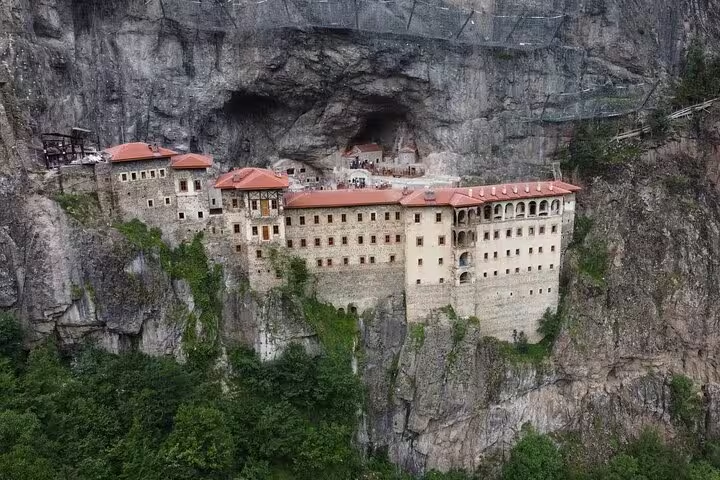
Carved into a sheer cliff face at 1,200 meters above sea level inside the Altindere National Park, Sumela Monastery is the region's single most iconic sight. Founded in the 4th century according to tradition, this Greek Orthodox complex clings to the rock like something from a fairy tale. The frescoed inner chapel, though partially damaged, remains strikingly vivid and atmospheric. Practical Tip: Arrive early in the morning on weekdays to avoid tour groups and get unobstructed photographs.
Ataturk Pavilion (Ataturk Kosku)
This elegant three-story mansion set within forested gardens above the city was gifted to Mustafa Kemal Ataturk during his 1924 visit and offers fascinating insight into early Republican Turkey. The interior is preserved with period furniture and personal memorabilia. The surrounding grounds provide one of the best elevated views over the city and the Black Sea. Practical Tip: Combine the visit with the nearby Trabzon Museum for a full cultural morning.
Hagia Sophia of Trabzon
Not to be confused with its famous Istanbul counterpart, this 13th-century Byzantine church is a remarkable example of Pontic Greek architecture, featuring rare and largely intact medieval frescoes. The building has served as a mosque, a museum, and again as a mosque throughout its complex history. The surrounding gardens are quiet and pleasant for a short stroll. Practical Tip: Visit in the late afternoon when the light through the windows enhances the fresco colors dramatically.
Uzungol
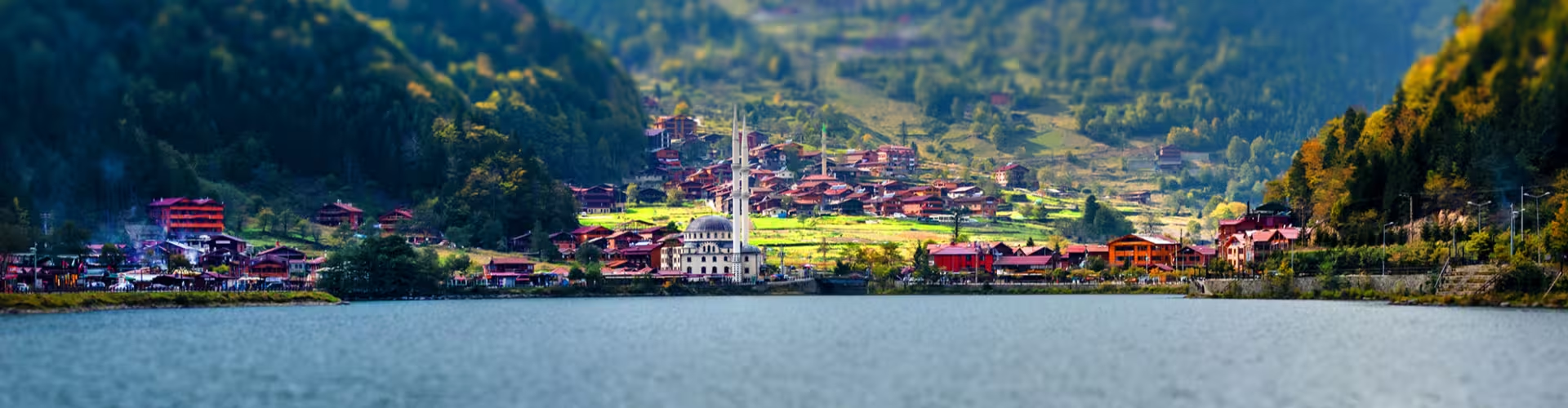
This high-altitude glacial lake village set among forested peaks is one of the most photographed landscapes in all of Turkey. The lake reflects the surrounding mountains and the small wooden mosque on its shore, creating a scene that feels almost impossibly picturesque. The village has grown considerably as a tourism destination but retains genuine charm, especially at dawn before day-trippers arrive. Practical Tip: Stay overnight to experience the lake in morning mist and evening calm.
Boztepe Hill
Rising just above the city center, Boztepe is the local favorite for panoramic views over Trabzon's rooftops, the harbor, and the Black Sea horizon. Tea gardens and small cafes line the hilltop, making it an ideal spot for a quiet afternoon. The hill is especially atmospheric at sunset and in the early evening. Practical Tip: Walk up through the old residential neighborhoods rather than taking a taxi for a more authentic experience.
Trabzon Bazaar District (Kemeralti)
The historic covered bazaar area at the heart of the city buzzes with spice sellers, dried fruit vendors, local handicraft stalls, and tea merchants. The layered architecture reflects Ottoman and later periods, and the narrow lanes reward slow wandering. Look for local products including Trabzon butter, dried anchovies, and the famous laz boregi pastry. Practical Tip: Visit on weekday mornings for the most authentic atmosphere and the best selection of fresh produce.
Pokut Plateau
One of the most unspoiled yayla plateaus in the province, Pokut sits above 2,000 meters and offers sweeping alpine meadows, traditional wooden chalets, and a genuine sense of remoteness. Wildflowers blanket the meadows in early summer, and the air carries a clarity that feels restorative. Walking trails connect Pokut to neighboring plateaus including Sal and Hazindak. Practical Tip: A 4x4 vehicle or organized tour is strongly recommended for the final approach road.
Sera Lake
Located just a short drive east of the city center, Sera Lake is a natural landslide lake surrounded by dense forest. It is a popular local escape for weekend picnics and short nature walks. The waterside tea gardens and restaurants serve fresh fish and regional snacks in a tranquil setting. Practical Tip: Visit on a weekday for a quieter experience and better service at the lakeside cafes.
Curated Itineraries
The Highlights (1 Day)
Begin the morning at the Hagia Sophia of Trabzon before heading to the Kemeralti bazaar for a stroll and breakfast pastries. Spend the midday hours at the Ataturk Pavilion and its gardens. In the afternoon, drive south through the Altindere Valley to Sumela Monastery for the iconic cliff-face views. Return to the city for dinner near the harbor and close the evening with tea on Boztepe Hill.
Deep Dive (2 to 3 Days)
On day one, cover the city highlights: the Hagia Sophia, Ataturk Pavilion, bazaar district, and Boztepe. On day two, make an early start for Sumela Monastery, then continue inland to Uzungol for an overnight stay to experience the lake at its most peaceful. On day three, push further into the highlands toward Pokut Plateau for alpine walking and traditional plateau food before returning to the city. This itinerary covers the essential contrast between coastal culture and mountain wilderness.
Flavors of Trabzon Province
Hamsi (Black Sea Anchovies): The defining food of the eastern Black Sea coast, hamsi is eaten fried, baked in cornbread, or cooked into pilaf. Order hamsi tava at any harbourside restaurant for the freshest version.
Laz Boregi: A creamy custard-filled pastry associated specifically with the Black Sea region, lighter and less sweet than standard Turkish baklava. Find it at bakeries and pastry shops throughout the city.
Muhlama (Kuymak): A rich, stretchy fondue made from cornmeal, local butter, and aged cheese, this highland staple is best eaten hot at plateau restaurants. It is intensely satisfying after a morning of mountain walking.
Karalahana Corbasi (Black Kale Soup): A hearty winter soup made with the dark kale that thrives in the Black Sea climate, cooked with beans and corn. Ask for it at traditional lokanta restaurants in the city.
Trabzon Hurması (Persimmon): The persimmons grown around Trabzon are notably sweet and aromatic, sold fresh from October through December at market stalls. Try them simply as a snack or in local desserts.
Akçaabat Meatballs (Akçaabat Koftesi): A regional style of kofta from the nearby district of Akçaabat, these grilled meatballs are famous across Turkey for their distinct texture and flavor. Order them at any restaurant in the district or at specialty kofta houses in the city.
Navigation and Transport
Trabzon Havalimanı (Airport) receives domestic flights from Istanbul, Ankara, and Izmir, as well as some international connections. The airport sits on reclaimed coastal land just a few kilometers from the city center, making transfers quick and inexpensive. Dolmus minibuses are the backbone of local and intercity transport within the province, running fixed routes at low fares. For the highland plateaus and more remote destinations, private hire cars or organized tours are the practical choice. Intercity buses connect Trabzon to Rize, Erzurum, and other regional cities with comfortable overnight services.
Beyond the Center: Day Trips
Rize Province: Just 75 kilometers east along the coast, Rize is Turkey's tea capital, with terraced plantations covering every hillside and the famous Ayder hot springs plateau a short drive inland. A full day allows a tea estate visit, Ayder Plateau, and a return along the coastal road.
Of District Valleys: The steep valleys radiating south from the coastal town of Of are dotted with medieval Georgian-era bridges, dense forest, and rushing rivers. The Solaklı Valley in particular rewards those with a rental car and an interest in off-the-beaten-path scenery.
Erzurum: A longer excursion of roughly three hours by road over the mountains, Erzurum offers a complete contrast: a high plateau city with Seljuk architecture, a historic citadel, and bitterly cold winters that have made it a ski destination. The journey through the mountain passes is itself part of the experience.
Insider Tips for Travellers
- Local tea in Trabzon is served in traditional tulip-shaped glasses and is always freshly brewed. Accepting a glass when offered in a shop is considered good manners, not an obligation to buy.
- The coastal road running east and west from the city can be congested during summer afternoons. Plan excursions to start early to avoid traffic and to arrive at attractions before tour groups.
- Photography at Sumela Monastery is permitted in the exterior areas but restricted in certain fresco sections. Check current rules posted at the entrance.
- Plateau villages above 1,500 meters can experience sudden weather changes even in summer. Carry a light waterproof layer regardless of the morning forecast.
- The Friday market in the city draws traders and shoppers from across the surrounding villages and is far larger and more varied than the daily bazaar.
- Many highland restaurants serve set menus rather than individual dishes. Arriving and eating with the flow of what is being prepared that day often results in the best meals.
- English is spoken at major hotels and tourist sites but is limited in bazaars and rural areas. A few words of Turkish or a translation app will go a long way.
Frequently Asked Questions
What is Trabzon Province best known for?
Trabzon Province is best known for the Sumela Monastery, its Black Sea coastline, lush highland plateaus, and hamsi anchovy cuisine. It is also famous as the home city of one of Turkey's most successful football clubs, Trabzonspor.
How do I get to Trabzon?
The most convenient option is to fly into Trabzon Airport, which has frequent direct connections from Istanbul, Ankara, and other major Turkish cities. Long-distance buses from cities such as Ankara and Erzurum are also available for those preferring overland travel.
Is Trabzon safe for tourists?
Yes, Trabzon is considered a safe and welcoming destination for tourists. The city and surrounding region have a strong tradition of hospitality, and incidents involving visitors are rare. Standard travel precautions apply as with any destination.
What is the best time of year to visit the highland plateaus near Trabzon?
The highland plateaus are best visited between late May and early September, when the roads are clear of snow and the meadows are at their most vibrant. Trabzon Province receives significant snowfall at higher elevations from November through April, which can make plateau roads impassable without appropriate vehicles.
Do I need a car to explore the region?
A car is strongly recommended for exploring the inland valleys and plateaus at your own pace. Dolmus services cover the main routes, but schedules are infrequent for more remote destinations. Car rental is available at the airport and in the city center, and roads are generally in good condition on main routes.
Trabzon Province is located in northeastern Turkey along the eastern Black Sea coast, bordered by Rize to the east, Giresun to the west, and the Pontic Mountains to the south. The region spans dramatic terrain from coastal lowlands to alpine plateaus exceeding 2,000 meters, encompassing the Altindere National Park, glacial lakes such as Uzungol, and historic sites including the cliff-carved Sumela Monastery. The provincial capital, Trabzon city, serves as the main transport and commercial hub with an international airport and strong domestic flight connections. The area falls within a humid subtropical to highland climate zone, producing lush forested landscapes and a distinct agricultural identity centered on tea, hazelnuts, persimmons, and Black Sea anchovies.
Black Sea Coast, Northeastern Turkey, Byzantine Heritage, Highland Plateaus, Cultural Tourism, Nature Tourism, Coastal City