Explore Tours

Build your dream
experience

More to know about Ankara
Ankara Travel Guide
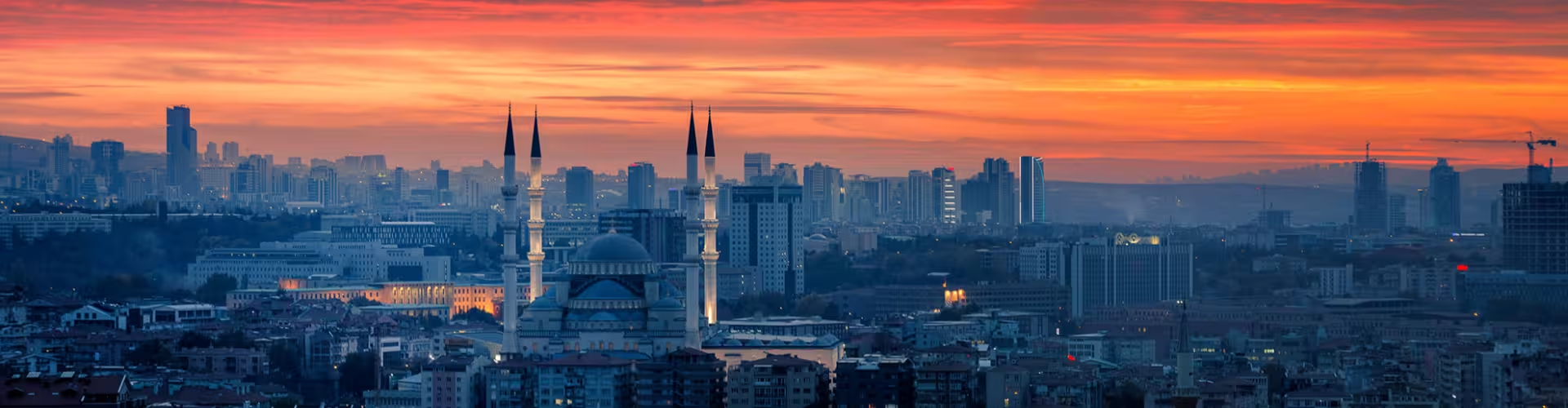
Ankara is Türkiye’s capital and a city of contrasts, where solemn national landmarks, lively student streets, and centuries of Anatolian history share the same skyline. It rewards travelers who want substance over spectacle, with museums that explain the country’s roots, hilltop views, and a food scene built for cold Central Anatolian evenings. This guide focuses on practical choices so you can plan a smooth, high value trip to Ankara with confident timing, routing, and priorities.
Snapshot
Ankara feels purposeful and local, with a strong civic identity, creative neighborhoods, and a rhythm shaped by government, universities, and everyday life. Go now if you want a city break that blends culture and calm, plus easy access to day trips across Central Anatolia. Expect big history, straightforward logistics, and a more grounded Türkiye experience than the coastal resort circuit.
🗺️ Geography and Logistics
📍 Orientation: Where is it within Ankara Province and Türkiye?
Ankara sits in the Central Anatolia Region, surrounded by open steppe landscapes that make the city’s hills and viewpoints feel even more dramatic. As the national capital, it is a major transport hub with strong intercity connections by rail and long distance buses, and it is also served by an international airport that links the city to other Turkish destinations and key regional routes. Within the city, districts range from historic hillside quarters to modern boulevards, so it helps to group sights by area rather than zigzagging across town.
🕒 When to Go: Seasonal breakdown
Central Anatolia has a more continental pattern than the coast, with crisp winters and warm summers. Spring and autumn are typically the easiest for walking heavy itineraries, museum hopping, and long café breaks without weather extremes. Summer can be bright and busy, so plan early starts and longer midday indoor stops, while winter favors cozy food, museums, and panoramic viewpoints on clear days.
💰 Budget & Currency: Practical money tips
Türkiye uses the Turkish lira, and daily costs in Ankara often feel more practical than in major tourist centers. Cards are widely used in many urban settings, but carrying some cash is useful for small purchases, markets, and quick transit needs. Build a flexible budget for museums, taxis or ride shares when distances add up, and a few sit down meals, since the city’s best evenings often happen around shared plates and tea.
⭐ Essential Things to Do
These curated experiences help you understand the city’s identity, history, and everyday energy.
Anıtkabir
A visit here explains modern Türkiye through symbolism, architecture, and the collective atmosphere of a national site. The scale is designed to feel ceremonial, and the experience often becomes a reflective pause in a fast itinerary. Practical tip, go earlier in the day for a calmer walk across the grounds and clearer photo angles.
Museum Day for Anatolian Civilizations
This is the best way to connect Ankara to the wider story of Anatolia, from ancient cultures to layered regional histories. It adds meaning to every other stop, because you start recognizing motifs, materials, and timelines across the city. Practical tip, pair it with a slower lunch nearby so you can take the galleries at an unhurried pace.
Citadel Quarter Walk
The historic hilltop area offers a different texture than modern boulevards, with stone walls, narrow lanes, and viewpoints that make the city’s geography easy to read. It is ideal for travelers who want atmosphere, craft shops, and photo stops without needing a ticketed plan. Practical tip, wear shoes with grip since some streets can be steep and uneven.
Hamamönü Streets and Cafés
This area is known for restored streets, a slower strolling vibe, and a good mix of tea stops and casual dining. It works well as an afternoon reset between big landmarks, especially if you prefer people watching and small local shopping. Practical tip, arrive before dinner hours to enjoy the light and avoid feeling rushed finding a table.
Kızılay and Modern City Life
Kızılay is a practical anchor for understanding how locals move, meet, and shop, and it is often central for transport connections. It is not about a single monument, it is about seeing the capital’s everyday pulse and grabbing quick bites between sights. Practical tip, use it as your base for transit and keep your schedule flexible for spontaneous stops.
Tunalı Hilmi Street and Kuğulu Park
This pairing gives you a relaxed urban afternoon, with shopping streets leading into a small green break. The vibe is youthful and social, shaped by students, cafés, and evening strolls. Practical tip, time it for late afternoon so you can roll straight into dinner nearby.
Panoramic Viewpoints
Because Ankara is spread across hills, a viewpoint stop helps you orient quickly and understand distances between districts. It also adds visual variety to a museum heavy plan and can be a highlight on clear days. Practical tip, check visibility and go when the light is softer for better skyline photos.
Local Markets and Food Shopping
Markets are where the city feels most immediate, with seasonal produce, spices, and everyday snacks that explain local tastes. Even a short visit can improve your dining choices because you learn what is fresh and what people actually buy. Practical tip, carry small cash and a reusable bag for easy purchases.
🚶 Curated Itineraries
⏰ The Highlights (1 Day): A fast paced best of route
Start with Anıtkabir to set the tone and understand the city’s modern identity. Continue to a top museum focused on Anatolian history, then break for a hearty lunch that fits Central Anatolia’s comfort food style. Spend the late afternoon in the Citadel quarter for views and atmosphere, then finish with an evening stroll in a lively modern area such as Tunalı Hilmi, followed by dinner and tea.
⏰ Deep Dive (2 to 3 Days): Neighborhoods and local secrets
Day one, follow the one day highlights but slow down, adding extra time for galleries and a longer Citadel walk. Day two, explore Hamamönü for a relaxed café morning, then spend time in Kızılay to understand the city’s everyday logistics, shopping, and transit flow. If you have a third day, add a market visit for food shopping, then choose a panoramic viewpoint and a long dinner experience where you can sample multiple dishes without rushing.
🍽️ Flavors of Ankara
Food in Ankara leans hearty and satisfying, built for Central Anatolia’s cooler evenings and long conversations over tea.
- Ankara tava, a comforting meat and rice style dish associated with the city. Ordering tip, ask what the house specialty is if you want the most traditional version.
- Döner, sliced roasted meat served in bread or on a plate, popular for quick meals between sights. Ordering tip, specify your preferred portion size if you are sharing.
- Kebap varieties, grilled and roasted options that range from simple to richly seasoned. Ordering tip, ask for a mixed plate if you want to compare styles.
- Mantı, small dumplings often served with yogurt and sauce, a filling choice after a long walking day. Ordering tip, request extra yogurt if you like a creamier balance.
- Gözleme, griddled flatbread with savory fillings, ideal for a casual lunch. Ordering tip, choose a seasonal filling if available for the freshest taste.
- Baklava and Turkish desserts, sweet, layered, and best paired with tea or coffee. Ordering tip, buy a small assortment to sample different textures.
- Turkish tea and coffee, central to social life and a natural way to slow your pace. Ordering tip, take tea breaks between districts to avoid overpacking your schedule.
🚌 Navigation and Transport
Ankara is spread out, so smart routing matters. Many clusters are walkable once you are in the right district, especially historic areas and main shopping streets, but distances between major sights can be significant. Use public transit for efficient cross city moves, and consider taxis or ride sharing when time is tight or when you want a direct transfer between far apart neighborhoods.
For comfort and safety, keep a simple plan for late evenings, know your return route, and avoid rushing across major roads when moving between districts. If you have mobility needs, prioritize modern boulevards and parks for easier surfaces, and plan extra time for hillier historic areas like the Citadel quarter.
🌄 Beyond the Center: Day Trips
Central Anatolia opens up quickly from the capital, making Ankara a practical base for short escapes.
- Beypazarı, a popular nearby town known for traditional streets and local food culture. Travel time, typically around 1.5 to 2 hours each way depending on traffic and transport.
- Salt Lake, Tuz Gölü, a striking landscape for wide open views and photography. Travel time, often around 1.5 to 2 hours each way depending on your route.
- Eskişehir, a university city with a creative, modern vibe and easy day trip potential. Travel time, commonly around 1.5 to 2.5 hours each way depending on train or road options.
- Hattuşa, the ancient Hittite capital for travelers focused on deep history and archaeology. Travel time, this is usually a longer day, commonly several hours each way, so plan an early start.
✅ Insider Tips for Travelers
- Group your days by district, then connect clusters with transit, rather than crossing the city repeatedly.
- For top landmarks and museums, aim for earlier visits to enjoy calmer galleries and easier photos.
- Pack layers, Central Anatolia can shift from warm afternoons to cool evenings, especially outside summer.
- Choose one panoramic viewpoint, it helps you understand the city layout and plan the rest more efficiently.
- Carry some cash for small purchases and market stops, even if you mostly use cards.
- Leave space for tea breaks, they are part of the local rhythm and help you avoid itinerary fatigue.
- If you plan a day trip, confirm your return timing early so you do not cut dinner plans short.
❓ Frequently Asked Questions, FAQ
Is Ankara worth visiting compared to other Turkish cities?
Yes if you want museums, national landmarks, and a more local big city rhythm. It is especially rewarding for travelers who enjoy history and structured sightseeing.
How many days do I need in Ankara?
One day covers the major highlights at a brisk pace. Two to three days lets you add neighborhoods, markets, and a day trip without rushing.
What is the best area to stay for easy sightseeing?
Choose a central district that makes it simple to connect to transit and reach multiple clusters in one day. Prioritize convenience over a single attraction since the city is spread out.
What is the easiest way to get around Ankara?
Use a mix of walking within districts and public transit for longer jumps across the city. Taxis or ride sharing can save time when you are moving between far apart neighborhoods.
Can I do a day trip from Ankara without a tour?
Yes, several nearby places are reachable independently by road or intercity connections. Start early, confirm your return plan, and keep some buffer time for traffic or delays.
This guide explains how to plan a trip to Ankara with practical logistics, curated experiences, and itinerary options tailored to real travel decisions. It was prepared by Toursxplorer.com to help travelers navigate the city and choose day trips across Central Anatolia.
Destination guide, city break planning, Central Anatolia, Türkiye capital, culture and history, food and neighborhoods, itineraries, day trips