Ankara Province is a destination built for travelers who like substance, museums, citadels, and café culture as much as they like wide-open Anatolian landscapes. It balances the energy of Türkiye’s capital with slower day trips that reveal ancient layers, local markets, and a confident modern arts scene. Use this guide to plan smarter routes, choose the right season, and focus on experiences that match your pace and budget in Ankara Province.
Ankara Province feels purposeful and lived-in, with a signature vibe that blends republic-era landmarks, historic quarters, and a food scene that rewards curiosity. Go now if you want a capital-city base with less tourist pressure than coastal hotspots, plus easy access to Central Anatolia’s big skies and stone-built towns. The payoff is variety, you can move from curated museums to hilltop views and local taverns in the same day.
Ankara Province sits in Türkiye’s Central Anatolia Region, a high plateau known for continental weather and long-distance road links. Ankara city is the main hub, with intercity buses and rail connections that make it practical for travelers who prefer overland routes. For flights, use Ankara’s main airport as your gateway, then connect onward by bus, taxi, or local transit depending on where you stay.
Central Anatolia typically brings hot, dry summers and cold winters, so timing matters for comfort. Spring and autumn usually suit city walking and day trips best, with clearer air for viewpoints and less weather disruption. Summer can still work if you plan indoor museum blocks midday and save outdoor sites for mornings and late afternoons.
Türkiye uses the Turkish lira, and in Ankara Province you will find a broad range of spending options from budget eats to higher-end dining. Cards are widely used in urban areas, but carrying some cash helps for small shops, markets, and quick snacks. A practical approach is to pay big-ticket items by card, then keep small bills for taxis, tips where appropriate, and neighborhood purchases.
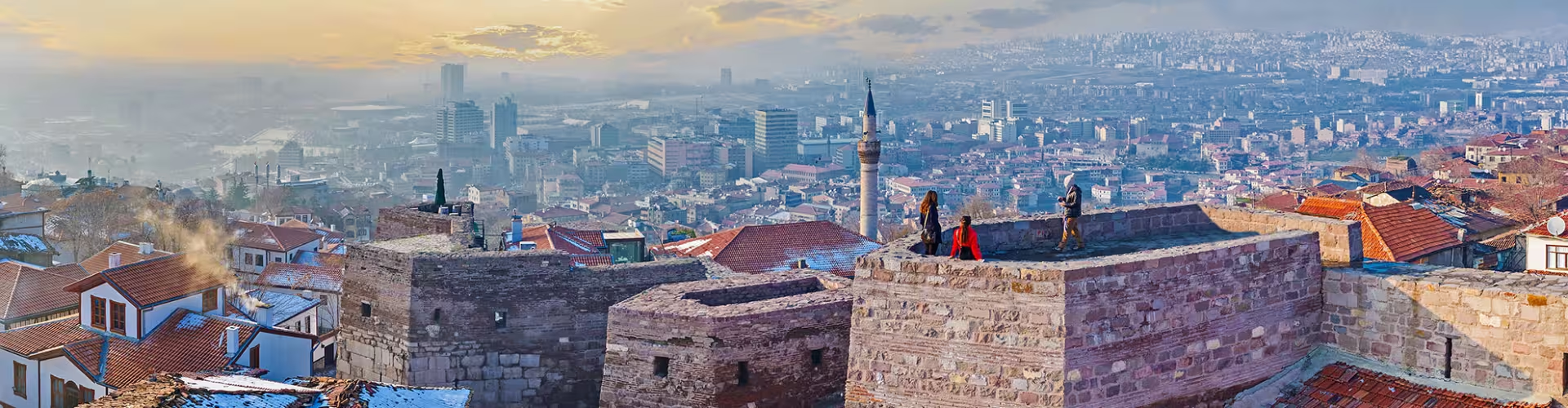
1) Explore the historic citadel area. The citadel zone anchors Ankara’s older skyline and gives you a sense of how the city grew from fortified heights. Wandering here is about texture, stone walls, narrow lanes, and viewpoints that frame modern Ankara below. Practical tip, go earlier in the day for softer light and a calmer stroll.
2) Prioritize flagship museums. Museums in the capital are where LONG_TAIL_KEYWORDS naturally come to life, with curated narratives that explain Anatolia’s deep history and the republic story. This is a high-value choice in any season because it is weather-proof and time-efficient. Practical tip, group museums by area so you minimize transit time.
3) Walk a republic-era boulevard route. Ankara’s modern identity is visible in its planned avenues, civic buildings, and public squares. A self-guided walk helps you understand why the city feels organized and intentional compared to older Ottoman street patterns elsewhere. Practical tip, pause at cafés along the way to break up the distance and people-watch.
4) Dive into neighborhood food streets. The best way to understand Ankara Province is to eat where locals eat, in casual spots that focus on grilled meats, soups, and bakery staples. These streets tend to be lively at lunch and early evening, with quick turnover and consistent quality. Practical tip, order one signature dish and one shared side, then add dessert if you still have room.
5) Plan a viewpoint session at golden hour. Ankara’s hills and layered cityscape reward travelers who schedule their photos, rather than hoping for a good angle on the fly. Golden hour brings warmer tones to stone and concrete alike, and it softens the city’s modern lines. Practical tip, bring a light layer because breezes can pick up on higher ground.
6) Shop local markets for edible souvenirs. Markets are ideal for tasting before you buy, and they make it easy to bring home shelf-stable treats like nuts, dried fruit, and regional pantry items. This is also where you can practice simple Turkish phrases and observe everyday routines. Practical tip, carry a reusable bag and keep small cash ready for quick purchases.
7) Add a contemporary culture stop. Beyond history, the capital supports galleries, performance venues, and bookish café culture that reflect a working city rather than a resort town. This is a good counterbalance if your itinerary is heavy on monuments. Practical tip, aim for late afternoon, then roll straight into dinner nearby.
8) Build in a slow morning in a park. A calm start helps you manage a city itinerary without fatigue, especially if you plan museums and longer walks later. Parks also give you a feel for local life, families, students, and weekend rhythms. Practical tip, pick up a simple breakfast pastry and tea, then stroll before the city gets busier.
Start with a major museum block in the morning while your energy is high and the indoor pacing is comfortable. Continue to the historic citadel area for a midday walk and a viewpoint, then stop for a classic Ankara lunch in a busy local spot. Finish with a republic-era boulevard walk and a relaxed dinner, keeping your final hour for a café or dessert to end the day on a slower note.
Day one follows the highlights, but with more time for side streets and small museums. Day two focuses on neighborhoods, markets, and contemporary culture, plus a longer food crawl that lets you compare styles of kebab, soups, and bakery items. If you have a third day, use SECONDARY_KEYWORDS to guide a day trip beyond the center, then return for an unhurried final evening with a sit-down meal and a last viewpoint.
Ankara tavası. A comforting, oven-style meat dish associated with Ankara, it tends to be rich and savory with a home-cooked feel. Ordering tip, ask what it is served with so you can balance it with a lighter side.
Beypazarı kurusu. A dry, crisp local biscuit linked to Beypazarı, often enjoyed with tea and easy to pack for travel. Ordering tip, buy a smaller bag first, then return for more if you like the texture.
Etli ekmek. A long, thin flatbread topped with minced meat, satisfying without being heavy when shared. Ordering tip, order one to share and add a salad or yogurt on the side.
Mantı. Small dumplings with yogurt and sauce, a favorite for travelers who want something hearty and distinctly Turkish. Ordering tip, ask if it is served garlicky, then request a milder version if you prefer.
Mercimek çorbası. Lentil soup is a reliable, budget-friendly start to a meal, especially in cooler months. Ordering tip, add lemon if offered, it brightens the flavor.
Baklava or syrup desserts. Sweet, layered desserts pair well with strong tea or coffee and make a satisfying end to a long walking day. Ordering tip, share portions if you are sampling multiple dishes.
In central Ankara, many key areas are walkable in clusters, but distances can add up, so plan your day around neighborhoods rather than zigzagging. Public transit and taxis help connect hills, museum zones, and dinner districts, and they can save time when weather turns hot or cold. If you use ride-hailing or taxis, confirm the route basics before you start, and keep your destination written down in Turkish for clarity. For accessibility, prioritize museums and major boulevards first, since older quarters can include uneven surfaces and steps.
Beypazarı. Often chosen for its traditional town atmosphere and local foods like Beypazarı kurusu. Travel time varies by your starting point and transport, so plan it as a full day to keep the pace relaxed. Primary reason to visit, a slower, heritage-focused contrast to the capital.
Gordion. A meaningful option for travelers interested in Anatolia’s ancient past and archaeological context. Travel time depends on your route and whether you go by private transport or a planned tour. Primary reason to visit, a deeper historical layer beyond city museums.
Salt Lake, Tuz Gölü. Best for wide landscapes and minimalist photography, especially when light conditions are favorable. Travel time varies, so it works best as a planned excursion rather than a spontaneous detour. Primary reason to visit, a striking natural scene that feels far from the city.
Nearby Central Anatolia towns. If you have extra time, smaller towns around Ankara Province can offer local markets and a quieter pace. Travel time varies, so choose one area and commit to it for the day. Primary reason to visit, everyday culture and regional flavors without crowds.
Is Ankara a good base for exploring the region?
Yes, Ankara is a practical hub with strong intercity connections and plenty of services. It works especially well if you want to combine museums, historic areas, and day trips without changing hotels.
How many days do I need in Ankara Province?
One day covers major highlights at a fast pace, but two to three days is more comfortable. With extra time, you can add a day trip and explore food neighborhoods more deeply in Ankara Province.
What is the best season for sightseeing?
Spring and autumn are usually the easiest for long walks and viewpoints, with fewer weather extremes. Summer can be enjoyable if you schedule museums midday and keep outdoor time for mornings and evenings.
Do I need cash, or can I use cards?
Cards are widely accepted in urban areas, especially in restaurants and larger shops. Keep some cash for markets, small purchases, and quick transport needs.
What are the top day trips from Ankara Province?
Popular options include Beypazarı for traditional town atmosphere, Gordion for ancient history, and Tuz Gölü for dramatic landscapes. Choose based on your interests and plan enough time for the round trip from Ankara Province.