Tangier
Plan a smart Tangier trip with top things to do, 1 to 3 day itineraries, what to eat, how to get around, and easy day trips like Cap Spartel, Hercules Caves, Asilah, and Tetouan.

Plan a smart Tangier trip with top things to do, 1 to 3 day itineraries, what to eat, how to get around, and easy day trips like Cap Spartel, Hercules Caves, Asilah, and Tetouan.

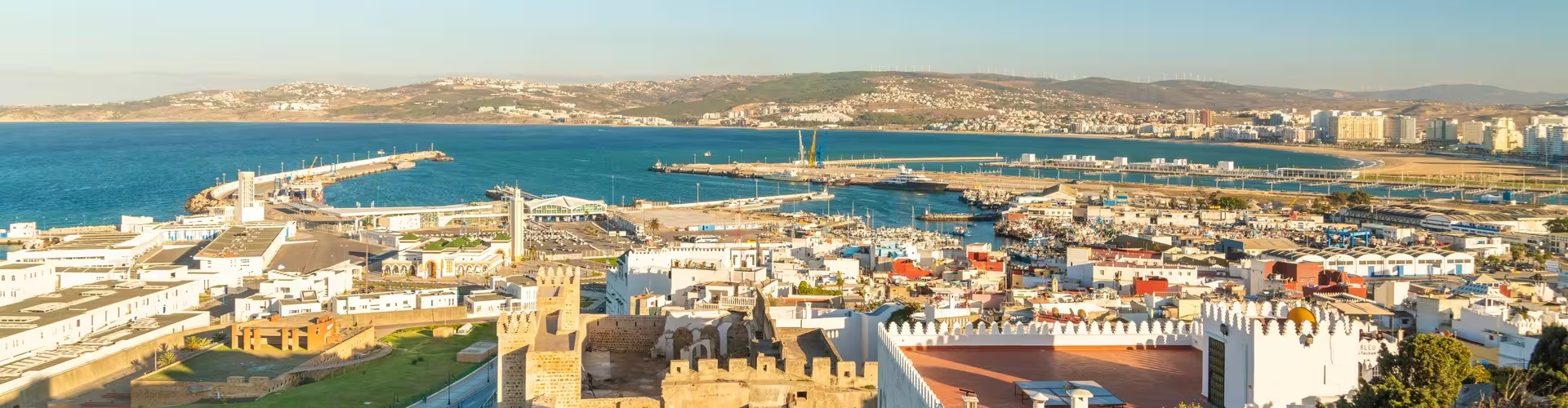
Tangier is Morocco’s storied gateway where the Mediterranean meets the Atlantic, and where centuries of trade, migration, and diplomacy shaped a city with a distinctly international pulse. The energy shifts quickly from sea breezes on the corniche to the maze-like lanes of the kasbah and medina, with cafés, markets, and viewpoints stitched into everyday life. This guide helps you plan confidently, what to do, how to move, what to eat, and how to build an itinerary that fits your pace.
Tangier feels cinematic and coastal at once, a place of whitewashed walls, big skies, and a lived-in rhythm that rewards unhurried wandering. Go for the layered history and the culture of looking outward, toward Spain, the Strait, and the wider world. It is especially appealing when you want a city break that mixes views, markets, and café time with easy access to beaches and nearby towns.
Tangier sits at Morocco’s northern edge in the Tangier-Tetouan-Al Hoceima region, facing the Strait of Gibraltar. Its position makes it a natural hub for travelers combining northern Morocco with coastal scenery and cross-strait connections. Practical gateways typically include the city’s airport and major rail and road links that connect to other Moroccan cities, plus ferry routes in the broader area for travelers arriving from southern Europe.
Expect a coastal climate with ocean influence, which often means milder temperatures than inland Morocco and breezier evenings near the water. High season generally brings more visitors and a livelier atmosphere around viewpoints, the waterfront, and the medina. For many travelers, shoulder periods can be a sweet spot, with comfortable walking weather and fewer bottlenecks in narrow lanes.
Plan for typical city costs that vary by neighborhood, with the most central, scenic areas often pricing higher for convenience and views. Carry some cash for small purchases in markets and quick snacks, and use cards where accepted for larger expenses. A good approach is to keep daily spending flexible, because the best moments can be spontaneous, a long café stop, a taxi to a viewpoint, or an unplanned museum visit.
1) Get lost on purpose in the Medina
The medina is the heart of the city’s sensory experience, with changing light, steep steps, and shopfronts that shift from crafts to groceries in a single turn. Wandering here is less about a checklist and more about noticing details, doorways, tilework, and the small courtyards that open unexpectedly. Practical tip: Start earlier in the day for calmer lanes and easier navigation, then return later for a different, more social vibe.
2) Explore the Kasbah for history and views
The kasbah area sits higher, which naturally creates dramatic overlooks and a feeling of separation from the bustle below. It is a strong place to understand how the city’s defensive and strategic past shaped its layout. Practical tip: Wear comfortable shoes, because gradients and uneven surfaces are common, and plan a slow route so you can pause at viewpoints without rushing.
3) Walk the Corniche for sea air and people watching
The waterfront promenade is where Tangier shows its modern, open-air side, with a rhythm built around strolling, cafés, and wide views. It is ideal when you want a reset between medina explorations. Practical tip: Go near sunset for softer light and a cooler walk, then continue into a nearby café for a long mint tea.
4) Visit local cafés for the city’s social pulse
Café culture is a practical travel tool here, a place to orient yourself, plan the next stop, and absorb the city’s pace. It also helps you understand how locals spend time, especially in the late afternoon and evening. Practical tip: Choose a seat with a view of the street or water, order something simple, and give yourself a fixed pause before returning to sightseeing.
5) Shop the souks for crafts and daily life
Markets are not only for souvenirs, they are where the city’s daily logistics happen, from spices and produce to household goods. Browsing helps you read the city and understand what people actually buy and eat. Practical tip: Decide your budget before you start, and if you want something specific, compare a few stalls first to learn typical quality and pricing.
6) Seek out viewpoints over the Strait of Gibraltar
This is one of the most meaningful experiences in northern Morocco, because the geography is the story. Seeing the waterway makes the city’s international identity feel tangible. Practical tip: Bring a light layer even when the day feels warm, because wind can pick up quickly near exposed viewpoints.
7) Add a cultural stop for context
A museum, gallery, or heritage site can turn a beautiful walk into a coherent narrative, connecting architecture and streets to the people who shaped them. This is especially useful if you are traveling with limited time and want depth without needing a full guided tour. Practical tip: Pair one cultural visit with a relaxed meal afterward, so you can reflect rather than rush.
8) Take a guided walk if you want structure
The medina’s layout can feel like a puzzle, and a guide can help you understand neighborhoods, trade history, and local etiquette. It is also a way to discover small corners you might skip when navigating alone. Practical tip: Choose a morning walk, then use the afternoon to revisit the places you liked most at your own pace.
Start with a medina walk while the lanes are calmer, then climb toward the kasbah to connect the city’s layout with its strategic history. Break for a café stop, then spend time on a viewpoint to take in the Strait and the coastal horizon. Finish with a corniche stroll in the late afternoon, and keep dinner flexible so you can choose a place that matches your mood, lively and social, or quiet and scenic.
Day one focuses on orientation, medina, kasbah, and a waterfront walk to understand the city’s contrasts. Day two is for slower exploration, markets, a cultural stop for historical context, and extended café time to absorb the pace that makes Tangier feel distinct. If you have a third day, use it for a nearby excursion, then return in the evening for a final medina wander when the atmosphere shifts and the city feels more intimate.
Tagine
Slow-cooked and aromatic, tagine is about depth of flavor and tenderness, often built from spices, vegetables, and a long simmer. Ordering tip: Ask what the house specialty is, and choose based on what looks most popular with local diners.
Couscous
Light, fluffy grains paired with vegetables and savory broth, couscous is comforting and filling without feeling heavy. Ordering tip: If you want a balanced meal, choose a version with a variety of vegetables and a moderate portion of protein.
Fresh seafood
Coastal location influences the table, with simple preparations that highlight freshness. Ordering tip: Pick dishes that are grilled or simply seasoned if you want the cleanest taste of the sea.
Harira
This classic Moroccan soup is warming and richly spiced, often served as a satisfying starter that feels like a meal in itself. Ordering tip: Pair it with bread for a complete, budget-friendly option.
Mint tea
Sweet, fragrant, and social, mint tea is as much a ritual as a drink. Ordering tip: If you are sensitive to sweetness, ask for it less sweet, or sip slowly and balance it with something savory.
Moroccan pastries
Nutty, honeyed, and often delicately crisp, pastries are ideal for a mid-afternoon break. Ordering tip: Choose a small mixed selection if available, so you can sample different textures and flavors.
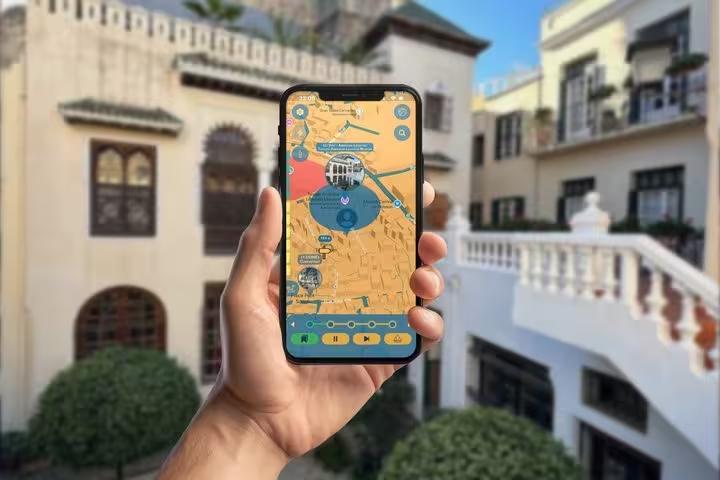
The most rewarding way to experience central Tangier is on foot, especially in the medina and kasbah where narrow lanes and stairs make driving impractical. For longer hops, taxis are commonly used, and they can save time when you are moving between the waterfront, viewpoints, and outlying areas. Practical safety note: Keep your phone charged for navigation, confirm directions before entering quieter lanes, and choose well-lit routes at night if you are walking back from dinner.
Cap Spartel
A popular coastal escape known for open views and dramatic seascapes. Travel time varies by starting point and traffic, but it is typically a straightforward trip from the city. Primary reason to visit: Ocean scenery and a sense of standing at the edge of two seas.
Hercules Caves
A well-known natural and cultural stop near the coast, often paired with nearby viewpoints. Travel time varies, and many travelers combine it with other coastal stops. Primary reason to visit: A memorable landscape feature that adds variety to a city-focused itinerary.
Asilah
A smaller coastal town that makes an easy change of pace from the city’s intensity. Travel time depends on your transport choice, and it is commonly done as a day trip. Primary reason to visit: Relaxed streets, coastal atmosphere, and a slower rhythm.
Tetouan
A nearby city in the same northern region, often associated with Andalusian influence and a strong local identity. Travel time varies, and it can be done independently or with a driver. Primary reason to visit: A complementary cultural experience that deepens your understanding of northern Morocco.
Yes, the central areas are best experienced on foot, especially the medina and kasbah. Expect stairs and uneven surfaces, so comfortable shoes make a noticeable difference.
One day covers the highlights if you keep a steady pace. Two to three days lets you slow down, add cultural stops, and include a nearby day trip.
Mornings are often calmer, which makes it easier to navigate and photograph narrow lanes. Later in the day can feel more social and lively, especially around cafés and market areas.
Carry some cash for small purchases in markets and quick food stops. Cards are useful for larger expenses where accepted, so a mix is the most practical approach.
Yes, the city’s northern location makes coastal and regional excursions straightforward. Many travelers combine one or two nearby destinations with a relaxed evening back in the city.