

Build your dream
experience

More to know about Kelaat M'Gouna
Kelaat M'Gouna Travel Guide
Kelaat M'Gouna sits in Morocco’s Draa Tafilalet region, in the wider Tinghir area, and it is best known for its rose growing culture and valley scenery. This guide focuses on practical decision making, what to do, how to plan your time, and how to connect nearby landscapes into a smooth itinerary. Expect a small town feel, a slower pace than big cities, and a strong link to agriculture and local life.
Snapshot
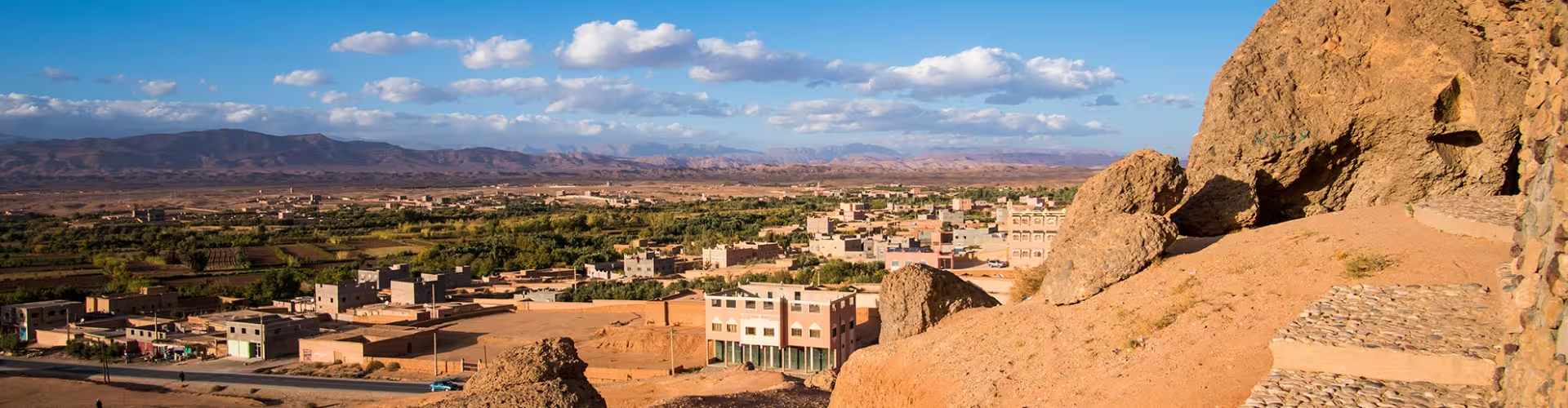
Kelaat M'Gouna feels grounded and sensory, with a valley atmosphere shaped by orchards, riverbeds, and everyday market rhythms. The signature vibe is rural Morocco with a photogenic edge, where day trips and scenic drives matter as much as the town itself. Go when you want clear light for landscapes and a calmer base for exploring the surrounding valleys.
🗺️ Geography and Logistics
📍 Orientation: Where is it within Tinghir and Morocco? Name key gateway airports or hubs.
Kelaat M'Gouna is in southeastern Morocco within the Draa Tafilalet region, connected to the Tinghir province area and the broader network of towns along the valley routes. Travelers typically approach via Morocco’s major hubs, then continue overland toward Tinghir and the valley corridors that link small communities. Because distances in this part of Morocco can feel longer than they look on a map, it helps to plan your arrival day with buffer time for road conditions and rest stops.
🕒 When to Go: Seasonal breakdown. Weather patterns vs. crowd levels.
In general, travel here is shaped by heat, daylight, and how much time you want outdoors. Warmer periods favor early starts and late afternoons, especially for walking and viewpoints, while cooler periods make longer hikes and multi stop drives more comfortable. If you prefer a quieter feel, plan your days around mornings and weekdays, and keep flexibility for weather shifts that can affect valley visibility and road comfort.
💰 Budget & Currency: Practical money tips, local price levels, and card vs. cash advice.
Moroccan dirham is the working currency, and cash is useful for small purchases, taxis, and local food. In smaller towns and rural stretches, card acceptance can be limited, so carry a cash buffer for transport and essentials. For budgeting, think in categories, transport between valleys, simple meals, and guided experiences, then adjust based on how many day trips you add.
⭐ Essential Things to Do List
Explore the Rose Valley landscapes. The surrounding valley scenery is the core reason many travelers choose Kelaat M'Gouna, with a mix of cultivated plots, riverbeds, and village life that reads best at a slow pace. It matters because the destination is as much about atmosphere as it is about landmarks. Practical tip, go early for softer light and fewer vehicles on the road.
Shop for rose based products. Local identity is closely tied to roses, and browsing products is one of the most direct ways to connect with the region’s signature. It matters because it supports small producers and gives you a tangible souvenir that fits the place. Practical tip, compare scents and textures, and ask how to use items at home to avoid buying something you will not use.
Take a scenic drive through valley routes. Drives are a highlight here because viewpoints and small settlements unfold gradually, and the road becomes part of the experience. It matters because it helps you understand how communities and agriculture shape the landscape. Practical tip, keep water in the car and plan photo stops so you are not rushing.
Visit local markets for everyday culture. Markets show what people actually cook, wear, and trade, which gives context beyond sightseeing. It matters because it anchors your trip in real life, not just scenery. Practical tip, carry small notes and coins, and keep your bag close in crowded lanes.
Photograph kasbah style architecture and village scenes. In this region, earthen architecture and fortified forms are part of the visual language, especially when paired with palms and valley greens. It matters because the contrast between adobe tones and cultivated strips is striking. Practical tip, ask before photographing people, and use late afternoon light for texture.
Plan a day around nearby gorges and canyon viewpoints. The Tinghir area is associated with dramatic gorge landscapes, and pairing them with Kelaat M'Gouna creates a strong nature focused loop. It matters because it adds scale and variety to a valley based trip. Practical tip, start early to reduce driving stress and to enjoy viewpoints before the day warms up.
Book a local guide for a short walk or village route. A guide can help you read the landscape, understand irrigation patterns, and avoid accidentally wandering into private plots. It matters because context turns a simple walk into a story about water, farming, and community. Practical tip, confirm the route length and shade level so it matches your fitness and comfort.
Use the town as a base for a multi stop itinerary. The real strength of Kelaat M'Gouna is how it can anchor several nearby landscapes without changing hotels every night. It matters because it saves time and reduces packing fatigue. Practical tip, group day trips by direction, and keep one flexible day for weather or rest.
🚶 Curated Itineraries
⏰ The Highlights (1 Day): A fast-paced Best Of route.
Start with an early valley drive to catch softer light and a calmer road rhythm, then pause for photos at viewpoints where cultivated strips meet the valley floor. Return to town for a market focused lunch plan, then spend the afternoon browsing rose products and small shops at an unhurried pace. End with a short sunset walk near town, prioritizing safe, easy paths so you can enjoy the changing colors without rushing back in the dark.
⏰ Deep Dive (2-3 Days): Adding neighborhood exploration and local secrets.
Day one follows the highlights, but with longer stops and time to sit with the landscape instead of collecting photos. Day two is for a guided walk or village route, plus a longer scenic drive that connects nearby valleys and viewpoints, with breaks for tea and rest. If you have a third day, dedicate it to a gorge or canyon loop in the Tinghir area, then return to Kelaat M'Gouna for a slower evening focused on food and conversation.
🍽️ Flavors of Kelaat M'Gouna
Tagine. Slow cooked and aromatic, tagine is a staple that varies by season and what is available locally. Ordering tip, ask what the house specialty is that day, it is often the freshest option.
Couscous. Light, fluffy grains paired with vegetables and broth, it is comforting and filling without being heavy. Ordering tip, ask about portion size if you are sharing, it is often generous.
Harira. A warming soup with a rich, savory profile, especially satisfying after a day outdoors. Ordering tip, request it when you want something simple and restorative.
Mint tea. Sweet and fragrant, it is both a drink and a social ritual. Ordering tip, accept a first pour slowly, it is part of the rhythm of hospitality.
Fresh bread with olive oil. Simple, hearty, and ideal for dipping and sharing at the table. Ordering tip, ask for bread that is still warm if available.
🚌 Navigation & Transport
Kelaat M'Gouna works best with a mix of walking for town level errands and arranged transport for valley drives and day trips. For short distances, walking is practical, but sun exposure can be intense, so plan shade breaks and carry water. For longer routes, taxis and private drivers are common options in the region, and self drive can be convenient if you are comfortable with rural roads and long stretches between services. Safety and accessibility improve when you avoid night driving in unfamiliar areas and confirm pickup points clearly if you are arranging rides.
🌄 Beyond the Center: Day Trips
Tinghir area gorges and viewpoints. A classic pairing with the valley base, offering dramatic rock scenery and a different sense of scale. Travel time varies by route, so plan it as a full day with early departure.
Valley and village loops. Shorter drives can connect multiple small settlements and agricultural scenes that feel distinct from one another. Travel time depends on how many stops you add, so choose fewer places and spend longer at each.
Kasbah and earthen architecture stops. The region’s building styles are a highlight for photography and cultural context. Travel time is flexible, and these stops work well as add ons during scenic drives.
✅ Insider Tips for Travelers
- Start days early for better light, cooler walking conditions, and a calmer pace on valley roads.
- Carry cash in small denominations for markets, short rides, and quick purchases.
- Ask before photographing people, and keep your camera low key in crowded areas.
- Pack sun protection and a refillable water bottle, outdoor time adds up quickly here.
- Build your itinerary by direction, group stops that share the same road to reduce backtracking.
- Confirm transport details clearly, pickup time, meeting point, and whether stops are included.
❓ Frequently Asked Questions, FAQ
Is Kelaat M'Gouna worth visiting if I only have one day?
Yes, one day is enough for a scenic drive, a market visit, and time to browse rose related products. Keep your route focused and start early so you are not rushing in the afternoon.
How do I get around once I arrive?
Walking works for short distances in town, while taxis or arranged drivers are better for valley routes and day trips. Plan transport ahead if you want multiple stops in one day.
Should I carry cash or can I rely on cards?
Cash is important for small purchases, local markets, and many everyday transactions in smaller towns. Keep small denominations to make payments smoother.
What is the best time of day for photos and valley views?
Early morning and late afternoon usually offer softer light and better contrast in the landscape. Midday can be harsh, so use that time for meals, rest, or indoor browsing.
Can I use Kelaat M'Gouna as a base for nearby gorges?
Yes, it can work well as a base if you plan your day trips efficiently and leave early. Treat gorge visits as full day outings and keep water and snacks with you for the road.
This guide explains how to plan a trip to Kelaat M'Gouna in Morocco’s Draa Tafilalet region, focusing on logistics, key experiences, and nearby day trips. It is written by Toursxplorer.com to help travelers compare options and build an efficient itinerary.
Africa, Morocco, Draa-Tafilalet Region, Tinghir, Kelaat M'Gouna, Rose Valley, destination guide, itinerary, day trips, transport, local food