Patim is a small settlement in Cabo Verde, located on the island of Santo Antão. This remote coastal village offers visitors an authentic glimpse into traditional Cape Verdean life, characterized by rugged volcanic landscapes and the dramatic Atlantic coastline that defines the archipelago.
What to see in Patim
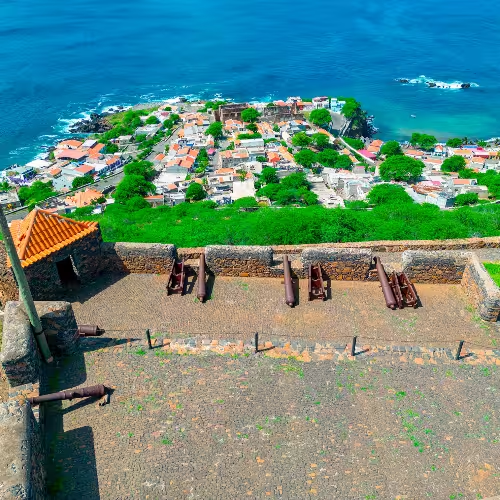
Patim showcases the natural beauty of Santo Antão, with its distinctive basalt cliffs and terraced mountain valleys. Visitors can explore the surrounding volcanic terrain and experience traditional local architecture that reflects centuries of island settlement. The village provides access to scenic coastal views and rural landscapes typical of this less-visited region.
Things to do in Patim
Travelers can undertake hiking expeditions through Santo Antão's interior valleys, offering trails through traditional farming communities. Visitors may engage with local residents to learn about sustainable agriculture practices on the island and participate in cultural exchanges that highlight Cape Verdean traditions and daily life.
Local Culture and Traditions
Patim embodies the spirit of Santo Antão, where traditional fishing and agriculture remain central to the community. The village maintains strong cultural ties to Cape Verdean heritage, with residents preserving age-old practices and oral traditions that have sustained island communities for generations. This cultural authenticity makes Patim a meaningful destination for those seeking genuine human connection.
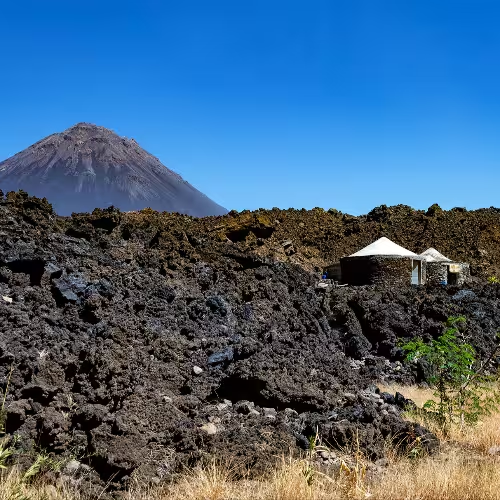
Patim is located on Santo Antão, the second-largest island in the Cabo Verde archipelago off the coast of West Africa. The island is known for its dramatic volcanic terrain, deep valleys, and mountainous interior. Patim represents a typical small settlement on this geographically isolated island, where the landscape is shaped by volcanic geology and Atlantic ocean influences. The village sits within a region characterized by sustainable agriculture and traditional livelihoods adapted to the island's arid climate.
Authentic Cultural Experience, Remote Island Village, Volcanic Landscapes, Traditional Cape Verdean Life, Sustainable Tourism, Hiking Destination