For travelers who appreciate the finer nuances of culture and agriculture, wine tastings offer an immersive gateway into the heart of a destination. This experience is much more than simply consuming a beverage; it is a sensory exploration of a region's history, climate, and soul. From the rolling hills of established wine regions to the emerging landscapes of boutique wineries, a wine tasting experience allows guests to connect with the land through the glass. Whether you are enjoying a casual wine flight in a modern tasting room or participating in a sommelier-led tasting in a historic estate, the process encourages a deeper appreciation for the labor and artistry behind every bottle.
The modern landscape of wine tourism (also known as enotourism) has evolved to cater to diverse palates and interests. Many visitors now seek out organic wine and biodynamic wine producers to learn about sustainable farming practices, while others prioritize cellar tours to witness the mysterious aging process in oak or amphorae. A guided wine tour typically moves beyond the pour, offering insights into terroir - the unique combination of soil, topography, and climate that gives a wine its specific character. From crisp white wine tasting in coastal areas to robust red wine tasting in sun-drenched valleys, these experiences provide a literal taste of the place you are visiting.
The history of wine is inextricably linked with the history of civilization itself. For thousands of years, from the ancient Mediterranean to the furthest reaches of the New World, the cultivation of the vine has been a symbol of prosperity and religious significance. What began as a local agricultural necessity has transformed into a sophisticated global industry where local wineries serve as cultural ambassadors. The tradition of winery visits grew out of the hospitality of farmers who would invite travelers to sample the previous year’s harvest, a practice that eventually birthed the professionalized tasting room of today.
In the contemporary era, the rise of enotourism has turned functional agricultural sites into world-class travel attractions. Architectural masterpieces now house gravity-flow production facilities, and historic family estates have opened their private vaults for cellar tours. The culture of wine has also become more inclusive; while the classic red wine tasting remains a staple, there is a growing global passion for rosé tasting and specialized sparkling wine tasting events. This cultural evolution ensures that wine tasting tours are no longer reserved for the elite, but are accessible adventures for anyone curious about the intersection of nature and craftsmanship.
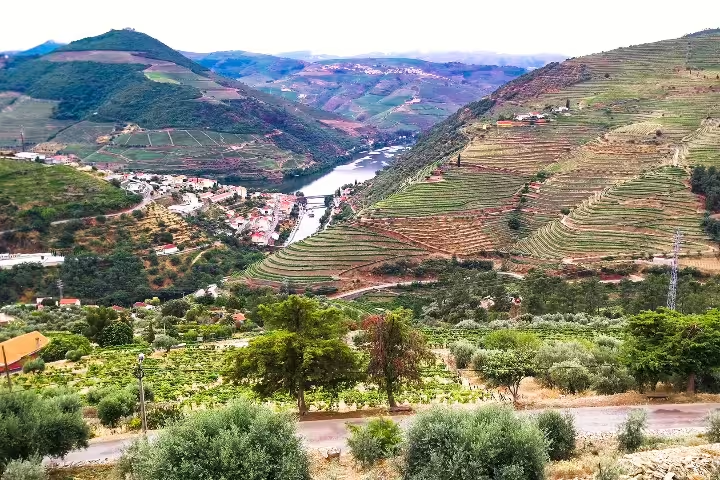
Wine regions are found on nearly every continent, typically situated between 30 and 50 degrees latitude. While some local wineries are accessible by public transport from major cities, most vineyard tours are best experienced via a guided wine tour or a rental car to reach the more remote, picturesque estates.
Reservations are increasingly essential for a wine tasting experience, especially at boutique wineries with limited capacity. Many estates offer various wine tasting tours packages, ranging from a basic wine flight to a comprehensive private wine tasting with a dedicated educator. Harvest season (crush) is the most vibrant time to visit, though spring and autumn offer the most pleasant weather for walking the vines.
Most modern winery visits are fully accessible, featuring paved paths to the tasting room and elevators for cellar tours. However, some historic sites may have gravel paths or uneven stone floors in older aging caves. Many wineries now provide family-friendly areas and non-alcoholic options like artisanal grape juices to ensure an inclusive environment.
We prioritize quality over quantity. We recommend starting with a sommelier-led tasting to build a foundation of knowledge before exploring independently. We also emphasize the importance of a wine pairing session, as understanding how local food complements the regional viticulture is key to a complete wine tourism experience. For those concerned with sustainability, we highlight organic wine and biodynamic wine producers who are leading the way in environmental stewardship.
🍇 Vineyard Tours: Walk through the rows of vines to understand the growth cycle and the impact of the local terroir.
🏰 Cellar Tours: Descend into the cool, quiet depths of an aging cellar to see where the magic of maturation happens.
🎓 Sommelier-Led Tasting: Gain professional insights into tasting notes, structure, and aging potential from a wine expert.
🍽️ Wine Pairing: Discover how local cheeses, chocolates, or full meals can transform the flavors of a specific wine flight.
✨ Sparkling Wine Tasting: Learn about the "traditional method" and the delicate art of carbonation in premium bubblies.
🌿 Organic & Biodynamic Visits: Explore the cutting edge of sustainable agriculture and its influence on flavor profiles.
🥂 Private Wine Tasting: Enjoy an exclusive, intimate session tailored specifically to your group's preferences and knowledge level.
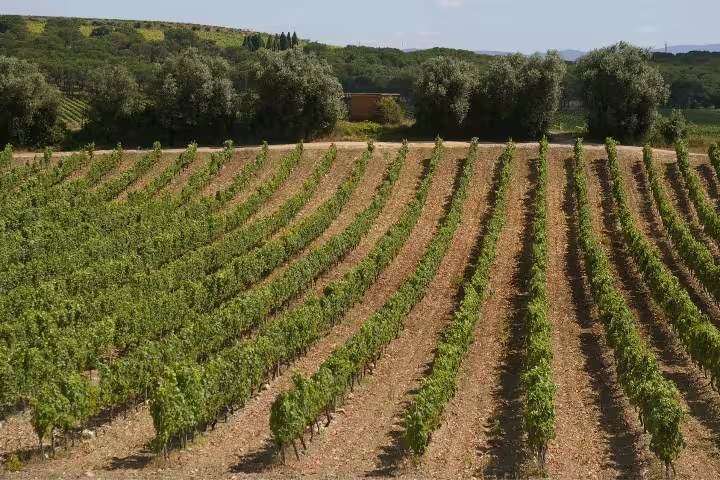
The experience typically begins with a drive through scenic landscapes, where the geometry of the vines creates a calming backdrop. Upon arrival for your winery visits, you are often greeted by a host who provides an overview of the estate’s philosophy. On a guided wine tour, the journey often starts in the vineyard itself, where you can see the soil and the vines up close. The air is often filled with the scent of fermenting fruit or aging wood, a distinct hallmark of the winemaking environment.
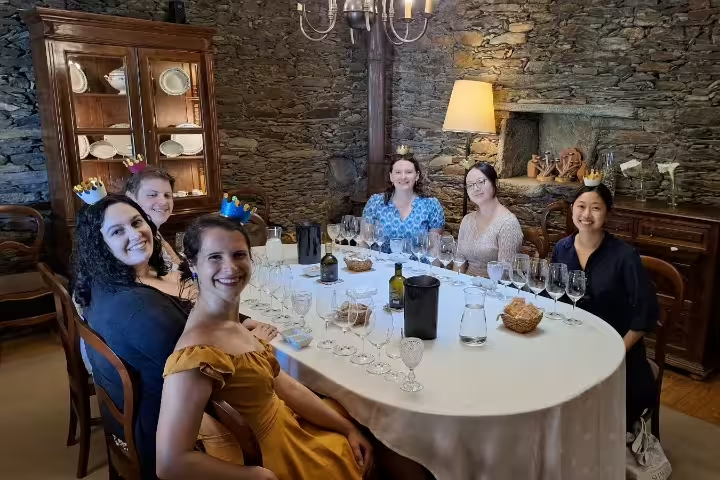
As you move into the tasting room, the focus shifts to the glass. A standard wine flight allows you to sample a progression of styles, usually starting with lighter whites and moving toward heavier reds or dessert wines. The guide or sommelier will walk you through the "four S's"—see, swirl, sniff, and sip—helping you identify the complex aromas and flavors. If you have opted for a wine pairing, this is where the culinary magic happens, as a small bite of local food suddenly unlocks new dimensions in the wine. The session usually concludes with an opportunity to visit the boutique, where you can purchase your favorite bottles to take home as a liquid souvenir of your journey.
To make the most of your wine tasting tours, avoid wearing heavy perfumes or colognes, as these can interfere with your ability to perceive the delicate aromas of the wine. It is also wise to "spit" or use the provided dump buckets if you are visiting multiple local wineries; this ensures your palate stays sharp and you remain safe throughout the day. If you are planning a private wine tasting, don't be afraid to ask technical questions—winemakers love to share their passion for terroir and production methods.
When visiting a tasting room, try to start your day with a white wine tasting or sparkling wine tasting while your palate is fresh, saving the heavier, tannin-rich reds for later. If you find a bottle you love at one of the boutique wineries, buy it there; many small-production wines are never exported and can only be found at the source. Finally, always arrange for a designated driver or book a guided wine tour with transport included to ensure a stress-free and responsible enotourism adventure.
Wine estates are often located in rich agricultural belts with plenty of secondary attractions.
Artisanal Creameries: Often found near wine regions, these are perfect for sourcing local cheeses for your own wine pairing.
Olive Groves: Many wineries also produce high-quality oils; look for estates offering both wine tastings and oil samples.
Farm-to-Table Bistros: Located in the heart of the village, these restaurants often feature extensive lists from local wineries.
Hiking Trails: Many regions feature paths that wind through the vineyards, offering scenic viewpoints of the estates.
This guide to wine tastings provides a global framework for exploring the world’s most celebrated and emerging viticultural areas. Curated by Toursxplorer.com, these insights help you navigate the rich world of enotourism with confidence and curiosity.
What is the difference between a wine flight and a full tasting? A wine flight is typically a set of small pours (usually 2–3 ounces each) served together for comparison. A full wine tasting experience often includes more detailed storytelling, a larger variety of wines, and often a cellar tours or vineyard component.
Should I tip at a tasting room? Tipping customs for wine tastings vary by country. In the United States, it is common to tip the educator, especially for a private wine tasting. In many European wine regions, the fee is often inclusive, though a small gratuity for exceptional service is always appreciated.
Can I visit boutique wineries without an appointment? While some local wineries accept walk-ins, boutique wineries often have very small staffs and require advanced booking for winery visits to ensure someone is available to host you.
How long do wine tasting tours usually last? A standard tasting room visit takes about 45 to 60 minutes. If you include cellar tours and a vineyard tours, you should plan for 90 minutes to two hours per estate.
Is it okay to go to a wine tasting if I am a beginner? Absolutely. Wine tourism is one of the best ways to learn. Most sommelier-led tasting sessions are designed to be educational and welcoming, with no prior knowledge required.