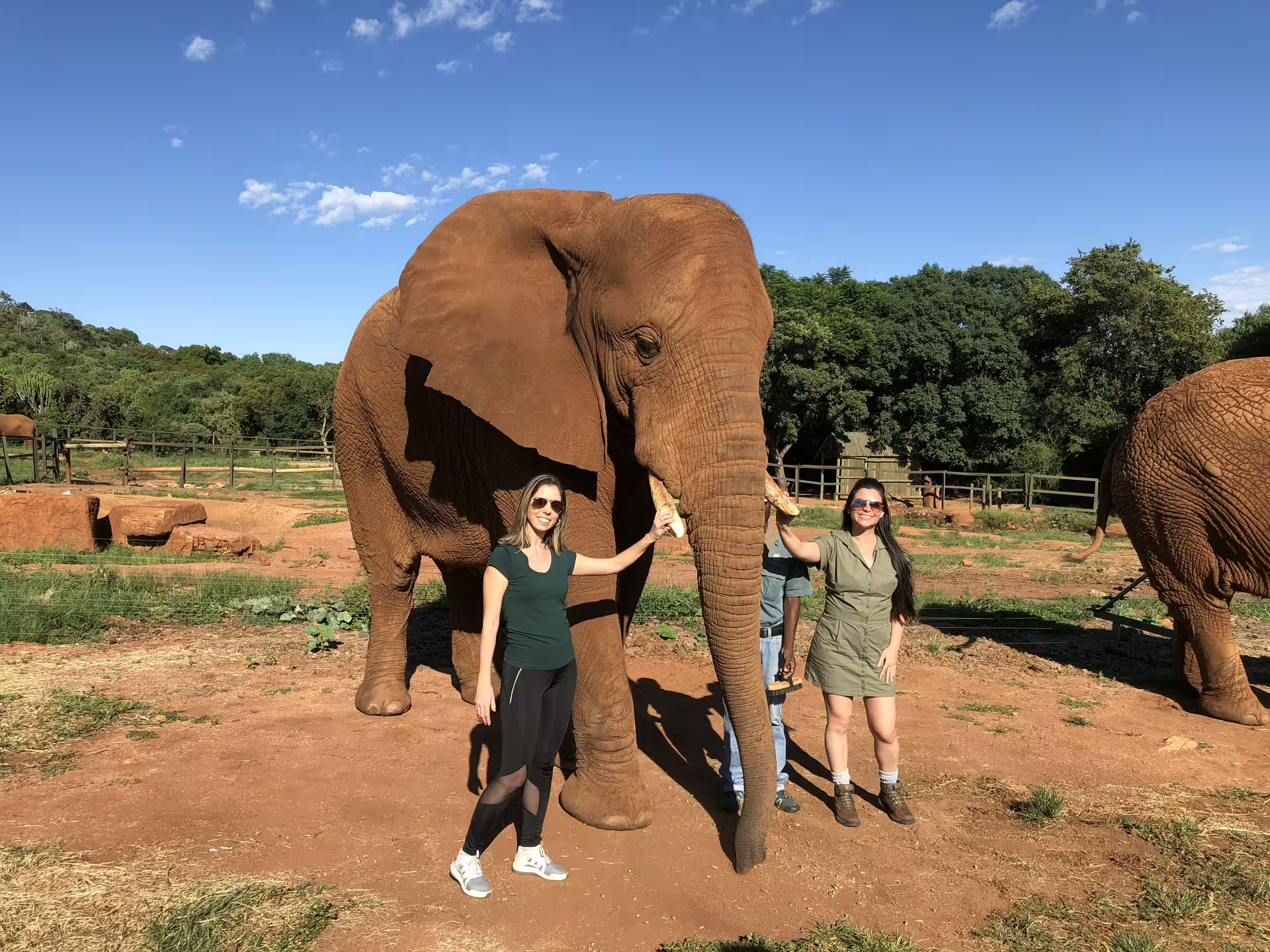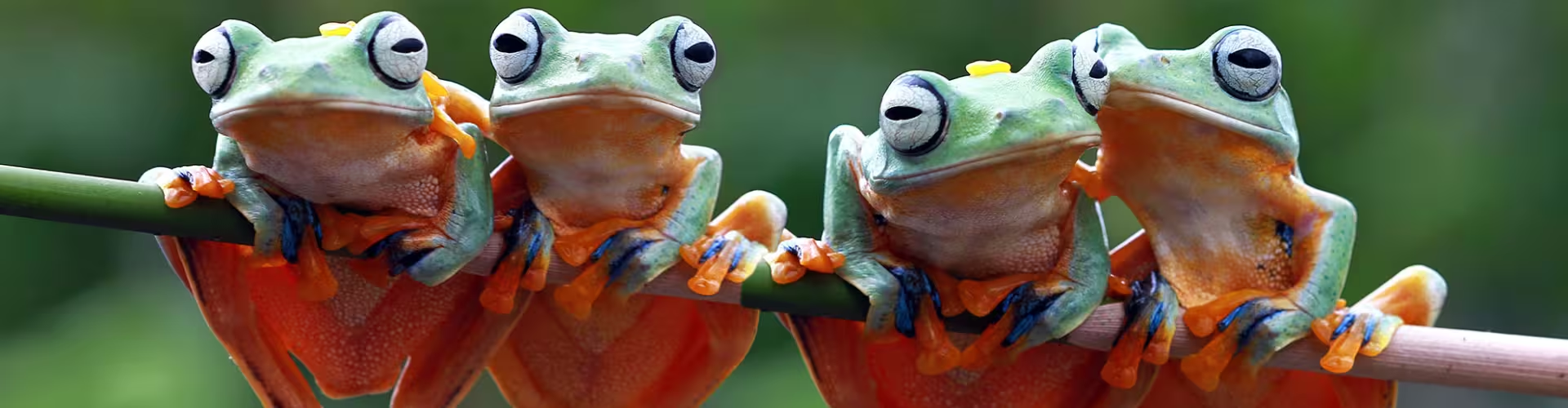
A wildlife experience is more than just a sightseeing trip; it is an immersive entry into the natural rhythms of our planet. From the vast savanna safari plains of Africa to the dense foliage of a rainforest wildlife expedition, nature and wildlife travel offers a unique opportunity to witness animals in their ancestral habitats. Whether you are embarking on a high-adrenaline big five safari or a quiet morning of birdwatching tours, these encounters foster a deep sense of wonder and a renewed commitment to the environment. Modern wildlife tours cater to every preference, offering everything from the comfort of a luxury safari lodge to the raw adventure of wildlife tracking on foot in remote nature reserves.
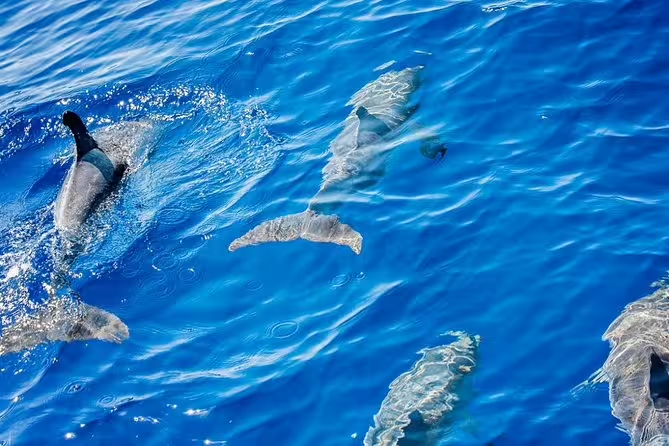
The beauty of wildlife watching lies in its unpredictability. Every game drive or marine wildlife tours outing is unique, dictated by the seasons, the weather, and the innate behavior of the animals themselves. Travelers can choose specialized adventures such as gorilla trekking in mist-covered mountains, a tiger safari in arid woodlands, or the seasonal majesty of whale watching in the open ocean. By choosing guided wildlife tours, participants benefit from the expertise of local trackers and biologists who transform a simple sighting into a profound educational animal encounters session.
The history of human interaction with wildlife has shifted dramatically from exploitation to preservation. For much of the nineteenth and early twentieth centuries, "expeditions" were often centered on the harvest of specimens. However, the mid-twentieth century saw the birth of the modern national park safari concept, where the focus turned toward protecting biodiversity. This evolution gave rise to eco tourism, a movement dedicated to minimizing human impact while maximizing the benefits for local communities and ecosystems.
In 2026, responsible wildlife tourism is the global standard. Conservation travel now plays a vital role in funding anti-poaching units and habitat restoration projects. Modern explorers are no longer just observers; through wildlife photography tour opportunities and citizen science programs, they become active participants in the survival of endangered species. The transition from the "trophy" to the "photograph" represents a landmark cultural shift, ensuring that nature and wildlife travel continues to support the protection of the world's most vulnerable wildlife spotting locations.
Wildlife tours are located in the world’s most pristine biomes. Major gateways include protected nature reserves, national parks, and marine sanctuaries. Access often requires a mix of international flights followed by specialized transport like light aircraft, 4x4 vehicles, or expedition boats to reach the wildlife experience heartlands.
Booking a small group wildlife tour or a specialized gorilla trekking permit often requires several months of lead time due to strict daily quotas designed to protect the animals. Timing is essential; for example, a savanna safari is best during the dry season when animals congregate at waterholes, while birdwatching tours often coincide with annual migrations.
While a rainforest wildlife trek can be physically demanding, many national park safari destinations are increasingly accessible. Specialized vehicles and luxury safari lodge facilities provide high levels of comfort for those with limited mobility. Marine wildlife tours often utilize large, stable vessels with ramps and accessible viewing decks.
We prioritize responsible wildlife tourism above all else. We recommend operators who maintain a respectful distance from animals and adhere to strict ethical guidelines. For the best results, we suggest a small group wildlife tour, which offers a quieter, more intimate experience that is less likely to disturb the wildlife spotting environment.
🦁 Big Five Safari: Seek out the lion, leopard, rhinoceros, elephant, and cape buffalo in their natural savanna habitat.
🦍 Gorilla Trekking: Embark on a life-changing hike to meet the gentle giants of the rainforest.
🐋 Whale Watching: Witness the spectacular breaching of humpbacks or the steady glide of orcas in the deep blue.
🐯 Tiger Safari: Track the elusive orange-and-black predator through the dense undergrowth of protected reserves.
🦅 Birdwatching Tours: Discover a world of color and song with expert guides in the world’s top avian hotspots.
📸 Wildlife Photography Tour: Capture the perfect shot with the help of professional photographers who know the best angles and light.
🌙 Nocturnal Wildlife Tour: Use specialized infrared lights to see the forest or savanna come to life after dark.
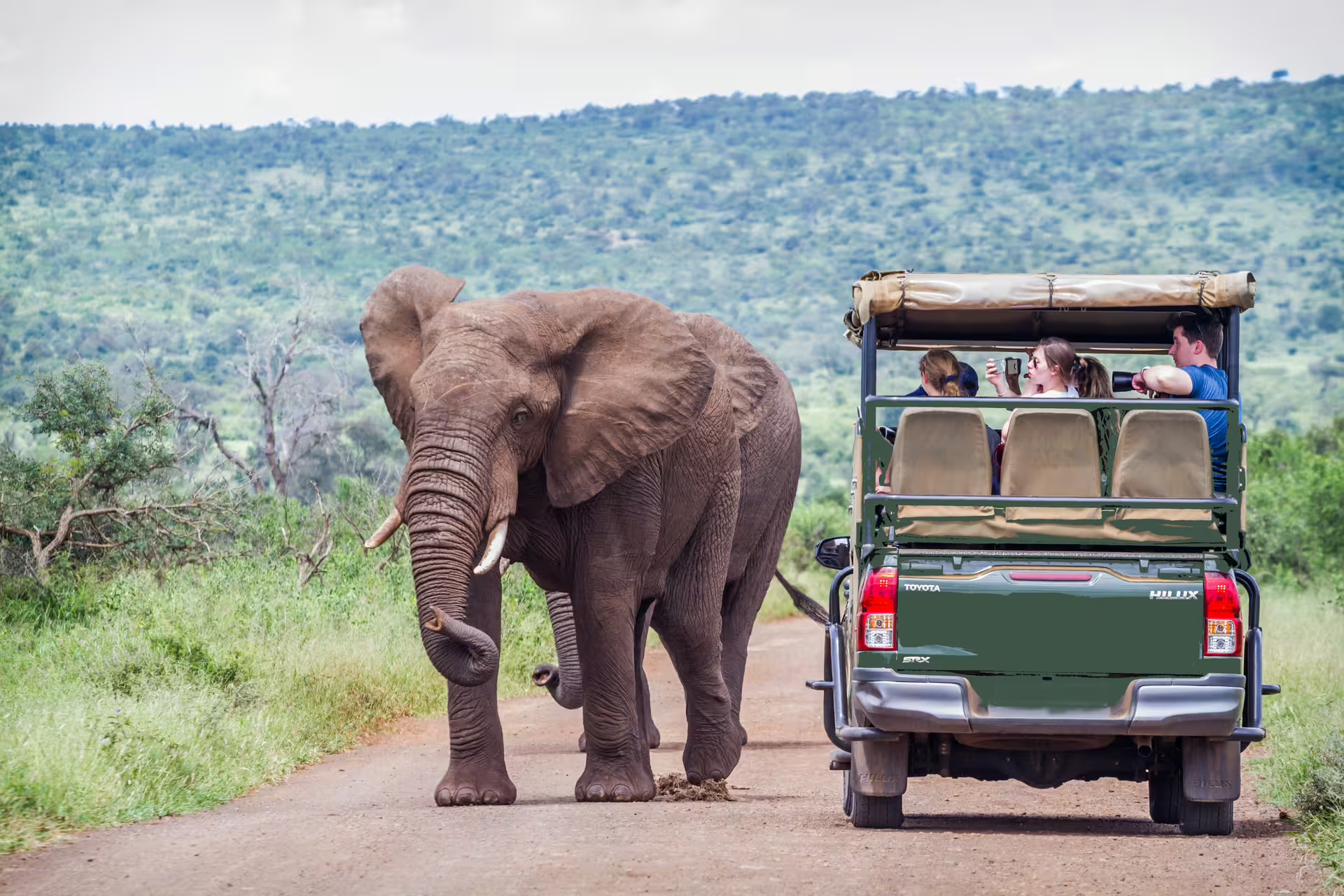
A typical day on a wildlife safari begins before the sun rises. The morning air is crisp as you climb into your vehicle for a game drive. This is the peak time for wildlife spotting, as predators are still active before the heat of the day sets in. On a guided wildlife tours excursion, the guide will often stop to point out wildlife tracking signs—a fresh footprint in the dust or a specific alarm call from a bird—that reveal the presence of a nearby leopard or pride of lions.
By mid-day, the experience usually transitions to a nature and wildlife travel lodge or camp for lunch and a rest. The afternoon might include a nature boat tour through wetlands wildlife areas or a specialized session on wildlife photography tour techniques. As evening approaches, a second outing often concludes with a "sundowner" in the bush, watching the sky turn vibrant colors before a nocturnal wildlife tour begins. For those on family wildlife holidays, the evening is often spent around a fire, sharing stories of the day’s animal encounters and learning about local conservation efforts from the guides.
To maximize your wildlife experience, invest in a high-quality pair of binoculars; being able to see the details of a bird's feathers or the expression of a primate is essential for wildlife watching. For a wildlife photography tour, bring extra memory cards and batteries, as you will likely take hundreds of photos in a single game drive.
Always wear neutral-colored clothing—khakis, greens, and browns—to blend into the environment and avoid startling the animals. If you are on a budget safari, consider traveling during the "shoulder season" when prices are lower, and the parks are less crowded. Most importantly, always follow your guide’s instructions during animal encounters. Whether you are in a vehicle or on a wetlands wildlife boat, your safety and the well-being of the animals depend on keeping a respectful and silent distance.
While most wildlife areas are remote, many gateway towns offer excellent proximity to supporting attractions.
Conservation Centers: Many nature reserves are adjacent to rehabilitation centers where you can learn about tiger safari or elephant rescue efforts.
Local Craft Markets: Support the communities that live alongside wildlife by purchasing handmade sustainable goods.
Botanical Nature Walks: Often found near a luxury safari lodge, these offer a safe way to explore local flora on foot.
Photography Galleries: View the work of professionals who have spent years capturing the perfect wildlife spotting moments.
This guide to wildlife experiences provides a global perspective on one of the world's most rewarding travel categories. Curated by Toursxplorer.com, these insights help you find the best guided wildlife tours and support responsible wildlife tourism globally.
What is the "Big Five" in a wildlife safari? The "Big Five" refers to the lion, leopard, rhinoceros, elephant, and cape buffalo. Historically named by hunters, these are now the most sought-after species for wildlife watching and wildlife photography tour enthusiasts.
Is gorilla trekking safe for beginners? Yes, but it requires a moderate level of physical fitness. Most gorilla trekking outings involve hiking through uneven terrain for several hours, but you are always accompanied by expert guides and trackers.
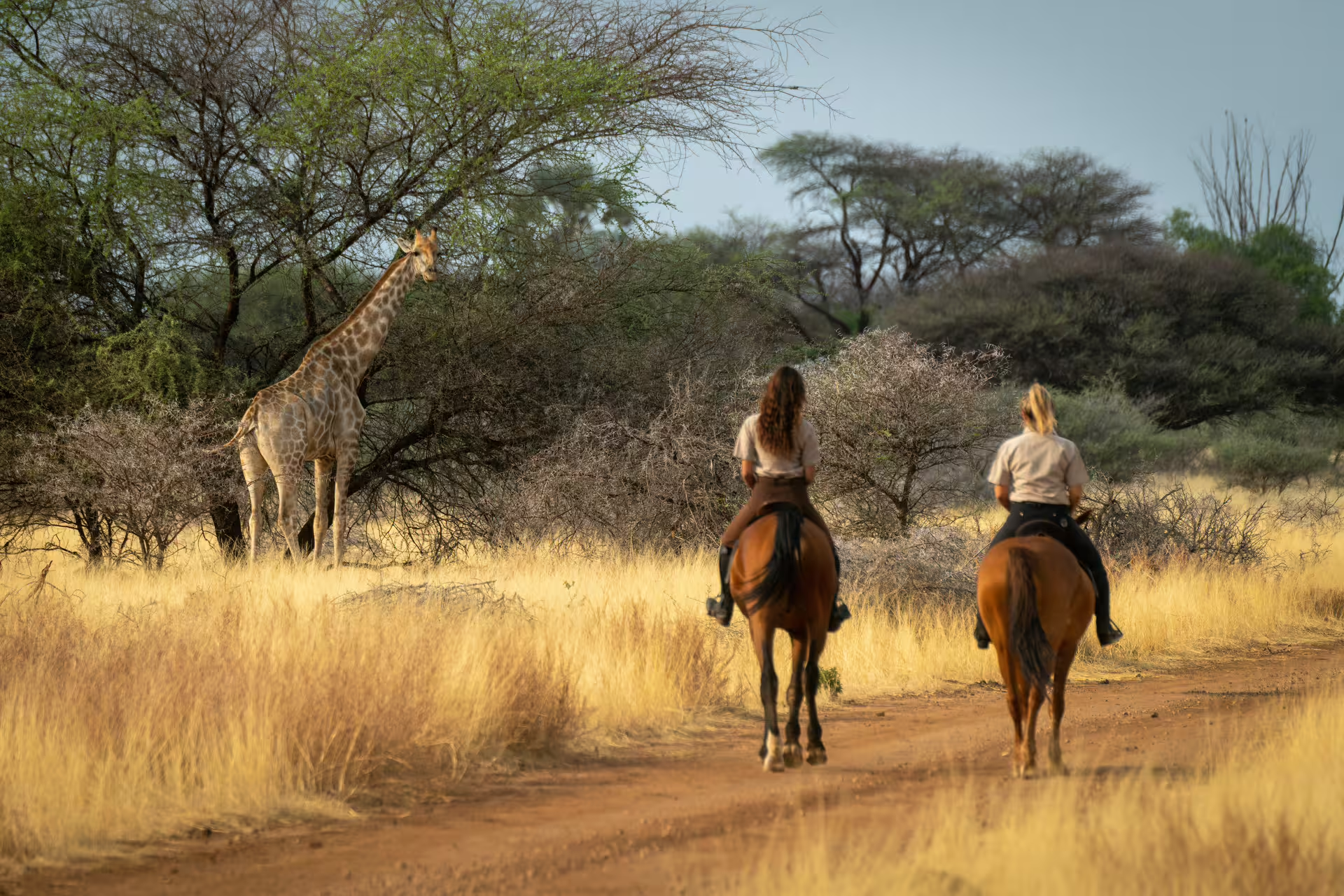
What is the difference between a game drive and a nature walk? A game drive is conducted in a vehicle, allowing you to cover more ground and see larger animals safely. A wildlife tracking walk is done on foot, focusing on smaller details like insects, plants, and tracks.
Are family wildlife holidays suitable for young children? Many family wildlife holidays are designed for children, featuring "junior ranger" programs. However, some luxury safari lodge options have age limits for specific activities like wildlife tracking on foot.
How do I ensure my tour supports eco tourism? Look for operators with recognized eco tourism certifications and those who actively fund local conservation travel projects or community initiatives.