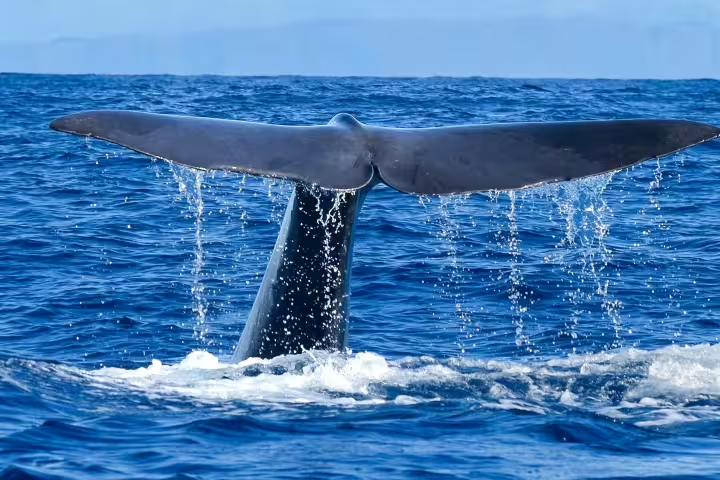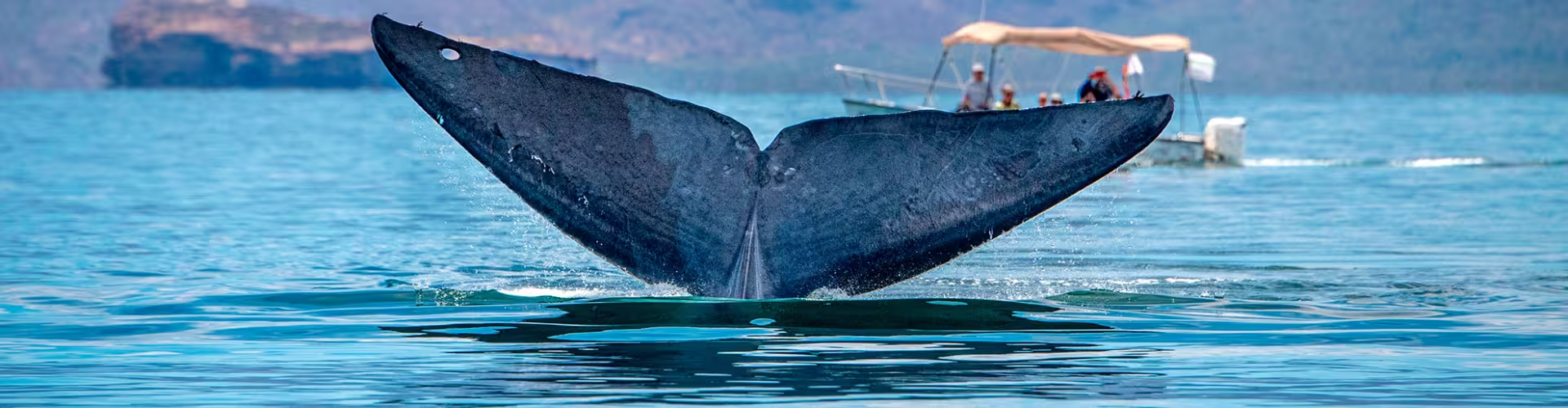
For many travelers, the first time they witness the sheer scale of a breaching whale or the synchronized play of dolphin pods, it becomes a defining travel memory. Whale and dolphin watching is a premier form of marine wildlife tours, offering an "ocean safari" experience that connects humans with the largest and most intelligent inhabitants of the sea. These nature excursions by sea take place along rugged coastlines and across deep oceanic trenches, where nutrients draw in diverse species of cetaceans. Whether you are on a high-speed zodiac or a stable coastal wildlife cruises vessel, the anticipation of marine mammal spotting creates an electric atmosphere on deck.
As a global industry, cetacean watching spans every continent, from the icy waters of the polar regions to sun-drenched tropical lagoons. Travelers can choose from a variety of experiences, including specialized photography whale watching outings, educational guided marine tours, and even a sunset whale watching cruise for a more atmospheric encounter. However, the core of the modern experience is responsible whale watching. By choosing eco-friendly whale watching operators, you ensure that these magnificent animals are observed without disruption to their natural behaviors, supporting both the local economy and global conservation efforts.
The history of our relationship with whales and dolphins has seen a monumental shift from industrial exploitation to protective observation. Throughout the 19th and early 20th centuries, many of the best places for whale watching today were centers for whaling. The transition to recreational whale watching tours began in the mid-20th century, coinciding with a global movement to "Save the Whales." Today, the economic value of marine wildlife tours far outweighs that of historical harvesting, proving that animals are worth more to local communities alive and in their natural habitat.
This cultural evolution has birthed a new era of ethical dolphin encounters and whale observation. Modern guided marine tours often feature onboard naturalists or marine biologists who use these trips to collect vital data for cetacean watching research. This synergy between tourism and science means that every passenger on a responsible whale watching trip is indirectly contributing to the protection of migration routes and breeding grounds. As we move through 2026, the focus remains on deepening this connection, ensuring that whale and dolphin watching remains a sustainable pillar of global tourism.
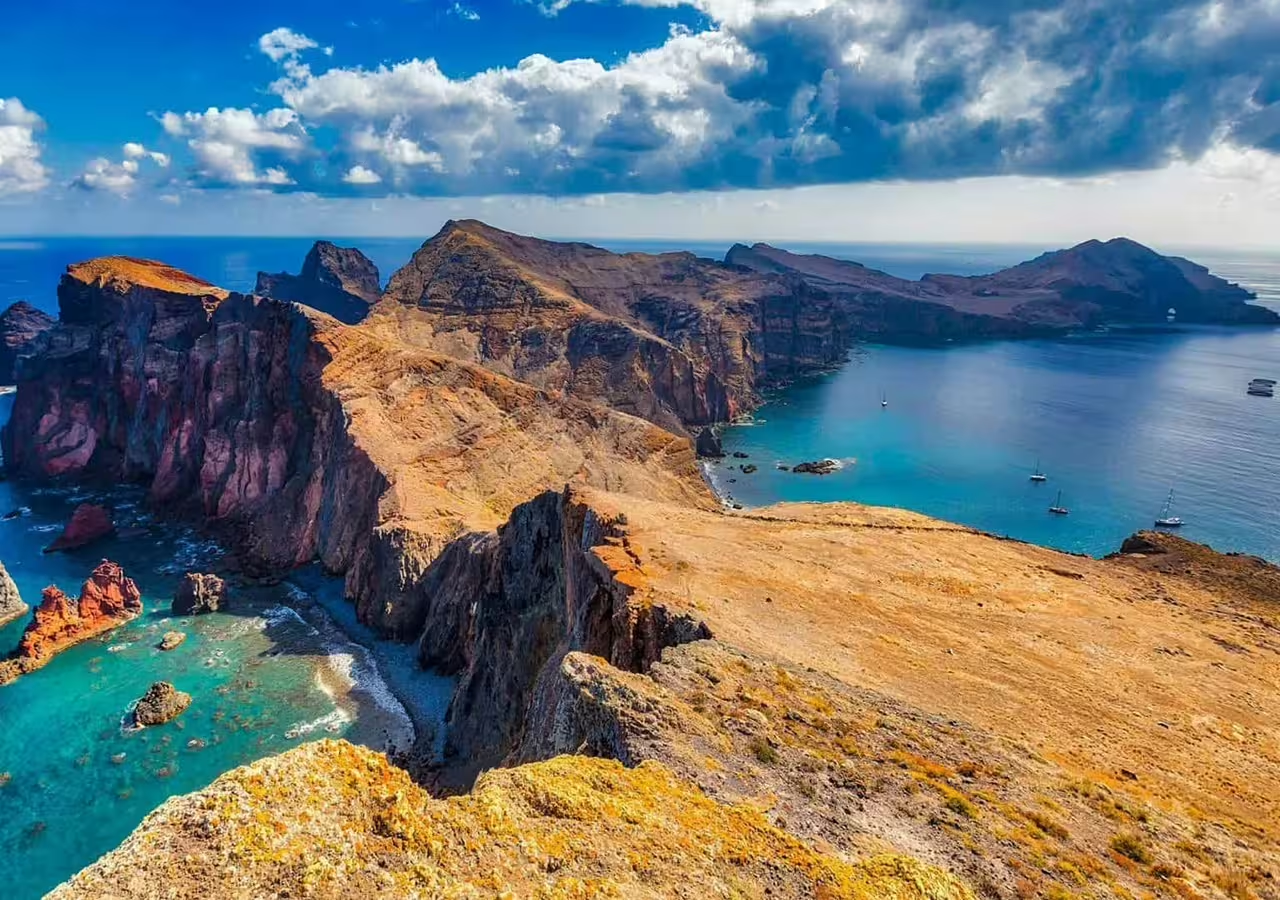
The best places for dolphin watching and whale spotting are generally located near deep-water drop-offs or along well-established migration paths. Coastal towns with developed harbors serve as the primary hubs for boat trips for whales and dolphins. Accessibility is usually high, with tours departing from central marinas that are well-connected to major tourist centers.
Timing is everything in marine travel. Most regions have a specific whale migration season, which can range from a few weeks to several months. Whale watching tours should be booked well in advance during these peak windows. While dolphin watching tours are often possible year-round in many locations, seeing specific whale species like Humpbacks, Blue Whales, or Gray Whales requires precise seasonal planning.
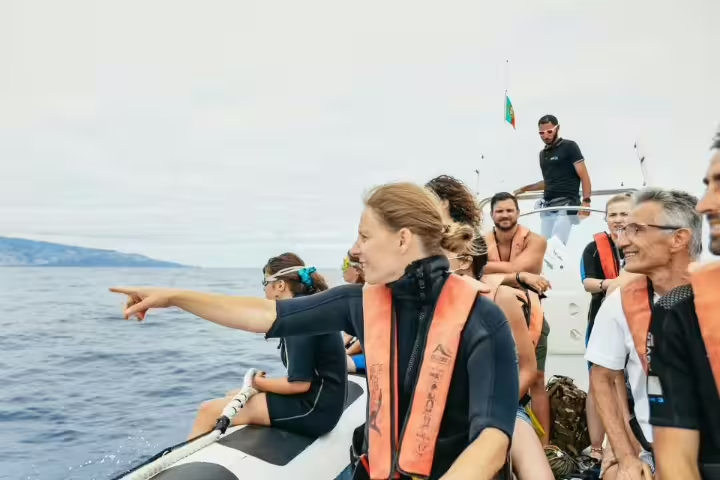
Most modern coastal wildlife cruises utilize large catamarans or stable vessels designed with accessibility in mind. These boats often feature ramps, accessible restrooms, and sheltered seating areas. However, smaller "zodiac-style" boats used for high-speed marine mammal spotting may not be suitable for those with limited mobility or back issues. Always check the vessel type when booking family-friendly wildlife tours.
We prioritize responsible whale watching credentials. We recommend operators who follow the "Code of Conduct" regarding distance, speed, and noise levels. We also suggest looking for eco-friendly whale watching certifications, as these companies often invest back into local marine sanctuaries. For enthusiasts, we prioritize photography whale watching tours that offer low-to-the-water perspectives.
🐋 Breaching Humpbacks: Experience the thunderous splash as a 40-ton whale leaps entirely out of the water.
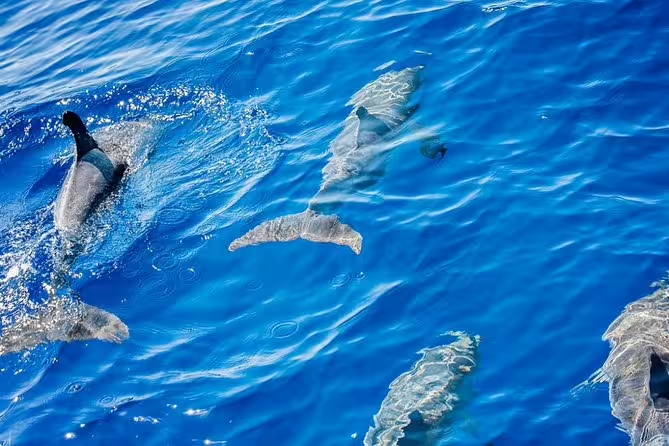
🐬 Playful Dolphin Pods: Watch as pods of bottlenose or common dolphins bow-ride, using the boat’s wake to glide.
🌅 Sunset Whale Watching Cruise: Capture stunning silhouettes of fins and tails against a vibrant evening sky.
🎓 Naturalist-Led Education: Learn about acoustics, social structures, and the biology of cetaceans from expert guides.
📸 Photography Opportunities: Perfect your skills with photography whale watching trips that focus on ideal lighting and positioning.
🐳 Whale Migration Season: Witness the spectacular sight of hundreds of whales moving through a single corridor.
🌊 Ocean Safari Adventure: Explore remote coastlines and hidden bays on an immersive nature excursions by sea.
The experience begins at the pier, where the salt air and the sound of gulls set the stage for your ocean safari. After boarding your vessel for a guided marine tours session, the captain provides a safety briefing and explains the day’s search strategy. As the boat moves away from the coast, the search for the "blow"—the misty spray of air as a whale exhales—begins. On coastal wildlife cruises, the onboard naturalist often uses a hydrophone to let guests listen to the haunting songs of whales or the clicks of dolphin pods underwater.
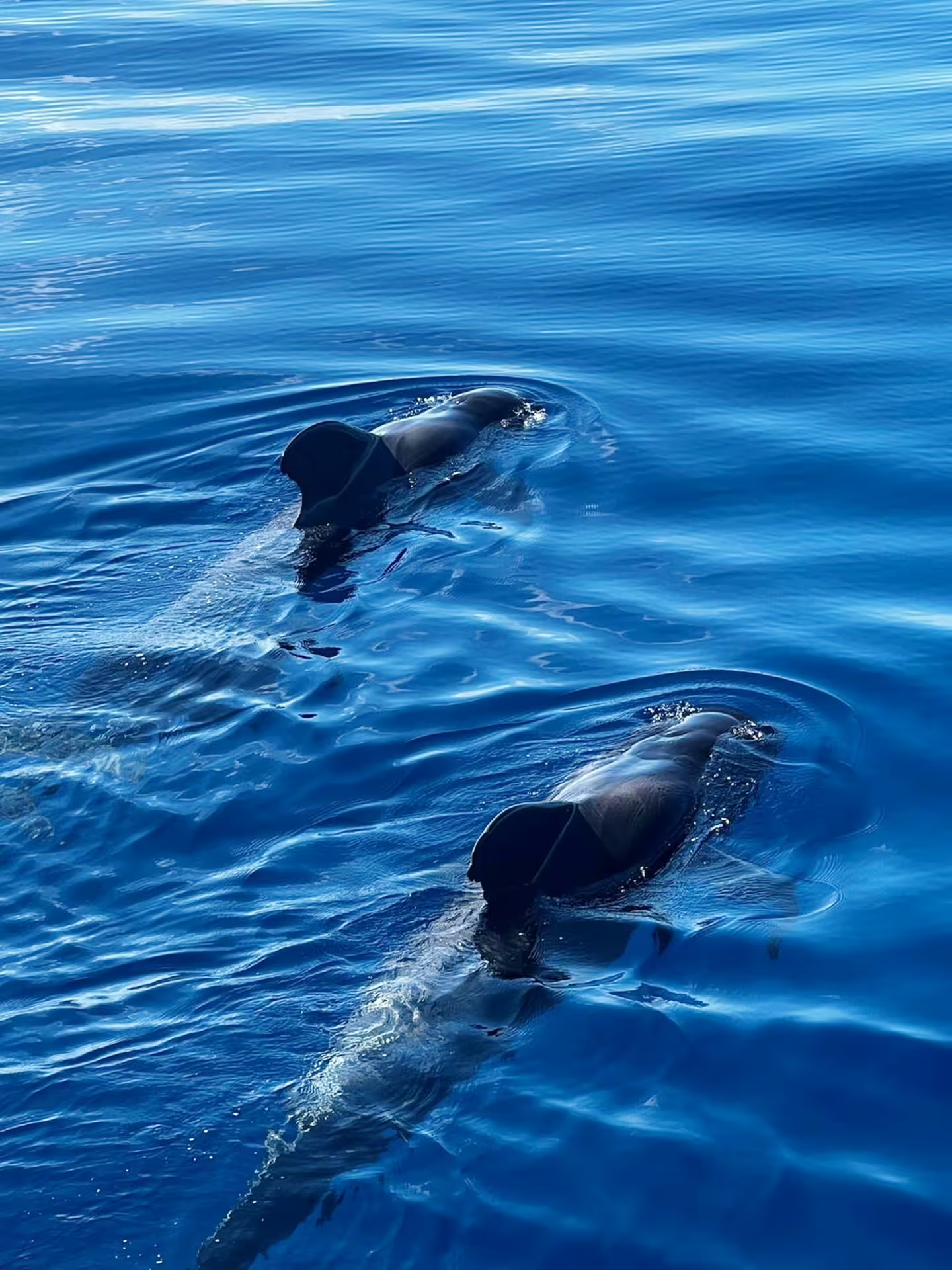
When a sighting occurs, the atmosphere shifts to a hushed excitement. The boat slows to a respectful distance, allowing the animals to approach if they choose. You might see a "fluke" (the tail) as a whale dives, or witness "spy-hopping," where a whale raises its head vertically out of the water to look at the boat. On dolphin watching tours, the animals are often much more active, leaping through the air in coordinated displays. For those on family-friendly wildlife tours, these moments are often educational, as children learn to identify different species and understand the importance of ocean health. By the time you return to the harbor, the vastness of the sea feels a little more intimate.
To get the most out of whale and dolphin watching, always bring a pair of high-quality binoculars; even if the animals are close, the detail you can see through lenses is incredible. For photography whale watching, use a fast shutter speed (at least 1/1000) to freeze the motion of a splash or a jump.
Even on warm days, the air on the open ocean is significantly cooler than on land, so dressing in layers is essential for any nature excursions by sea. If you are prone to motion sickness, choose a larger catamaran for your coastal wildlife cruises and stay on the lower deck near the center of the boat where motion is minimized. Finally, remember that these are wild animals in a vast environment; patience is key, and the most rewarding marine mammal spotting often happens when you least expect it.
Marinas used for boat trips for whales and dolphins are usually vibrant hubs with many secondary attractions.
Marine Discovery Centers: Visit these local museums to see life-sized models and learn more after your whale watching tours.
Seafood Bistros: Enjoy the local catch in a waterfront setting while reviewing your photos.
Lighthouse Viewpoints: Many harbors feature historic lighthouses that offer a great land-based vantage point for marine mammal spotting.
Coastal Trails: Take a walk along the cliffs to see if you can spot dolphin pods from the shore.
This guide to whale and dolphin watching provides a global framework for aquatic discovery. Curated by Toursxplorer.com, these insights help you find the best places for whale watching while supporting responsible whale watching initiatives worldwide.
When is the best time for whale watching? The best time depends entirely on the whale migration season for your specific destination. Generally, winter and spring are peak times for many regions as whales move to warmer waters for breeding.
How do I know if a tour is eco-friendly? Look for eco-friendly whale watching labels or memberships in organizations like the World Cetacean Alliance. These operators follow strict guidelines regarding boat speed and distance from the animals.
Will I get wet on a whale watching tour? On a large coastal wildlife cruises vessel, you will likely stay dry. However, on smaller boats or during high-speed marine wildlife tours, there is a chance of sea spray, especially if the wind picks up.
Can children go on dolphin watching tours? Yes, most dolphin watching tours are highly family-friendly wildlife tours. They are shorter than whale tours and often feature very active animals that keep children engaged.
Is it guaranteed that we will see whales or dolphins? As these are wild animals, sightings can never be 100% guaranteed. However, most professional whale watching tours have a high success rate (often over 90%) during the peak season.