Via Ferrata, The Iron Path 🏞️
🧭 Overview
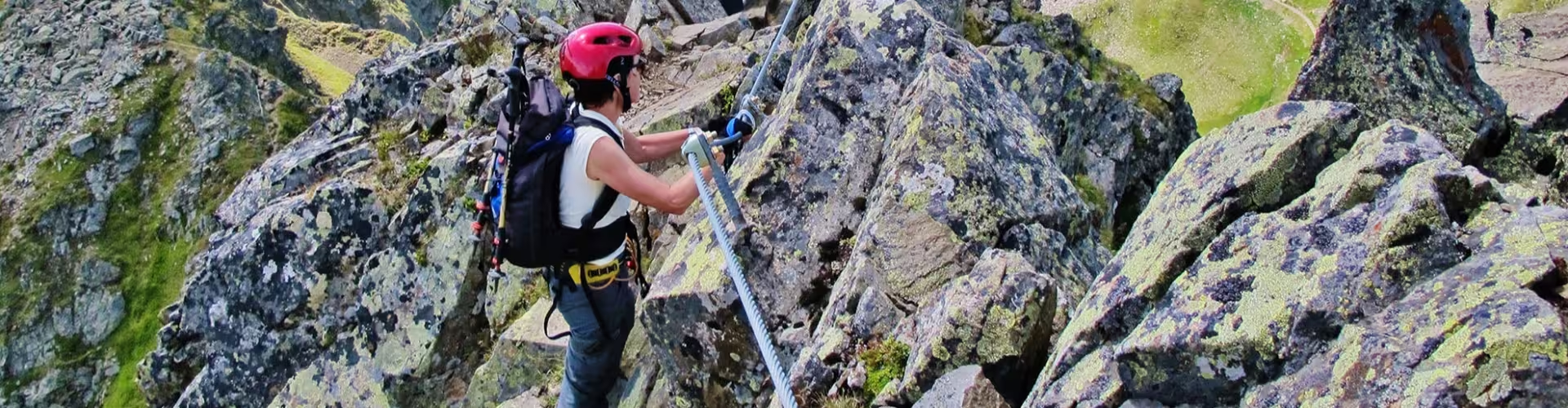
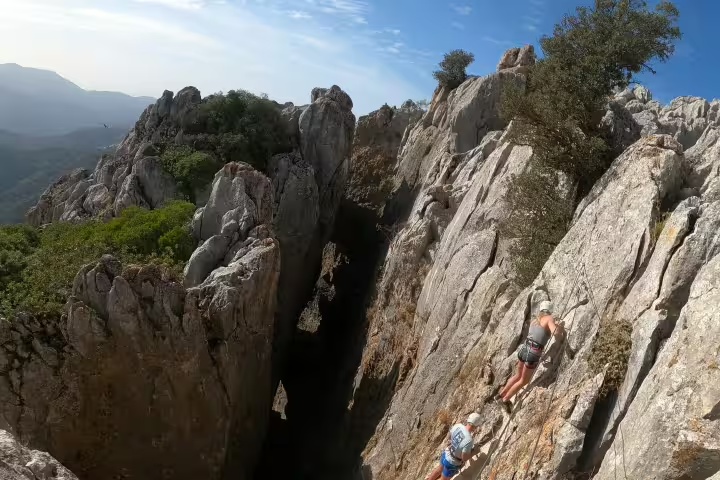
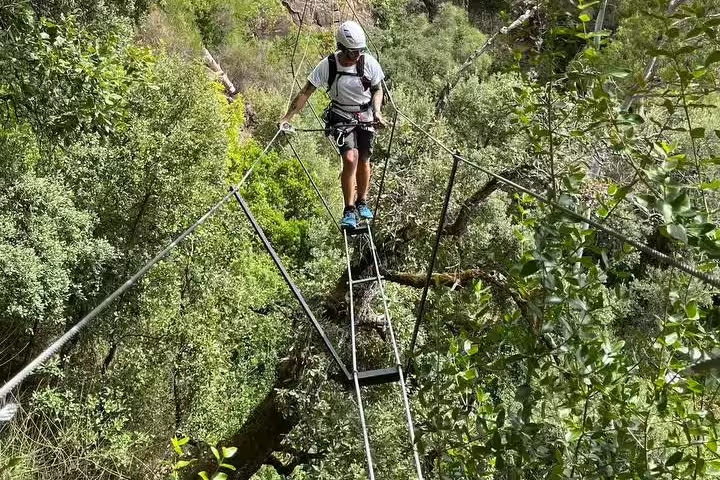
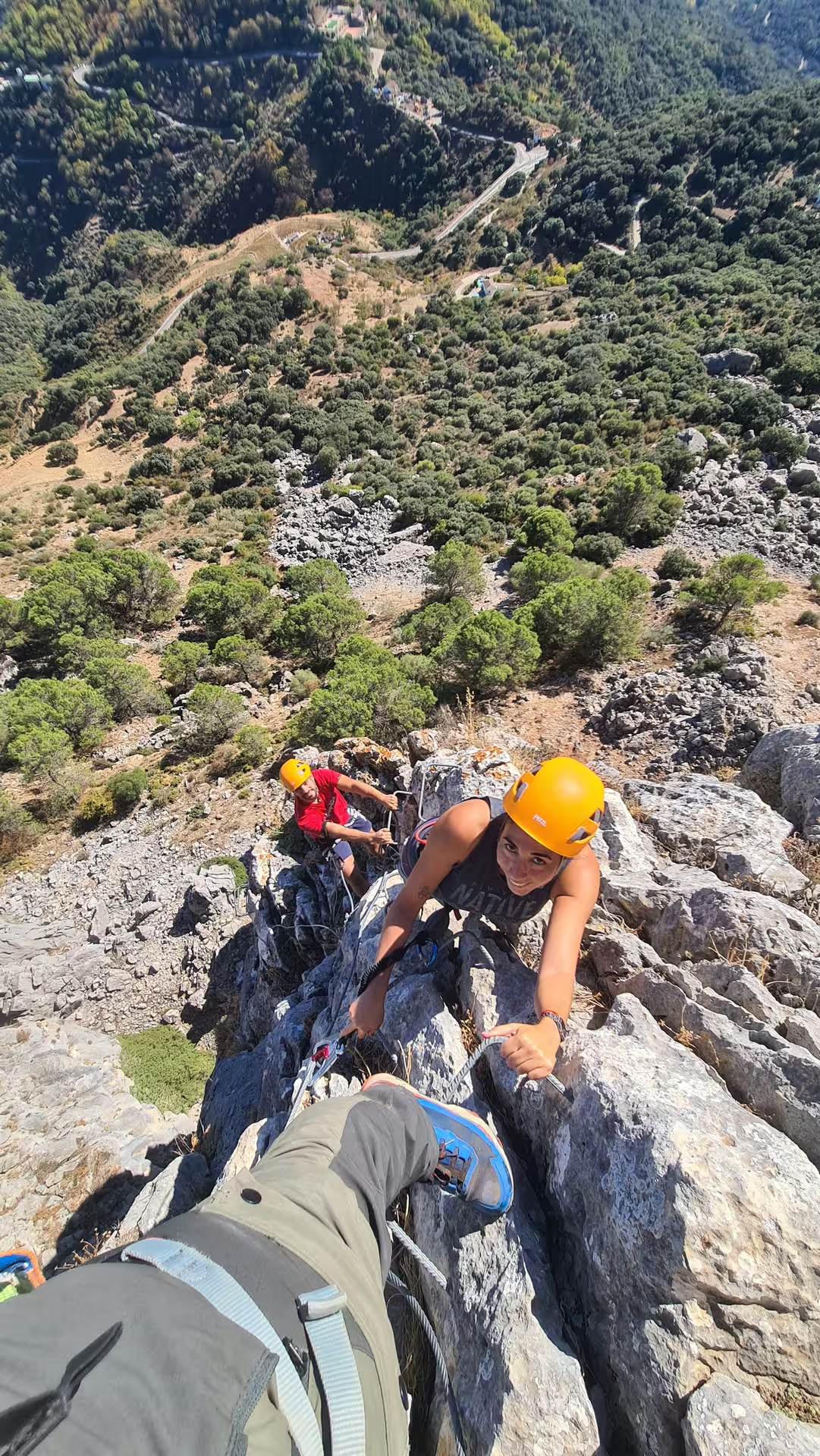
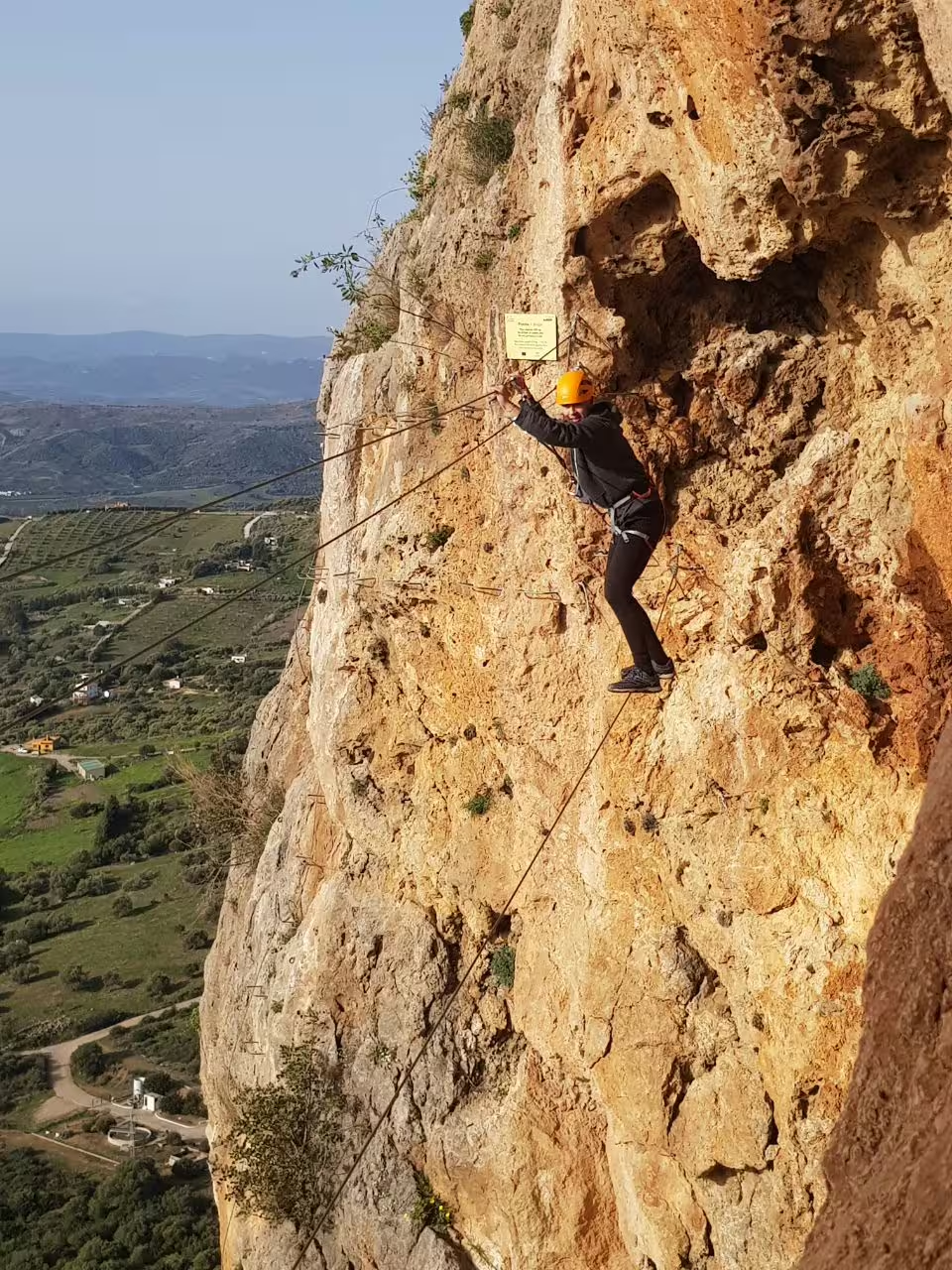
Via Ferrata, or 'Iron Path', offers an exhilarating climbing experience on a protected climbing route with fixed cables, ladders, and bridges. Originally developed in the Italian Dolomites during WWI, today it invites thrill-seekers to enjoy breathtaking views and vertical ascents with minimal skills. This adventure tourism activity is accessible to most fitness levels, making it perfect for beginners and seasoned climbers alike who crave an adrenaline rush while embracing the elements.
🗺️ Key Facts
📍 Location and Access
Typically found in mountain regions like the Dolomites and Swiss Alps, these routes offer stunning landscapes.
🎟️ Tickets and Timing
Access to Via Ferrata may be free or involve a small fee. Reservations for guided tours are recommended to ensure safety and optimal enjoyment.
♿ Accessibility
While the activity requires some physical ability, the use of specialized gear makes it accessible to various fitness levels.
🧾 Editor Priorities
Focus on panoramic views, emphasize the ease of access to beginners, and highlight the thrill of suspended bridges.
⭐ Highlights
- 🌄 Panoramic Views: Enjoy breathtaking vistas from unique vantage points.
- 🧗♂️ Beginner Friendly: Ideal for those new to climbing, with minimal technical skills required.
- 🔗 Suspended Bridges: Experience the thrill of crossing high-altitude bridges.
- 🌍 Global Destinations: Explore iconic locations such as the Dolomites and Swiss Alps.
- 🛡️ Vetted Safety: Guided tours provide all necessary equipment and safety support.
🚶 What To Expect
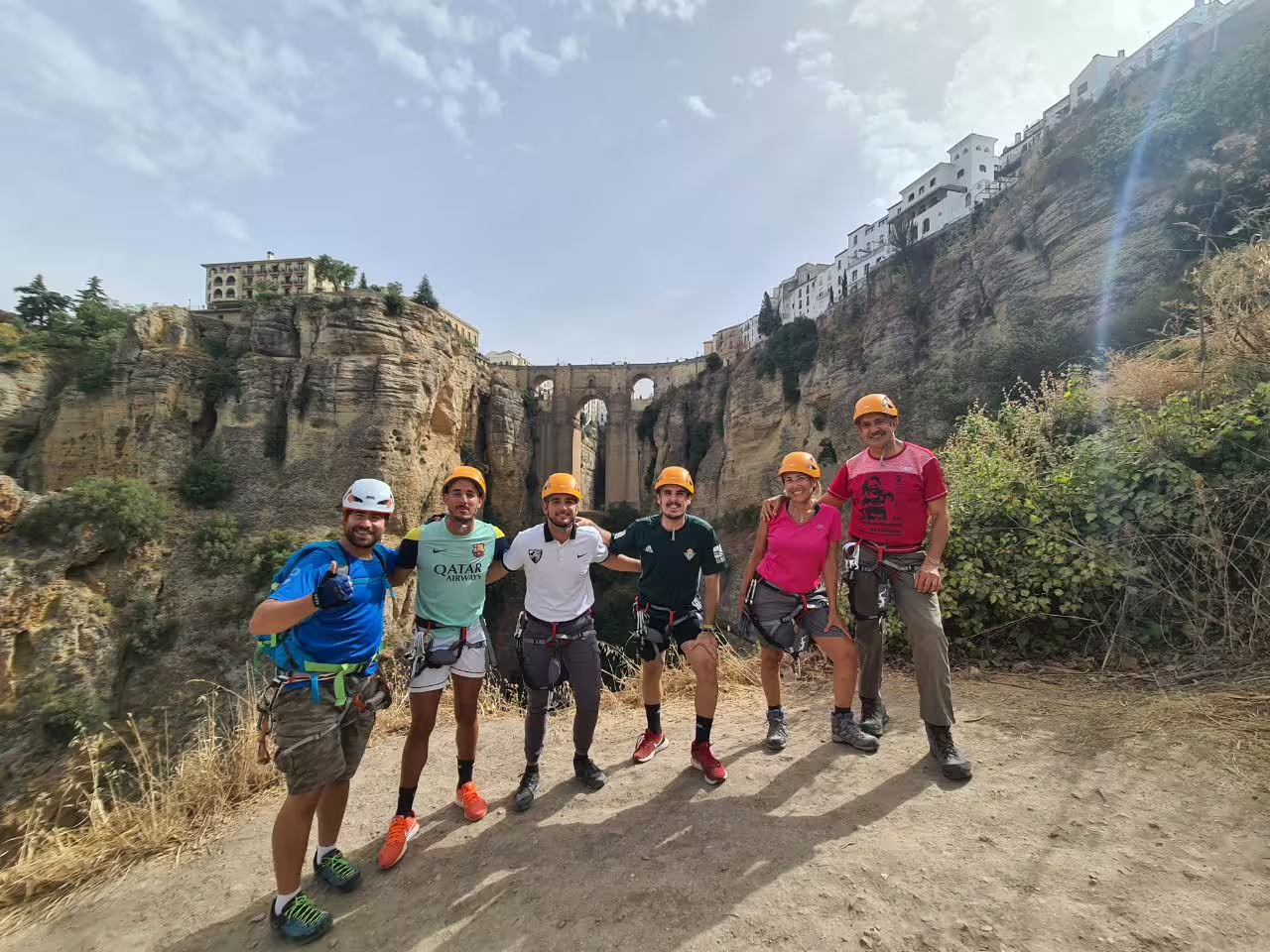
A typical visit to a Via Ferrata involves gearing up with a harness, helmet, and Via Ferrata gear, followed by an exhilarating climb. Guided tours offer structured experiences, ensuring both safety and the most rewarding routes. Avoid peak times for a more serene experience.
🚌 Getting There
Public transport options often include buses or trains to nearby towns, with further access by shuttle or taxi. Check weather conditions as safety can be weather-dependent.
🧭 Nearby In A Short Walk
- Dolomites Hiking Trails: Explore miles of scenic paths.
- Alpine Villages: Discover local culture and cuisine.
- Mountain Lakes: Perfect for a refreshing post-climb dip.
- Cable Car Rides: Enjoy easy access to stunning viewpoints.
- Local Markets: Shop for regional crafts and foods.
❓ Frequently Asked Questions, FAQ
- How long does a typical Via Ferrata tour take?
- Most tours last between 2 to 4 hours, depending on the route and skill level. Plan for half a day to include preparation and briefing.
- Are tickets needed for Via Ferrata routes?
- Some routes are free, while others might require a ticket. Booking a guided tour usually includes all necessary fees and equipment.
- Where do tours typically begin?
- Tours often start at a designated meeting point near the base of the mountain or at a local tour operator's office.
- When is the best time to experience Via Ferrata?
- The best seasons for Via Ferrata are spring to early autumn when weather conditions are favorable.
- Is Via Ferrata accessible to non-climbers?
- Via Ferrata is designed for all skill levels, with routes ranging from beginner to expert, making it accessible for most people with a reasonable fitness level.