Underground activities offer a rare perspective on our world, peeling back the layers of the earth to reveal hidden wonders and forgotten histories. This category of travel is defined by a sense of mystery and discovery, where the familiar landscapes of the surface give way to the silent, awe-inspiring realms of caves and caverns, underground cities, and subterranean lakes. The "vibe" of these experiences ranges from the serene beauty of crystalline geological formations to the adrenaline-fueled thrill of spelunking and mine exploration. Whether you are walking through ancient catacombs tours or discovering modern underground art spaces, these attractions provide a literal deep dive into the planet's core.
The primary reason why underground tours are a must-visit category is their ability to preserve environments and artifacts that would have otherwise perished on the surface. Within lava tubes and underground tunnels, time seems to stand still. For history enthusiasts, bunker tours and underground history tours offer a tangible connection to past eras of defense and urban survival. Meanwhile, adventure seekers are drawn to the physical challenge of cave exploration and navigating underground rivers. This strategy of subterranean travel ensures that every journey is both a geological lesson and a historical adventure, making it a perfect fit for adventure travel underground.
In 2026, the world of subterranean architecture has expanded to include more than just historical sites. We are seeing a surge in underground museums and even hidden bars speakeasies that utilize these sheltered spaces for an exclusive, atmospheric feel. From family-friendly underground attractions with paved paths and lighting to the raw, rugged nature of urban exploration, there is a depth of experience waiting for every type of traveler.
The heritage of underground activities is as old as humanity itself, with our earliest ancestors seeking refuge in caves and caverns. Historically, the subterranean world has served as a sanctuary, a place of worship, and a strategic stronghold. Underground cities in regions like Cappadocia or the vast catacombs tours of Europe reflect centuries of human ingenuity in the face of environmental and social pressures. The architecture found in these spaces—carved directly from the living rock—showcases a mastery of subterranean architecture that predates modern engineering by millennia.
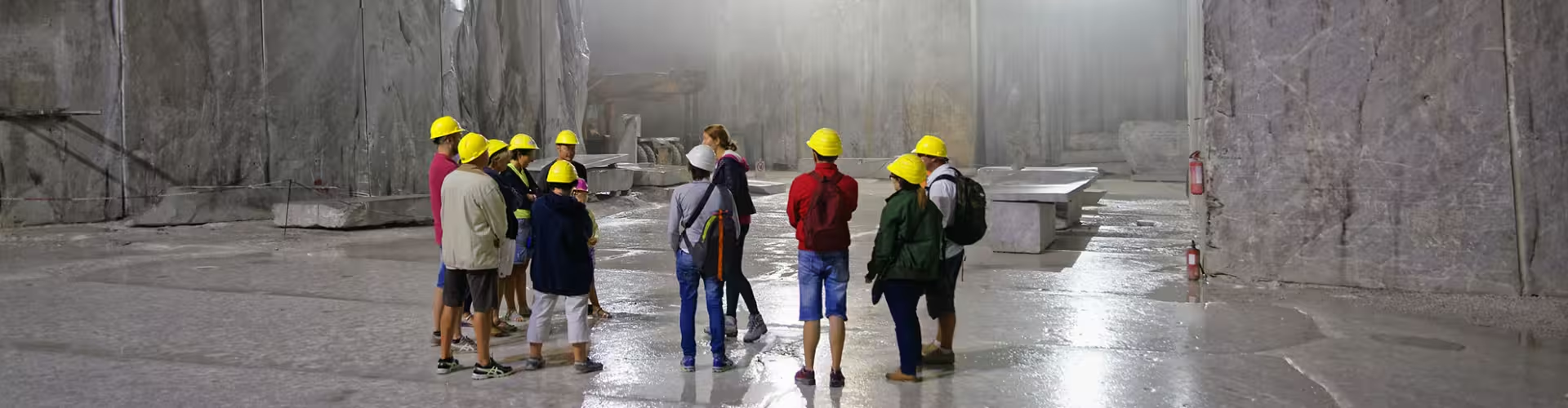
Modern underground tours also pay homage to the industrial era through abandoned mines tours and mine exploration. these sites represent the backbone of past economies and offer a glimpse into the lives of those who worked in total darkness. Today, these spaces are being repurposed into underground museums and underground art spaces, blending the rugged heritage of the earth with contemporary creativity. By exploring these subterranean attractions, visitors support the preservation of both the natural geological formations and the man-made heritage of our ancestors.
Underground activities are found in diverse environments, from the limestone-rich valleys housing caves and caverns to the urban centers where catacombs tours and underground tunnels are hidden beneath the streets. Access is typically managed via dedicated visitor centers or inconspicuous entrances in city buildings.
Ticketing for popular subterranean attractions often includes a mandatory guide for safety. Reservation_Required is common for specialized spelunking trips or bunker tours due to group size limits. Booking 1 to 3 weeks in advance is recommended for high-demand sites.
A typical underground tours experience lasts between 1.5 to 3 hours. It is important to remember that underground environments maintain a constant, cooler temperature year-round; even in summer, you will need extra layers.
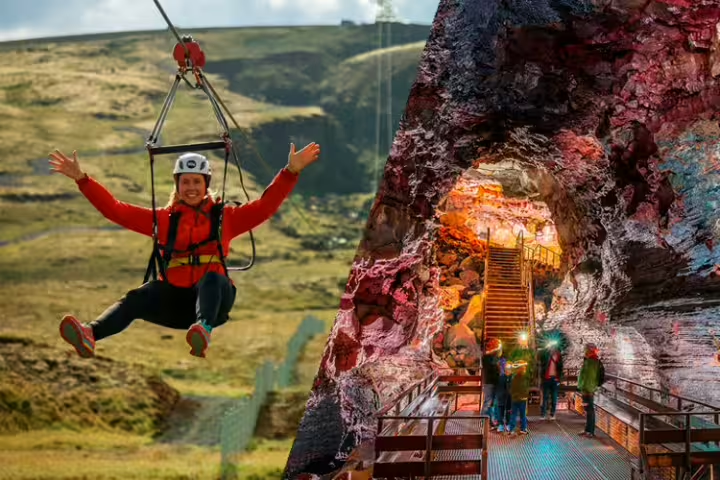
While many caves and caverns now feature family-friendly underground attractions with ramps and elevators, some mine exploration or lava tubes remain rugged and require a high level of mobility. Underground museums are generally the most accessible options in this category.
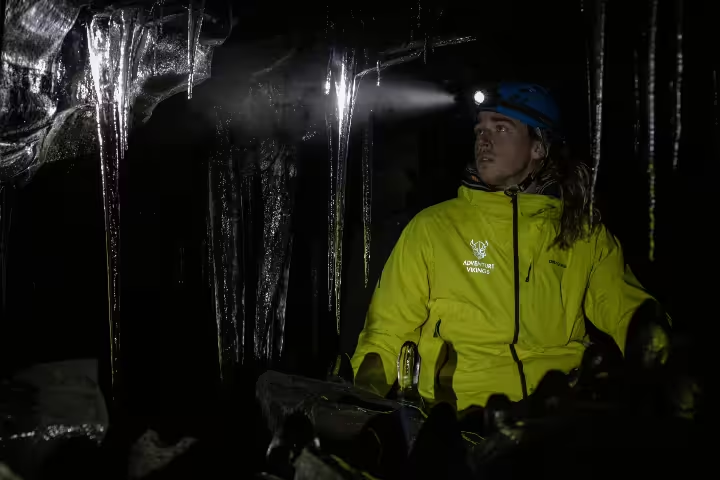
🔦 Cave Exploration & Spelunking: Navigate through majestic caves and caverns and witness stunning stalactites and stalagmites.
💀 Catacombs Tours: Explore the hauntingly beautiful ossuaries and underground history tours of the world's oldest cities.
🏙️ Underground Cities: Discover entire civilizations that lived, worked, and worshipped in multi-level subterranean attractions.
🚣 Underground Rivers & Lakes: Take a boat tour through flooded caverns to see bioluminescent life or hidden geological formations.
🏗️ Bunker Tours: Step into the Cold War era with visits to decommissioned shelters and underground tunnels.
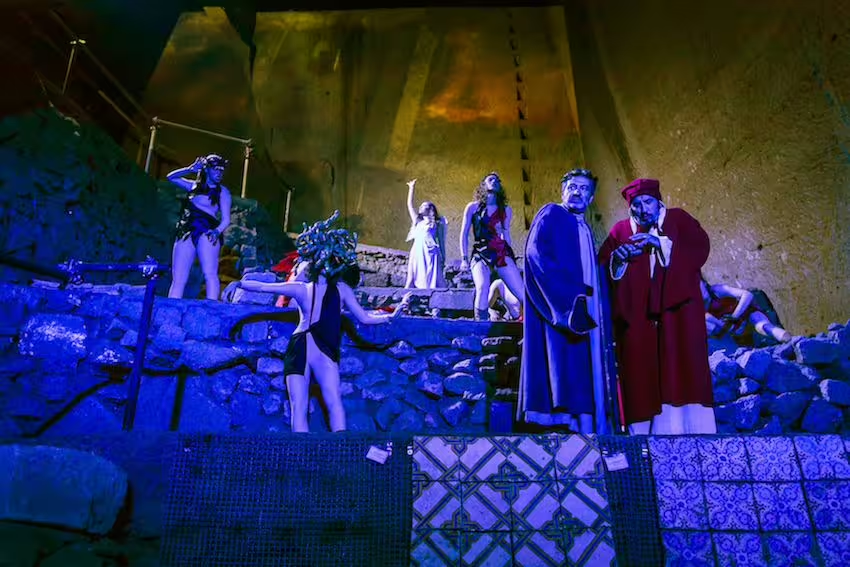
🎨 Underground Art Spaces: Experience contemporary installations and music in the unique acoustics of subterranean architecture.
🍷 Hidden Bars & Speakeasies: Enjoy the secretive "vibe" of underground nightlife in reclaimed basements and tunnels.
The experience of underground activities begins with a transition. As you leave the sunlight and enter underground tunnels or lava tubes, your senses immediately sharpen. The visitor experience is often guided to highlight the specific geological formations or historical milestones that define the space. In family-friendly underground attractions, subtle lighting is used to showcase the shimmering minerals and massive vaults without disturbing the natural atmosphere.
For those on adventure travel underground itineraries, the experience is more tactile. You may find yourself wading through underground rivers or crawling through narrow passages in a mine exploration tour. The silence of these spaces is profound, broken only by the sound of dripping water or the echoes of your guide’s voice. To avoid the biggest crowds, look for "early bird" underground tours or late-afternoon slots when the tour bus traffic has diminished.
Regarding the dress code, always wear sturdy, closed-toe shoes with good grip, as underground tunnels and caves can be slippery. Even if it is 30°C on the surface, underground temperatures often hover around 12–15°C; bring a light jacket. For age_notes, while many sites are great for kids, spelunking and certain abandoned mines tours may have a minimum age of 12 for safety. A "hidden" detail most miss is the "cave pearls" or "boxwork" formations that are rarer than standard stalactites—ask your guide to point them out!
Geological Museums: Often located near major caves and caverns to explain the chemistry behind the formations.
Surface Ruins: Many underground cities or bunker tours are located directly beneath historic surface landmarks.
Urban Parks: Many underground tunnels lead into or emerge from the city's green spaces.
This guide to underground activities was crafted by Toursxplorer.com to provide travelers with expert-led insights for an unforgettable journey into the depths of our world.
Is spelunking safe for beginners? Most underground tours offer "discovery" levels of spelunking designed for beginners, providing all necessary safety gear and expert guidance.
What should I wear for catacombs tours? Comfortable walking shoes and a light sweater are essential, as these subterranean attractions involve long walks in cool, damp conditions.
Are underground cities claustrophobic? While some passages can be narrow, many underground cities feature large, high-ceilinged rooms that feel surprisingly spacious and well-ventilated.
Can I visit abandoned mines tours without a guide? No. For safety reasons, mine exploration must always be conducted with a professional guide to navigate structural integrity and air quality.
Do underground museums have the same facilities as surface ones? Yes, most modern underground museums are fully equipped with restrooms, cafes, and gift shops, all built into the subterranean architecture.