A safari is more than just a trip; it is a profound journey into the heart of the natural world, offering an unparalleled connection to the earth’s most majestic inhabitants. This category of travel is defined by the rhythm of the wilderness, where days begin at dawn to the sounds of the bush and end under a vast, star-filled sky. The "vibe" of a safari vacation is a blend of raw adrenaline and deep serenity, appealing to those who seek the thrill of a game drive alongside the tranquility of a safari lodge. Whether you are witnessing the Great Migration on a Serengeti safari or searching for leopards in the rugged terrain of a Kruger safari, the experience is characterized by a sense of wonder and a deep respect for the wild.
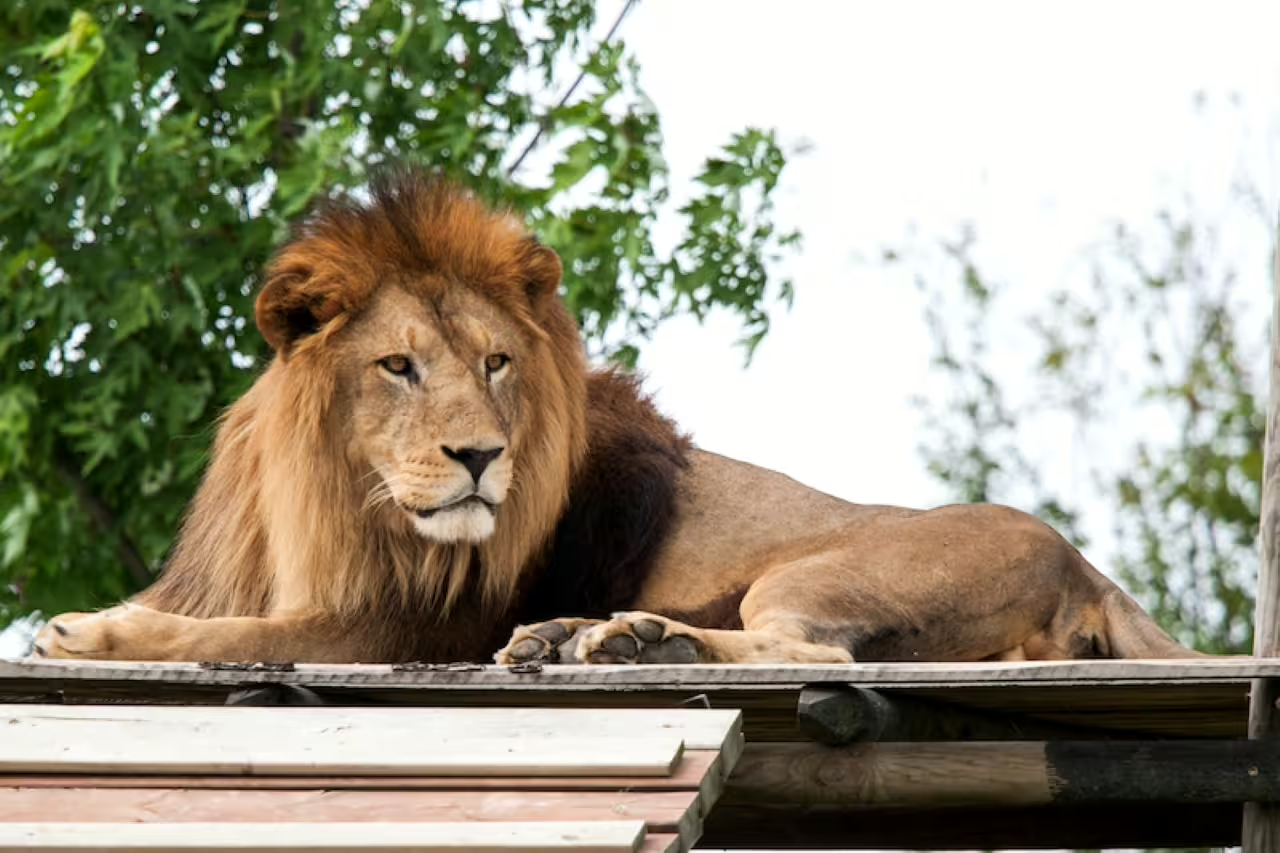
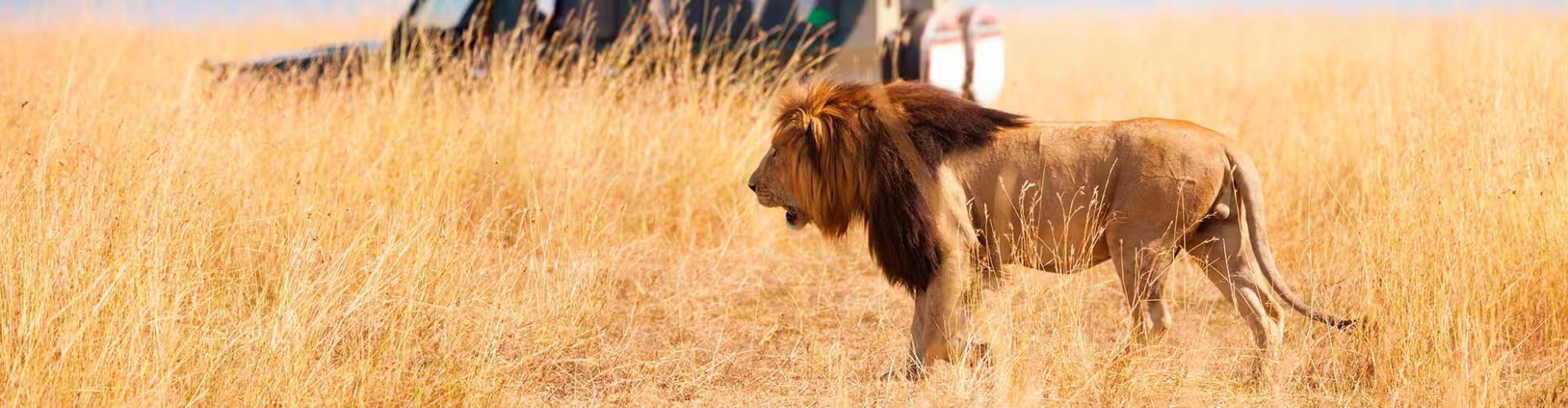
The core reason why a safari tour is a "bucket list" essential is the opportunity to witness the Big Five safari animals, lion, leopard, elephant, buffalo, and rhino, in their natural habitat. Modern safari packages are designed to provide deep educational insights through guided safari experiences. By following the tracks of predators and observing the intricate social structures of herds, travelers gain a transformative perspective on the importance of biodiversity. This strategy of immersive wildlife viewing makes every safari itinerary a unique story, where no two days in the bush are ever the same.
In 2026, the world of the African safari has evolved to prioritize ethics and expertise. From the high-end comforts of a luxury safari to the adventurous spirit of a photographic safari, the focus is on conservation safari efforts that protect these fragile ecosystems. By visiting a national park safari destination, travelers contribute directly to the survival of endangered species and the support of local communities, ensuring that the magic of the wild remains for generations to come.
The heritage of the safari has shifted dramatically from the colonial hunting expeditions of the early 20th century to the modern, eco-conscious wildlife safari of today. Historically, the word "safari" comes from the Swahili word for "journey," and it originally described long-distance trade routes across East Africa. Over time, the architecture of the safari lodge has evolved from basic tented camps to sophisticated, eco-friendly structures that blend seamlessly into the environment, reflecting a global shift toward sustainable travel.
Today, a Tanzania safari or a Kenya safari is a celebration of both natural and cultural heritage. The landscapes themselves—from the endless plains of a Maasai Mara safari to the lush wetlands of the Okavango—are living monuments of the planet's history. Conservation safari initiatives now use tourism as a primary tool for land protection, turning formerly threatened areas into thriving sanctuaries. This historical transition from exploitation to preservation is the foundation of every guided safari, where the goal is to observe and protect rather than disturb.
While most people think of a South Africa safari, the experience spans the continent. Major hubs include the vast plains of East Africa and the river systems of Southern Africa. Access is typically via light aircraft into remote bush strips or specialized 4x4 vehicles from regional gateway cities.
Ticketing for a national park safari usually includes conservation fees that support the park's upkeep. Because a safari vacation requires significant coordination, Reservation_Required is a strict rule for safari lodge stays and private safari guides. The best time for safari often books up 6 to 12 months in advance.
A typical safari tour lasts between 5 to 10 days to cover different habitats. The daily schedule is built around two game drive sessions: one at sunrise and one at late afternoon, when wildlife is most active. Choosing the best time for safari depends on seasonal rains and animal migration patterns.
Modern luxury safari operators are increasingly offering accessible vehicles and safari lodge suites. While the bush terrain is rugged, many camps now feature wooden boardwalks and specialized equipment to ensure a family safari is inclusive for travelers of all ages and abilities.
🦁 Big Five Safari: Track the lion, leopard, rhinoceros, elephant, and Cape buffalo with expert trackers.
🌅 Game Drive at Dawn: Experience the bush coming to life as predators return from the night's hunt.
🏨 Safari Lodge Living: Stay in world-class accommodations ranging from rustic tented camps to ultra-luxury villas.
📸 Photographic Safari: Benefit from specialized vehicles and guides who understand the best angles and lighting for wildlife.
🐘 Conservation Safari: Visit research centers and participate in programs that directly fund anti-poaching and habitat restoration.
🦒 Family Safari: Engage in educational "bush school" programs designed to inspire the next generation of conservationists.
✨ Honeymoon Safari: Enjoy the ultimate romantic escape with private sundowners and starlight dinners in the wilderness.
The typical flow of a safari vacation begins before the sun rises. Guests are woken with coffee before heading out on a morning game drive. This is the most critical time for wildlife viewing, as the air is cool and the "Big Five" are often on the move. Your guided safari expert will use radio communication and tracking skills to find the most exciting sightings, explaining the behavior of the animals as you watch from the safety of a 4x4 vehicle.
After a midday "siesta" at the safari lodge to avoid the heat, the experience resumes with an afternoon drive that concludes with "sundowners", a traditional stop for drinks as the sun sets over the horizon. The visitor experience is narratively driven; your guide helps you piece together the events of the bush, from the location of a recent kill to the birth of a new calf. For those on a private safari, the pace is entirely customized, allowing for hours of quiet observation at a single waterhole or a focused search for a specific species.
Regarding the dress code, neutral colors (khaki, olive, beige) are essential to blend into the environment and avoid attracting insects. For age_notes, while many lodges are family friendly, some luxury safari camps have age limits for safety reasons during bush walks. An "hidden" detail most miss is that the best time for safari is often the "Green Season" (the rainy season), when the landscape is lush, the birdlife is spectacular, and the prices for safari packages are lower.
Local Village Visits: Many safari tour operators facilitate respectful visits to communities like the Maasai or San people.
Research Centers: Located within or near the national park safari borders, these offer insights into elephant or cheetah conservation.
Natural Landmarks: Sites like Victoria Falls or Mount Kilimanjaro often serve as the perfect bookend to a safari itinerary.
This guide to the safari experience was crafted by Toursxplorer.com to provide travelers with expert-led insights for an unforgettable journey into the world's most iconic wildlife wildernesses.
When is the best time for safari to see the Great Migration? The best time for safari to witness the migration is typically from July to October in the Maasai Mara safari region and from December to March in the Serengeti safari plains.
Is a family safari safe for young children? Yes, many family safari lodges offer "malaria-free" zones and fenced camps with specialized kids' clubs, though children must always follow the guided safari instructions.
What is the difference between a game drive and a bush walk? A game drive uses a vehicle to cover large distances and find the Big Five safari animals safely, while a bush walk focuses on the smaller details of the ecosystem like tracks, plants, and insects on foot.
How do I choose between a luxury safari and a budget option? A luxury safari typically includes private guides, gourmet meals, and high-end safari lodge facilities, while budget options may involve shared vehicles and more basic tented camps.
What should I pack for a photographic safari? For a photographic safari, bring a camera with a long telephoto lens (at least 300mm), extra batteries, and beanbags for stabilizing your shots on the vehicle's edge.