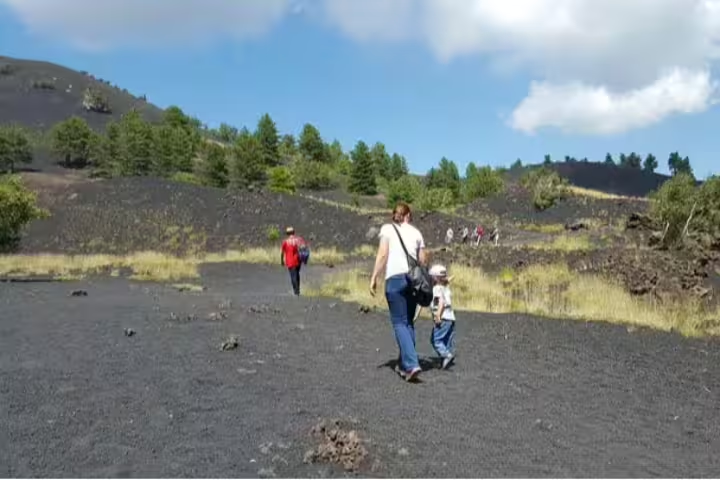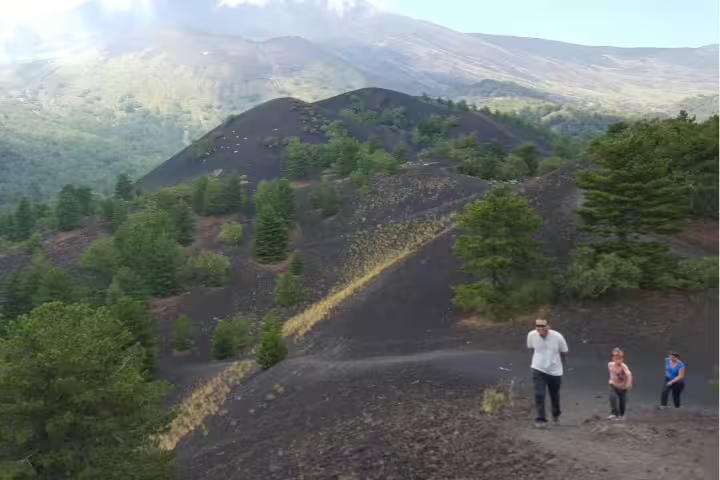
Jeep experiences are a classic way to turn wild landscapes into an easy, guided day out, combining comfort with true off road capability. Whether you want a gentle scenic Jeep ride with photo stops or a bolder 4x4 adventure over rocky tracks, this format suits thrill seekers, nature lovers, and families who want access to places regular cars cannot reach.
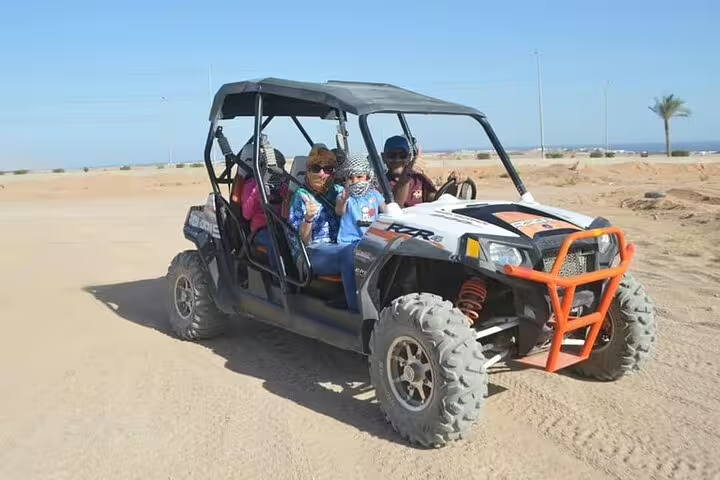
A Jeep outing is a guided, small group or private drive in a high clearance 4x4 designed for rough ground, steep gradients, and changing surfaces. It matters because it opens up hidden viewpoints, remote valleys, and village routes that are often unreachable on standard tours. Choose Jeep travel if you want a local guide, flexible stops, and a practical way to explore rugged terrain without committing to a strenuous hike.
These experiences are offered in many destinations worldwide and typically start from a central meeting point, a hotel pickup zone, or a clearly signed tour departure area. Access details vary by operator, but most guided Jeep tour providers share exact pickup instructions after booking; if you drive, ask in advance about parking near the meeting point.
Most Jeep experiences are paid and priced by seat or by vehicle for a private Jeep tour, with costs varying by destination, route length, and inclusions. Reservations are commonly required, opening hours vary by season, and typical duration ranges from 2 to 8 hours; sunrise and late afternoon departures are popular for softer light and cooler temperatures.
Accessibility depends on the vehicle and terrain, so confirm step height, door width, and whether a stable step or handhold is available. Some routes can accommodate guests with limited mobility on smoother tracks, but many off road sections involve bumps, inclines, and uneven stops; ask about seat support and restroom access during the drive.
Focus on tackling rugged trails, reaching hidden viewpoints, and discovering remote villages with a local guide. Keep the experience welcoming for thrill seekers, nature lovers, and families, with practical decision support on timing, comfort, and safety.
A typical Jeep experience begins with a short safety briefing, seat allocation, and a route overview, then transitions from paved roads to gravel and true off-road Jeep sections. Expect a rhythm of driving and short stops, usually starting with easier terrain, then building to the most dramatic viewpoints, before looping back via villages or scenic backroads. Common pitfalls include underestimating dust and wind at exposed lookouts, skipping motion sickness prep on winding tracks, and assuming there will be frequent restrooms, so plan water, layers, and comfort breaks thoughtfully.
Most Jeep tours offer hotel pickup, which is often the simplest option if parking is limited or the meeting point is in a busy center. If you use public transport, aim for a main transit hub near the departure zone, then arrive early to locate the correct vehicle and guide; late arrivals can mean missing the convoy window. Weather can change quickly on high ground and open plains, so bring sun protection, a warm layer, and keep electronics in a dust resistant pouch during your Jeep excursion.
Because Jeep departures vary by destination, nearby options depend on the specific meeting point. In many places, you can easily cluster your day with the following common, walkable stops near central pickup areas.
Most trips run 2 to 8 hours depending on route length, terrain, and the number of stops. If you choose a longer option, plan a light schedule before and after so you are not rushed, and bring snacks and water for comfort.
A Jeep booking usually includes the vehicle, driver guide, and a planned route with several photo stops. Extras can include meals, park fees, or optional activities, so check the inclusions list carefully before confirming.
Meeting points are commonly a central pickup zone, a hotel entrance, or a clearly marked departure area shared with other tours. After booking, you should receive vehicle details and a start time, and it helps to arrive 10 to 15 minutes early.
Conditions can swing from hot sun to wind and sudden rain, especially on exposed ridges and open plains, so dress in layers and pack sun protection. Spring and autumn are often comfortable for a Jeep day, while summer may suit early departures and winter may require warmer gear.
Accessibility varies by vehicle step height and the roughness of the route, so ask whether the itinerary uses smoother tracks and how much standing or climbing is required at stops. Guide languages depend on the operator, and many offer at least one widely spoken language, with others available on request.
Jeep travel also comes in many styles, from a structured Jeep safari focused on wildlife and wide open landscapes, to a flexible nature Jeep adventure that prioritizes viewpoints and short walks. If you prefer independence, some destinations allow Jeep rental, but for most travelers a guide reduces stress, improves safety on tricky sections, and helps you find the best light at panoramic viewpoints. For couples, families, or small groups who want tailored pacing, a private Jeep tour can be the most comfortable way to match stops to your interests, whether that is photography, village visits, or simply enjoying the ride.
When choosing a Jeep experience, compare route difficulty, seat comfort, and stop frequency. Ask whether the drive includes extended bumpy sections, how long you will be in the vehicle between breaks, and whether the operator uses seat belts for every passenger on all terrain. With the right expectations, Jeep days are a reliable, high value form of adventure travel that balances excitement with practical access to places that feel truly off the map.