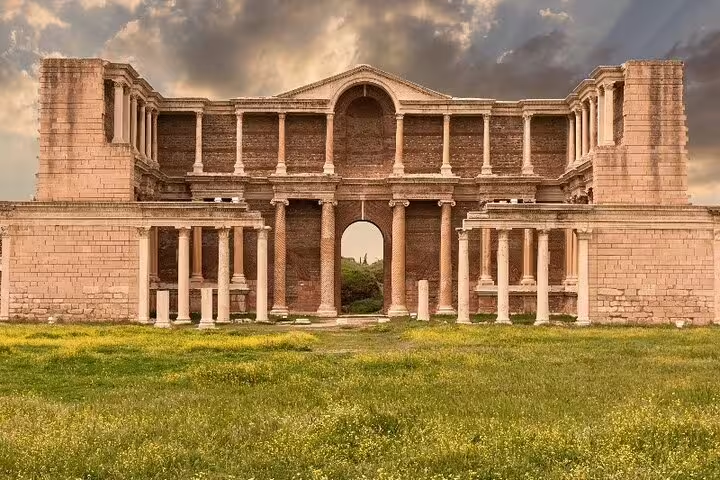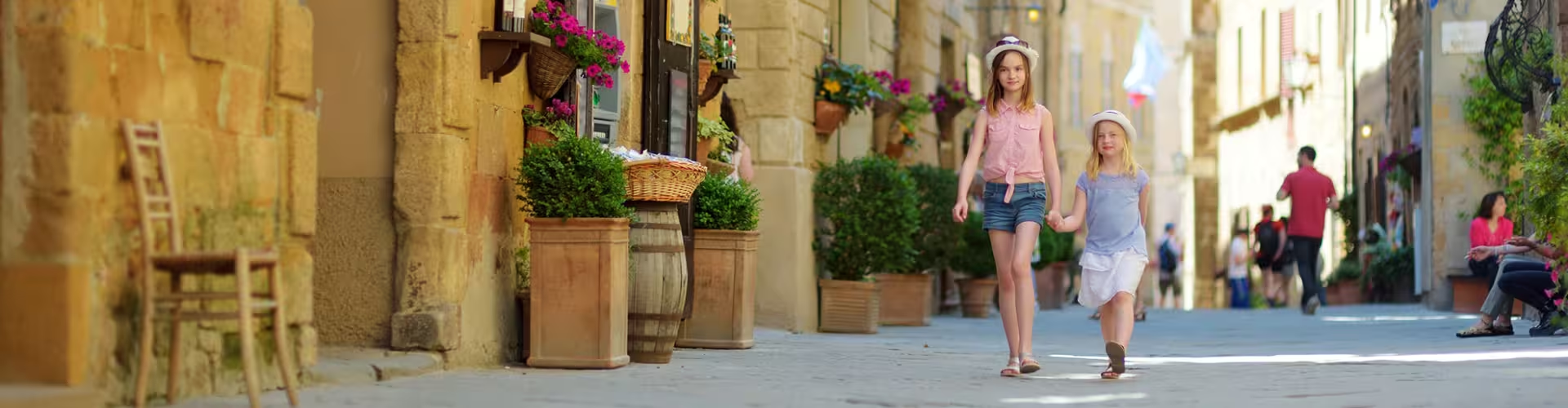
There is something magical about walking through historical sites. The worn stones beneath your feet, the intricate details in ancient architecture, and the echoes of past civilizations all create a journey that is as emotional as it is educational. Visiting these places is not just about admiring beauty, it is about experiencing history with your senses and connecting with the people who shaped it.
Whether it is an imposing fortress, a sacred temple, or a charming old town square, historical site visits allow you to explore the stories, traditions, and cultures that have stood the test of time. Each site is a living testament to human ingenuity, resilience, and artistry.
Traveling to a historical site is far more than a sightseeing activity. It is a chance to immerse yourself in the past, to understand the roots of a culture, and to witness how history continues to influence the present.
These visits also inspire a deeper appreciation for preservation efforts. Standing before a centuries-old cathedral or castle, you realize the value of safeguarding these treasures for future generations. Historical sites are not only architectural marvels; they are cultural touchstones that reveal the identity of a place.
Massive stone walls, watchtowers, and drawbridges tell stories of defense, power, and medieval life. Walking through their halls brings you closer to knights, royalty, and the battles that shaped nations.
From soaring cathedrals to peaceful monasteries, religious sites reveal the spiritual and artistic heritage of a region. They often feature stunning stained glass, ornate carvings, and serene courtyards.
The remains of once-great civilizations, whether Roman amphitheaters, Greek temples, or Mayan pyramids, offer a direct connection to the distant past. Standing among these ruins evokes awe and curiosity.
Cobbled streets, pastel facades, and lively squares tell stories of trade, tradition, and daily life over the centuries. Many of these centers are UNESCO World Heritage Sites, protected for their cultural significance.
✅ Learn the background of the site before you arrive to appreciate its full significance.
📸 Take photographs, but also spend time observing without a lens between you and history.
🥾 Wear comfortable shoes, as many sites require walking over uneven terrain.
🎧 Use an audio guide or join a guided tour for deeper insights.
🕰️ Visit early or late in the day to avoid the largest crowds and enjoy a more peaceful atmosphere.
Historical site visits also open doors to local traditions and culture. You might enjoy regional dishes at a nearby tavern, witness traditional crafts being made, or participate in cultural festivals that keep history alive. This blend of past and present enriches the travel experience and deepens your connection to the place.
The ideal time to explore a historical site depends on the region. In temperate climates, spring and autumn often offer mild weather and fewer crowds. In warmer areas, morning visits provide the most comfortable conditions, while winter trips can offer a more intimate experience with fewer visitors.
Few travel experiences can match the depth and richness of visiting a site steeped in history. Every stone, statue, and square has a story to tell, waiting for you to uncover it. Historical site visits allow you to walk through centuries, discover architectural wonders, and gain a perspective on the world that is both humbling and inspiring.
Whether you dream of strolling through ancient ruins, exploring medieval fortresses, or wandering charming historic towns, Toursxplorer.com offers carefully curated historical experiences that bring the past to life. Book your next journey and step into history.