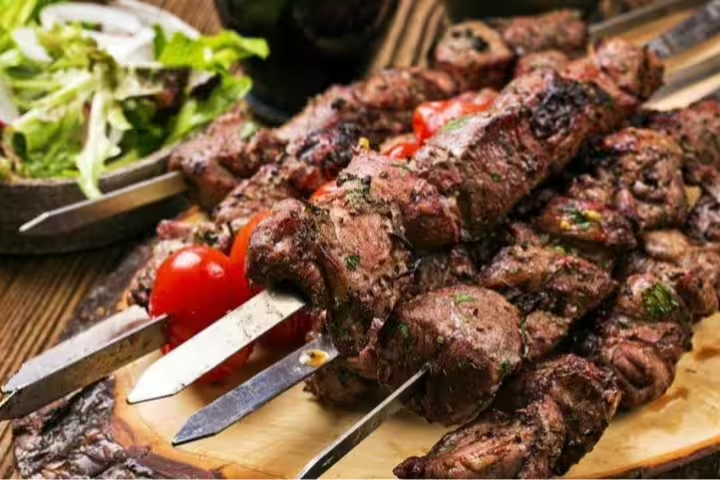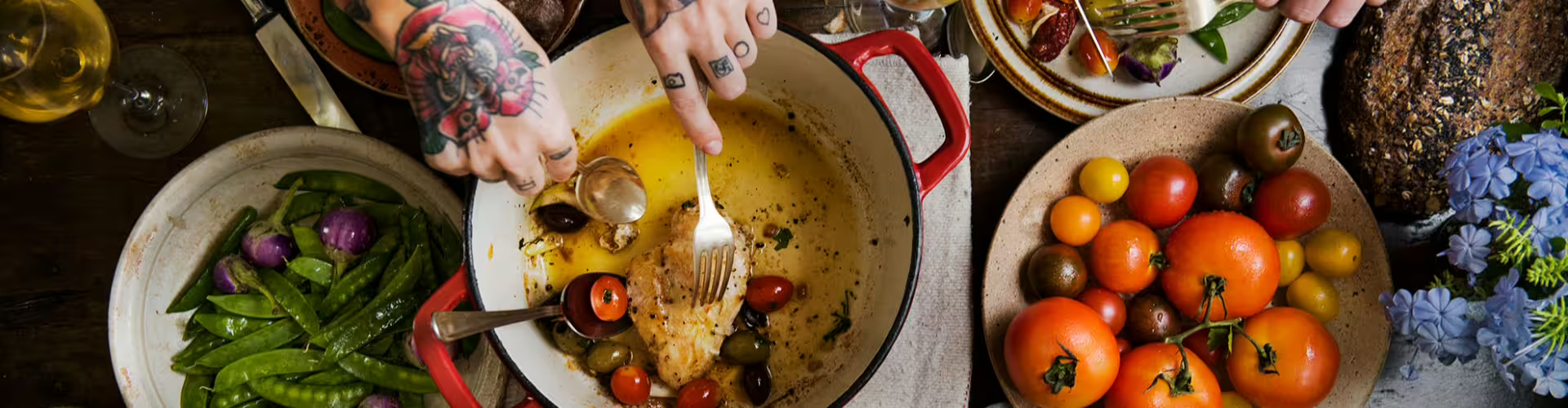
Culinary tours are the ultimate bridge between a traveler and the heart of a local culture. Far more than just a meal, these experiences offer a deep dive into the history, traditions, and people that define a region through its flavors. The "vibe" is one of sensory discovery, vibrant, aromatic, and deeply social. Whether you are navigating the organized chaos of a street food tour, enjoying a refined wine and food tour in a centuries-old cellar, or participating in a hands-on cooking class tour, you are engaging in gastronomic travel at its most authentic. This category appeals to the "foodie" explorer who believes that to truly know a place, you must first taste it.
The primary reason why a culinary itinerary is an essential part of modern travel is the shift from passive observation to active immersion. By joining a guided food tour, you bypass the tourist traps and gain access to the "hidden gems" known only to locals. From market tours where you meet the third-generation vendors to farm-to-table tours that showcase the journey of an ingredient from the soil to your plate, these experiences provide a holistic understanding of regional cuisine. This strategy of exploration turns every bite into a lesson in cultural heritage and every meal into a lifelong memory.
In 2026, culinary travel has evolved to emphasize sustainability and storytelling. Foodie experiences now frequently highlight authentic food experiences that support small-scale producers and artisanal techniques. Whether it is a city food tour through historic neighborhoods or a gastronomic tour focused on ancient fermentation methods, the focus is on the narrative behind the dish. By choosing these curated journeys, travelers don't just eat; they participate in a global dialogue of flavor, craft, and community.
The heritage of culinary tours is inextricably linked to the history of trade and migration. Every cultural food tour tells the story of how spices, grains, and techniques traveled across borders to create the regional cuisine we enjoy today. Historically, food was the primary way cultures communicated, and modern gastronomic travel honors this by preserving "endangered" recipes and traditional cooking methods. The architecture of these tours often takes you through the oldest parts of a city, from medieval spice markets to 19th-century bakeries, where the food remains a living monument to the past.
Modern culinary tours also focus on the preservation of identity. In an era of globalization, the authentic food experiences found on a street food tour or a local food experiences circuit act as a safeguard for local biodiversity and heritage. By visiting family-run eateries and traditional markets, travelers provide the economic support necessary for these cultural pillars to survive. This historical continuity is what makes a culinary itinerary so powerful: you aren't just sampling a menu; you are tasting a timeline.
Culinary tours are found in almost every major city and rural food hub worldwide. City food tours usually start at a central landmark or a historic market tour location, while winery and brewery tours may require transport to the outskirts, often provided by the operator.
Ticketing typically includes all tastings and guide services. Because foodie experiences often involve small, family-run spots with limited space, Reservation_Required is the standard. It is wise to book your culinary travel 2 to 4 weeks in advance, especially for popular evening slots.
A standard guided food tour lasts between 3 to 4 hours and involves a moderate amount of walking. It is highly recommended to "come hungry" and schedule your tour at the start of your trip, as your guide will provide invaluable recommendations for the rest of your stay.
While many city food tours are conducted in historic districts with cobblestones, many operators now offer accessible routes. Cooking class tours and fine dining experiences are generally the most accessible, while street food tours may require more mobility. Always notify your guide of dietary restrictions or allergies in advance.
🥘 Authentic Food Experiences: Taste dishes prepared using recipes passed down through generations.
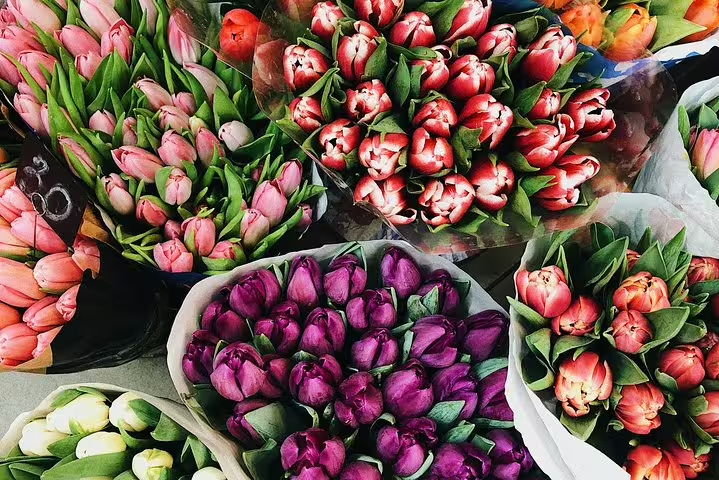
🥬 Market Tours: Explore the vibrant heart of the city where locals shop for the freshest seasonal ingredients.
👨🍳 Cooking Class Tours: Learn the secrets of regional cuisine and bring a new skill home in your suitcase.
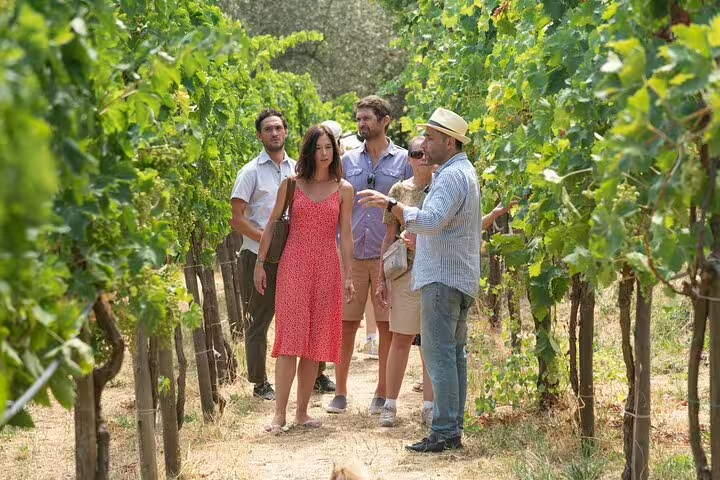
🍷 Wine and Food Tours: Discover the art of pairing local vintages with traditional small plates and cheeses.
🍦 Street Food Tour: Dive into the energetic local "snack" culture with a curated selection of the best vendors.
🚜 Farm-to-Table Tours: Meet the producers and see firsthand where your food comes from.
📖 Cultural Storytelling: Hear the fascinating tales of migration, history, and family that shaped the local plate.
The experience of a culinary tour is a choreographed "movable feast." It usually begins with a meeting at a local landmark, where your guide, often a chef or a lifelong local, sets the stage for the day. The journey moves through 5 to 8 different stops, ranging from bustling market tours to quiet, back-alley taverns. The pace is relaxed, designed to allow you to savor the flavors and engage in conversation with your "foodie" companions.
As the tour progresses, you'll find that the food is just the starting point. Between bites, your guide shares insights into the city's architecture and daily life. In a cooking class tour, the experience becomes hands-on as you learn to knead, spice, and sauté. The highlight for most is the "meet-the-maker" moments, shaking hands with the baker who has made the same bread for fifty years. By the end of the culinary itinerary, you won't just be full; you'll feel like an insider in a city that felt like a stranger only hours before.
Regarding the dress code, "smart casual" with comfortable walking shoes is the gold standard for gastronomic tours. For age_notes, most street food tours are incredibly family friendly, but double-check brewery tours or specialized wine tasting tours for age requirements. A "hidden" detail most miss: look for the "market-to-table" option where you shop with a chef before your cooking class tour, it’s the most immersive way to understand local produce.
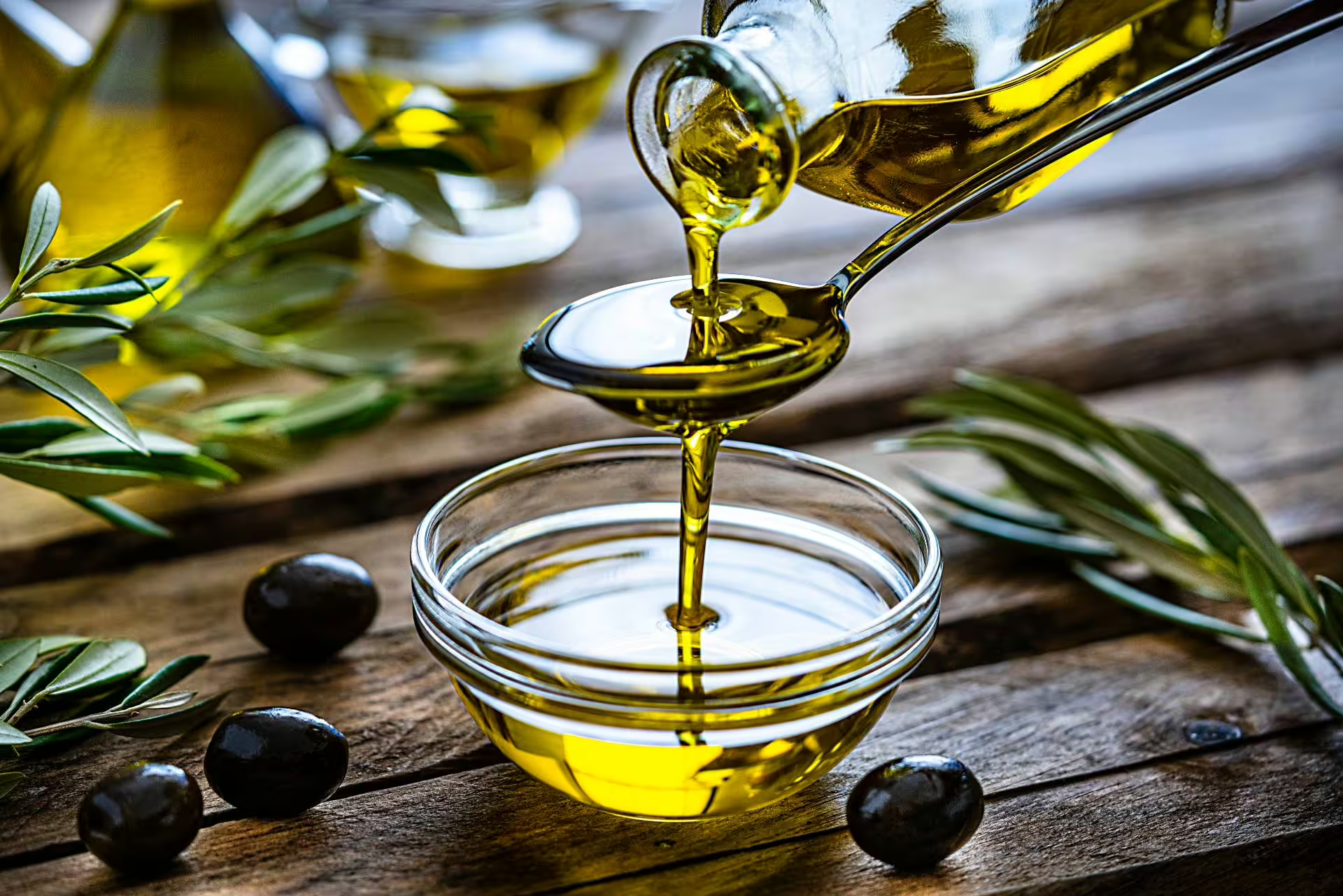
Gourmet Specialty Shops: Perfect for buying the spices or oils you discovered during your tasting tour.
Public Squares: Many city food tours conclude in vibrant squares, perfect for a post-tour coffee and people-watching.
Museums of Gastronomy: Some cities offer museums dedicated to bread, chocolate, or wine near the tour routes.
This guide to culinary tours was crafted by Toursxplorer.com to provide travelers with expert-led insights for an unforgettable and delicious journey through the world’s most iconic food cultures.
Is the food included in the price of a guided food tour? Yes, almost all culinary tours include a generous selection of food and drink tastings that usually add up to a full meal.
What if I have food allergies or a specific diet? Most operators can adapt a tasting tour for vegetarians or gluten-free diets if notified at the time of booking, though some authentic food experiences may be more restricted.
Are street food tours safe? Professional street food tours only visit vendors with high hygiene standards and a proven track record, making it the safest way to explore local street fare.
How many people are usually in a culinary travel group? To keep the experience intimate and allow access to small shops, most gastronomic tours max out at 8 to 12 participants.
Can I book a private culinary itinerary? Yes, many companies offer private culinary travel options which allow for a completely customized pace and menu.