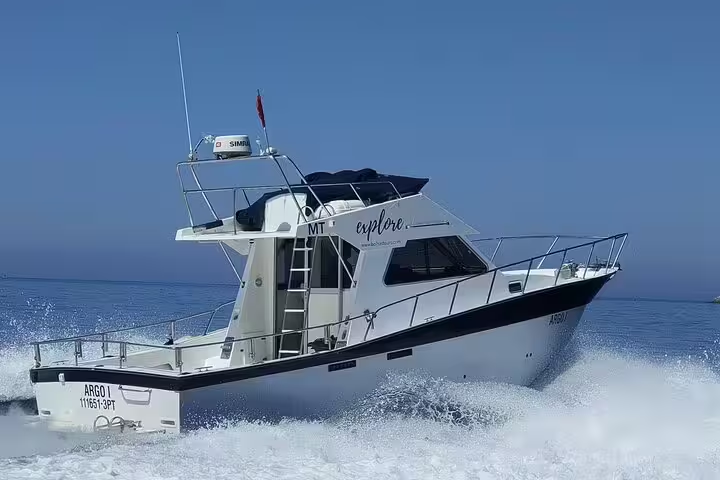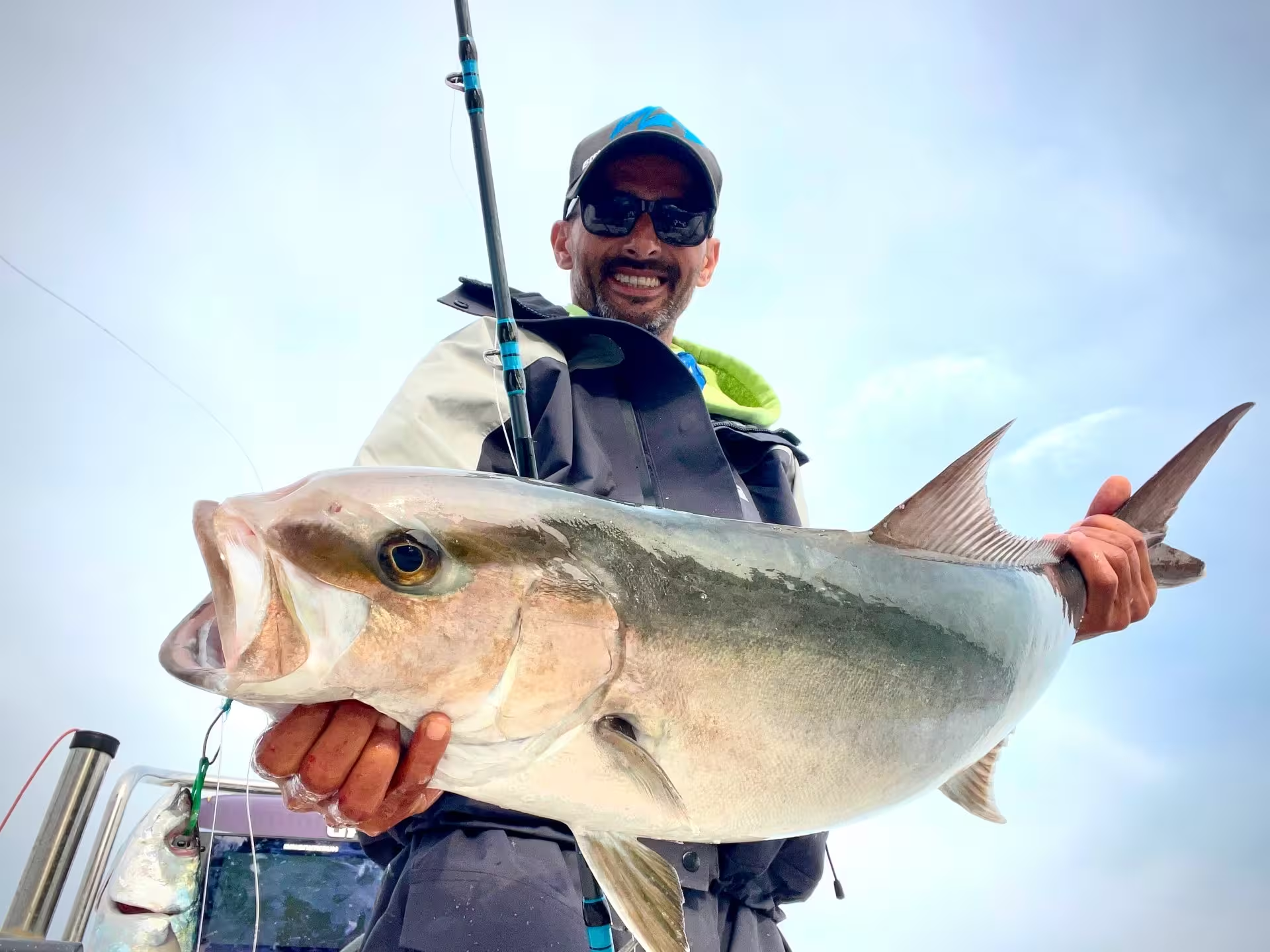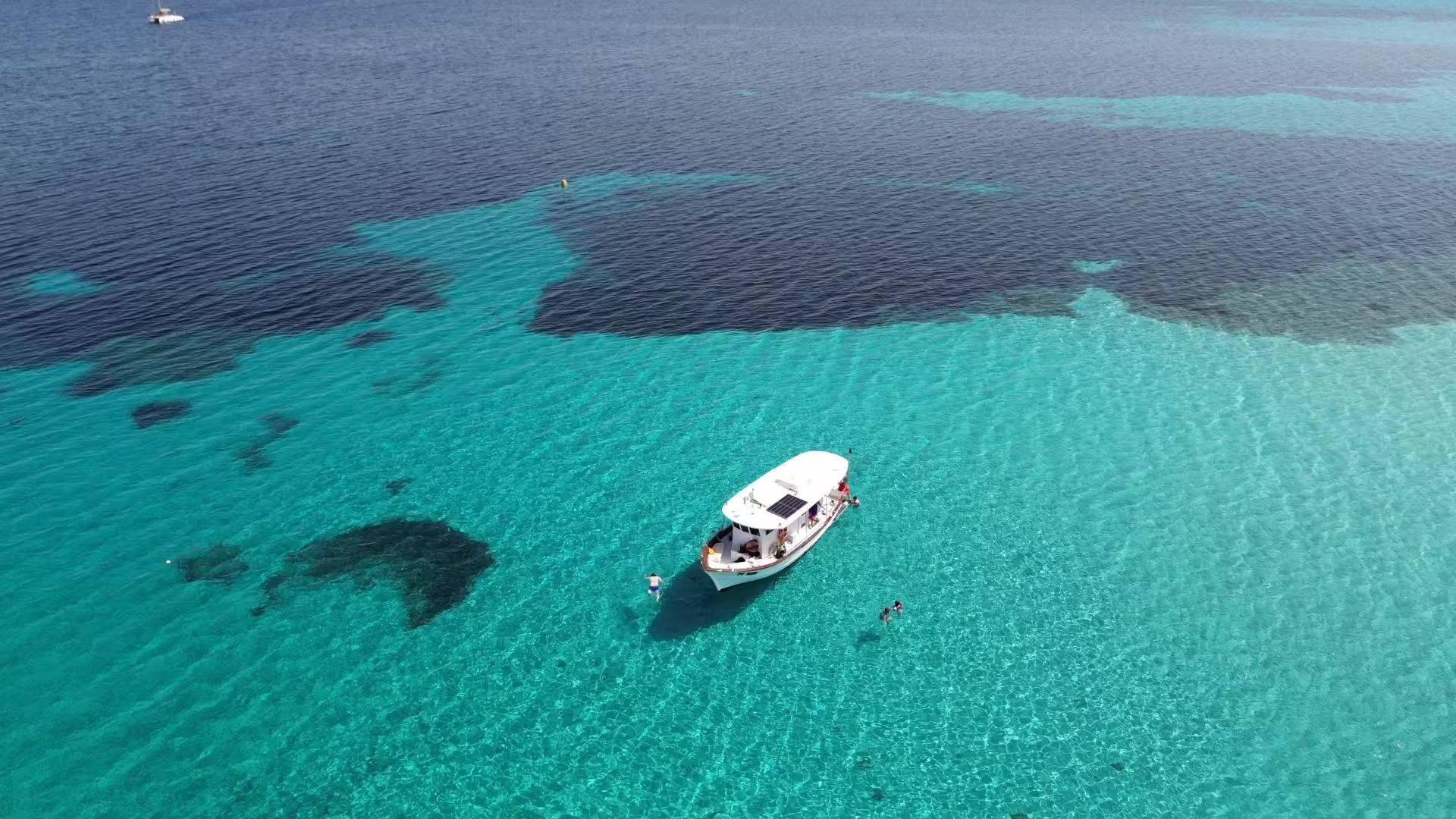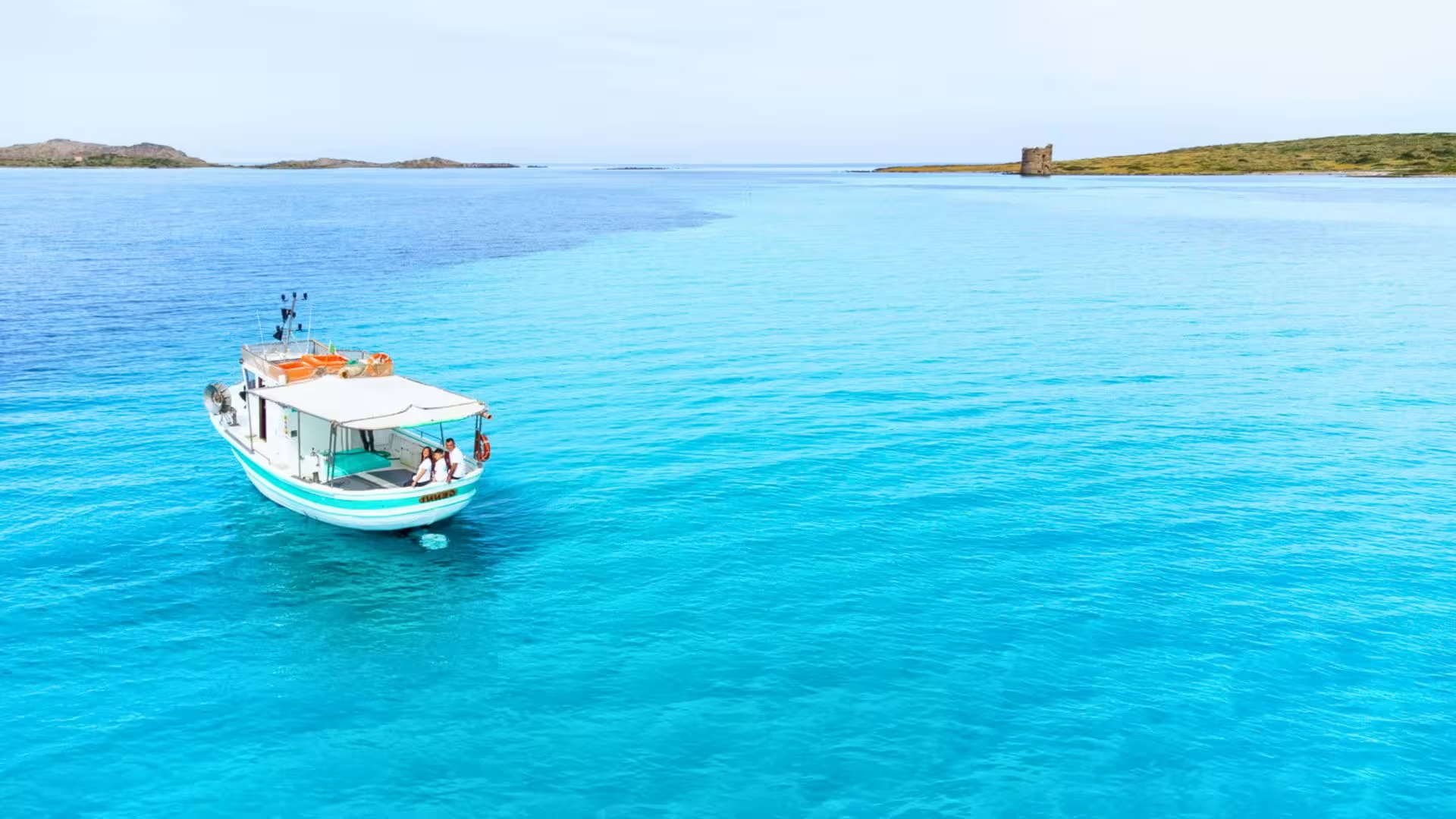
For travelers seeking a productive and engaging way to experience the sea, bottom fishing offers a direct connection to the diverse species inhabiting the ocean's depths. This foundational method of angling involves lowering weighted lines and lures to the seabed, where many of the most sought-after food and game fish reside. Whether you are exploring vibrant reef fishing grounds or the complex structures of wreck fishing, this technique is favored for its high success rates and the variety of species it yields. From inshore bottom fishing in sheltered bays to the extreme depths of deep drop fishing, the thrill of feeling a tug from the unseen world below is a highlight of any fishing vacation.
Modern bottom fishing is accessible to everyone, regardless of experience level. Many newcomers begin their journey with shore fishing or pier fishing, while those seeking larger trophies often book a specialized bottom fishing charter. Using sophisticated tools like electronic sonar, local fishing guides can pinpoint productive fishing spots with incredible accuracy. Whether you are targeting snapper fishing, grouper fishing, or halibut fishing, the hands-on nature of the sport—from feeling the bite to the vertical fight—makes it one of the most popular forms of sea fishing worldwide.
The history of bottom fishing is as old as maritime civilization itself. Long before the invention of modern sport fishing reels, coastal communities utilized handlines and stones as sinkers to harvest bounty from the seafloor. In many cultures, rock fishing and coastal fishing were vital for survival, with techniques passed down through generations. The evolution of the sport saw the transition from simple hemp lines to high-tech braided fibers, allowing modern anglers to explore depths that were once unreachable.
Today, the heritage of bottom fishing is a blend of traditional knowledge and cutting-edge technology. The development of specialized terminal tackle, such as the Carolina rig, fish finder rig, and the drop shot rig, has refined how we present bait to elusive predators. Despite these advances, the core appeal remains unchanged: the mystery of what lies at the bottom. Modern fishing tours now balance this ancient pursuit with a strong emphasis on sustainable fishing, ensuring that reef systems and wreck sites continue to thrive through responsible management and catch and release practices.
Bottom fishing is available globally, from the cold-water cod fishing grounds of the North Atlantic to the tropical snapper fishing reefs of the Caribbean. Access is typically provided through local marinas where a bottom fishing charter can be hired, or via accessible public structures for those preferring pier fishing.
When planning a guided fishing trip, it is essential to research local fishing seasons to ensure your target species is active and legal to catch. Costs for a bottom fishing charter usually include bait fishing supplies and equipment. Most regions require a valid fishing license, which can often be obtained as a short-term pass for travelers.
Many boat fishing vessels are designed with wide decks and stable hulls, making them suitable for families and individuals with varying mobility. Pier fishing and shore fishing also provide excellent low-barrier options for those who prefer to remain on solid ground while enjoying a productive angling experience.
Our priority is promoting sustainable fishing and the use of circle hooks, which minimize injury to fish intended for catch and release. We recommend hiring local fishing guides who possess intimate knowledge of local currents and fishing spots, as their expertise significantly enhances both the safety and success of your offshore bottom fishing adventure.
🐠 Reef Fishing: Target colorful and hard-fighting species like snapper and sea bass in the biodiversity of natural reefs.
🚢 Wreck Fishing: Explore sunken ships and artificial structures that serve as magnets for large grouper and amberjack.
🌊 Deep Drop Fishing: Venture into extreme depths to find exotic and delicious species rarely seen at the surface.
🎣 Vertical Jigging: Experience a more active style of bottom fishing using metal lures to trigger aggressive strikes.
🐚 Inshore Bottom Fishing: Perfect for beginners, targeting flounder and scup in calm, shallow waters.
🛠️ Master the Rigs: Learn to assemble a Carolina rig or sinker rig under the tutelage of expert guides.
🍽️ Table Fare: Many bottom-dwelling species are prized for their flavor, providing a true "ocean-to-table" experience.
The typical bottom fishing excursion begins with the early morning loading of the vessel. As the boat moves toward the fishing spots, the crew prepares the cut bait or live bait. Once the captain locates a promising structure on the sonar, the command to "drop" is given. The sensation of the weight hitting the sand or rock hundreds of feet below is the start of the game. On a guided fishing trip, you will learn how to differentiate between the nibble of a small bait-stealer and the heavy thump of a trophy fish.
The fight in bottom fishing is unique; unlike surface fish that run long distances, bottom dwellers usually head straight for the safety of a hole or a wreck. This requires a firm drag and steady pressure. As the fish is brought to the surface, the anticipation grows until the flash of silver or red is visible through the water. After a successful catch, the crew assists with de-hooking and, if the fish is within the legal fishing seasons limits, icing it down for dinner. The day concludes with the satisfying feeling of a full cooler and the shared camaraderie found on the docks.
To increase your success in saltwater bottom fishing, pay close attention to the lead weight; you must be able to feel the bottom at all times. If you lose contact, you are likely drifting out of the "strike zone." When using circle hooks, remember not to "set" the hook with a violent jerk; instead, simply start reeling steadily when you feel a steady pull.
For those interested in freshwater bottom fishing, such as targeting catfish or walleye, using a drop shot rig can be incredibly effective in murky water. Always check the weather and tide charts before heading out for offshore bottom fishing, as strong currents may require heavier sinkers to keep your bait stationary. Lastly, if you are prone to seasickness, shore fishing or pier fishing offers a stable alternative that can be just as rewarding as being on a boat.
Coastal fishing hubs offer many amenities for the traveling angler.
Fish Cleaning Stations: Many marinas provide dedicated areas to fillet your catch after a bottom fishing charter.
Seafood Markets: Even if the big one got away, you can find the local catch of the day at nearby stalls.
Tackle Shops: Browse a wide selection of jigging lures, sinker rig components, and local advice.
Nautical Pubs: The perfect place to relax and share stories of your sport fishing exploits over a cold drink.
This guide to bottom fishing serves as a global resource for those looking to explore the seafloor's bounty. Curated by Toursxplorer.com, these tips promote a safe, educational, and successful fishing vacation for all.
Do I need to bring my own gear on a bottom fishing charter? Most fishing tours provide all the necessary angling equipment, including rods, reels, and bait fishing supplies. However, you are usually welcome to bring your own specialized jigging gear if you prefer.
What is the best bait for bottom fishing? This depends on the location. Cut bait, such as squid or mullet, is universally effective, while live bait like shrimp or small finfish is often preferred for larger grouper or snapper.
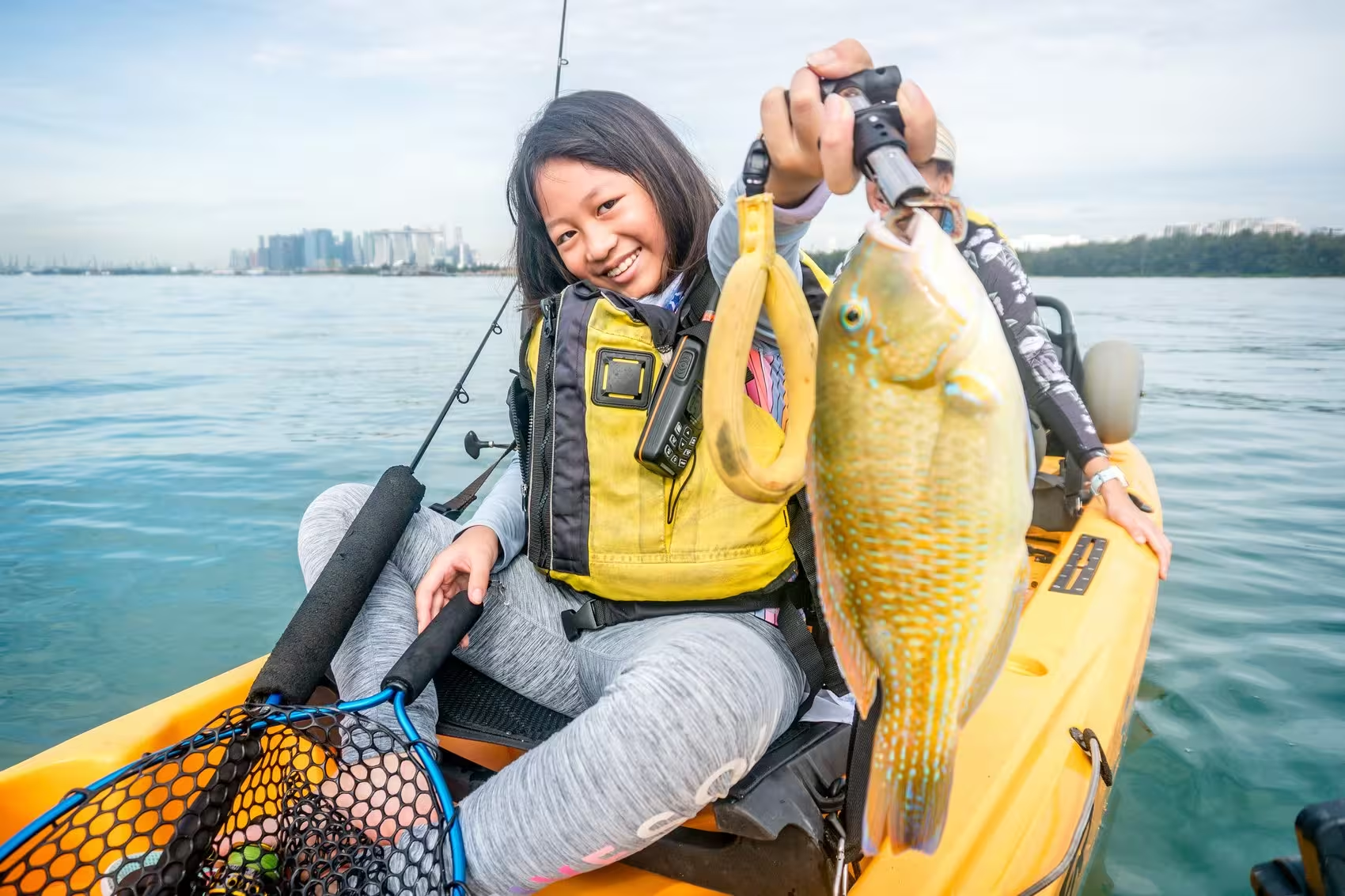
Is bottom fishing suitable for children? Yes, inshore bottom fishing and pier fishing are excellent for families. The frequent action keeps children engaged, and local fishing guides are usually very patient with young anglers.
What is deep drop fishing? Deep drop fishing is a specialized form of deep sea bottom fishing that targets species at depths often exceeding 600 feet, frequently using electric reels to manage the heavy weights and long retrieves.
How do I get a fishing license? In most regions, you can purchase a fishing license online or at local tackle shops. Many bottom fishing charter boats carry a blanket license that covers all passengers on board.