Kraków Travel Guide 🇵🇱
🧭 Snapshot
Discover Kraków, a city where history meets vibrant modernity. Known for its medieval architecture and lively cultural scene, Kraków offers a rich tapestry of experiences for every traveler. Navigate through Best things to do in Kraków with ease and excitement.
🗺️ Where It Sits
📍 Geography and Nearby Hubs
Located in southern Poland, Kraków is nestled within the Lesser Poland region. Easily accessible via Kraków John Paul II International Airport, it serves as a gateway to this historical area.
🕒 Best Time To Visit
Visit in spring or autumn for mild weather and fewer crowds; summers are bustling with festivals, while winters offer a magical, snow-dusted cityscape.
💰 Typical Costs and Money Tips
Expect moderate dining and accommodation costs; cards are widely accepted. Consider the Kraków Card for discounts on attractions and public transport.
⭐ Essential Things To Do
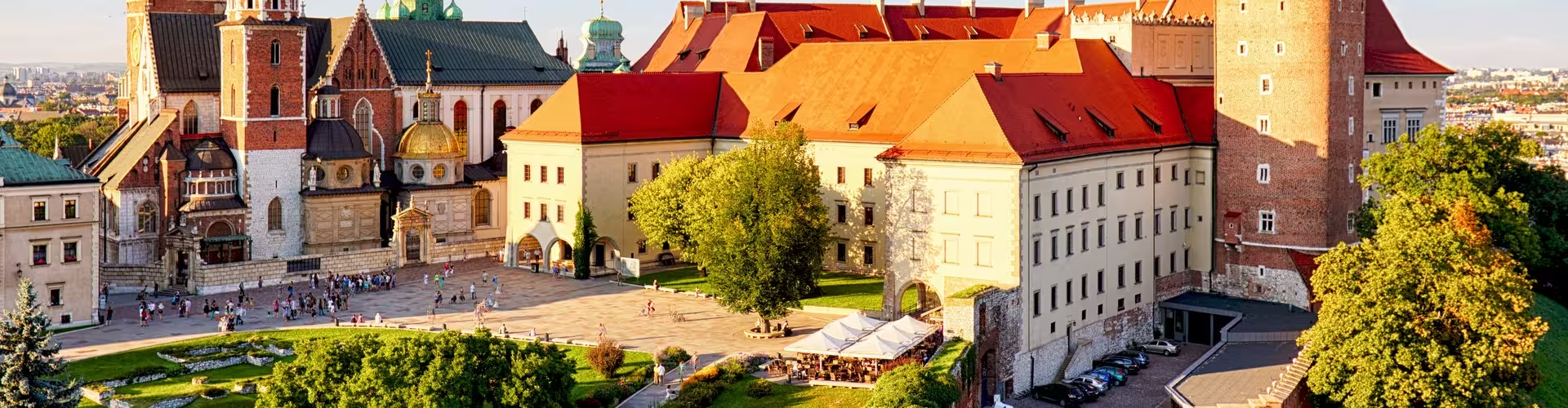
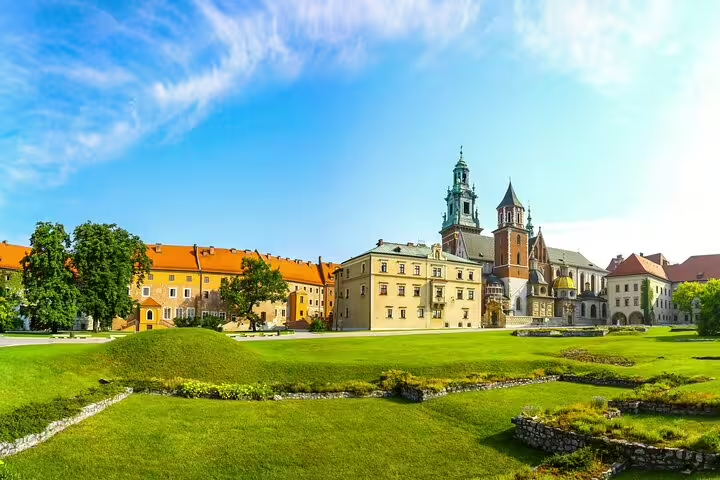
Wawel Castle: This iconic landmark offers panoramic views and a deep dive into Polish royal history. Allocate a half-day.
Main Market Square: The heart of Kraków, perfect for people-watching and enjoying local delicacies. Evening visits are magical.
Schindler's Factory: Gain insight into Kraków’s WWII history through compelling exhibits. Book tickets in advance.
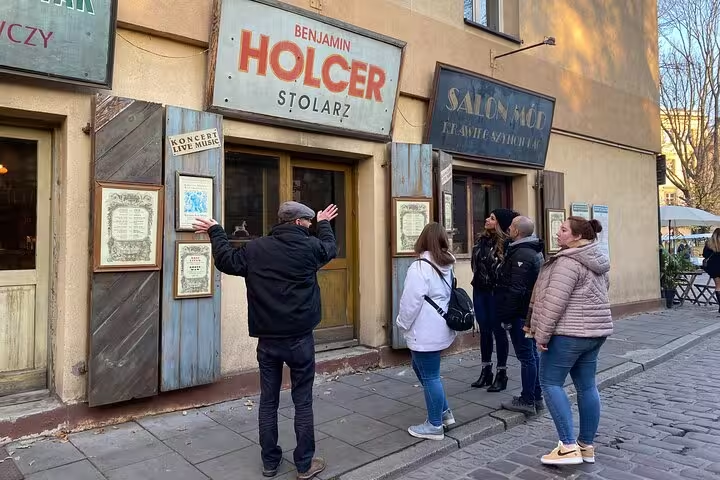
Kazimierz District: Explore this vibrant Jewish quarter known for its unique charm and eclectic cafes. A half-day adventure.
St. Mary's Basilica: Admire Gothic architecture and listen to the hourly trumpet call. Early morning visits are best.
Vistula River Cruise: Enjoy a relaxing cruise with stunning city views. Ideal for a romantic evening outing.
🚶 Suggested Short Itineraries
⏰ One Perfect Day
Start at Wawel Castle, wander the Main Market Square, and end the day in Kazimierz for dinner.
⏰ Two Days
Add a visit to Schindler's Factory and explore the city’s museums. Take an evening stroll along the Vistula River.
⏰ Three Days
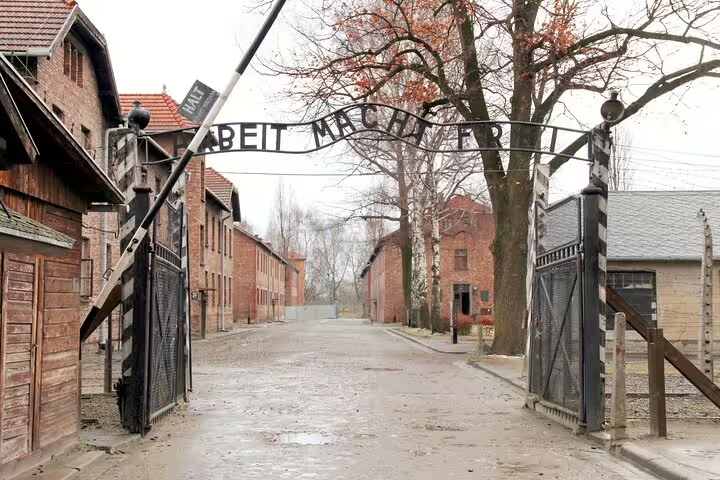
Blend cultural visits with a trip to the Wieliczka Salt Mine. Consider a day trip to Auschwitz-Birkenau for historical context.
🍽️ What To Eat And Drink
Pierogi: These dumplings are a must-try, available with various fillings. Head to a local milk bar for authentic flavors.
Zurek: A sour rye soup often served in a bread bowl, perfect for colder days.
Oscypek: Enjoy this smoked cheese from the Tatra Mountains, often grilled and served with cranberry sauce.
Kielbasa: Sample Poland’s famous sausage at a traditional eatery.
Polish Vodka: A staple drink; try a tasting at a local bar.
🚌 Getting Around
Kraków offers efficient trams and buses, ideal for exploring the city. The city center is compact and walkable; consider renting a bike for outer areas. Public transport is safe and accessible.
🌄 Best Day Trips
Wieliczka Salt Mine: A UNESCO site only 30 minutes away; marvel at underground chambers and sculptures.
Auschwitz-Birkenau: A poignant visit 1.5 hours from Kraków, offering guided tours of the former concentration camp.
Zakopane: Explore the Tatra Mountains, 2 hours away, for hiking or skiing.
✅ Practical Tips For Visitors
- Book popular attractions like Schindler's Factory in advance.
- Visit early morning or late afternoon to avoid crowds.
- Dress in layers; weather can be unpredictable.
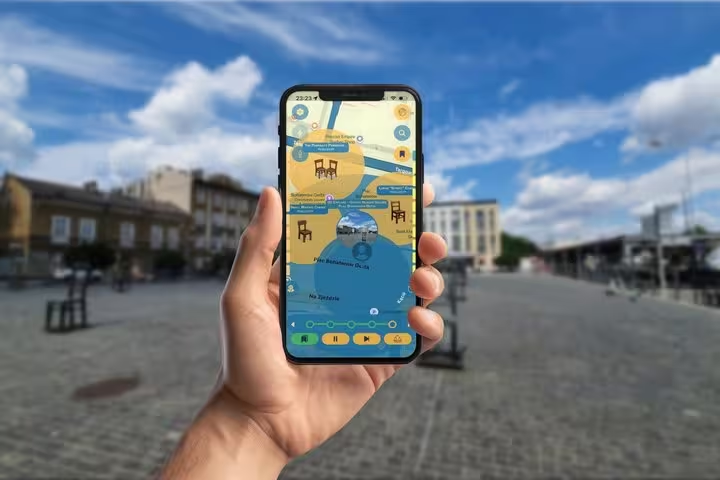
- Use public transport apps for real-time updates.
- Carry a reusable water bottle; refill stations are common.
❓ Frequently Asked Questions, FAQ
Q: How many days do I need to explore Kraków?
A: Three days is recommended to fully enjoy Kraków, explore its main attractions, and take a day trip.
Q: Are there any combo tickets available for attractions?
A: Yes, combo tickets for the Wawel Castle and Schindler's Factory are available, offering savings on entry fees.
Q: What are the best neighborhoods to stay in Kraków?
A: The Old Town offers charm and proximity to attractions, while the Kazimierz district provides vibrant nightlife and cultural experiences.
Q: What is the weather like in Kraków?
A: Summers are warm and sunny, ideal for outdoor activities, while spring and autumn are mild, perfect for sightseeing.
Q: Is Kraków accessible for travelers with mobility issues?
A: Many areas are accessible with assistance, but some historic sites may have stairs or uneven terrain. Plan ahead for specific needs.