Caribbean Destination Guide
Dominican Republic: Sun, Culture, and Coastline
Where turquoise waters meet vibrant history on the island of Hispaniola
The Dominican Republic offers one of the Caribbean's most varied travel experiences, blending white-sand beaches with colonial architecture and lush mountain landscapes. From the rhythm of merengue in Santo Domingo's historic Zona Colonial to the reef-lined shores of Punta Cana, every region presents a distinct character. Travelers arrive seeking sun and stay for the culture, the food, and the warmth of a nation with deep roots and an open spirit.
Dominican Republic Geography and Logistics
Essential Things to Do
Curated Itineraries
The Highlights: 1 Day
Begin at the Parque Colon and walk the key monuments of Santo Domingo's historic district, including the cathedral and the Alcazar de Colon. Allow two to three hours to absorb the architecture and street life before the midday heat sets in.
Step away from the tourist-facing restaurants and find a comedor on one of the side streets for a plate of sancocho or rice with stewed chicken at local prices. This is the most authentic midday meal experience the capital offers.
Walk the seafront Malecon westward from the colonial zone and consider a stop at the Museo del Hombre Dominicano in the Plaza de la Cultura to understand the country's Taino, African, and Spanish cultural heritage.
As evening arrives, the Zona Colonial transforms into a lively social scene with live music spilling from bars along Calle Hostos and Calle El Conde. Find a rooftop bar for a rum cocktail with views over the colonial rooftops before dinner.
Deep Dive: 2 to 3 Days
Spend the first full day in the capital, covering the Zona Colonial in depth, including a guided tour of the Fortaleza Ozama and an afternoon at the Mercado Modelo for craft shopping and people-watching.
Take an early guagua or private transfer northeast to Samana, a journey of roughly three to four hours that passes through countryside and small towns. Check into accommodation in Las Terrenas or Santa Barbara de Samana.
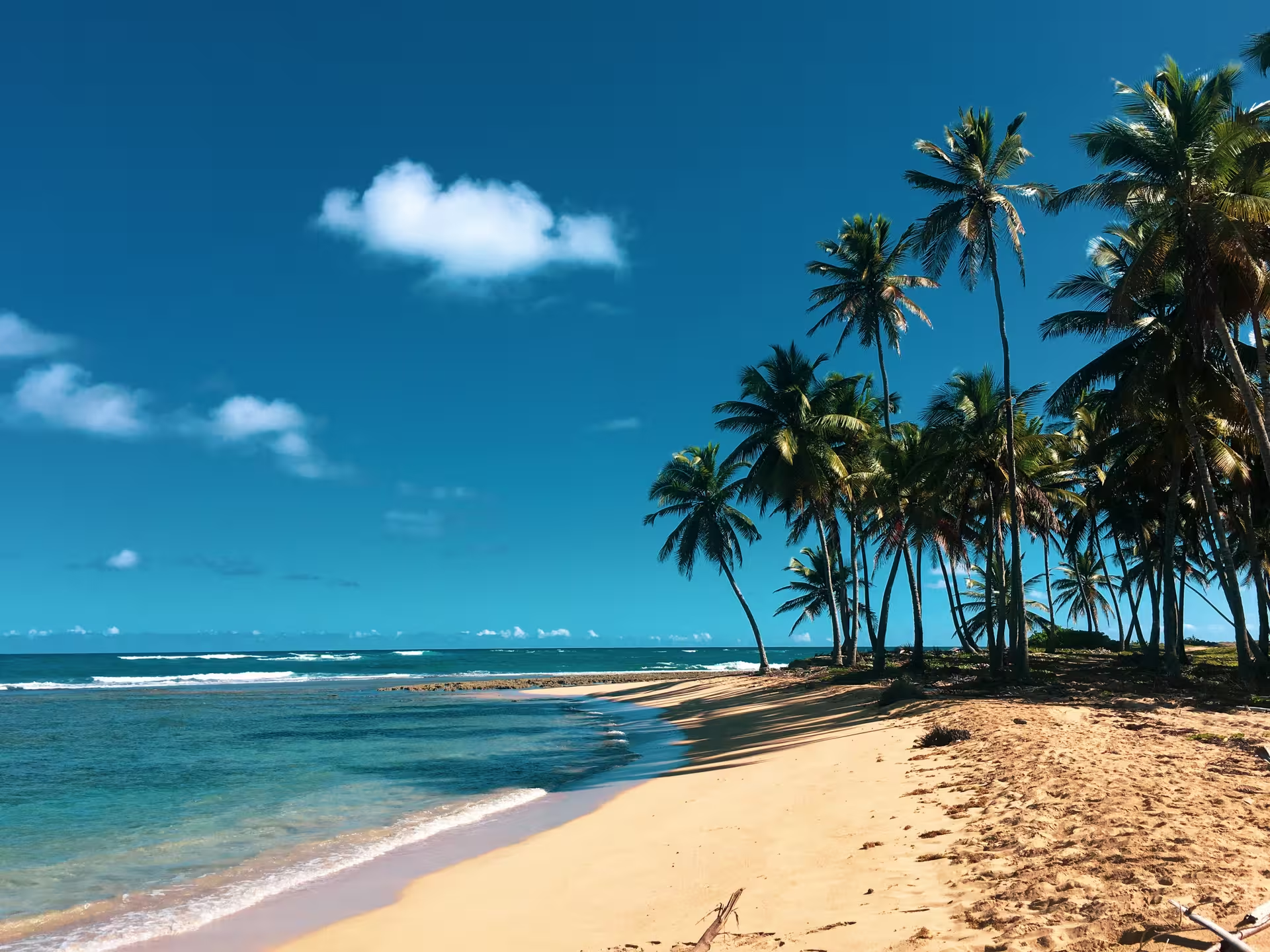
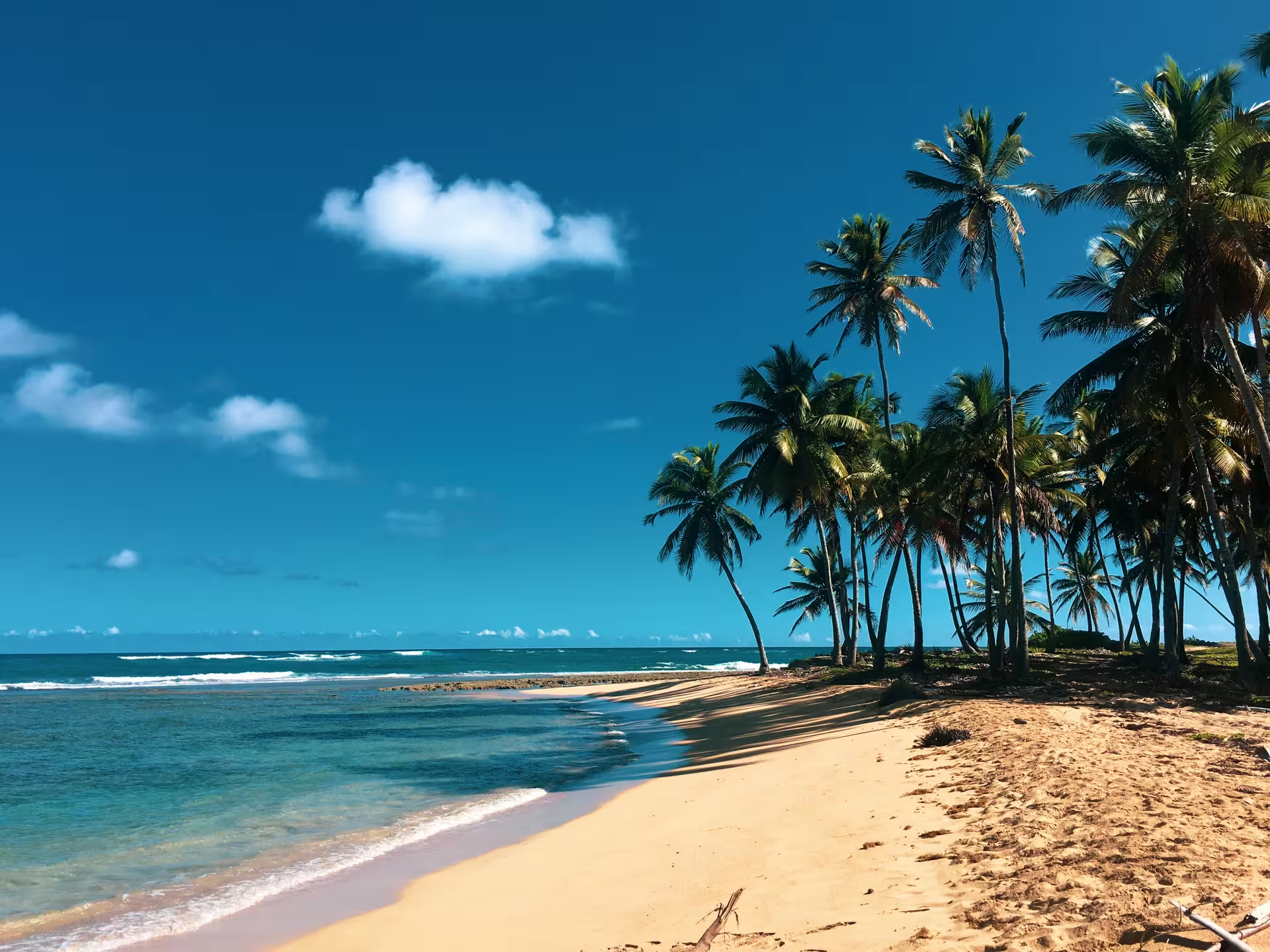
Arrange a boat or jeep transfer to Playa Rincon for the afternoon, arriving with enough time to swim, walk the beach, and watch the sunset from the palm-shaded shore before returning to town.
Join an early morning guided boat tour of Los Haitises National Park, combining mangrove kayaking, cave exploration, and bird-watching in one of the country's most ecologically significant reserves.
Return to Santo Domingo for a flight connection, or extend the journey west toward Cabarete on the north coast for kitesurfing, a bohemian beach scene, and access to the Amber Museum in Puerto Plata.
Flavors of Dominican Republic
Local Dishes
- La Bandera: The national dish, consisting of white rice, stewed red beans, and braised meat, served at midday across the country.
- Sancocho: A rich, slow-cooked stew combining multiple meats and root vegetables, traditionally prepared for family gatherings and celebrations.
- Mangú: Mashed green plantains topped with sautéed onions, typically served as breakfast alongside salami, eggs, and white cheese.
- Tostones: Twice-fried green plantain slices served as a savory side dish, often paired with garlic dipping sauce.
- Pescado con Coco: Fresh fish slow-cooked in coconut milk with herbs and spices, a specialty of coastal and northern regions.
- Habichuelas con Dulce: A sweet dessert soup made from kidney beans, coconut milk, and spices, traditionally enjoyed during Semana Santa in spring.
Drinks and Ordering Tips
- Presidente Beer: The national lager, served ice-cold across beach bars, comedores, and colmados throughout the country.
- Mama Juana: A traditional herbal spirit made by soaking tree bark and herbs in rum, red wine, and honey, often offered as a local remedy and cultural curiosity.
- Morir Sonando: A refreshing blended drink of orange juice and milk that translates to "die dreaming," sold at street stalls and juice bars.
- Ron Barcelo and Brugal: Two premium Dominican rums worth seeking out at local prices significantly below export markets.
- Ordering Tips: Ask for agua sin gas to confirm still water; specify bien frio for cold drinks; menus in smaller towns are often verbal, so asking what is available saves time.
Navigation and Transport
Getting around the country involves a mix of options depending on budget and destination. Public guaguas, which are minibuses running fixed routes between towns, are the cheapest and most widely used form of intercity transport, though they can be crowded and unpredictable in timing. Private transfers and rental cars offer more flexibility, particularly for reaching national parks, rural beaches, and mountain areas where public transport is infrequent or nonexistent.
Within cities, motorcycle taxis known as motoconchos are ubiquitous and fast for short distances, though safety standards vary. Licensed taxis in Santo Domingo and Punta Cana operate at fixed zone rates; using app-based services such as Uber or InDriver where available provides more pricing transparency. For longer distances between tourism corridors, Caribe Tours and Metro Expreso operate comfortable, air-conditioned coach services connecting major cities on regular schedules.
Renting a car is viable but requires confidence navigating unmarked roads, aggressive urban traffic, and occasional police checkpoints requiring documentation. International licenses are accepted, and road conditions improve significantly on main highways between Santo Domingo, Santiago, and the resort areas of the east coast.
Beyond the Center: Day Trips
Cabarete and Puerto Plata on the north coast offer a contrasting energy to the capital, with world-class kitesurfing at Cabarete Beach and the colonial-era Fortaleza San Felipe and cable-car ride to Mount Isabel de Torres in Puerto Plata, all reachable in under three hours from Santo Domingo by coach.
The 27 Waterfalls of Damajagua, located near Puerto Plata, involve a guided hike and swim through a cascade of limestone pools and natural water slides, making it one of the most popular eco-adventure day trips in the country with options for both 7 and 27-waterfall routes depending on fitness level.
Jarabacoa, the adventure capital of the interior, is a roughly two-hour drive from Santiago and offers a dramatically cooler microclimate, white-water rafting, and access to multiple waterfalls including Salto de Jimenoa and Salto de Baiguate within a short distance of the town center.
Bayahibe and Isla Saona are accessible as day trips from the Punta Cana resort corridor, offering snorkeling in the natural pool, catamaran sailing, and a quieter beach alternative to the main resort beaches without requiring an overnight stay.
The border town of Dajabon hosts a bi-national market every Monday and Friday where traders from both Haiti and the Dominican side convene in one of the Caribbean's most vivid and culturally layered commercial exchanges, offering a window into regional economic life rarely seen on standard tourist itineraries.
Insider Tips for Travellers
Negotiate taxi and motoconcho fares before boarding, as meters are rare and post-ride price disagreements are common. Agree on a price in pesos, not dollars, for local transport to avoid inflated tourist rates.
Purchase a local SIM card from Claro or Altice at the airport or any colmado for affordable data. Mobile connectivity is reliable in urban areas and along the main resort corridors, though rural and mountain zones have limited signal.
Pack reef-safe sunscreen, as conventional sunscreen chemicals are restricted in national marine parks and their use draws fines from environmental rangers at popular snorkeling and diving sites.
Withdraw pesos at bank ATMs rather than exchange bureaus at the airport or hotels, as rates at those locations are significantly less favorable than the interbank rate available at Banco Popular, Banco BHD, or Scotiabank branches.
Learning a few phrases in Spanish beyond basic greetings opens doors considerably. Dominicans appreciate the effort and interactions at markets, restaurants, and transport hubs become noticeably warmer and more straightforward when travelers make the attempt.
Avoid traveling during Semana Santa if you are not specifically seeking the festival atmosphere, as beaches and roads become extremely crowded during the week leading up to Easter and accommodation prices spike sharply across all categories.