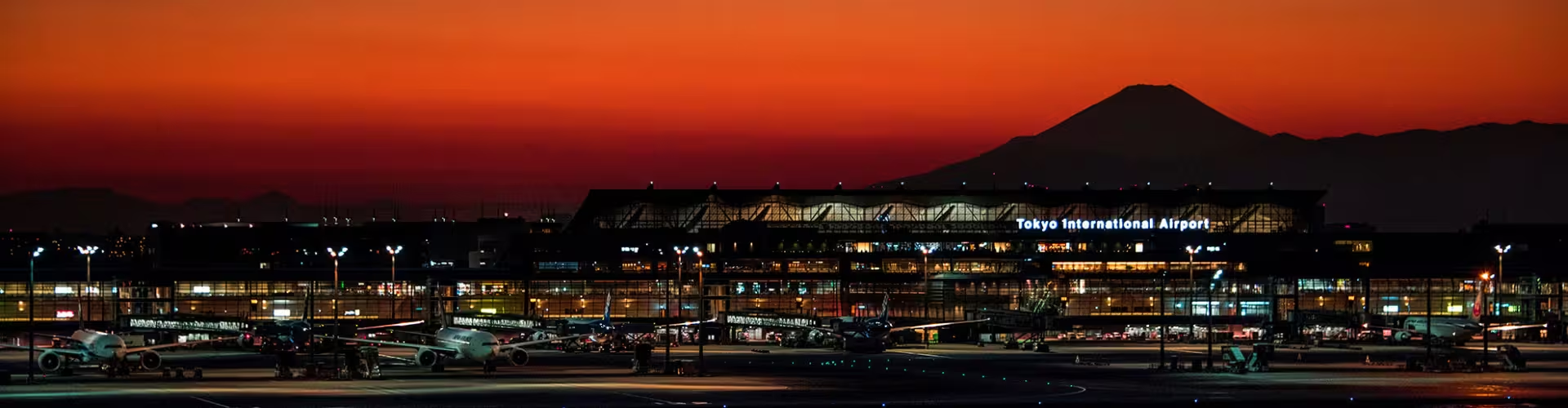
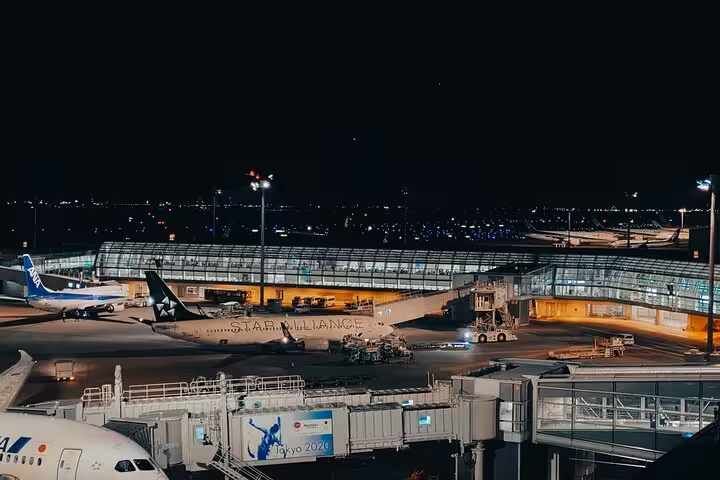
Narita est une ville de la préfecture de Chiba, située dans la région du Kanto, dans l'est du Japon. La ville accueille l'aéroport international de Narita, l'un des principaux carrefours aériens d'Asie desservant la région métropolitaine de Tokyo. Les visiteurs explorent des temples traditionnels, notamment le temple historique Narita-san Shinshoji, et découvrent la culture locale à travers les quartiers résidentiels et les marchés environnants.
Narita is a city in northwestern Chiba Prefecture, Japan, located approximately 60 kilometers east of central Tokyo. It is globally known for Narita International Airport and historically significant as the site of Naritasan Shinshoji Temple, a Shingon Buddhist complex founded in 940 CE that attracts over ten million visitors annually. The city sits within the Kanto Plain and serves as both a major international gateway and a well-preserved example of Edo-period merchant town culture.
Narita | Chiba Prefecture | Japan | Buddhist Temple Town | International Gateway | Edo-Period Heritage | Kanto Region