Last updated:
Set between Barcelona and the Pyrenees, Vic is a characterful Catalan city where medieval streets, a grand central square, and a proud food culture make planning simple and rewarding. If you want Best things to do in Vic/Catalonia, Spain that feel authentic, walkable, and rich in local life, Vic delivers with markets, museums, and easy nature escapes. Arrive by train from Barcelona or Girona, then base yourself in the compact center for an easy first visit.
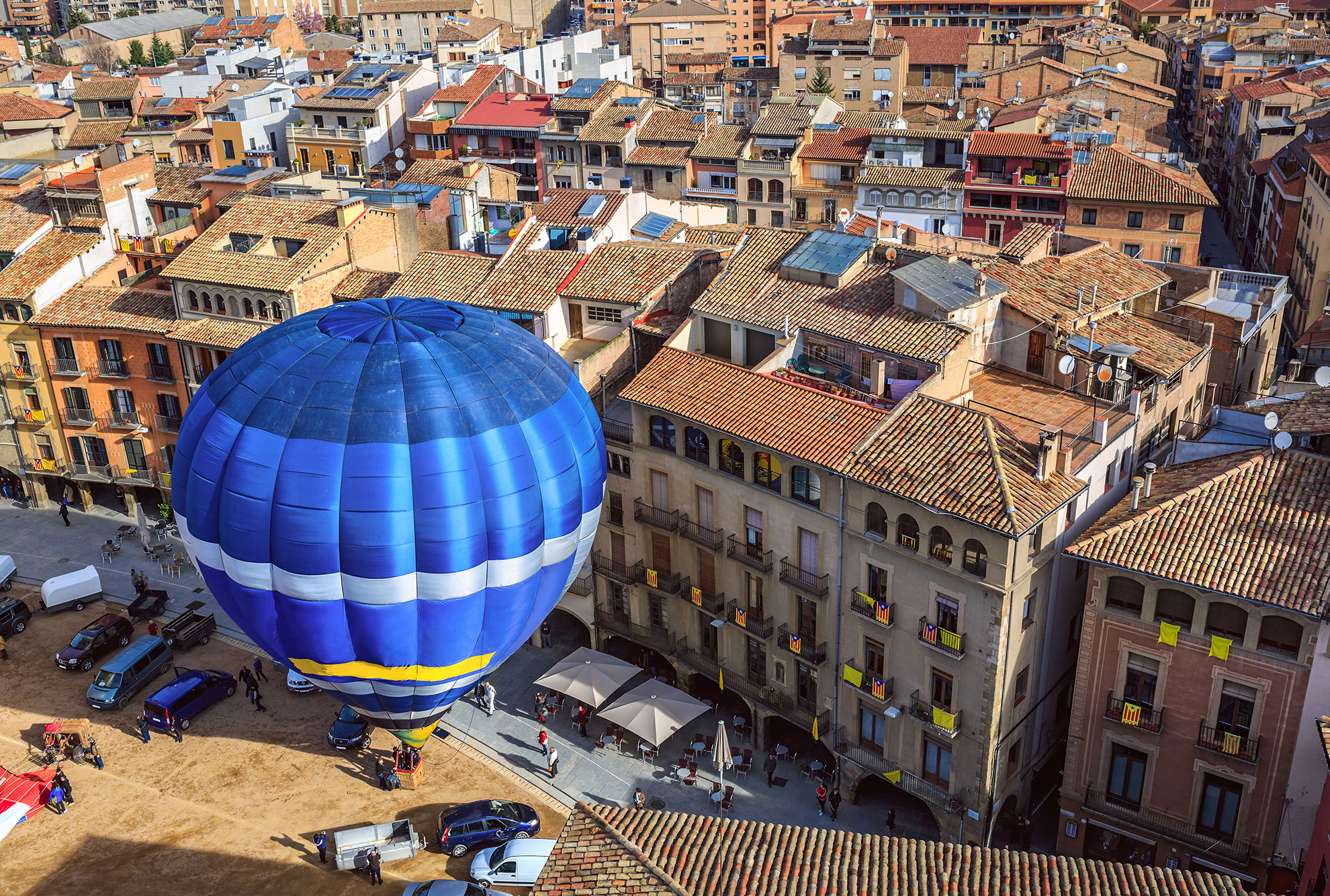
Vic, Osona comarca, Catalonia, northeastern Spain.
Closest big hubs, Barcelona and Girona.
Easy rail access, Barcelona to Vic is about 1 to 1.5 hours depending on service.
Ideal stay, 1 to 3 days.
Best seasons, spring and autumn for mild weather and clear day trip conditions.
Winter is crisp and quiet, summer is warmer with longer evenings.
Typical costs, mid range for Catalonia, with good value set menus at lunch.
Carry a small amount of cash for market stalls and small bars.
Most places accept cards, but some artisan vendors prefer cash.
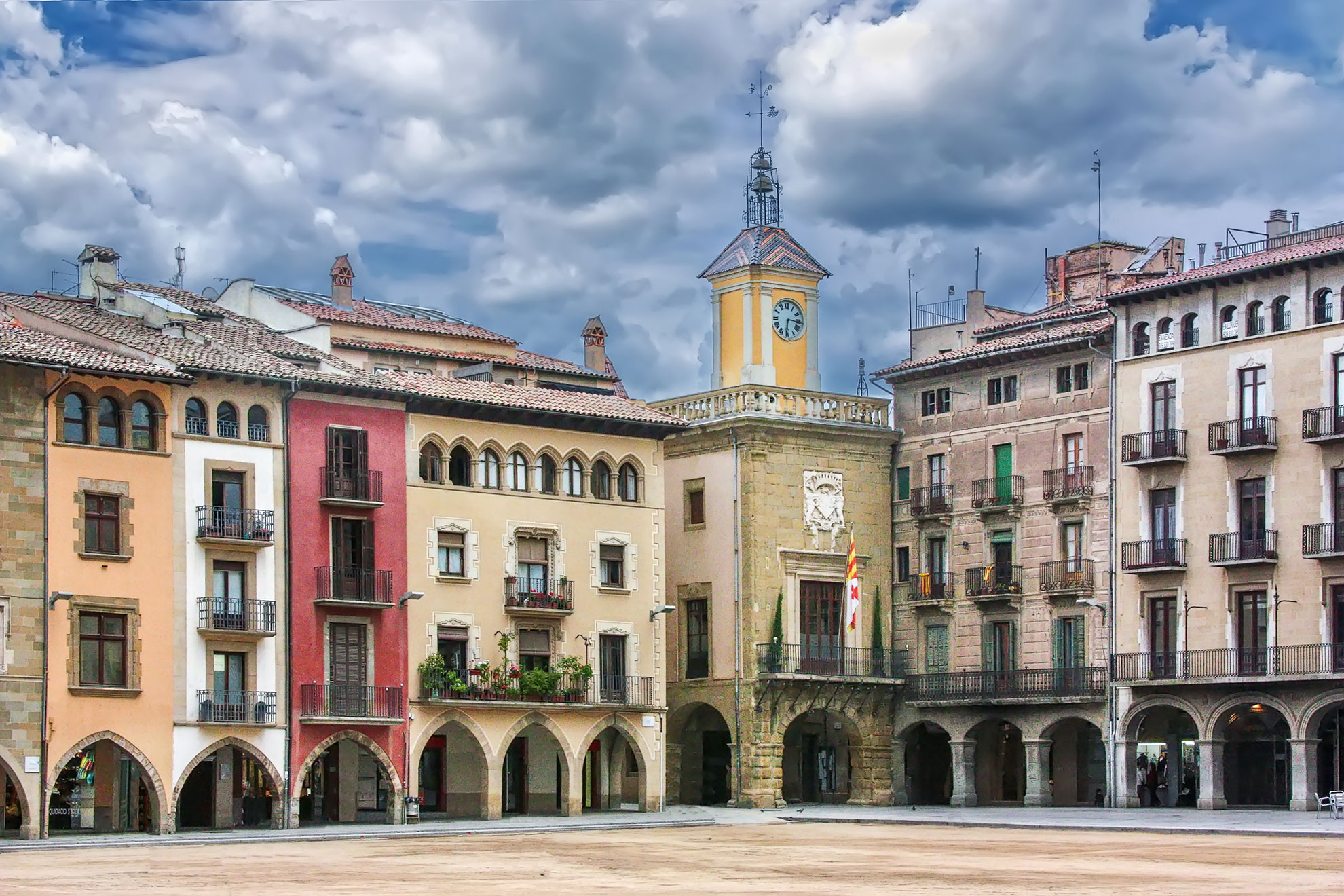
Plaça Major and the Vic market experience. Vic’s main square is the city’s social stage, lined with arcades and historic facades that feel especially alive on market days. Plan a morning visit for the full Vic market experience, then grab a coffee under the arches and people watch for 20 to 30 minutes.
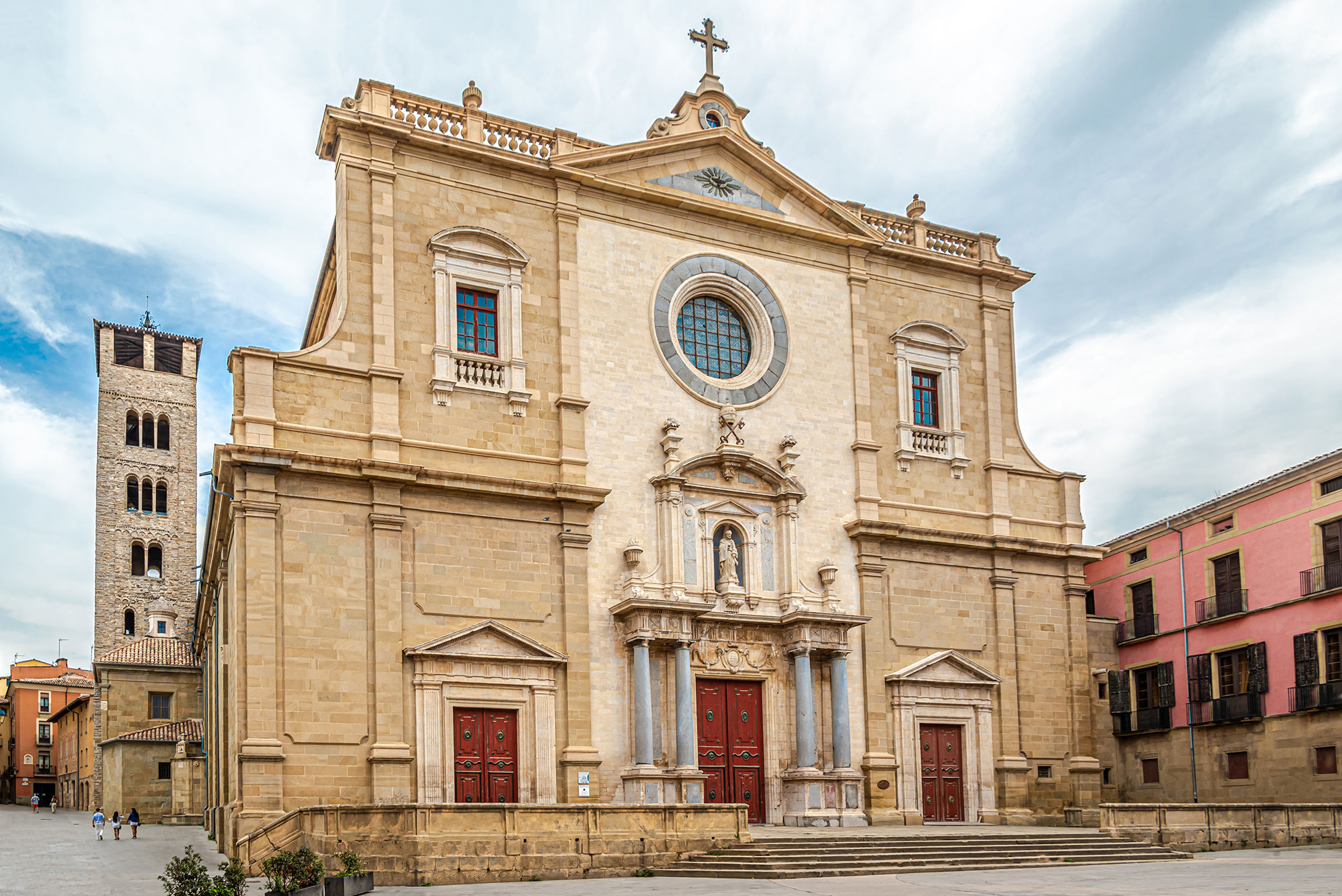
Vic Cathedral, art, cloister, and viewpoints. The cathedral complex blends different eras, and the interior artworks reward a slow visit. This is one of the most rewarding stops for travelers building their list of Best things to do in Vic/Catalonia, Spain, especially if you like quiet, reflective spaces. Allow about 45 to 75 minutes, and visit earlier in the day for calmer conditions.
Episcopal Museum of Vic, Romanesque and Gothic masterpieces. The museum is a standout for medieval art, with collections that feel surprisingly world class for a small city. It is an excellent rainy day anchor if you are planning things to do in Vic Catalonia beyond the streets and squares. Reserve 60 to 90 minutes, and go with a light lunch plan afterward.
Walk the medieval old town of Vic. The historic center is compact and easy to explore on foot, with stone lanes, small plazas, and local shops that keep it lively without feeling crowded. A walk the medieval old town of Vic is best in late afternoon when the light softens and the city slows down. Expect 60 to 120 minutes depending on stops.
Temple Romà, a Roman surprise in the center. Tucked into the urban fabric, the Roman temple is a quick, memorable stop that adds depth to your itinerary. It works well as a short detour between the cathedral area and Plaça Major. Give it 15 to 25 minutes, then continue your loop through the old town.
Try the local specialty, Vic fuet and cured meats. Food is a major reason travelers seek Best things to do in Vic/Catalonia, Spain, and Vic is famous for charcuterie. Build time to try Vic fuet and cured meats in a reputable deli or market stall, and ask for a vacuum pack if you plan to travel onward.
Casa Comella and modernist details. Vic has a handful of modernist and eclectic buildings that reward curious walkers. Casa Comella is a good example to spot while exploring the center, especially if you enjoy architecture without needing a full museum visit. Pair it with a relaxed café stop nearby.
Rambla del Passeig and local shopping streets. For a more contemporary feel, stroll the Rambla and adjacent streets for boutiques, bakeries, and everyday Catalan life. This is a practical stop for picking up picnic supplies before a countryside outing. It also balances your list of what to do in Vic Spain with something simple and local.
Sunset views near the cathedral and upper streets. The gentle elevation around the cathedral area offers pleasant viewpoints over rooftops and surrounding hills. It is a low effort highlight that fits well before dinner. Bring a light layer, evenings can cool quickly outside summer.
Seasonal plan, Vic at Christmas and winter markets. In winter, the city feels cozy and slower, with seasonal decorations and a more local atmosphere. If you are planning Vic at Christmas and winter markets, aim for late afternoon walks and early dinners, and keep a warm layer for the square. This season is also ideal for museum focused days.
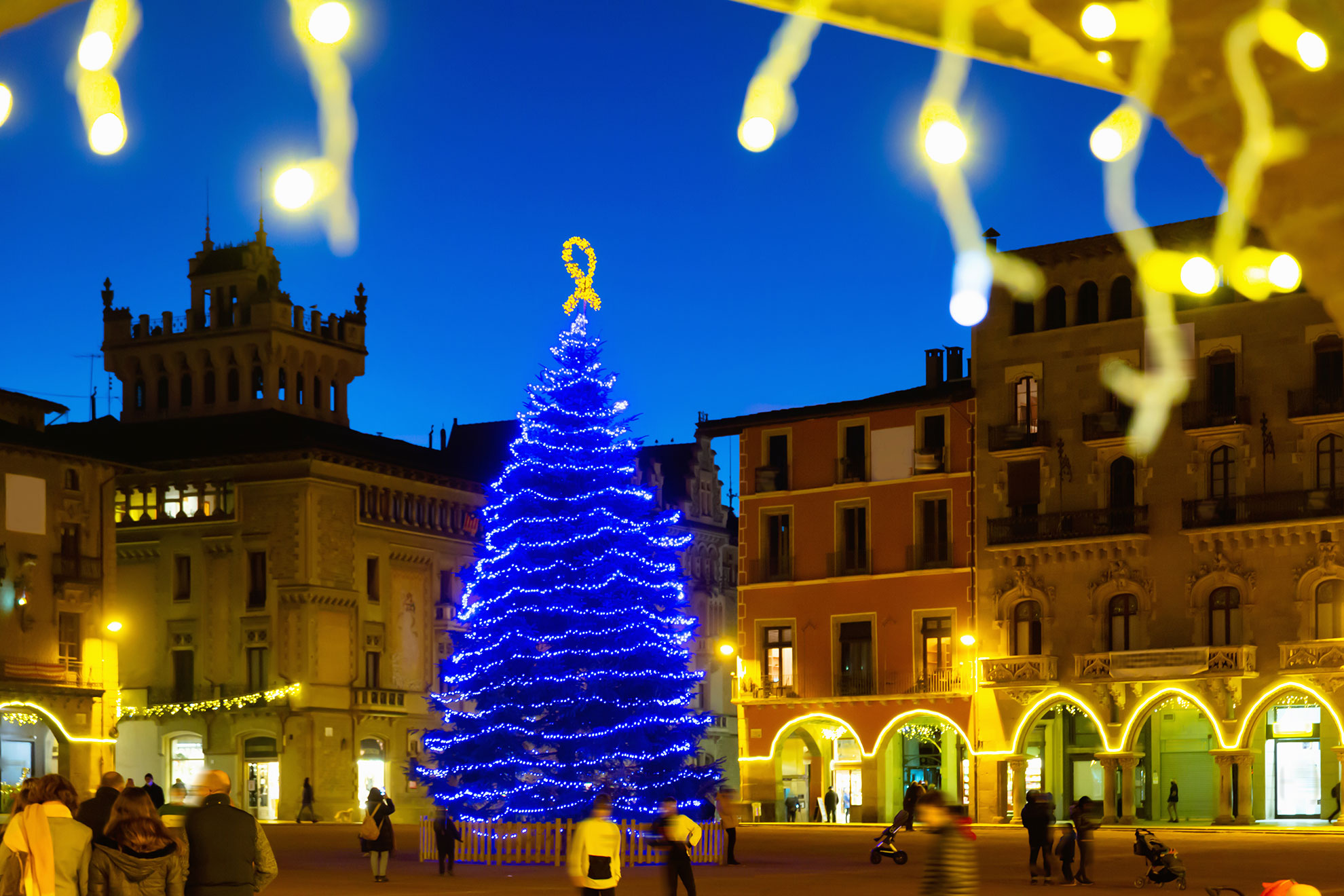
09:00, start at Plaça Major for the morning energy and a quick Vic market experience if it is market day.
10:30, visit Vic Cathedral and the nearby streets for photos and calm corners.
12:30, lunch in the center, then sample charcuterie to try Vic fuet and cured meats.
15:00, spend time at the Episcopal Museum of Vic for a culture focused afternoon.
17:30, walk the medieval old town of Vic and finish with sunset viewpoints near the cathedral.
Day 1, follow the One Day Highlights, keep the evening for tapas and a relaxed stroll under the arcades.
Day 2 morning, revisit Plaça Major for coffee, then explore modernist details like Casa Comella and the Rambla del Passeig.
Day 2 afternoon, choose a short nature outing or a nearby village, then return for dinner in the old town.
Day 1, old town loop, cathedral, Temple Romà, and food tasting.
Day 2, museum focused morning, then an afternoon countryside escape to a scenic viewpoint or an easy hike.
Day 3, take one of the day trips below, then come back for a final evening walk, rounding out your Best things to do in Vic/Catalonia, Spain list with both culture and landscapes.
Fuet de Vic, mild cured sausage, perfect with bread and tomato, ask for a thin slice tasting before you buy.
Llonganissa, a richer cured pork sausage, great for picnic plates, request vacuum packing for travel days.
Pa amb tomàquet, bread rubbed with tomato and olive oil, order it as a base for charcuterie boards.
Escudella, a hearty Catalan stew common in cooler months, ideal after a winter walking day.
Crema catalana, citrus and cinnamon custard with a crisp top, a classic dessert after lunch menus.
Cava, sparkling wine from Catalonia, ask for a local label and enjoy it as an aperitif.
Market cheeses and olives, build a small tasting from stalls during the Vic market experience, then enjoy it in a quiet corner of the center.
Spring. Mild temperatures and longer days make walking the center comfortable and day trips easy to plan. Crowds are manageable, and the countryside looks fresh and green. Pack a light jacket for cooler mornings.
Summer. Expect warmer afternoons and lively evenings, with a relaxed local rhythm. Plan sightseeing earlier, then return to the square later for dinner and strolling. Carry water and sun protection, shade can be limited in open areas.
Autumn. One of the best times for Best things to do in Vic/Catalonia, Spain, with pleasant walking weather and good visibility for scenic viewpoints. The food season feels especially strong, and the city has a comfortable pace. Bring layers, evenings cool down quickly.
Winter. Crisp air and fewer visitors create a calm, local feel, ideal for museums and slow food experiences. If you are interested in Vic at Christmas and winter markets, plan for shorter daylight and colder nights. A warm coat and comfortable shoes make a big difference.
The historic center is best explored on foot, and most highlights sit within a compact radius around Plaça Major and the cathedral area. Trains connect Vic with Barcelona and other Catalan towns, making it easy to arrive without a car. For countryside viewpoints and select day trips, a rental car can add flexibility, but many travelers can manage with rail plus short taxi rides.
Neighborhood focus, start in the Old Town for the cathedral, Temple Romà, and the best walking streets. Plaça Major is your anchor for cafés, market energy, and easy navigation. Rambla del Passeig and nearby streets offer everyday shopping and a more modern local vibe.
Safety is generally good in central areas, use standard city awareness in busy spots on market days. Accessibility varies, some old town streets have uneven stone surfaces and steps, so plan extra time and choose smoother routes near main streets when needed.
Rupit and Pruit, about 45 to 60 minutes by car, a storybook stone village with scenic walks and a dramatic setting.
Tavertet viewpoints, about 45 to 60 minutes by car, clifftop panoramas that pair well with a relaxed lunch.
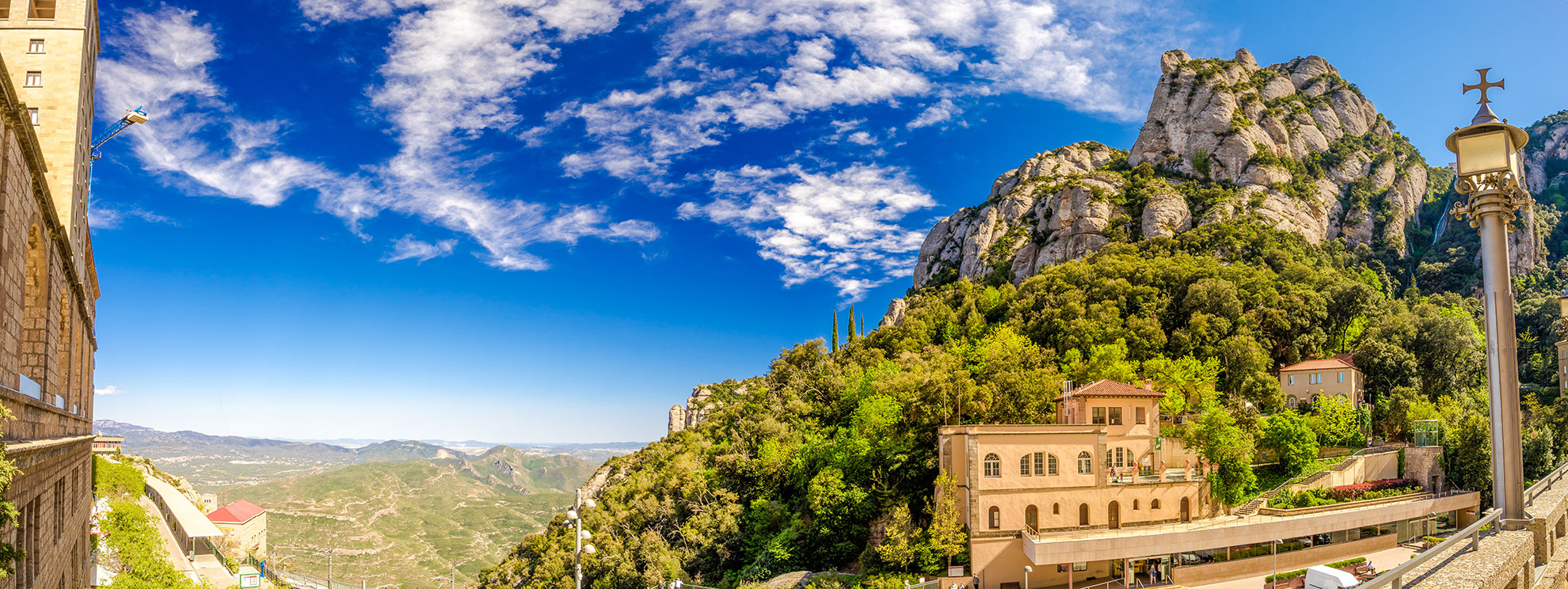
Montserrat, about 1.5 to 2 hours by car, iconic mountain scenery and a monastery visit, best started early.
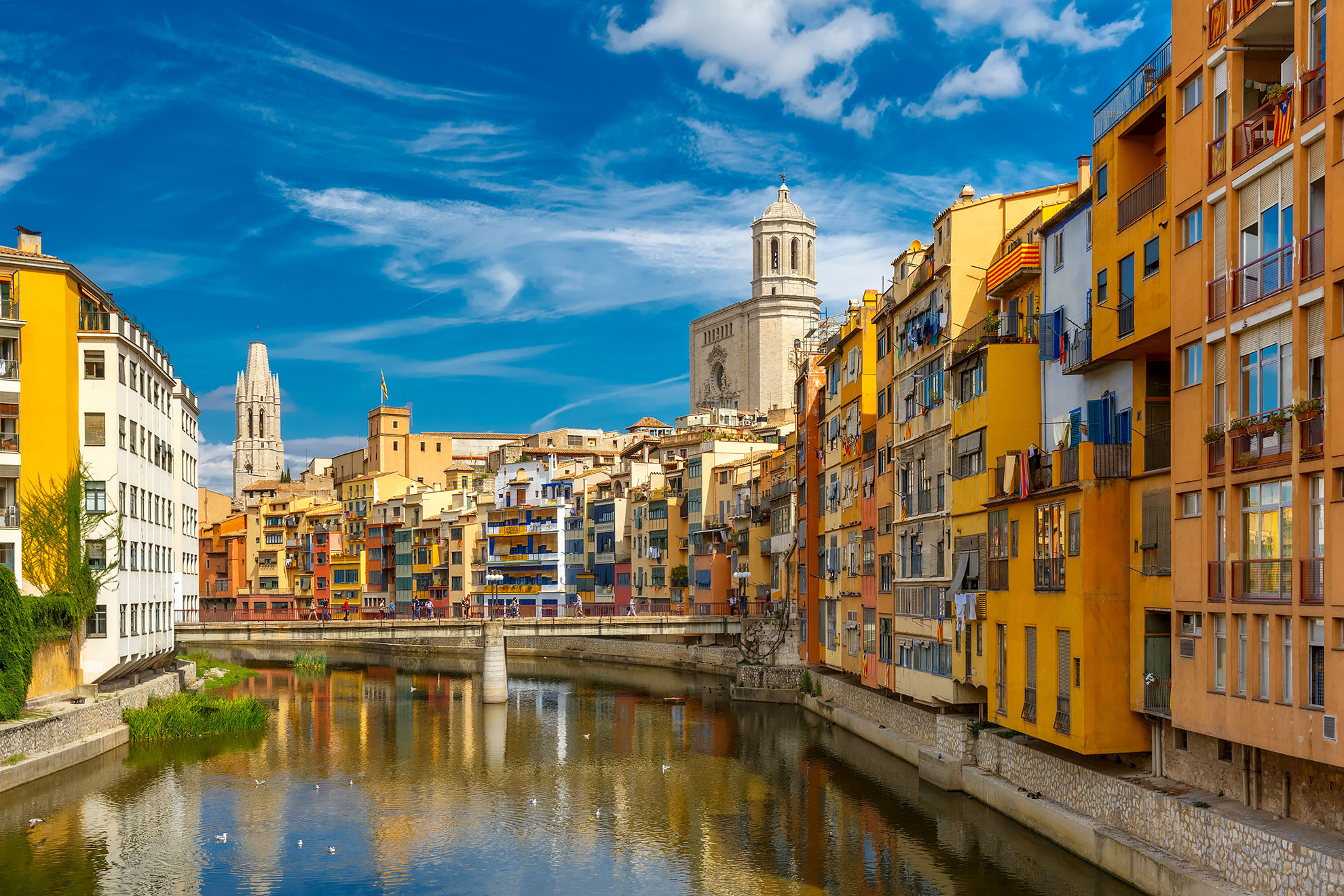
Girona, about 1 to 1.5 hours by train or car, medieval lanes and riverside views for a full day of walking.
Barcelona, about 1 to 1.5 hours by train, ideal for a museum or architecture day if you want a city contrast.
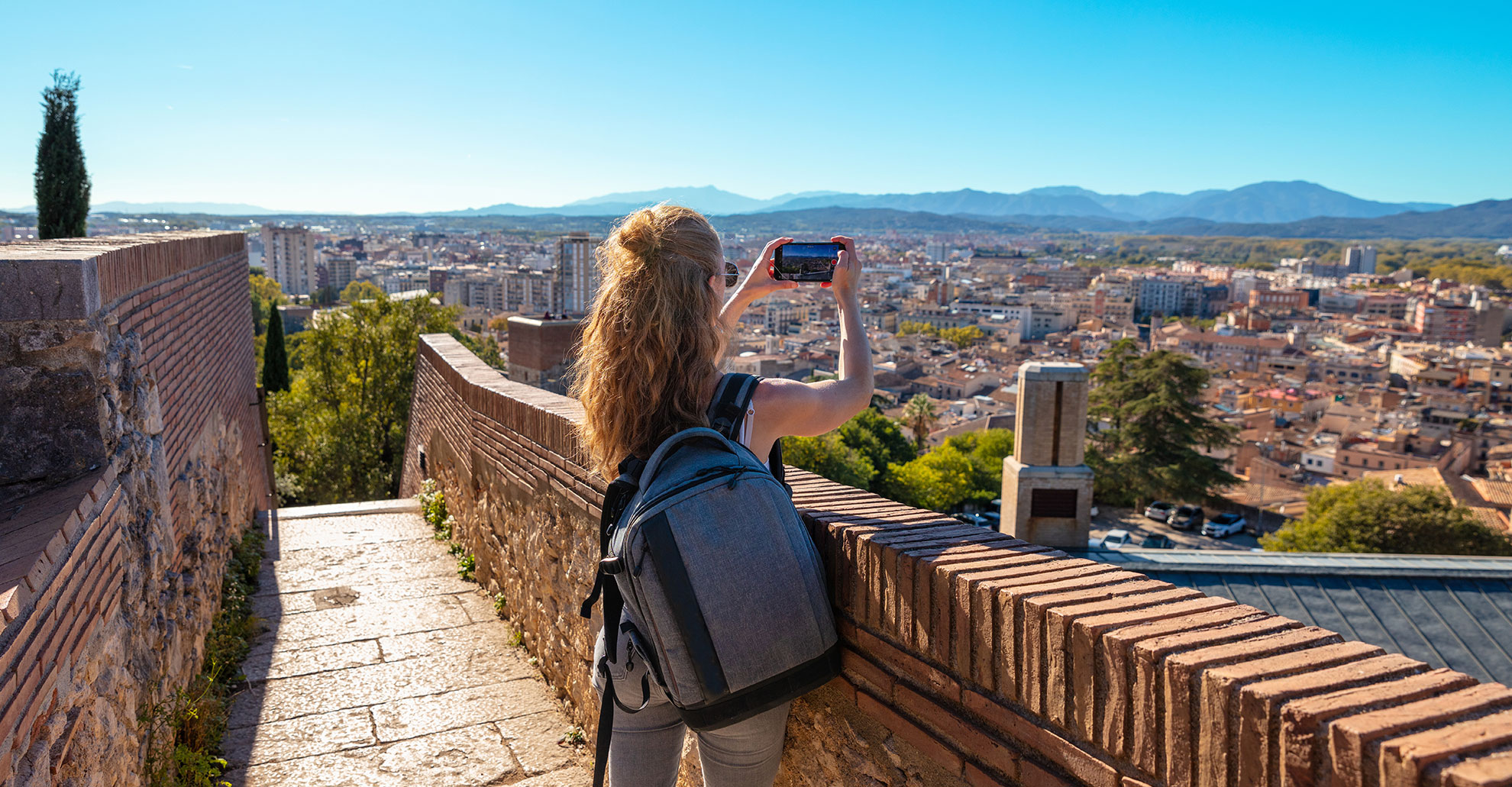
One day covers the historic center, Plaça Major, and the main cultural sites at a comfortable pace. Two to three days is ideal if you want museums plus a nearby nature outing or a village day trip.
For most travelers, timed reservations are not essential, but it helps on weekends and holiday periods. If you are planning Best things to do in Vic/Catalonia, Spain around a tight schedule, booking ahead reduces waiting and keeps the day flowing.
Stay in or near the Old Town, close to Plaça Major and the cathedral area, so you can walk to most highlights. If you arrive by train, choose accommodation with an easy route to the center and plan short taxi rides if you have luggage.
Spring and autumn are the easiest seasons for walking, with mild temperatures and good conditions for day trips. Winter is quieter and works well for museums and food focused plans, while summer is best with early starts and late evenings.
Accessibility is mixed due to stone streets and occasional steps, but many central routes are manageable with planning and extra time. Catalan and Spanish are the main languages, and English is common in museums and many tourist facing businesses, especially in the center.
Every trip that passes through here is also listed on the destination page.