Last updated:
Best things to do in Sitges, Spain starts with an easy coastal escape that blends golden beaches, Modernist architecture, and a lively dining scene, all within quick reach of Barcelona. This guide helps you choose what to see, what to book, and how to pace your days so you can spend more time enjoying Sitges and less time planning. Expect a walkable old town, scenic viewpoints, and experiences that fit everyone from beach lovers to culture seekers.
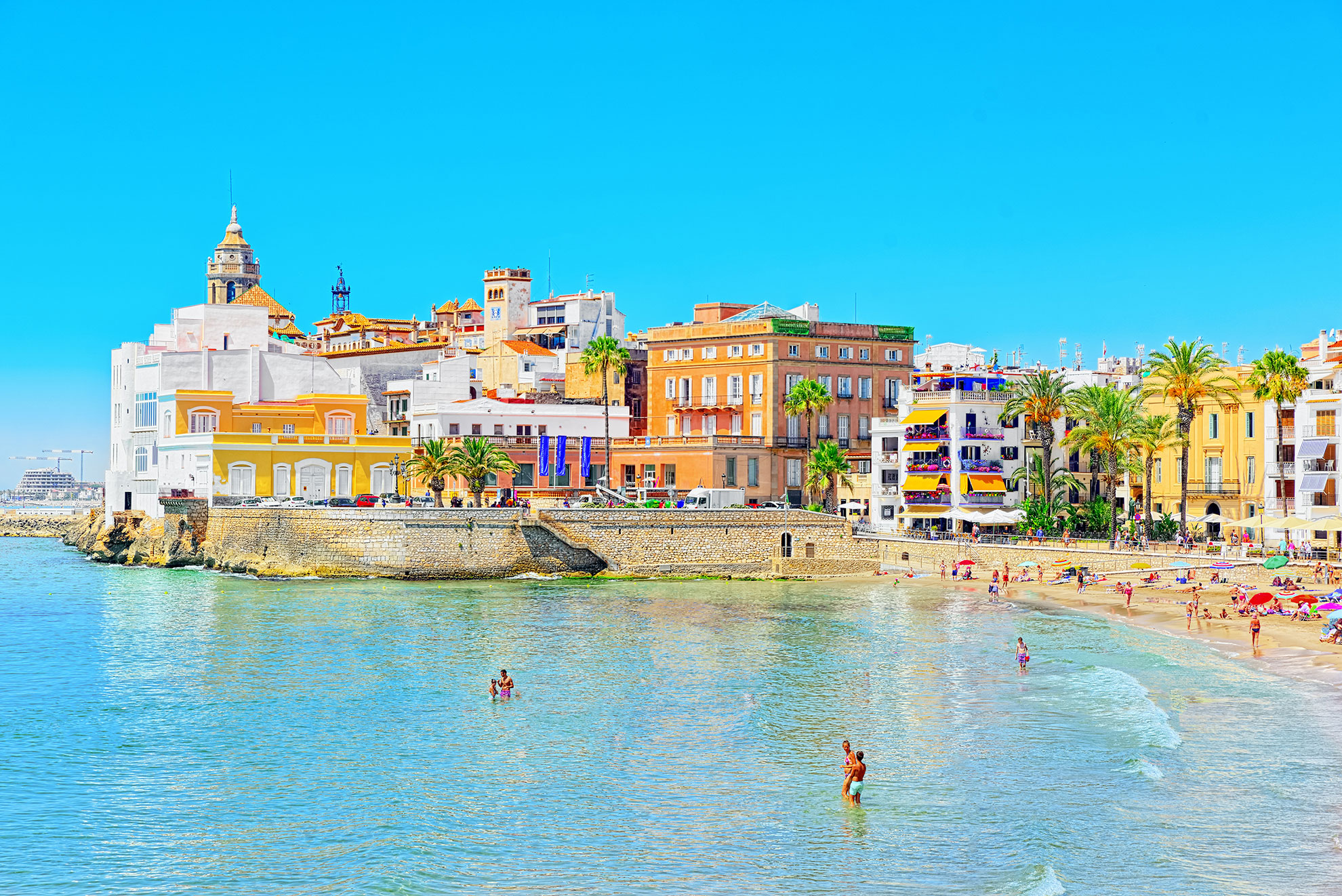
Best things to do in Sitges, Spain revolve around a sunny Mediterranean resort town with a polished, welcoming vibe and a strong cultural calendar. It is ideal for travelers who want beach time plus museums, charming streets, and easy day trips across Catalonia. Most visitors arrive by train from Barcelona, then explore on foot between the seafront, the old town, and the marina.
Sitges, Garraf coast, Catalonia, Spain.
Nearest major hub, Barcelona, about 35 to 45 minutes by train.
Closest airport, Barcelona El Prat, then train or taxi to Sitges.
Ideal length, 1 to 3 days for highlights, beaches, and a museum visit.
Best seasons, late spring and early autumn for warm weather and lighter crowds.
Summer is busiest, winter is calm and good for culture and coastal walks.
Mid range destination, with good value menus and free beach time.
Carry a card plus some cash for small cafés, markets, and beach essentials.
Book popular experiences early in summer weekends and festival periods.
1) Sitges Old Town, Casco Antiguo stroll
Wander whitewashed lanes, small plazas, and boutique corners for the classic Mediterranean feel. This is one of the most rewarding best things to do in Sitges, Spain because it is scenic, free, and perfect at golden hour. Allow 1 to 2 hours, then linger for a café stop near the church steps.
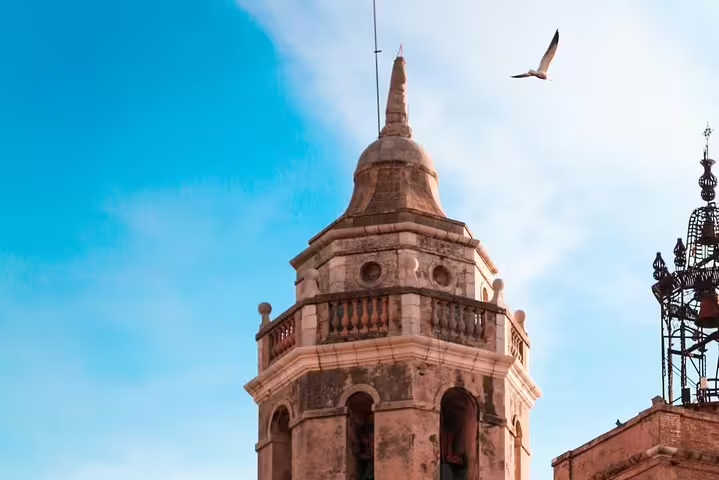
2) Church of Sant Bartomeu and Santa Tecla viewpoint
The iconic hilltop church defines Sitges’ skyline and delivers postcard views over the seafront. Go early morning for quieter photos, or at sunset when the light warms the stone. Pair it with sunset views at Sant Bartomeu Church Sitges for a memorable evening walk.
3) Passeig Marítim seaside promenade walk
The palm lined promenade connects beaches, viewpoints, and elegant villas in an easy, flat route. It is a top pick for things to do in Sitges Catalonia because you can tailor it to any pace, from a quick stroll to a long run. Plan 45 to 90 minutes, and bring water in peak summer heat.
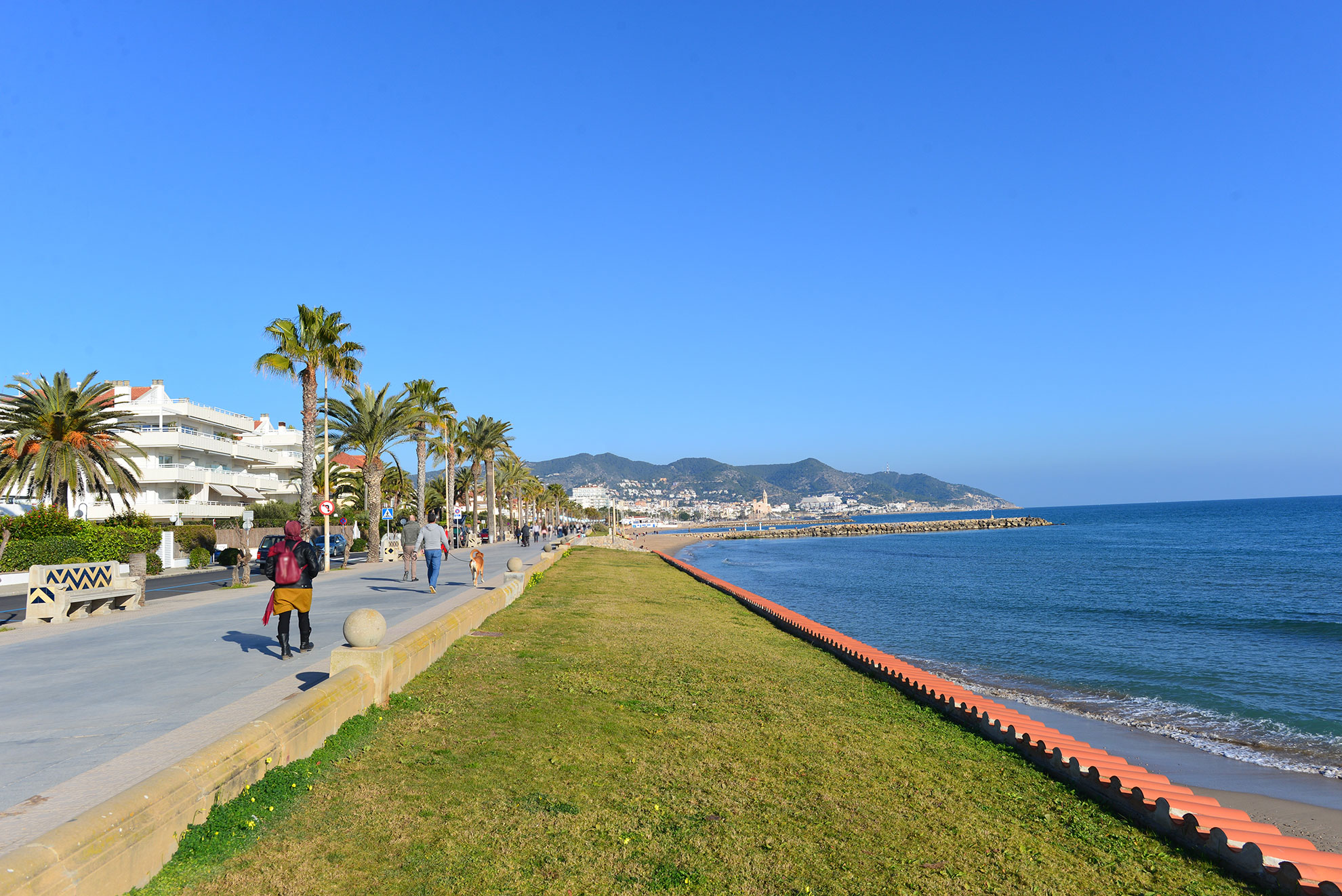
4) Platja de Sant Sebastià beach time
This beach is family friendly, scenic, and close to the old town, with calm water on many days. It is a smart choice if you want family friendly beaches in Sitges without needing a car. Arrive before 11:00 for easier space in high season.
5) Platja de la Ribera and central beach scene
Right by the promenade, it is convenient for a swim between sightseeing and lunch. It is also a great base for travelers focused on beach clubs and nightlife in Sitges since many bars and terraces are nearby. Expect the most crowds here in July and August.
6) Museu Cau Ferrat and Museu de Maricel
These neighboring museums showcase art, collections, and architecture that explain Sitges’ cultural identity. A combined visit fits well into any list of best things to do in Sitges, Spain when you want a break from the sun. Reserve a timed slot if available, and plan 1.5 to 2.5 hours for both.
7) Modernist architecture walk, villas and façades
Sitges has a refined Modernist heritage that appears in seaside mansions and elegant details around town. Try a self guided route from the promenade toward residential streets, then back into the center for lunch. This pairs naturally with walking tour of Sitges old town and seafront.
8) Sitges Market, Mercat Municipal
Browse produce, cured meats, cheeses, and seasonal fruit for a quick local snapshot. It is ideal for travelers searching what to do in Sitges in one day who still want an authentic stop between landmarks. Go in the morning for the best selection and a lively atmosphere.
9) Port d’Aiguadolç marina, tapas and boats
The marina area offers a different vibe, with waterfront dining and a relaxed evening walk. It is a good option when the center feels busy, and it fits well for couples or groups. Consider it for best restaurants and tapas in Sitges, especially for seafood dinners.
10) Sitges nightlife, bars and late evenings
Sitges is known for a friendly, energetic night scene that ranges from cocktail bars to dance floors. Start with a relaxed terrace drink, then follow the mood into the late hours. If nightlife is a priority, it is one of the most popular top attractions in Sitges Spain after dark.
11) Carnival or Film Festival planning
If your dates align, festivals can define your entire trip, with parades, costumes, screenings, and packed restaurants. Book accommodation early and plan meals with reservations. This is especially useful for best time to visit Sitges for festivals.
09:00, arrive by train and start in the old town, then climb to the church viewpoint.
11:00, museum visit at Cau Ferrat and Maricel, then lunch near the center.
15:00, beach time at Platja de Sant Sebastià, then promenade stroll before dinner at the marina.
Day 1, old town walk, church views, central beach at Platja de la Ribera, sunset promenade, tapas dinner.
Day 2, morning market visit, Modernist architecture stroll, museum time if you skipped it, then a relaxed evening for bars and live music.
Day 1, old town, church viewpoint, museums, sunset photos.
Day 2, beach morning, marina lunch, nightlife later.
Day 3, a coastal walk and a Catalonia day trip, then return for a final seaside dinner and a calm evening stroll.
Pa amb tomàquet, toasted bread with tomato and olive oil, order it as a starter to share.
Fideuà, a noodle based seafood dish, best enjoyed near the seafront with a slow lunch.
Suquet de peix, Catalan fish stew, ask what the catch of the day is for the freshest version.
Escalivada, roasted vegetables with olive oil, a great lighter option in warm weather.
Calamari and grilled prawns, classic coastal tapas, pair with a crisp local white wine.
Crema catalana, creamy dessert with caramelized top, ideal after a seafood meal.
Cava, sparkling wine from nearby Penedès, ask for a glass or a bottle if you are celebrating.
Spring, mild days and comfortable evenings, with fewer crowds and great walking conditions. Beaches start to feel lively later in the season, and it is an excellent time for museum visits and long promenade strolls.
Summer, hot, sunny, and busiest, with peak beach energy and late dinners. Book experiences and restaurants ahead for weekends, and plan shade breaks between 13:00 and 17:00.
Autumn, warm sea temperatures early on and calmer streets after summer. It is a strong choice for travelers who want swimming plus culture, and it often feels more relaxed for dining.
Winter, cooler and quieter, with a local pace and plenty of open cafés and restaurants. It is best for coastal walks, galleries, and a slower itinerary, with occasional rainy days to plan around.
Sitges is compact and walkable, especially between the train station, the old town, the promenade, and the main beaches. Local buses and taxis help for longer hops, and cycling is pleasant along flatter stretches near the seafront. For neighborhoods, base yourself in the old town for charm, near the promenade for beach convenience, or closer to Port d’Aiguadolç for a quieter marina atmosphere.
General safety is good, but keep an eye on belongings in crowded beach areas and during festivals. Many sidewalks are smooth, but some old town streets have steps and uneven paving, so comfortable shoes help. For accessibility, choose seafront routes and modern accommodations, and confirm museum access options if you need step free entry.
Barcelona, 35 to 45 minutes by train, architecture, museums, and neighborhoods, ideal if you want a big city contrast.
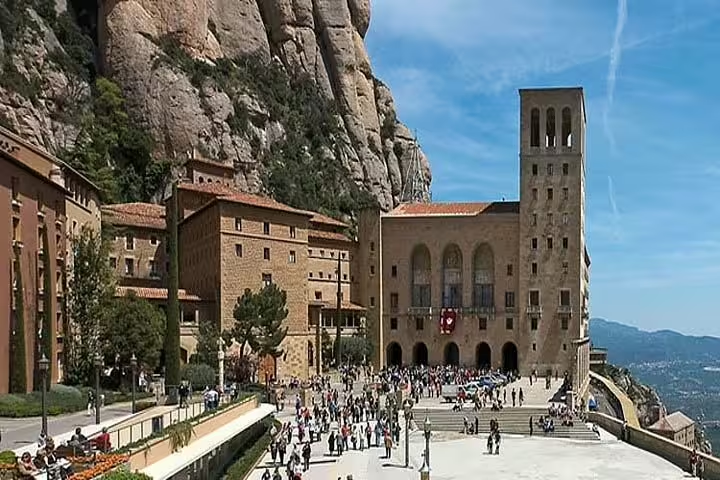
Montserrat, about 1.5 to 2 hours each way depending on connections, mountain monastery views and short hikes.
Penedès wine country, about 30 to 60 minutes, cava cellars and vineyard tastings, perfect for a relaxed afternoon.

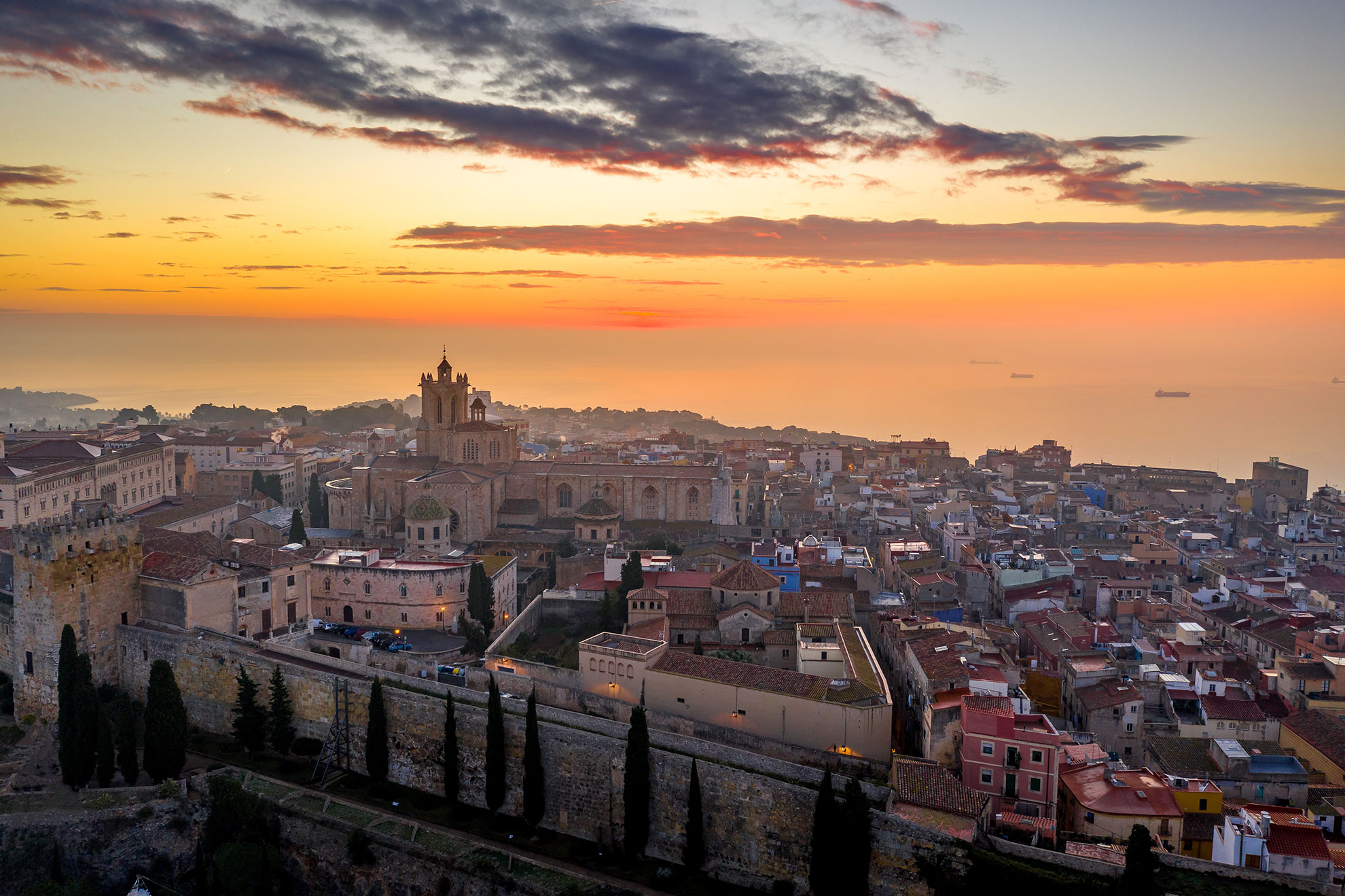
Tarragona, about 45 to 60 minutes by train, Roman sites and a historic center, great for history lovers.
Vilanova i la Geltrú, about 10 minutes by train, a calmer coastal town with beaches and local dining.
How many days do you need in Sitges?
One day covers the main old town, a beach, and a viewpoint, but two to three days feels more relaxed. For Best things to do in Sitges, Spain plus a museum visit and a day trip, plan three days.
Do I need to book tickets in advance for museums and attractions?
For the main museums, booking ahead is smart in summer weekends and festival periods. Beaches and outdoor viewpoints are generally free and do not require tickets.
Where should I stay, old town, seafront, or the marina?
Old town is best for charm and quick access to sights, while the seafront is best for beach convenience. The marina area near Port d’Aiguadolç is quieter at night and great for waterfront dinners.
What is the best season for Sitges, and what if it rains?
Late spring and early autumn balance warm weather with fewer crowds, while summer is hottest and busiest. If it rains, focus on museums, the market, and long lunches, then return to the promenade when skies clear, which still fits many Best things to do in Sitges, Spain.
Is Sitges accessible, and is English widely spoken?
Many central routes along the promenade are flat, but the old town has some steps and uneven paving. English is widely spoken in hotels and restaurants, and Spanish and Catalan are the main local languages.
Every trip that passes through here is also listed on the destination page.