Montevideo

logoBlack

Build your dream
experience

dreamimg

More to know about Montevideo

Montevideo Travel Guide

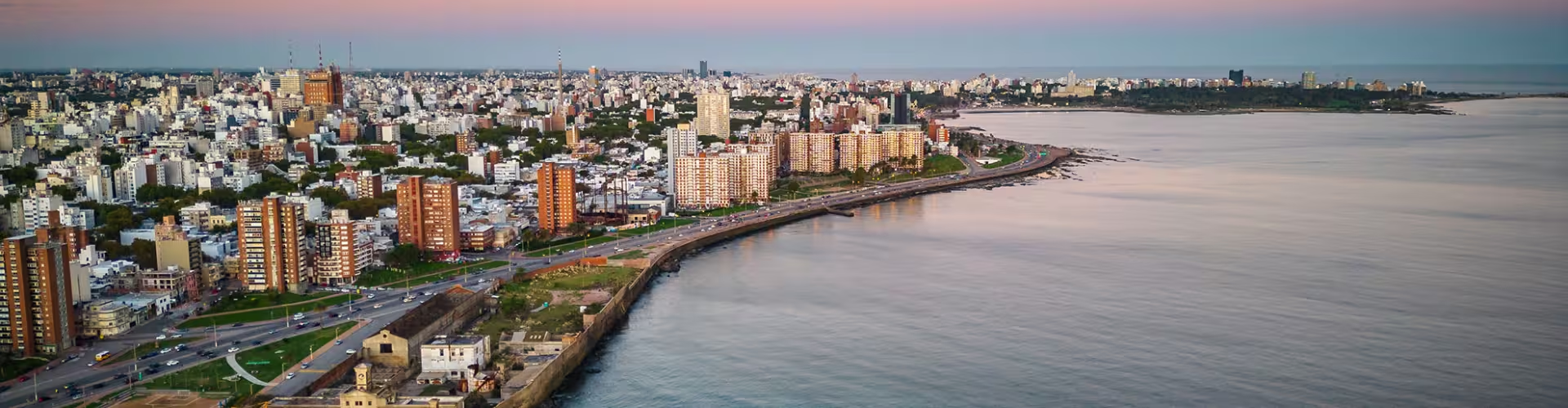
Montevideo is Uruguay’s capital and its most lived in, day to day destination, a place where Atlantic breezes meet café culture, late dinners, and a calm coastal rhythm. This guide is designed to help you plan confidently, from choosing the best neighborhoods to building an itinerary that balances history, food, and the waterfront. Expect a city that feels approachable and local, with a strong sense of identity shaped by immigration, football culture, and the Rambla lifestyle.


Snapshot

Montevideo feels unrushed, coastal, and quietly stylish, with long seaside promenades, historic streets, and a food scene built for lingering. It is a smart choice when you want a South American capital that is easy to navigate and rich in everyday culture rather than nonstop spectacle. Go now if you want a destination where simple pleasures, like sunset on the Rambla and a shared grill meal, are the main event.


🗺️ Geography and Logistics

📍 Orientation: Where is it within Uruguay and Uruguay?

Montevideo sits on the southern coast of Uruguay along the Rio de la Plata, facing the wide estuary that looks and feels like an ocean from the shoreline. The city stretches along the waterfront, with the Rambla acting like a natural spine that links many areas visitors care about. For arrivals and departures, most travelers use the main gateway airport serving the capital region, then continue by road into the city center and coastal neighborhoods.

🕒 When to Go: Seasonal breakdown

Think in terms of shoreline weather and local rhythms. Warmer months bring longer evenings on the Rambla and a stronger beach and outdoor dining vibe, which can also mean more visitors. Cooler months tend to feel calmer and more residential, which is ideal if you want museums, markets, and neighborhood walks with fewer crowds. Shoulder season is often the easiest balance, with comfortable temperatures for walking and a city schedule that still feels lively.

💰 Budget & Currency

Uruguay is often perceived as pricier than some neighboring destinations, so it helps to plan with a mid range budget mindset and prioritize what matters most to you. Use cards for most day to day spending, and keep some cash for small purchases in markets and casual spots. A practical approach is to set a daily baseline for food and transport, then allocate extra for a special meal or a guided experience that adds context to the city’s history.


⭐ Essential Things to Do

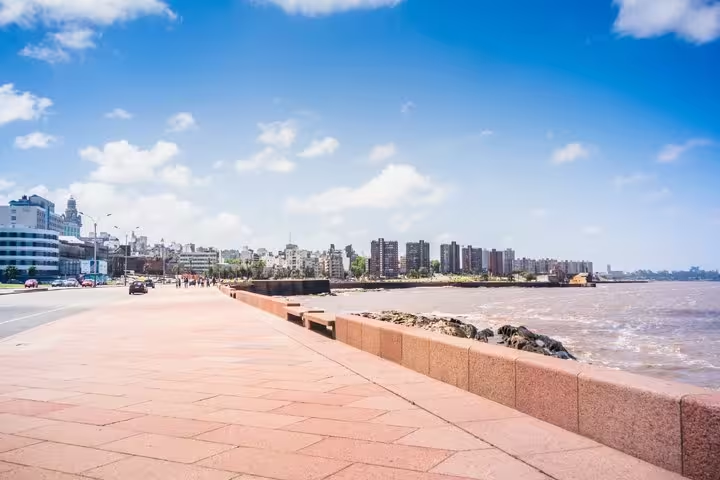
Stroll the Rambla. The waterfront promenade is the city’s outdoor living room, where locals walk, cycle, mate in hand, and settle in for sunset. It matters because it shows you how the city breathes, with neighborhoods unfolding along the coast. Practical tip, go near golden hour for the best light and a more social atmosphere.

Explore Ciudad Vieja. The historic quarter offers architecture, plazas, and a street level sense of how the city developed as a port capital. It matters because you can connect the dots between colonial era layouts and modern cultural life. Practical tip, visit earlier in the day for easier walking and a more relaxed pace.

Visit Mercado del Puerto. This is a classic stop for grilled flavors and the social ritual of sharing food. It matters because Uruguay’s parrilla culture is a major part of national identity, and this market concentrates that experience in one place. Practical tip, arrive hungry and consider going slightly off peak to find a comfortable spot.

Spend time in Parque Rodó. This green area blends park life with cultural venues and a youthful energy, especially on weekends. It matters because it gives you a break from urban streets while staying close to the coast. Practical tip, pair it with a Rambla walk so you can see both the leafy interior and the shoreline.

Discover Pocitos and its beach culture. Pocitos is known for its residential feel, cafés, and a popular stretch of waterfront. It matters because it is a window into modern Montevideo life, where daily routines revolve around the coast. Practical tip, choose a weekday if you prefer a quieter beach walk.

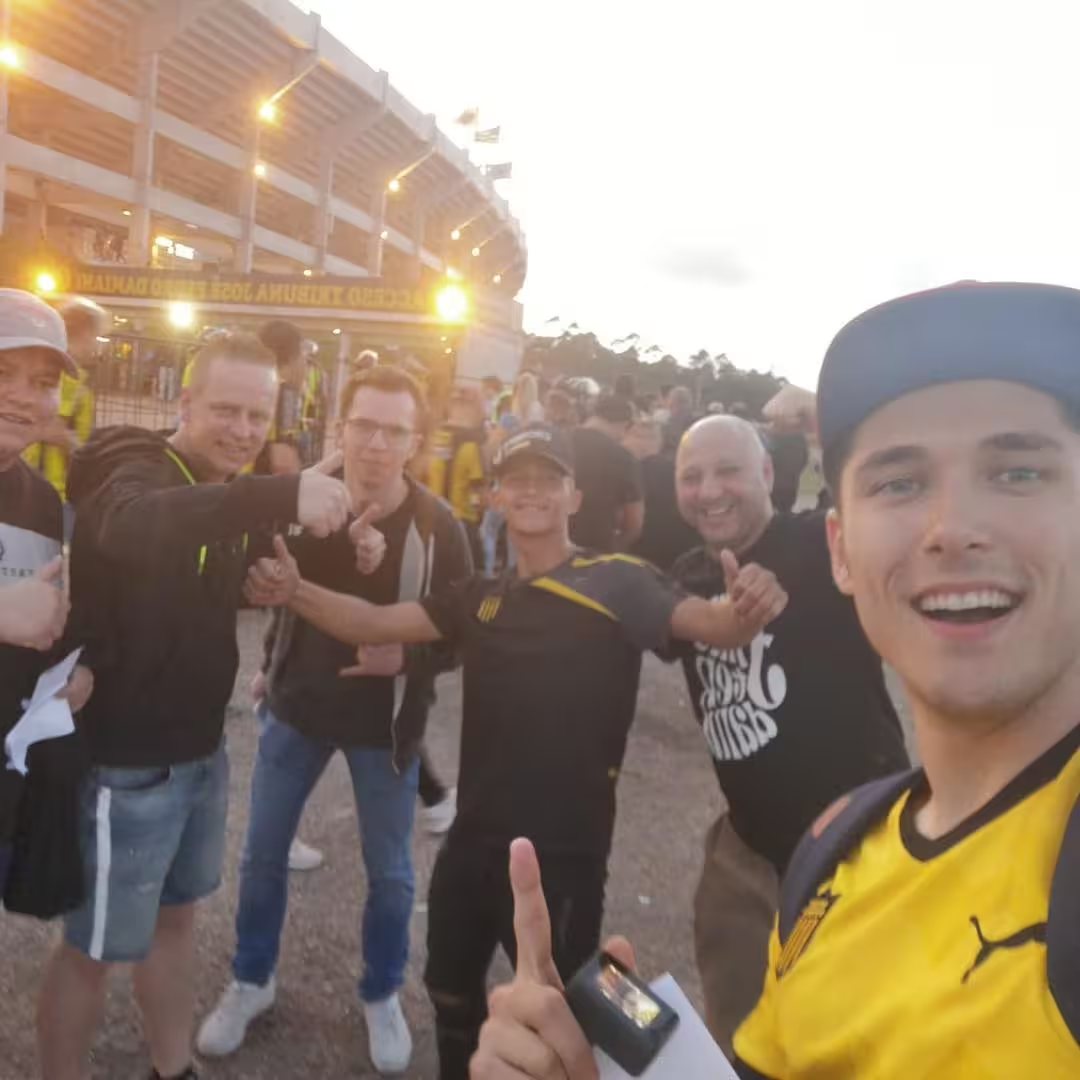
Catch a football atmosphere. Football is a cornerstone of local culture and a powerful way to understand community pride. It matters because Uruguay’s sporting identity is deeply rooted and often discussed with real emotion. Practical tip, if you attend a match or stadium related visit, plan your transport in advance and follow local guidance on where to enter and exit.

Seek out local cafés and mate culture. The café scene and the ritual of mate are small but meaningful cultural anchors. It matters because these habits shape the tempo of the city, slow, social, and observant. Practical tip, take your time, and notice how long people linger rather than rushing a quick stop.

Take a coastal bike ride. The long, linear waterfront makes cycling feel intuitive and scenic. It matters because it lets you cover more ground while staying connected to the city’s defining geography. Practical tip, ride with the breeze in mind, and bring a light layer even on mild days.


🚶 Curated Itineraries

⏰ The Highlights (1 Day)

Start in Ciudad Vieja for a focused walk through historic streets and key plazas, then transition toward the port area for a market style lunch. After midday, follow the Rambla to get a feel for the coastline and stop for coffee in a neighborhood that matches your style, such as a more central area or a coastal residential zone. End with sunset on the waterfront, then choose a relaxed dinner that leans into parrilla flavors.

⏰ Deep Dive (2-3 Days)

Day one mirrors the highlights, but at a slower pace, with time for museums or galleries you encounter in the historic center. Day two is for neighborhoods, parks, and the everyday city, combining Parque Rodó with a longer Rambla segment and an evening focused on food culture. If you have a third day, use it to explore beyond your base neighborhood, revisit your favorite coastal stretch at a different time of day, and add a guided experience for deeper historical context.


🍽️ Flavors of Montevideo

Asado. Uruguay’s signature grill style is about smoke, patience, and sharing. Expect a hearty, savory profile and a meal that is more event than quick bite. Ordering tip, go with a group friendly selection so you can try a variety without over ordering.

Chivito. This iconic sandwich is generous and layered, typically built for appetite and comfort. The flavor is rich and satisfying, with a mix of savory components. Ordering tip, ask what comes standard so you can customize without accidentally duplicating ingredients.

Empanadas. A practical snack that can be either quick street food or a sit down starter. The taste depends on the filling, but the appeal is portability and variety. Ordering tip, mix a few different fillings to find your favorite, and consider them for an easy lunch on the go.

Milanesa. A familiar comfort dish with a crisp exterior and a simple, savory center. It is common, filling, and easy to pair with salads or fries. Ordering tip, if you want something lighter, ask for a smaller portion or share.

Dulce de leche desserts. Sweet, caramel like, and deeply associated with regional tastes. It shows up in pastries and simple desserts that pair well with coffee. Ordering tip, try it in a baked pastry if you prefer a less intensely sweet experience.

Mate. More than a drink, it is a social habit and a symbol of everyday life. The flavor is herbal and can be bitter, especially at first. Ordering tip, if you are new, try it with someone local who can show you the etiquette and pacing.


🚌 Navigation & Transport

Montevideo is well suited to walking in key areas, especially along the Rambla and within the historic center, where short distances and street level details make walking rewarding. For longer hops between neighborhoods, public transport and ride sharing can help you save time and energy, particularly in warmer weather or when you are carrying beach or shopping items. As a general safety habit, keep valuables secure in busy areas, use well lit streets at night, and plan your route before you start moving so you are not navigating distracted.


🌄 Beyond the Center: Day Trips

Colonia del Sacramento. A popular day trip known for its historic character and slower pace. It is a strong contrast to the capital, making it ideal when you want a change of scenery. Travel time varies by transport method, so plan your departure early to maximize daylight.

Punta del Este. A coastal resort area associated with beaches and a more glamorous summer energy. It is best if you want a different seaside mood than the capital’s Rambla culture. Travel time depends on traffic and season, so build flexibility into your schedule.

Atlántida and nearby Costa de Oro beaches. A practical option for a simpler beach day outside the city. It is appealing for a low key coastline experience without committing to a longer journey. Check conditions and pack layers, since coastal wind can change how warm it feels.


✅ Insider Tips for Travelers

  • Plan Rambla time twice, once in daylight for the scenery, and once at sunset for the social vibe.
  • In markets and busy streets, keep phones and wallets secure and avoid setting valuables on tables.
  • Build your days around neighborhoods, not only attractions, since the city’s charm is often in everyday street life.
  • For parrilla meals, arrive hungry and consider sharing so you can try more than one classic option.
  • Pack a light layer for coastal wind, even when temperatures feel comfortable inland.
  • Use a mix of walking and short rides to avoid over scheduling long cross city treks.

❓ Frequently Asked Questions, FAQ

Is Montevideo easy to explore without a car?

Yes, many core areas are walkable, especially the historic center and long waterfront stretches. For longer distances, combine public transport or ride sharing with walking to keep days efficient.

How many days do I need for Montevideo?

One day covers major highlights at a fast pace, but 2 to 3 days gives you time for neighborhoods, parks, and food culture. A longer stay also makes it easier to add a day trip without rushing.

What is the best time of day for the Rambla?

Late afternoon into sunset is ideal for atmosphere and photos, since locals gather and the light is softer. Midday is better if you want a quieter walk and fewer people along the promenade.

What should I budget for food and daily expenses?

Costs vary by style of travel, but Uruguay can feel mid range to higher compared to some nearby destinations. A useful approach is to budget for a solid daily baseline, then add extra for a signature parrilla meal or guided experience.

Do I need cash in Montevideo, or can I use cards?

Cards are widely useful for most everyday spending, but carrying some cash helps for small purchases and certain market stalls. Keep money organized and avoid handling large amounts in crowded places.