Uruguay

logoBlack

Build your dream
experience

dreamimg

More to know about Uruguay


Uruguay Travel Guide

Uruguay delivers an easygoing South American rhythm with a polished edge, where leafy rambles, Atlantic beaches, and a strong cafe culture sit alongside grand architecture and ranch traditions. It is a destination that feels approachable for first time visitors, yet layered enough for repeat trips, especially if you like food, coastal light, and walkable cities. Use this guide to plan a trip that balances Montevideo energy, Colonia charm, and Punta del Este coastline without overpacking your schedule.


Snapshot

Uruguay feels calm, coastal, and confident, with a signature vibe that blends riverfront strolls, historic streets, and long dinners that stretch late. Go now if you want a South America itinerary that prioritizes comfort and culture, with short travel distances between major highlights. The country rewards travelers who slow down, build in sunset time, and treat food as part of the sightseeing.


๐Ÿ—บ๏ธ Geography and Logistics

๐Ÿ“ Orientation: Where is it within South America and Uruguay?

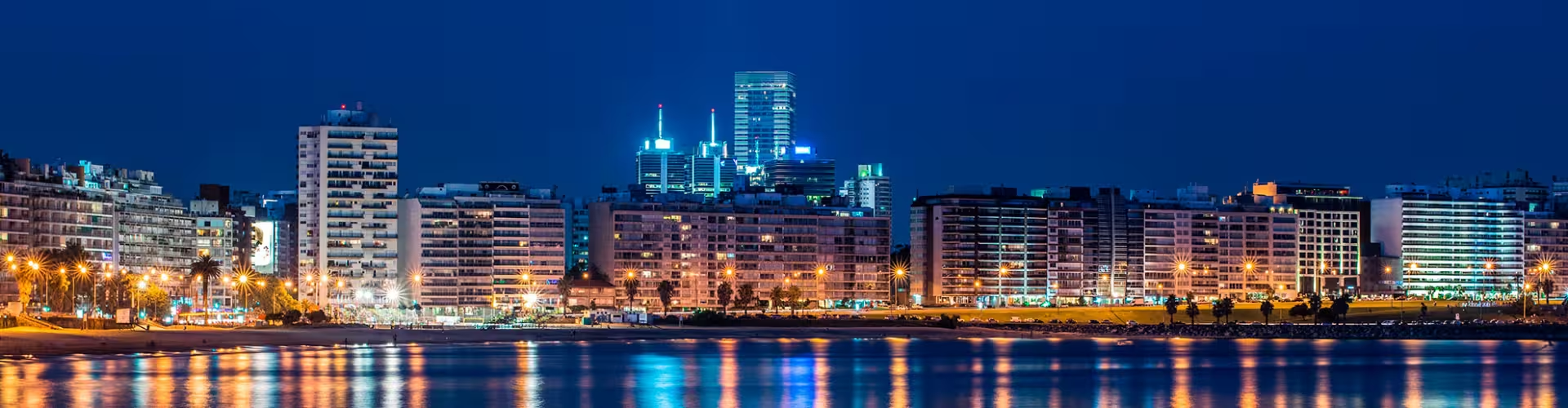
Uruguay sits in the southeastern corner of South America, between Argentina and Brazil, with the Rio de la Plata to the southwest and the Atlantic Ocean to the east. Most trips begin in Montevideo, the capital and main hub, or by crossing from Buenos Aires to Colonia del Sacramento and continuing onward. If you are planning a multi stop route, think of the country as a compact corridor, with Montevideo as the anchor, Colonia as the heritage day trip, and Punta del Este as the beach and resort counterpoint.

๐Ÿ•’ When to Go: Seasonal breakdown. Weather patterns vs. crowd levels.

Uruguay has clear seasonal shifts, which makes timing a practical decision rather than a guessing game. Summer brings the biggest beach atmosphere and the highest demand in coastal areas, while shoulder seasons can feel more relaxed for city walks and winery style day trips. Winter is quieter and can be ideal if your priorities are museums, cafes, and long meals, though beach towns will feel more subdued.

๐Ÿ’ฐ Budget & Currency: Practical money tips, local price levels, and card vs. cash advice.

Plan for a mid range destination by South America standards, especially in resort areas where dining and accommodation can trend higher. Cards are widely used in cities and established businesses, but it is still smart to carry some cash for small purchases, markets, and taxis in less central areas. For budgeting, focus on controlling your biggest variables, which are accommodation in peak season, intercity transport choices, and how often you choose premium restaurants versus casual parrilla meals.


โญ Essential Things to Do

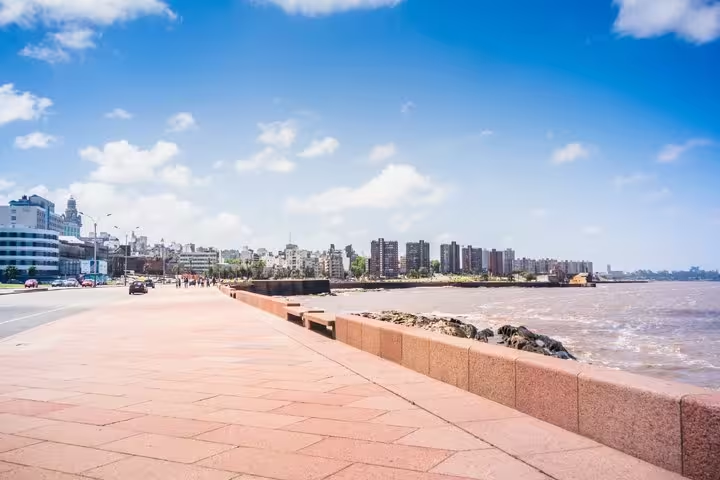
Explore Montevideo’s Rambla. The waterfront promenade is a defining Montevideo experience, perfect for walking, cycling, and watching locals socialize as the light changes over the Rio de la Plata. It matters because it shows how the city lives outdoors, with parks, mate culture, and a sense of space that many capitals lack. Practical tip, aim for late afternoon into sunset, and bring a light layer if the breeze picks up.

Wander Ciudad Vieja. Montevideo’s historic quarter mixes heritage buildings, small galleries, and cafe stops that make it easy to build a self guided loop. It matters because the area connects the city’s colonial roots with modern creative life, so you get history and contemporary culture in one walk. Practical tip, go earlier in the day for a calmer pace, then return later for dinner when the streets feel more atmospheric.

Visit Mercado del Puerto. This is the classic place to connect with Uruguayan cuisine, especially grilled meats and lively lunch energy. It matters because parrilla is not just food here, it is a social ritual, and the market setting makes it easy to sample without overthinking. Practical tip, arrive early to avoid the biggest crowds and consider sharing plates so you can try more than one cut.

Take a day trip to Colonia del Sacramento. Cobblestone streets, river views, and preserved architecture make Colonia one of the most photogenic stops in the country. It matters because it offers a concentrated historic atmosphere that contrasts with Montevideo’s broad boulevards. Practical tip, wear comfortable shoes for uneven streets and plan time to simply sit by the water, since the calm is part of the appeal.

Plan a beach day in Punta del Este. This resort city is the headline coastal escape, known for beach scenes, ocean light, and a mix of laid back and glamorous vibes depending on where you base yourself. It matters because it shows the Atlantic side of the country and adds a different tempo to a city focused itinerary. Practical tip, if you want a quieter feel, go earlier in the day and choose stretches of sand away from the most central hotspots.

Chase coastal views along the Atlantic. Beyond a single beach, the coastline is about long horizons, wind shaped dunes, and small stops that reward curiosity. It matters because the coastal geography is central to the country’s identity, and it is where you feel the “open air” character of Uruguay. Practical tip, pack sun protection and a wind layer, since conditions can shift quickly near the water.

Experience mate culture in public spaces. You will see locals sharing mate in parks, on the Rambla, and at viewpoints, which makes it one of the most visible everyday traditions. It matters because it is a social language, a way of slowing down and connecting, and it explains the relaxed pacing visitors often notice. Practical tip, observe etiquette and ask before taking photos of people, especially in quiet neighborhood settings.

Build a food focused evening around parrilla. A dedicated grill dinner is a cornerstone of things to do in Uruguay because it ties together flavor, atmosphere, and local timing. It matters because dinner culture tends to start later, and the meal becomes a highlight rather than an afterthought. Practical tip, if you are traveling in peak season, make a reservation earlier in the day to avoid long waits.


๐Ÿšถ Curated Itineraries

โฐ The Highlights (1 Day): A fast-paced best of route

Start with a morning walk through Ciudad Vieja to get your bearings and enjoy the architecture while the streets are still relatively calm. Continue toward the waterfront and spend time on the Rambla, treating it as your main scenic corridor rather than a quick photo stop. For lunch, prioritize Mercado del Puerto for a classic parrilla experience, then keep the afternoon flexible for a museum or cafe break based on your energy. End with a sunset moment by the water, then choose a relaxed dinner that lets you settle into the local evening rhythm.

โฐ Deep Dive (2-3 Days): Neighborhood exploration and local texture

On day one, focus on Montevideo, splitting time between Ciudad Vieja and the Rambla, and adding a slower, cafe based afternoon so the city feels lived in rather than rushed. On day two, take a Colonia del Sacramento day trip for heritage streets and riverfront calm, then return to Montevideo for a late dinner. If you have a third day, shift the mood by heading toward the coast for a Punta del Este travel guide style day, emphasizing beaches and viewpoints, then finish with a final grill meal to bookend the trip with flavors you will remember.


๐Ÿฝ๏ธ Flavors of Uruguay

Asado. Grilled meats cooked slowly over coals, often served in generous portions with a simple, smoky depth. Ordering tip, share a mixed plate if you are with others so you can compare cuts without overordering.

Chivito. A hearty sandwich built for big appetites, typically layered with meat and classic add ons that make it more of a full meal than a snack. Ordering tip, ask about portion size and consider splitting one at lunchtime if you want room for dinner.

Milanesa. Breaded cutlets that are crisp outside and tender inside, often served with fries or salad for an easy comfort meal. Ordering tip, look for house variations and choose a simpler version if you have already planned a heavy parrilla dinner.

Empanadas. Handheld pastries with savory fillings, ideal for travel days or quick bites between sightseeing stops. Ordering tip, try more than one flavor and use them as a flexible meal when your schedule is tight.

Dulce de leche. Sweet, caramel like richness used in desserts and pastries, with a smooth texture and deep sweetness. Ordering tip, pair it with coffee for balance, especially if you prefer desserts that are not overly sugary.

Medialunas. Soft, slightly sweet pastries that work well for breakfast or an afternoon cafe stop. Ordering tip, order with coffee and treat it as a light pause, not a full meal, if you are planning a big lunch.

Tannat wine. Uruguay’s signature red grape, typically offering bold structure that pairs well with grilled food. Ordering tip, ask for a glass with asado, and if you prefer lighter reds, consider sharing a bottle so you can pace it over a long dinner.


๐ŸšŒ Navigation and Transport

In Montevideo, walking is one of the best ways to absorb the city, especially along the Rambla and through central districts where the atmosphere is part of the experience. For longer hops, public transit and taxis or ride sharing can help you connect neighborhoods without burning time, especially if you are moving between waterfront areas and inland streets. Between cities, plan intercity travel with comfort in mind, since Uruguay itinerary routes are often about stacking short, efficient transfers rather than long haul journeys. For safety and ease, keep valuables secure in crowded areas, and if you have mobility needs, prioritize routes with smoother sidewalks, since older historic areas can have uneven surfaces.


๐ŸŒ„ Beyond the Center: Day Trips

Colonia del Sacramento. A classic day trip for heritage streets and riverside views, ideal when you want a change of pace from the capital. Travel time varies by your starting point, but it is commonly treated as a full day outing with time for walking and a long lunch.

Punta del Este. Best for beaches and a resort atmosphere, especially if you want a coastal contrast to Montevideo. Travel time depends on your route, so plan it as a dedicated day and focus on a few key beach stops rather than trying to see everything.

Atlantic beach towns. Smaller coastal areas can deliver quieter sands and a more local feel than the main resort hubs. Travel time depends on which town you choose, so pick based on whether you want calm swimming spots, viewpoints, or a scenic drive.

Montevideo outskirts for a slower afternoon. If you prefer not to do a full intercity day, consider exploring less central waterfront stretches and parks for a more everyday view of the city. Travel time is short within the metro area, and the reward is seeing how locals spend their downtime.


โœ… Insider Tips for Travelers

  • Build your schedule around light, the Rambla and coastal viewpoints are most memorable in late afternoon and sunset.
  • Keep meals strategic, plan one big parrilla meal per day and use empanadas or lighter cafe stops to avoid food fatigue.
  • In historic areas, wear shoes with grip, cobblestones can be uneven and slippery after rain.
  • If you are visiting coastal areas in peak season, book accommodation earlier and stay flexible with day plans to avoid feeling rushed.
  • Carry a small amount of cash for small purchases, but expect cards to work well in most city settings.
  • Pack sun protection and a wind layer, waterfront breezes can make the temperature feel cooler than expected.
  • Respect mate culture, it is social and personal, so ask before photographing people and follow local cues.

โ“ Frequently Asked Questions, FAQ

What is the easiest way to combine Montevideo and Colonia del Sacramento?

Base yourself in Montevideo and plan Colonia as a full day trip, since the historic center is best enjoyed on foot at a relaxed pace. Start early so you have time for cobblestone streets, waterfront views, and a long lunch.

How many days do I need for a first trip?

Two to three days is a strong starting point if you want Montevideo plus one day trip. Add extra time if you want a dedicated beach day and a slower food focused schedule.

When is the best time for beaches in Uruguay?

Summer is the prime period for beach atmosphere and the fullest resort energy, especially around Punta del Este. Shoulder seasons can be calmer for coastal walks, with fewer crowds and a more relaxed pace.

Do I need cash, or can I rely on cards?

Cards are commonly accepted in cities and established restaurants, so you can rely on them for most expenses. Carry some cash for small purchases, markets, and quick transport needs.

Is Uruguay easy to get around without a car?

Uruguay works well without a car if you focus on major hubs and plan intercity connections in advance. Walking covers many Montevideo highlights, and you can use taxis or ride sharing for longer hops within the city.