


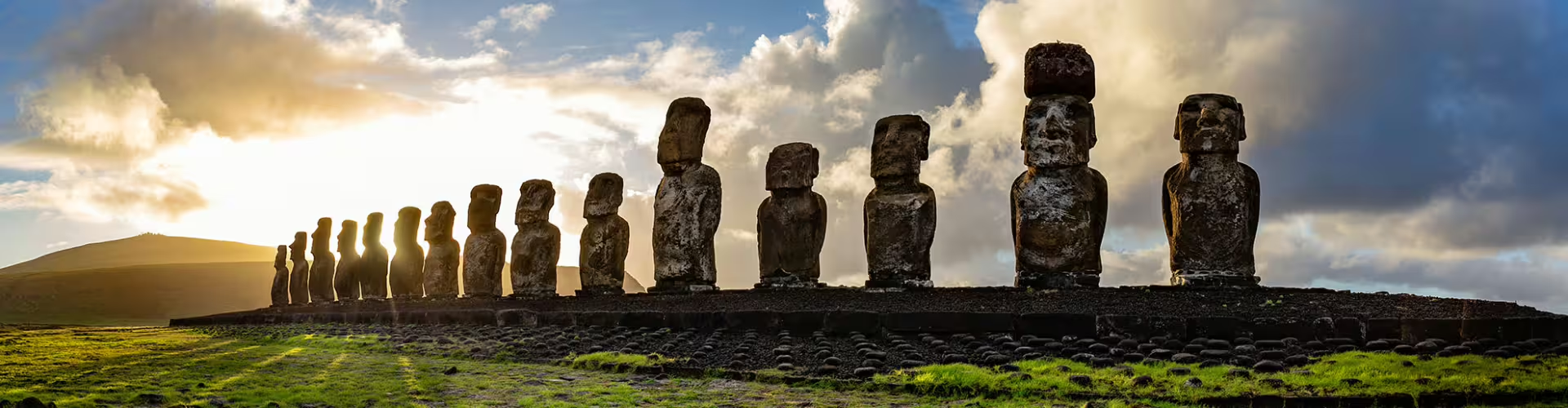




Known globally as Easter Island, Isla de Pascua is an enigmatic destination full of cultural heritage and natural beauty. Located in the remote Pacific Ocean, this Chilean territory captivates travelers with its iconic Moai statues and stunning landscapes, making it a must-see on any adventurer's list.
Part of Chile, Isla de Pascua is situated in the southeastern Pacific Ocean. Travelers typically arrive via Mataveri International Airport, connecting through Santiago, Chile.
Visit Isla de Pascua during the warmer months from October to April for mild weather and fewer crowds. Key festivals like Tapati Rapa Nui occur in February.
Expect moderate prices for accommodations and meals. Credit cards are widely accepted, but carrying some cash is advisable for smaller purchases.
Explore Rano Raraku: The quarry of the famous Moai statues, offering panoramic views and cultural insights. Plan for a half-day visit.
Visit Ahu Tongariki: Witness the breathtaking sight of 15 Moai statues lined up against the backdrop of the ocean. Ideal for sunrise photography.
Discover Anakena Beach: A beautiful white sand beach perfect for relaxation and swimming. Family-friendly with amenities available.
Hike Terevaka: The island's highest point provides 360-degree views of Isla de Pascua. Allocate a few hours for this moderate trek.
Attend Tapati Rapa Nui: Engage in this cultural festival full of traditional music and dance. A winter visit will ensure you catch this vibrant celebration.
Explore Orongo Village: Delve into the history and mythology of the Birdman Cult. Guided tours offer detailed explanations of the site's significance.
Start with a sunrise at Ahu Tongariki, explore Rano Raraku in the morning, relax at Anakena Beach in the afternoon, and end with a traditional dinner in Hanga Roa.
Day one as above. On day two, hike Terevaka in the morning, visit Orongo Village, and enjoy an evening cultural show in Hanga Roa.
Include the first two days' itinerary; add a day trip to Ovahe Beach and a guided tour of the island's archaeological sites.
Curanto: A traditional dish of meat and seafood cooked in an earth oven. Look for it at local festivals.
Poi: A creamy dish made from mashed taro, often served at communal gatherings.
Tuna Empanadas: A popular snack, especially at the beach. Freshly made and delicious.
Rapa Nui Coffee: Locally brewed, offering a unique taste of the island. Perfect for a morning perk.
Fresh Seafood: Sample ceviche or grilled fish, caught daily by local fishermen.
Renting a car or scooter is the most convenient way to explore Isla de Pascua. Biking is also popular for short distances. Roads are well-maintained, but be mindful of livestock. Taxis are available, but it's best to agree on a fare beforehand. Most attractions are accessible with some walking required.
Ovahe Beach: A secluded spot for snorkeling and sunbathing, just a short drive from the main town.
Puna Pau: Visit the quarry where the topknots for Moai were carved, offering insight into the island's history.
Ahu Akivi: The only Moai facing the ocean, known for its astronomical significance. A quick trip from Hanga Roa.
Q: How many days do I need to explore Isla de Pascua?
A: Three days is recommended to fully enjoy Isla de Pascua, explore its main attractions, and take a day trip.
Q: Are there any combo tickets available for attractions?
A: Yes, combo tickets for the Rano Raraku and Orongo Village are available, offering savings on entry fees.
Q: What are the best neighborhoods to stay in Isla de Pascua?
A: Hanga Roa offers charm and proximity to attractions, while the beach area provides stunning views and easy access to the sea.
Q: What is the weather like in Isla de Pascua?
A: Summers are warm and sunny, ideal for beach activities, while spring and autumn are mild, perfect for sightseeing.
Q: Is Isla de Pascua accessible for travelers with mobility issues?
A: Some attractions have steps and uneven terrain, but many areas are accessible with assistance. Plan ahead for specific needs.