Belém do Pará
Belém do Pará travel guide with markets, waterfront walks, Amazon flavors, practical transport tips, and 1 to 3 day itineraries to plan a confident city break in Northern Brazil.

Belém do Pará travel guide with markets, waterfront walks, Amazon flavors, practical transport tips, and 1 to 3 day itineraries to plan a confident city break in Northern Brazil.

Belém do Pará is a gateway city where Amazonian flavors, riverside life, and layered history meet in a way that feels distinctly Northern Brazil. This guide focuses on what helps you decide, what to prioritize, and how to plan your time with confidence, from iconic markets to waterfront neighborhoods. Expect a destination that rewards curious travelers who want culture, food, and nature influences in one compact urban base.
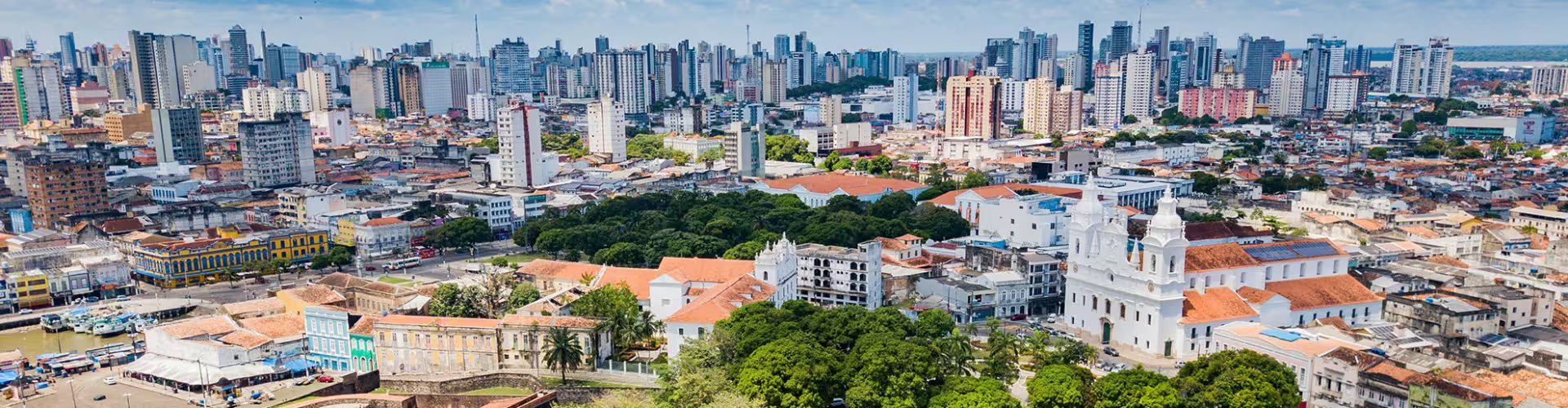
Belém do Pará has a vibrant, river shaped rhythm, with daily life tied to markets, docks, and the sensory world of Amazon ingredients. Go for the food culture and the feeling of being close to the rainforest, even while staying in a city with museums, historic streets, and busy public squares. It is especially compelling if you like destinations where a short walk can shift from colonial era architecture to waterfront scenes and produce stalls perfumed with regional fruits.
Belém do Pará is the capital of the State of Pará in Northern Brazil, positioned near the mouth of the Amazon River system where waterways and islands shape local movement and commerce. It functions as a regional hub for travel within Pará, with connections that make it a practical base for exploring riverfront areas and nearby islands. For most visitors, the main gateway is the city’s airport, plus intercity bus links and river transport that reflect the region’s dependence on water routes.
Weather in this part of Brazil tends to be hot and humid, and rain patterns can affect how comfortable it feels to explore on foot. If you prefer long walking days through markets and historic streets, plan your schedule to include breaks in shaded areas and indoor stops such as museums or cafés. Crowds often concentrate around major public spaces, popular food spots, and weekends, so early starts help you see more with less waiting.
Brazil uses the Brazilian Real, and a mixed payment strategy works well, keep a card for larger purchases and carry cash for smaller vendors and quick snacks. Markets and informal stalls can be cash friendly, while restaurants and larger attractions often accept cards. A practical approach is to withdraw modest amounts, store the rest securely, and keep small bills ready for taxis, tips, and quick buys.
Explore Ver-o-Peso Market. This is the city’s signature sensory experience, a place where Amazon ingredients, everyday commerce, and local rhythm are on full display. It matters because it connects you to what people actually eat, buy, and talk about, which is often the fastest way to understand a destination. Practical tip, go early for cooler temperatures and better photos, then return later if you want to focus on tasting rather than browsing.
Walk the historic center streets. The older core reveals the city’s layered past through architecture, public squares, and street life that changes throughout the day. It matters because it frames Belém do Pará beyond food, showing how the city developed as a regional capital and port influenced by river trade. Practical tip, wear breathable clothing and plan a loop that includes shaded stops so you can keep a steady pace.
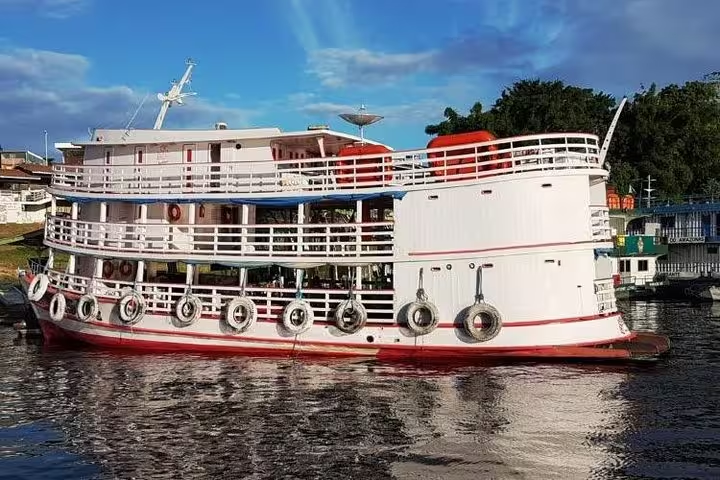
Spend time on the waterfront. The riverside atmosphere is central to the city’s identity, and even a short visit helps you understand why boats, tides, and docks matter here. It matters because the Amazonian geography is not an abstract concept in Belém, it is a daily presence that shapes movement and supply. Practical tip, aim for late afternoon light for a calmer feel and comfortable strolling.
Try a focused Amazon ingredients tasting. Instead of sampling randomly, choose a few ingredients and learn their names, flavors, and common uses, such as regional fruits and sauces. It matters because local cuisine is one of the clearest expressions of place, and it is easy to miss the depth if you only order familiar dishes. Practical tip, ask for a small portion first if you are unsure, then commit to a full serving once you find a favorite.
Visit a museum or cultural space. Indoor cultural stops add context to what you see in the streets, helping connect architecture, river trade, and regional identity. It matters because the city’s story is bigger than a checklist, and curated exhibits can make neighborhoods feel more meaningful when you return outside. Practical tip, use museum time as your midday break when heat and humidity peak.
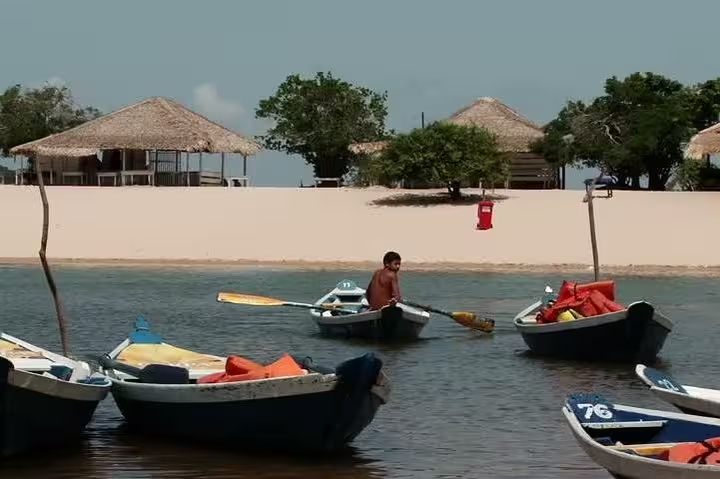
Plan an island or river experience. Even if you do not go far, a short river oriented outing reinforces the idea that water routes are part of the city’s daily logic. It matters because the Amazon region is best understood through movement along waterways, not only through maps. Practical tip, confirm return options before you depart so you are not rushed later.
Seek out local nightlife and casual bars. Evenings can bring a different energy, with more comfortable temperatures and a social scene that feels neighborly rather than staged. It matters because you experience local music, conversation, and food culture in a relaxed setting. Practical tip, choose well lit areas and use ride sharing if you are moving between districts late.
Start early at Ver-o-Peso Market for a first look at regional produce and a simple breakfast or juice based on Amazon fruits. Continue into the historic center for a walking loop that prioritizes architecture, public squares, and a museum stop as a midday reset. Finish at the waterfront in late afternoon, then choose a dinner spot that highlights regional ingredients so the day ends with a clear sense of local flavor.
Day one follows the highlights route, but slows down for deeper market browsing and an intentional tasting plan. Day two adds a river oriented experience or island outing, plus extra time for cultural spaces that explain the region’s identity through art, history, or contemporary life. If you have a third day, revisit your favorite area at a different time of day, then build in unstructured time for cafés, people watching, and shopping for edible souvenirs that travel well.
Açaí. In Pará, açaí is often treated as a savory or neutral base rather than a dessert bowl, with a thicker texture and a more earthy profile. Ordering tip, ask how it is served locally, then choose pairings that match the house style rather than assuming it will be sweet.
Tacacá. This is a regional soup like preparation with a distinctive aroma and a flavor that can be tangy and herbal depending on the ingredients used. Ordering tip, start with one serving and take your time, it is a dish that rewards slow tasting.
Pato no tucupi. A traditional preparation that highlights tucupi, a regional ingredient with a pronounced character that signals Amazonian cuisine. Ordering tip, if you are new to tucupi, ask for a description of the flavor profile so you know what to expect.
Maniçoba. Often described as a deeply traditional dish, maniçoba is valued for its rich, slow cooked character. Ordering tip, look for it in places that emphasize regional cooking, and consider sharing if you want to sample multiple specialties in one meal.
Regional fish dishes. Fish is a natural focus in a river shaped city, and preparations vary from grilled plates to stews depending on the venue. Ordering tip, ask what is freshest that day and how it is typically seasoned in Pará.
Fresh juices from regional fruits. The juice culture is a practical way to taste the Amazon pantry, with flavors that can be floral, tart, or creamy. Ordering tip, choose a small size first, then order a larger one once you find a favorite.
Many central sights are walkable if you plan your day around heat and rain, using indoor stops to break up longer walks. For longer hops, taxis and ride sharing can simplify point to point movement, especially at night or when carrying purchases from markets. Public transport can be useful for budget travelers, but it is worth confirming routes in advance and leaving extra buffer time. Keep valuables secure in crowded areas, and prioritize well lit streets and main corridors when navigating after dark.
River islands near Belém. These trips emphasize nature, water routes, and a slower pace, offering a contrast to the city’s busy streets. Travel time varies by departure point and boat type, so confirm the return plan before you go.
Riverside communities and docks. Short excursions focused on river life can help you see how goods and people move in the region. Travel time can be modest, but schedules may depend on local operations, so plan with flexibility.
Regional food focused outings. Some nearby areas are best experienced through what they produce and cook, which makes for an easy half day if your priority is cuisine. Travel time depends on the specific destination and transport choice, so ask locally for the most efficient option.
Is Belém do Pará a good base for seeing river life?
Yes. The city’s identity is closely tied to docks, markets, and water routes, so even short outings can feel connected to the region. Confirm return transport details before you depart on any river trip.
How many days do I need for the main sights?
One day covers the highlights if you start early and keep moving. Two to three days is better if you want a market revisit, cultural stops, and a river oriented experience without rushing.
What is the best way to get around during the day?
Walking works well for clustered central areas if you pace yourself and plan shade breaks. For longer distances, taxis or ride sharing are practical and can reduce time lost to navigation.
Do I need cash for markets and snacks?
Carrying some cash is helpful for smaller vendors and quick purchases. Keep small bills accessible and store the rest securely, especially in busy areas.
What should I prioritize if I only do two things in Belém do Pará?
Choose Ver-o-Peso Market for food culture and daily life, then add a waterfront walk to connect with the city’s river shaped geography. Together, they give a strong first impression of Belém do Pará in a short time.