





Discover the vibrant and culturally rich State of Bahia, a Brazilian gem known for its stunning coastline, Afro-Brazilian culture, and captivating music and dance scenes. This destination invites you to explore a blend of historical intrigue and natural beauty, making it a compelling choice for travelers seeking both relaxation and adventure.
Nestled in the northeastern part of Brazil, the State of Bahia is bordered by the Atlantic Ocean. Salvador, its capital, serves as a major gateway, with flights connecting to major cities across the globe.
The best time to visit is during the dry season from December to March, perfect for beach activities and experiencing local festivals like Carnaval.
While costs vary, expect moderate prices for food and accommodation. Credit cards are widely accepted, but it's handy to carry some cash for smaller vendors.
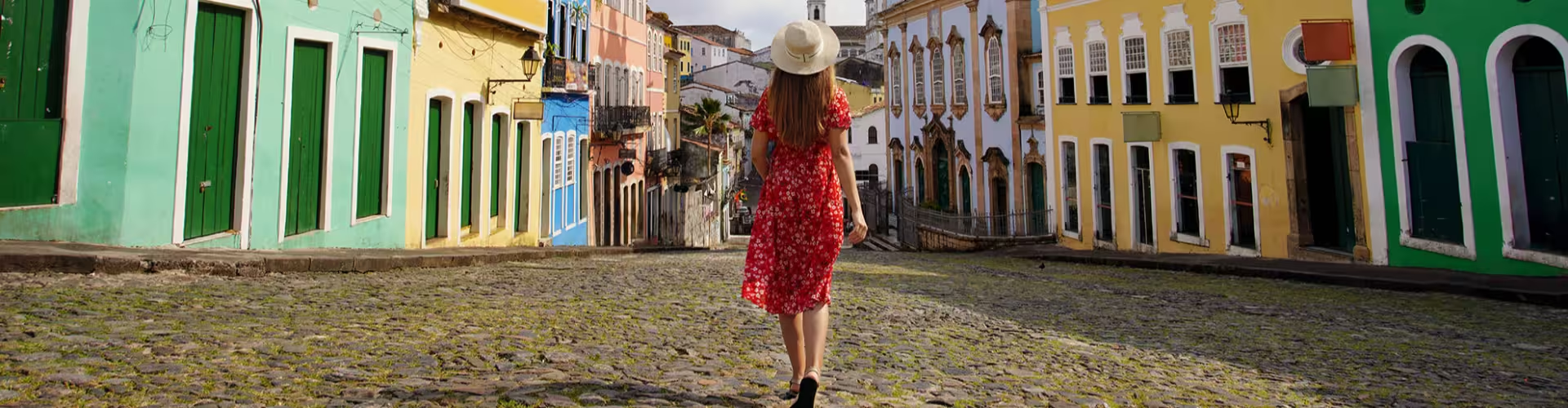
Pelourinho District: Immerse yourself in the vibrant history and culture of Salvador's historic center, a UNESCO World Heritage site, ideal for a leisurely day of exploration.
Praia do Forte: Visit this picturesque beach town known for its stunning shorelines and the Tamar Project, dedicated to sea turtle conservation.
Chapada Diamantina National Park: Adventure enthusiasts will love hiking through this park's dramatic cliffs, waterfalls, and caves.
Ilha de Itaparica: A short ferry ride from Salvador, this island offers beautiful beaches and a taste of local island life.
Cachoeira: Experience the rich Afro-Brazilian culture in this city, renowned for its colonial architecture and festivals.
Bahia's Cacao Coast: Explore the cacao plantations and enjoy the lush landscapes of this renowned chocolate-producing region.
Start your day in the Pelourinho District, have lunch at a local Bahian restaurant, and spend the afternoon relaxing at Porto da Barra beach.
Day one in Salvador exploring historic sites; day two, venture to Praia do Forte for sun, sea, and turtle watching.
Blend city and nature by spending two days in Salvador and a day trip to Chapada Diamantina National Park.
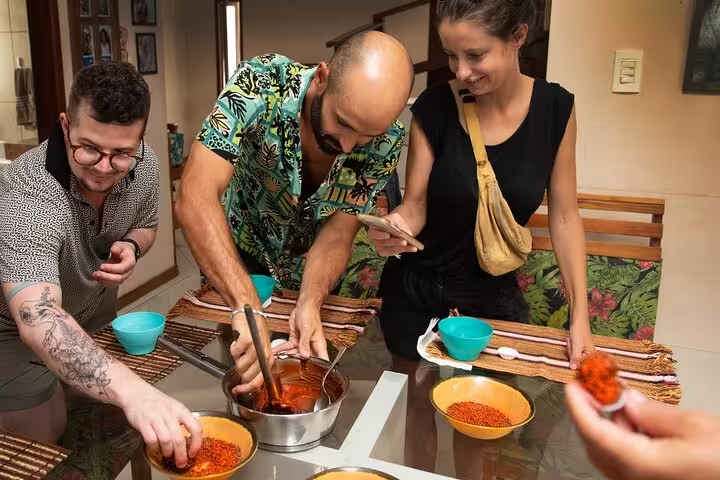
Moqueca: A flavorful fish stew cooked in coconut milk, perfect with rice and farofa.
Acarajé: Deep-fried black-eyed pea fritters, a street food staple.
Vatapá: A delicious creamy dish made from shrimp, peanuts, and coconut milk.
Cocada: A sweet treat made from grated coconut and sugar, often found in markets.
Caipirinha: Brazil's national cocktail, refreshing and made with cachaça, lime, and sugar.
Public transportation is available but can be crowded; consider renting a car for flexibility. Salvador’s historic center is walkable, but taxis or rideshares are convenient for longer distances. Be cautious of pickpockets and always plan your route in advance.
Ilha de Itaparica: Enjoy pristine beaches and island vibes, just an hour by ferry.
Morro de São Paulo: This car-free island offers beautiful beaches and a relaxed atmosphere, about a two-hour boat ride from Salvador.
Chapada Diamantina: A nature lover’s paradise, ideal for hiking and exploring waterfalls, reachable in about six hours by car.
Q: How many days do I need to explore the State of Bahia?
A: At least three to five days are recommended to explore the main attractions and enjoy a day trip or two.
Q: Are there any combo tickets available for attractions?
A: Yes, some museums and attractions offer combo tickets that provide savings on entry fees.
Q: What are the best neighborhoods to stay in Salvador?
A: Pelourinho and Barra are popular choices offering charm and accessibility to main attractions.
Q: What is the weather like in the State of Bahia?
A: The weather is tropical with warm temperatures year-round; the dry season from December to March is ideal for visiting.
Q: Is the State of Bahia accessible for travelers with mobility issues?
A: Some historic areas have uneven terrain, but many modern facilities are accessible with assistance. Plan ahead for specific needs.