

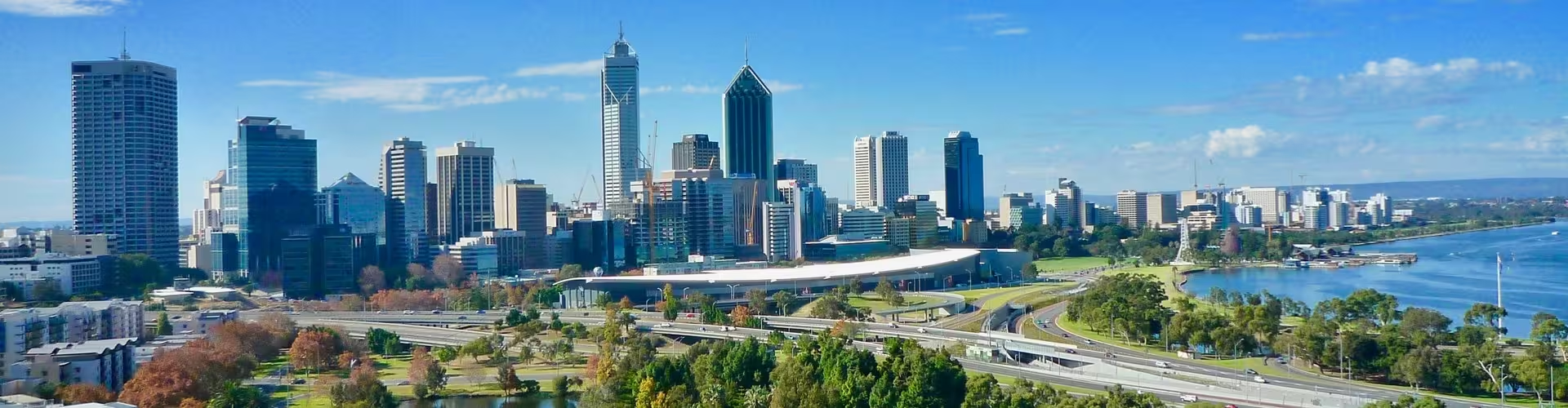




Perth is Western Australia’s sunlit capital, where a modern city skyline meets wide riverfront parks, Indian Ocean beaches, and a creative food scene built on local produce. It suits travelers who want urban comforts without the rush, plus easy access to nature, from coastal sunsets to bushland trails. This guide focuses on practical planning, what to prioritize, and how to shape a trip that feels relaxed but still full of highlights.
Perth feels spacious, outdoorsy, and quietly confident, with a lifestyle that revolves around the Swan River, beach time, and long, golden evenings. Go for the blend of city culture and open-air freedom, where you can pair galleries and small bars with ocean swims and park picnics in the same day. It is also a strong choice when you want a base that makes day trips simple, whether you are chasing coastal scenery, wildlife, or wine regions.
Perth sits on Australia’s west coast in Western Australia, facing the Indian Ocean and stretching along the Swan River. The city’s main gateway is Perth Airport, which connects domestic routes and international arrivals, and the central areas are anchored by Perth CBD and nearby inner-city neighborhoods. For travelers, the mental map is simple, the CBD and river precincts are central, the beaches are to the west, and many nature escapes begin just beyond the urban edge.
Seasonality shapes how the city feels day to day. Warmer months tend to highlight beaches, coastal walks, and long evenings outdoors, while cooler periods can suit museum time, markets, and scenic drives without the heat. Crowd levels often rise around school holiday periods and major local event weekends, so booking accommodation earlier is a sensible move if your dates are fixed.
Australia uses the Australian Dollar, and visitors generally find card payments widely accepted across the city. Keep a small amount of cash for smaller purchases, local stalls, or places that may have minimum card spends. Budget planning is easiest when you group costs into accommodation, transport, and food, then leave extra flexibility for tours and day trips, since those can be the fastest way to level up your experience.
Kings Park and Botanic Garden. This is one of the city’s signature green spaces, combining big sky views with native plant landscapes and a strong sense of place. It matters because it helps you understand Perth as a city built around outdoor living and river panoramas. Practical tip, go in the late afternoon for softer light and stay for sunset if your schedule allows.
Swan River foreshore walk. The riverfront is where locals run, cycle, picnic, and meet friends, and it is an easy way to get oriented without overplanning. It matters because it connects city energy with calm water views, especially around bridges and parklands. Practical tip, bring water and sun protection, and plan a café stop so the walk feels like a leisure ritual rather than a workout.
Perth CBD laneways and small bars. The city center has pockets of dining and nightlife that reward wandering, particularly in the evening when the vibe shifts from business to social. It matters because it shows the creative side of Perth, with local hospitality and seasonal menus. Practical tip, start earlier rather than later if you want a table without a long wait.
Indian Ocean beaches at sunset. The coastline is a defining feature, and a beach session can be as simple as a swim and a long look at the horizon. It matters because west coast sunsets are a key part of the local rhythm, and they frame the trip with a sense of space. Practical tip, arrive before sunset to secure a comfortable spot and to enjoy the changing colors.
Fremantle day out. Fremantle is a historic port area with a distinct identity, known for heritage streetscapes, cafés, and a creative, independent feel. It matters because it adds texture to a Perth itinerary, especially if you want history alongside food and shopping. Practical tip, pair your visit with a market stop if it lines up with your travel day.
Rottnest Island experience. Rottnest is a classic add-on for beach coves and wildlife moments, and it feels like a true break from the city even though it is an easy trip. It matters because it delivers the kind of coastal scenery people imagine when they think of Western Australia. Practical tip, book transport and bike hire ahead where possible, and pack light so getting around is effortless.
Local markets and produce browsing. Markets help you taste the region without committing to a full restaurant schedule, and they are ideal for casual breakfasts. It matters because Western Australia’s food culture is closely tied to fresh ingredients and seasonal variety. Practical tip, go earlier for the widest selection and bring a reusable bag for small purchases.
Art and culture stops. Galleries and museums can balance out beach time and give context to the state’s stories, from contemporary creativity to deeper histories. It matters because it turns a scenic trip into a more rounded one, especially if you are curious about place and identity. Practical tip, use these visits as midday breaks when the sun is strongest.
Start with a morning walk through the CBD to get your bearings, then head to Kings Park for sweeping views and an easy introduction to native landscapes. Spend the afternoon by the Swan River foreshore, keeping the pace flexible so you can stop for coffee, photos, or a shaded rest. Finish at an Indian Ocean beach for sunset, then return to the city for a simple dinner in a lively precinct.
On day one, focus on the city core, Kings Park, and a relaxed riverfront evening to set your internal map. On day two, take a Fremantle day out for heritage streets, food stops, and a slower port-town feel, then plan a sunset beach session back on the coast. If you have a third day, make it a nature-and-water day with Rottnest Island, or keep it flexible for markets, galleries, and a long lunch that reflects the season.
Modern Australian seasonal plates. Expect fresh ingredients and menus that change with availability, often mixing coastal produce with global influences. Ordering tip, ask what is local and in season, and choose a shared format if you want to sample more flavors.
Seafood by the coast. The west coast setting makes seafood a natural choice, especially when paired with ocean views. Ordering tip, look for simple preparations that let freshness lead, and consider earlier dining to catch the last light.
Flat white coffee culture. Coffee is an everyday ritual, and many cafés take pride in consistency and quality. Ordering tip, if you like a smoother profile, ask for a flat white, and try a takeaway cup for a river or park walk.
Brunch classics with a local twist. Brunch is part of the lifestyle, with menus that lean into eggs, fresh bread, and bright seasonal sides. Ordering tip, arrive early on weekends to avoid queues and keep your day moving.
Craft beer and small bar pours. The city’s small bar scene suits relaxed evenings and casual tastings. Ordering tip, ask staff for a local recommendation based on your preferred style, and consider a tasting paddle if offered.
Fresh market snacks. Markets can deliver quick bites that feel distinctly local, from baked goods to fruit-forward treats. Ordering tip, bring small change and choose items that travel well if you plan to picnic.
Many central areas of Perth are easy to explore on foot, especially the CBD, river precincts, and nearby parklands, which makes walking a strong default for short distances. For longer hops, public transport and ride-sharing can help you connect beaches, inner neighborhoods, and hubs without needing a car every day. If you plan multiple day trips or want maximum flexibility for coastal stops, consider a car for those specific days rather than for the whole stay, and always plan for sun exposure by carrying water and protection during outdoor travel.
Fremantle. A straightforward day trip that delivers heritage streets, a port-town atmosphere, and a different pace from the CBD. Primary reason to visit, history, food, and a strong sense of local character.
Rottnest Island. A classic escape for beaches, cycling, and wildlife moments that feel far from the city even on a day visit. Primary reason to visit, coastal scenery and a full reset day.
Swan Valley. An easy add-on for tasting-focused travel, with a countryside feel close to the city. Primary reason to visit, a food and drink day that contrasts nicely with beaches and urban exploring.
Hillarys Boat Harbour area. A coastal stop that suits families and travelers who want an easy seaside outing with facilities nearby. Primary reason to visit, a low-effort oceanfront day with casual dining options.
Start with the CBD, then head to Kings Park for a high-level view that makes the city layout intuitive. Add a Swan River foreshore walk to connect the skyline with the outdoor lifestyle.
You can cover many central highlights on foot, then use public transport or ride-sharing for longer hops. Consider hiring a car only for specific day trips if you want maximum flexibility.
One day covers major highlights, but two to three days gives you time for Fremantle and a beach sunset without rushing. Add an extra day if Rottnest Island is a priority.
Book as early as you can once your travel dates are fixed, especially in busier periods. Planning ahead helps you align transport, bike hire, and your preferred pace for the day.
Bring sun protection, water, and comfortable walking shoes, since many experiences are outdoors. A light layer can help if you stay out for evening beach time or breezier riverfront walks.