Queensland is Australia’s sunshine state, a vast sweep of coastline, reef, rainforest, and outback that rewards travelers who plan by region, not by a single city. From tropical north gateways to subtropical beaches and inland country towns, the state’s scale is the main story, distances shape itineraries, and seasons shape comfort. This guide focuses on practical decision making, where to base yourself, how to move around, and how to match experiences to the time you have.
Queensland feels like multiple destinations in one, reef-front islands, humid rainforest ranges, and wide inland horizons, each with a different pace and palette. Go now if you want a trip that can swing from barefoot beach days to wildlife encounters and big-sky drives without crossing a national border. The signature vibe is outdoors-first, with warm-weather energy and a strong culture of weekend escapes, coastal road trips, and early starts for nature.
Queensland sits on Australia’s northeast, stretching from the tropical north down to the more temperate southeast. The main gateways are Brisbane Airport for the southeast, plus Cairns Airport and Townsville Airport for the north, which are common hubs for reef and rainforest access. Because the state is so large, it helps to choose one or two base regions, then build day trips and short hops around them rather than trying to cover everything in one loop.
Seasonal planning matters in Queensland because conditions vary sharply between the far north and the southeast. The tropical north generally has a wet season and a drier season, which affects humidity, rainfall, and how comfortable long outdoor days feel. The southeast is more evenly seasonal, so your ideal timing often comes down to whether you prefer warmer beach days or milder sightseeing weather, plus how much you want to avoid peak holiday crowds.
Australia uses the Australian Dollar, and card payments are widely accepted across cities and most tourist areas, with cash still useful for small purchases in regional towns. Costs can vary by region and season, with popular coastal areas and school holiday periods often feeling pricier due to demand. A practical approach is to set a daily budget range, then protect it by booking accommodation early and balancing paid tours with free nature experiences like beaches, lookouts, and walking tracks.
Great Barrier Reef day trip or liveaboard. The reef is one of the world’s defining natural icons, and seeing it in person makes the scale and color feel real in a way photos cannot. Choose a departure point that fits your itinerary, then pick a trip style based on your comfort in the water and the time you have. Practical tip, if you are traveling in a busy period, book ahead so you can choose a boat with the pace and group size you prefer.
Daintree Rainforest and Cape Tribulation. This is a classic pairing of rainforest and coastline, where dense green meets the Coral Sea. It matters because it shows a different side of tropical Australia, slower, older, and shaped by monsoon patterns and ancient ecosystems. Practical tip, plan for changeable weather and bring reef-safe sunscreen, insect repellent, and a light rain layer.
Whitsunday Islands sailing or island hopping. The Whitsundays are about water time, sailing culture, and that bright, shallow sea color that defines postcards of the region. It matters because it delivers a true island rhythm without needing an international flight, and it can be tailored from relaxed cruises to active snorkel days. Practical tip, pack a dry bag and keep your schedule flexible, conditions can influence routes.
K’gari (Fraser Island) sand tracks and freshwater lakes. This World Heritage listed sand island is a standout for its shifting dunes, rainforest pockets, and clear freshwater lakes. It matters because it is a rare landscape where the journey is part of the experience, and the environment feels constantly in motion. Practical tip, follow local driving guidance and only choose a 4WD option that matches your confidence and conditions.
Gold Coast beaches and hinterland contrast. The Gold Coast is more than surf, it is also a gateway to green inland ranges that change the mood in under an hour. It matters because you can pair urban convenience with rainforest walks and scenic lookouts, which makes short trips feel fuller. Practical tip, start beach time early for calmer conditions, then head inland later for cooler air and layered views.
Sunshine Coast coastal towns and coastal walks. The Sunshine Coast leans relaxed, with a strong cafe culture and easy access to beaches and headlands. It matters because it is ideal for travelers who want a less intense pace than major city hubs while still having plenty to do. Practical tip, choose one main base town, then explore nearby spots as half-day outings to avoid constant packing.
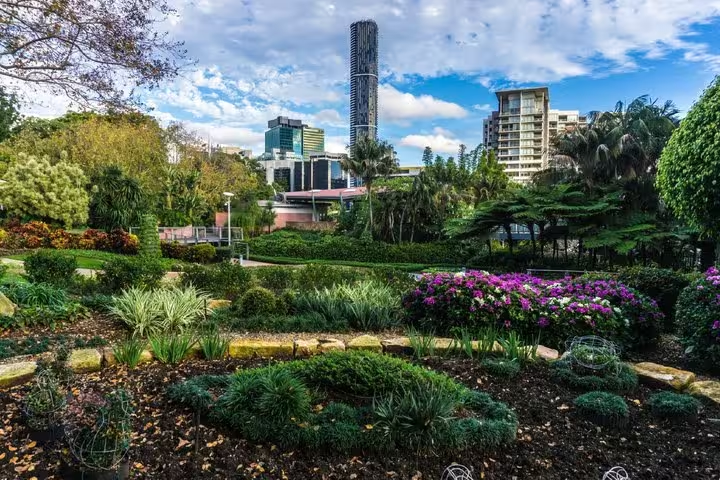
Brisbane riverfront and city neighborhoods. Brisbane is a practical anchor for the southeast, with a warm-weather lifestyle and a river that shapes how the city feels and moves. It matters because it is a gateway to coastal escapes and inland day trips, and it adds a city layer to a nature-heavy Queensland itinerary. Practical tip, plan your day around the heat, do outdoor walks in the morning, then shift to galleries, markets, or shaded dining later.
Outback drive for big-sky scenery. Inland Queensland delivers a different kind of highlight, long roads, wide horizons, and towns where local history and industry are part of the story. It matters because it balances the coast and helps you understand the state’s scale beyond beaches and reefs. Practical tip, fuel up early, carry water, and treat driving days as scenic experiences rather than tasks to rush.
Choose one region and commit to it for the day to keep travel time realistic. If you are in the southeast, start with a morning riverfront walk in Brisbane, then spend the afternoon on a nearby beach strip, finishing with sunset views and a relaxed dinner. If you are in the north, prioritize a single headline nature experience, either a reef trip or a rainforest day, then keep the evening simple so you are ready for an early start the next day.
Day 1, anchor in a gateway hub, settle in, and do a neighborhood-scale day with markets, waterfront time, and an easy lookout or coastal walk. Day 2, book your biggest nature day, reef, islands, or rainforest, and structure it around comfort, early departure, and recovery time afterward. Day 3, add contrast, pair a beach morning with an inland hinterland drive, or swap saltwater for freshwater swimming, so the trip feels varied without adding long transfers.
Seafood platters. Expect fresh, ocean-forward flavors, often served simply to let the produce lead. Ordering tip, ask what is local that day, it is often the best value and the best quality.
Barramundi. This popular Australian fish is mild and flaky, and it works well grilled or pan-seared. Ordering tip, choose a preparation that stays simple, especially if you want to taste the fish rather than heavy sauces.
Moreton Bay bugs. These are a local seafood specialty with a sweet, delicate profile. Ordering tip, if you see them as a seasonal special, consider ordering them as a shared dish so you can try more items.
Tropical fruit. In the north, fruit can be a highlight on its own, bright, fragrant, and refreshing in warm weather. Ordering tip, look for fruit salads or smoothies that feature what is in season rather than a fixed list.
Aussie-style brunch. Coastal towns and cities often do strong coffee and brunch plates with a fresh, modern style. Ordering tip, arrive early on weekends, popular spots can fill quickly.
Craft beer and local spirits. You will find a strong casual drinks culture, especially in urban areas and coastal hubs. Ordering tip, ask for a tasting paddle or a recommended local pour if you want to sample without committing to a full serve.
Transport in Queensland depends on distance. Within cities and larger coastal hubs, walking works well for compact areas, and public transport can handle many everyday routes, while ride-sharing is useful for evenings or when you are short on time. Between regions, flying can save days of driving, and road trips are best when you treat the journey as part of the itinerary, with planned stops and realistic daily distances. For safety and comfort, plan for heat, sun exposure, and long stretches without services on inland routes, and keep water with you on outdoor days.
Gold Coast Hinterland. A rewarding contrast to the beach, with cooler air, forested roads, and scenic lookouts. Travel time varies by your base, but it is commonly a straightforward drive from the Gold Coast area.
Sunshine Coast Hinterland. Ideal for a slower day of viewpoints, short walks, and small-town stops that feel different from the shoreline. Travel time is typically manageable from Sunshine Coast bases.
Moreton Island. A water-focused escape with a clear holiday feel, suited to swimming, beach time, and outdoor exploring. From Brisbane, it is generally approached as a day trip that involves a ferry transfer.
Magnetic Island. A classic island day with beaches and an easygoing pace, often paired with wildlife spotting and coastal viewpoints. It is commonly visited from Townsville with a short ferry ride.
Atherton Tablelands. A cooler, elevated region near Cairns that adds variety, waterfalls, crater lakes, and farmland scenery. It is typically done as a full-day loop by car or tour.
Pick one or two regions and build your itinerary around them, rather than trying to cover everything in one route. Use a gateway city as a base, then add day trips and short transfers for variety.
In major hubs, you can combine walking, public transport, and ride-sharing for many activities. For hinterland drives, inland routes, and flexible day trips, a car can make planning easier.
Queensland spans tropical and subtropical zones, so comfort depends on the region you choose. Many travelers plan around drier conditions in the north and milder weather in the southeast, while also considering peak holiday crowds.
In busier travel periods, booking ahead helps you secure the departure time and tour style you want. If your schedule is tight, reserving early also reduces the risk of missing your top priority day.
Bring sun protection, comfortable walking shoes, and a light rain layer for changeable conditions. If your plans include water activities, add a dry bag and quick-dry clothing for easier transitions.