Bryce Canyon City is a small, purpose-built gateway community for exploring the hoodoos, amphitheaters, and dark skies of Bryce Canyon country. Travelers use it as a practical base for early trail starts, scenic drives, and ranger-led experiences that are easiest to catch when you can stay close to the park. This guide focuses on planning confidence, what to prioritize, and how to structure your days for maximum views with minimal stress.
Bryce Canyon City has a high-desert, outdoors-first vibe, where mornings start early and sunsets tend to become the main event. The signature draw is immediate access to Bryce Canyon’s iconic overlooks and hiking routes, plus a calm nighttime atmosphere that suits stargazing and recovery between adventures. Go now if you want a trip built around scenery, fresh air, and a simple routine that keeps you close to the action.
Bryce Canyon City sits in southern Utah within Garfield County, positioned as a convenient launch point for Bryce Canyon area sightseeing and trail access. Most travelers arrive by road as part of a Utah national parks loop, using regional hubs and larger airport cities as staging points before driving into the high desert. If you are planning flights, start by identifying your preferred gateway airport or major hub, then map a drive that supports your first hike or overlook stop without pushing arrival too late in the day.
Expect a high-elevation desert climate where conditions can shift quickly between sunny afternoons and chilly mornings. Peak visitation generally aligns with the most comfortable hiking temperatures, while shoulder periods can feel quieter and more spacious on popular viewpoints. For planning, build flexibility into your itinerary, pack layers, and prioritize sunrise or early-morning viewpoints to enjoy calmer trails and cleaner light for photos.
Budgeting for Bryce Canyon City is less about attractions and more about lodging, fuel, food, and any tours you choose to add. In small gateway towns, prices can be higher than in larger cities because options are limited and demand can be seasonal. Bring a primary payment card, keep a backup card, and carry a small amount of cash for tips or small purchases, especially if you plan to stop at multiple roadside services along your route.
[SECONDARY_KEYWORDS] and [LONG_TAIL_KEYWORDS] fit naturally into these experiences, so you can align your plans with the trip style you want.
Sunrise Overlook Routine
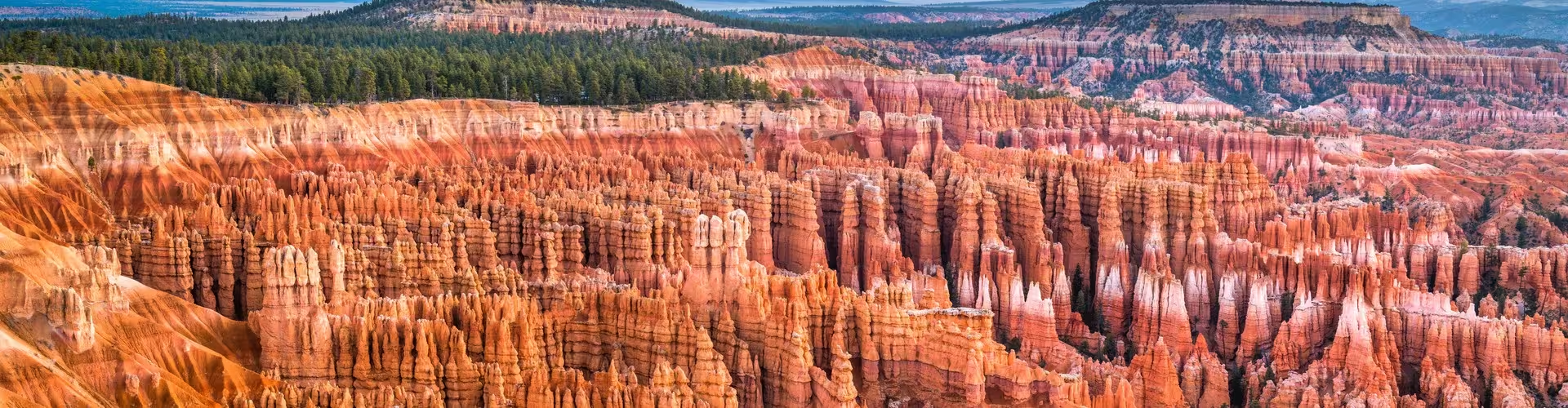
Why it matters: Bryce Canyon viewpoints are at their most dramatic when low-angle light brings out the reds and oranges in the rock. Starting early also helps you avoid the mid-morning rush and makes parking and trail access easier. Practical tip: Set out before breakfast, dress in layers, and plan a short warm-up walk so you can stay comfortable while you wait for the light to change.
Scenic Drive and Overlook Hopping
Why it matters: The canyon’s scale can be hard to grasp from one viewpoint, so a drive that strings together overlooks gives you a fuller sense of the amphitheater-like terrain. It is also a smart option for travelers who want big views with minimal physical strain. Practical tip: Build your route around a few must-see stops rather than trying to hit every pullout, then add extra overlooks only if time and energy allow.
Hoodoo-Focused Hike
Why it matters: Hoodoos are the signature landforms here, and seeing them up close changes the experience from sightseeing to immersion. A hike lets you notice the textures, colors, and the way erosion shapes each spire differently. Practical tip: Start with a trail that matches your fitness level, bring more water than you think you need, and plan for a slower pace on steeper sections.
Golden Hour Photography Session
Why it matters: The canyon is a natural studio, with shifting shadows that can make the same viewpoint look completely different within minutes. Photographers love the contrast between bright rock and dark pine forests, plus the depth created by layered ridgelines. Practical tip: Scout your spot earlier in the day, then return before sunset so you are not rushing for a parking space or a safe viewing position.
Stargazing and Night Sky Time
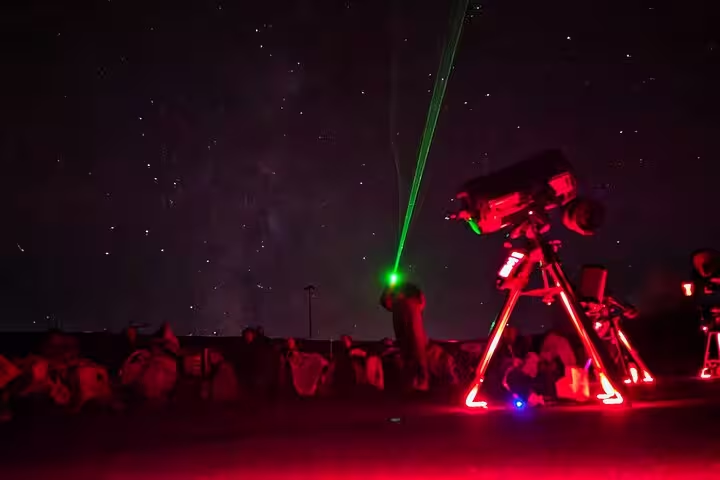
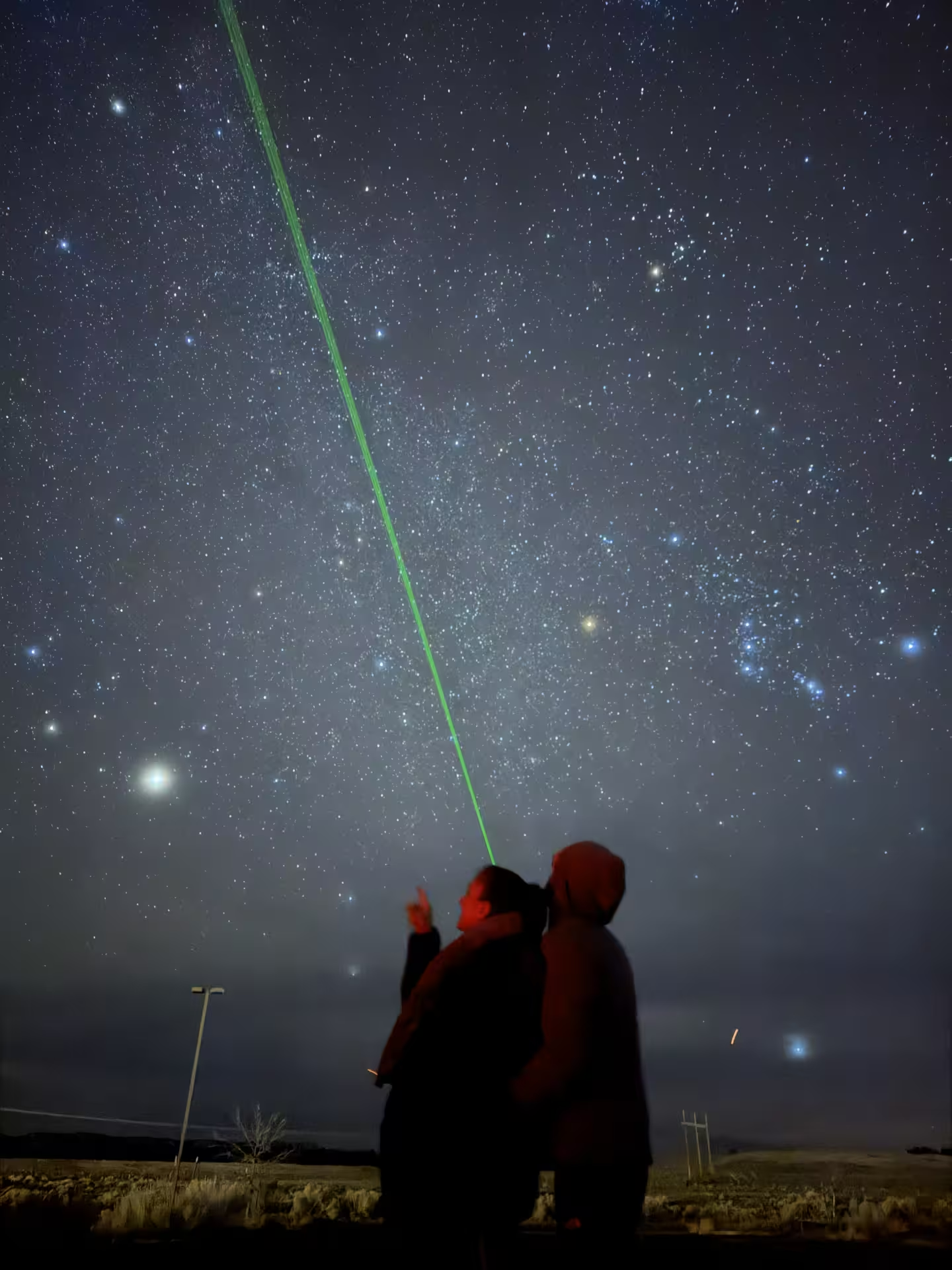
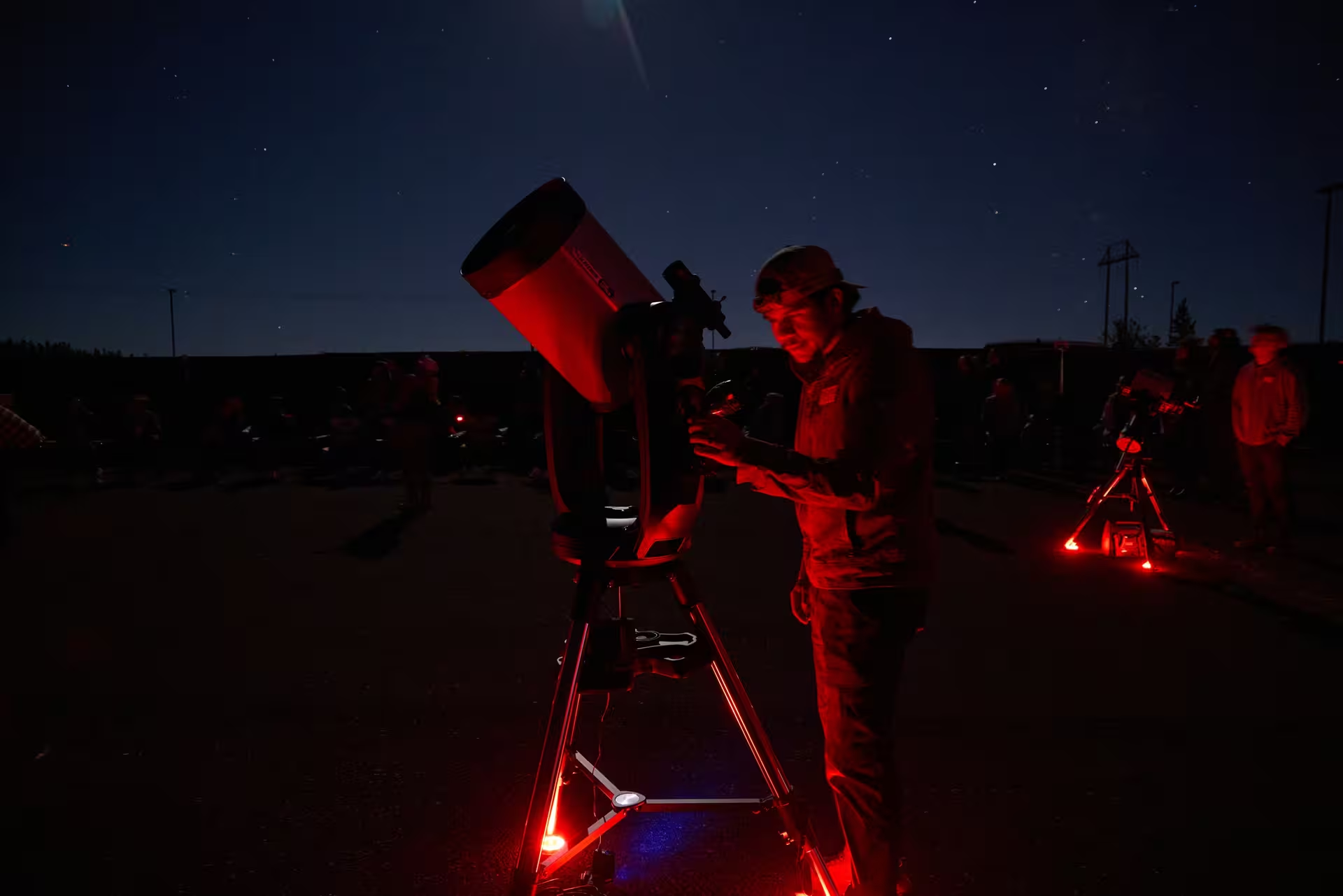
Why it matters: Southern Utah is known for dark skies, and the area around Bryce is often associated with clear, crisp nights that reward even casual stargazers. It is one of the easiest ways to add a memorable moment without adding miles to your legs. Practical tip: Bring a headlamp with a low setting, wear warm layers, and choose a safe, stable spot away from traffic and cliff edges.
Ranger-Led Learning Mindset
Why it matters: Even without memorizing geology, understanding the basics of erosion, sediment, and elevation helps the landscape feel more meaningful. Ranger-led programs and interpretive signage can turn a pretty view into a story you remember. Practical tip: Check information boards when you arrive and plan your day around any talks you can realistically make without overpacking your schedule.
Easy Viewpoint Walk for All Abilities
Why it matters: Not every great view requires a major hike, and a short walk can be perfect for families, travelers easing into elevation, or anyone managing mobility concerns. These quick wins also help you spread out your energy for a longer hike later. Practical tip: Use these stops as anchors between bigger activities, and keep a jacket handy because wind can pick up quickly at overlooks.
Slow Travel Reset in Town
Why it matters: Bryce Canyon City works well when you treat it like a base camp, not a checklist. A calmer pace can improve safety on trails, reduce driving fatigue, and make sunrise starts realistic. Practical tip: Plan one “light” block each day for rest, meal planning, and gear prep so your next morning feels effortless.
Start with a sunrise viewpoint, then transition into a hoodoo-focused hike while temperatures are cooler and crowds are lighter. Midday is ideal for a scenic drive and overlook hopping, which keeps you moving without overexertion during the warmest hours. End with a golden hour photo stop and, if energy allows, a short stargazing session to close the loop on the day’s best light.
Day one is about orientation, sunrise, a moderate hike, and a scenic drive to understand the landscape’s scale. Day two prioritizes a longer trail or a second hike style, plus a slower afternoon that leaves room for recovery and unhurried viewpoints. If you have a third day, use it to revisit your favorite overlook in different light, add a relaxed walk for details and photos, and keep the evening open for night sky time when conditions look promising.
Southwestern-Style Chili
Taste profile: Warm, hearty, and often built around slow-cooked flavors that feel especially satisfying after a cold morning at elevation. Ordering tip: Ask about spice level if you prefer mild heat, and pair it with something starchy if you have a big hike planned.
Burger and Grill Classics
Taste profile: Familiar, filling, and convenient for travelers who want a reliable meal between trail time and sunset. Ordering tip: Consider splitting sides or ordering lighter add-ons if you are heading back out for golden hour.
Hearty Breakfast Plates
Taste profile: Protein-forward and designed for early starts, with comfort-food energy that matches a sunrise schedule. Ordering tip: If you are hiking right after, choose options that you know sit well at elevation.
Sandwiches for Trail Days
Taste profile: Practical, portable, and easy to pack for overlooks and short hikes. Ordering tip: Request condiments on the side when possible so your meal holds up better in a day pack.
Hot Chocolate or Warm Coffee Drinks
Taste profile: Cozy and temperature-boosting for early mornings and windy viewpoints. Ordering tip: Pick an insulated cup if you are taking it to an overlook, especially for sunrise.
Simple Salads and Lighter Bowls
Taste profile: Fresh and restorative, useful when you want something lighter after a long drive or a heavy meal. Ordering tip: Add protein if you are using it as a main meal before an afternoon hike.
Most visitors move around by car, using Bryce Canyon City as a base for short drives to trailheads and overlooks. Walking works best for short connections and easy viewpoint strolls, but distances between major sites typically favor driving. If you are not comfortable driving in changing weather or low-visibility conditions, plan your biggest moves in daylight, keep extra water and layers in the vehicle, and avoid rushing between stops so you can focus on safe parking and footing near viewpoint edges.
Bryce Canyon National Park Core Viewpoints
Travel time: Short drive from town. Reason to visit: Concentrated iconic overlooks and the fastest way to see hoodoo amphitheaters in changing light.
Scenic Byway Drives in Southern Utah
Travel time: Varies by route. Reason to visit: Big-sky road trip scenery, forest-to-desert transitions, and photo stops that complement Bryce’s stone formations.
High-Elevation Forest Areas Nearby
Travel time: Varies by access point. Reason to visit: Cooler temperatures, different textures and colors than the canyon, and a quieter feel when viewpoints are busy.
Additional Canyon Country Stops on a Utah Loop
Travel time: Depends on your broader itinerary. Reason to visit: Round out your trip with contrasting landscapes, then return to Bryce Canyon City for early starts.
Start with a sunrise viewpoint, then do a hoodoo-focused hike while temperatures are cooler. Use midday for scenic driving and overlooks, then finish with golden hour photos.
One day covers the highlights if you start early and keep your plan tight. Two to three days gives you time for a longer hike, slower viewpoints, and a better chance at stargazing.
Most travelers rely on a car because major viewpoints and trailheads are spread out. Walking is useful for short connections and easy strolls, but driving is typically the most practical option in Bryce Canyon City.
Bring layers for cold mornings and windy overlooks, plus comfortable footwear with good grip. Carry extra water and a small light for early starts or night sky time.
Yes, it works well as a base camp approach because you can plan early starts and return for recovery time. Using Bryce Canyon City this way also helps you avoid rushing between viewpoints and hikes.