Utah

logoBlack

Build your dream
experience

dreamimg

More to know about Utah


Utah Travel Guide

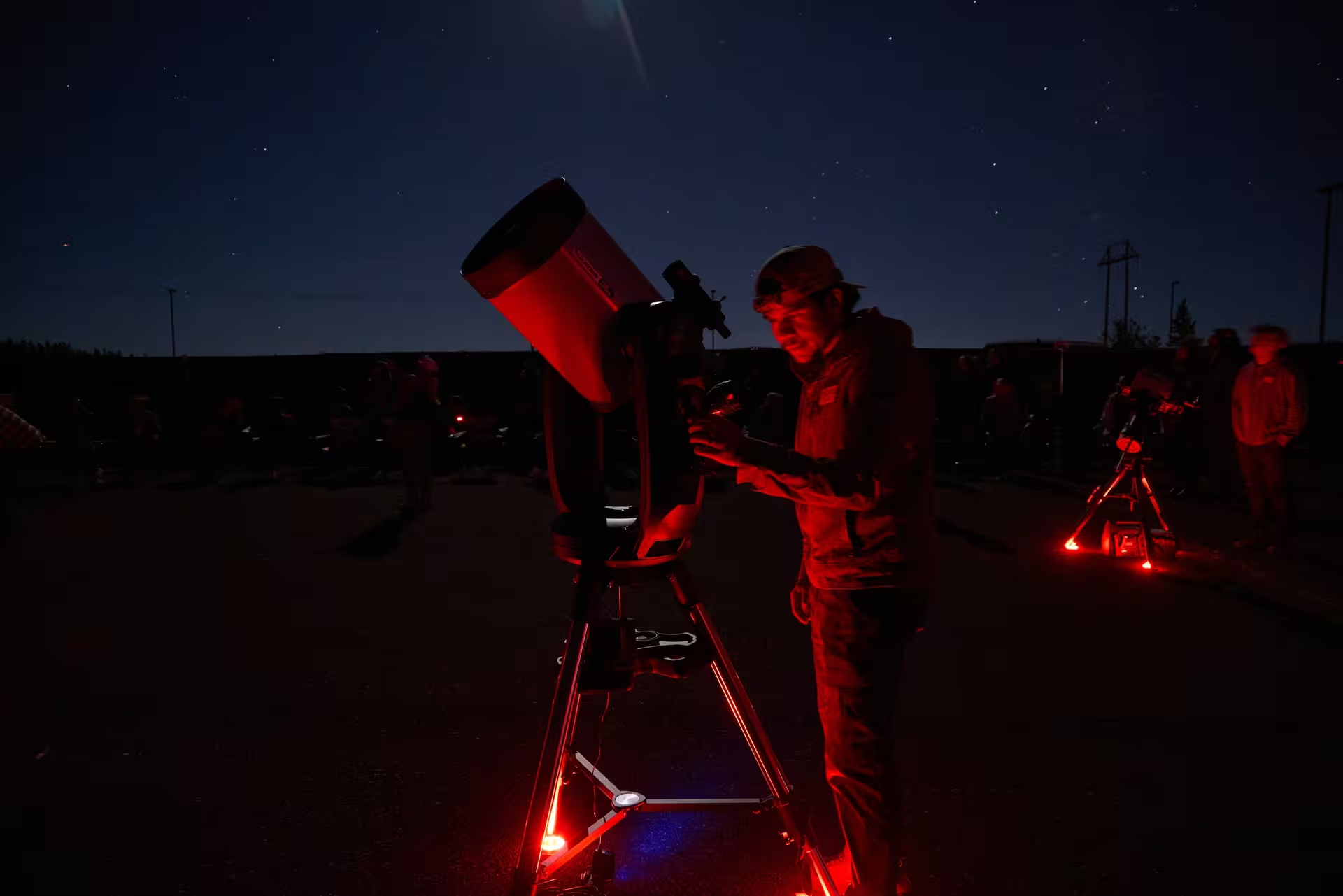
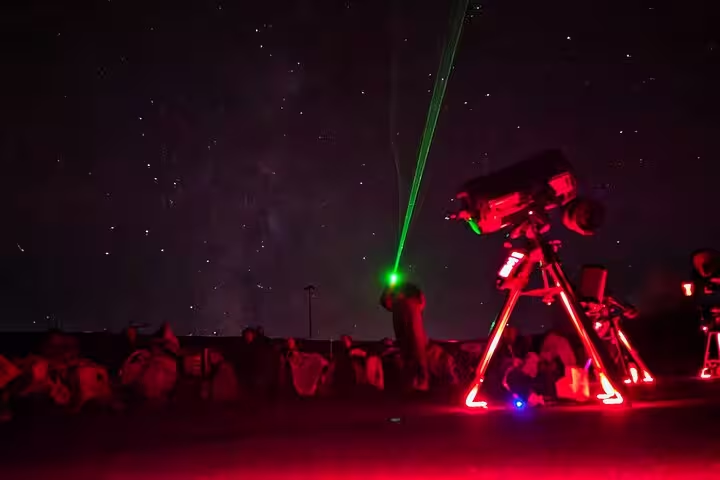
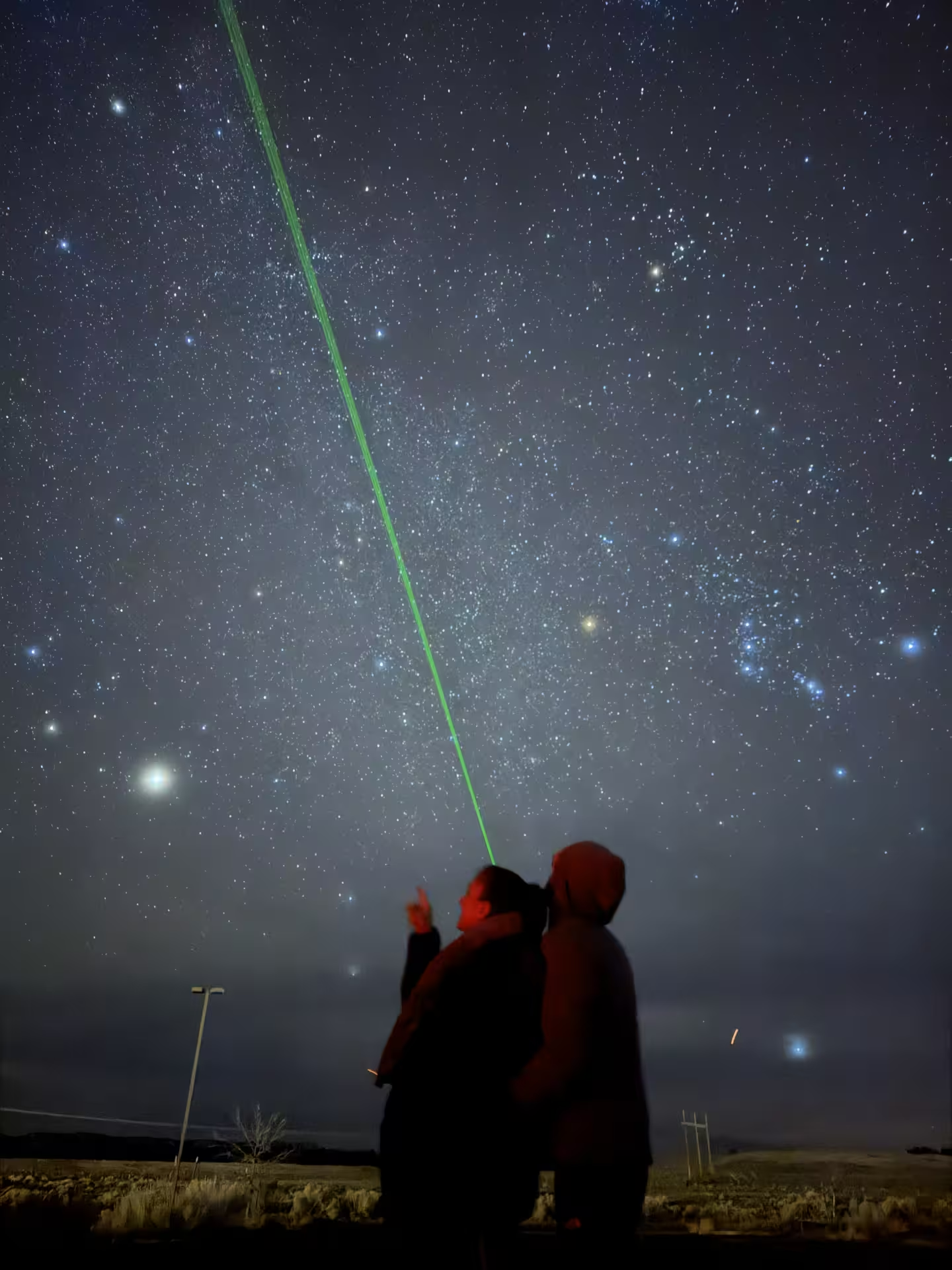
Utah is a place of big-sky deserts, alpine peaks, and road-trip scale landscapes where national parks, creative small towns, and modern cities share the same horizon. The signature vibe is spacious and cinematic, with sunrise drives, canyon viewpoints, and nights that make stargazing feel like an event. Come with a plan, then leave room for spontaneity, because many of the best moments in Utah happen between the headline stops.


Snapshot

Utah balances iconic red-rock scenery with a surprisingly diverse travel menu that includes ski culture, Indigenous heritage, and a growing food and craft scene. The state feels both adventurous and approachable, with well-developed visitor infrastructure in many areas and plenty of wide-open quiet once you leave the main corridors. Go now for shoulder-season comfort, clearer trails, and easier logistics, especially if you can travel midweek.


🗺️ Geography and Logistics

📍 Orientation: Where is it within United States of America and United States?

Utah sits in the Mountain West region of the United States of America, bordered by states that make it ideal for multi-state road trips. Salt Lake City is a key gateway hub for flights and car rentals, and it is a practical starting point for both northern mountain areas and southern desert routes. Another common access point is the St. George area for travelers focusing on the southwest corner and nearby park country.

🕒 When to Go: Seasonal breakdown

Timing in Utah is about matching weather to the experiences you want. Spring and fall are often favored for hiking and scenic driving because temperatures can be more comfortable and crowd levels can be more manageable than peak summer. Summer is popular for family trips and high-elevation escapes, but desert areas can feel intense in midday heat, so early starts matter. Winter shifts the focus toward snow sports in the mountains and quieter sightseeing in red-rock regions, where crisp air can make views feel extra sharp.

💰 Budget & Currency: Practical money tips

The currency is the US dollar, and cards are widely accepted in cities and most tourist corridors. For smaller towns, remote fuel stops, and quick purchases, carrying a modest amount of cash can reduce friction. Budget planning is less about entry fees and more about transportation, because distances are long, fuel adds up, and a rental car is often the biggest line item. If you want to keep costs steadier, consider traveling in shoulder season and booking lodging earlier, especially near major parks.


⭐ Essential Things to Do List

Explore Zion National Park. Zion is a defining Utah experience, with towering canyon walls and trail options that range from easy riverside walks to strenuous climbs. It matters because it showcases the state’s scale in a way that feels immediate and immersive. Practical tip, start early for cooler temperatures and smoother parking, and consider midweek for a calmer pace.

Drive Bryce Canyon’s viewpoints. Bryce is known for amphitheaters of hoodoos that glow at sunrise and shift color through the day. It matters because it is one of the most visually distinctive landscapes in the United States, and the overlooks make it accessible even if you are not doing long hikes. Practical tip, plan a sunrise stop for dramatic light and bring layers, because mornings can feel chilly.

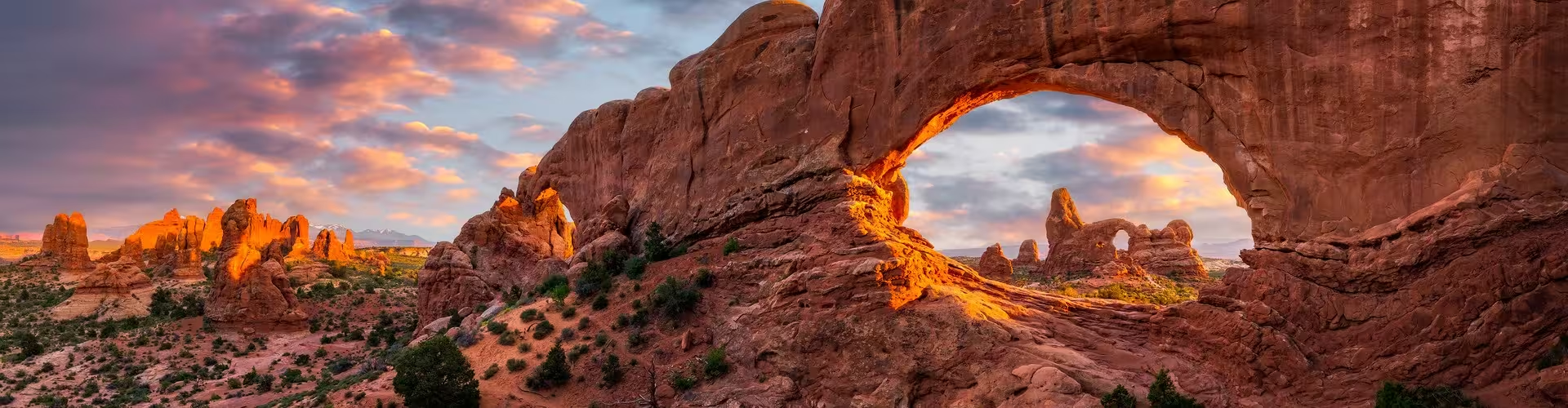
See Arches National Park at golden hour. Arches delivers iconic sandstone formations and short-to-moderate trails that reward patient pacing. It matters because the park’s shapes and shadows change constantly, and the light can transform the same viewpoint into a different scene. Practical tip, aim for late afternoon and stay through sunset, then drive carefully after dark for wildlife and low visibility.

Hike in Canyonlands National Park. Canyonlands offers vast overlooks and rugged backcountry energy, with distinct districts that feel like separate worlds. It matters because it is a quieter counterpoint to more crowded stops, and it helps you understand the geology that shaped the region. Practical tip, confirm which district you are visiting before you go, because drive times between areas can be significant.

Scenic road trip on Utah’s Highway 12. This route is a classic for a reason, with high plateaus, slickrock, and small towns that break up the drive. It matters because it connects major park areas while still feeling like an attraction in itself. Practical tip, keep your fuel tank comfortably above empty, and build time for pullouts, because the best photos are often unplanned.

Salt Lake City culture and neighborhoods. Salt Lake City adds museums, coffee shops, and local dining that balance out heavy outdoor days. It matters because it gives your trip variety and a more grounded sense of contemporary Utah life beyond the parks. Practical tip, cluster activities by neighborhood to reduce driving and parking stress.

Park City mountain town vibe. Park City is known for its historic core and seasonal mountain recreation. It matters because it is a comfortable base for travelers who want alpine scenery, a walkable main street, and a resort-style rhythm. Practical tip, visit on a weekday for easier restaurant reservations and a less crowded feel.

Capitol Reef National Park’s quieter beauty. Capitol Reef often feels like the under-the-radar member of the Mighty 5, with scenic drives and approachable trails. It matters because it offers big views without the same intensity of crowds in some peak periods. Practical tip, pack snacks and water, and treat it as a slow-travel day where you stop often.

Monument Valley-style panoramas nearby. The broader region includes legendary desert vistas and long straight roads that define the American Southwest visual language. It matters because it adds a sense of cultural and cinematic context to your Utah itinerary. Practical tip, plan for long distances and limited services, and download offline maps ahead of time.


🚶 Curated Itineraries

⏰ The Highlights (1 Day)

Start with an early scenic drive and a short hike to get oriented with the landscape while temperatures are cooler. Midday, focus on viewpoints and easy trails that keep you moving without overcommitting, then take a long lunch break and hydrate. In late afternoon, choose one signature sunset spot, then finish with a relaxed dinner in a nearby town so you are not driving long distances in the dark.

⏰ Deep Dive (2-3 Days)

Day one, pick one major park area and do a mix of a classic trail plus a scenic drive, then spend the evening in town to reset. Day two, add a second park or a quieter alternative, and build in time for a museum stop, a local café, or a short neighborhood walk if you are based near Salt Lake City or Park City. Day three, prioritize a slower morning, then take a road-trip style loop with photo pullouts, a picnic, and one final hike that fits your energy, because fatigue is the most common reason travelers rush and miss the best light.


🍽️ Flavors of Utah

Fry sauce. Creamy, tangy, and a little sweet, it is a classic dip that shows up with fries and burgers. Ordering tip, ask if the house version is more ketchup-forward or more mayo-forward if you have a preference.

Funeral potatoes. Rich, cheesy, and comforting, this casserole is a staple at gatherings and a window into local food traditions. Ordering tip, if you see it as a side, pair it with something lighter to balance the meal.

Utah scones. Unlike the British version, these are often fluffy, fried breads served with honey butter or sweet toppings. Ordering tip, try them warm, and share one if you want a taste without turning it into your whole meal.

Green Jell-O style salads. Retro, sweet, and nostalgic, these dishes are part of community potluck culture. Ordering tip, treat it like a dessert, and ask what mix-ins are included if you have texture preferences.

Local craft beer and NA options. Many areas have a growing craft scene, and you will also find creative non-alcoholic drinks and soda shops. Ordering tip, ask for a flight if available, or request a seasonal option for something more distinctive.

Southwestern and Mexican-inspired plates. In southern Utah, you will often find menus influenced by the broader Southwest, with chiles, beans, and grilled meats. Ordering tip, ask about heat level and house-made salsas before you commit.


🚌 Navigation & Transport

For most travelers, a rental car is the most practical way to experience Utah, because distances between parks, towns, and viewpoints can be substantial. In cities like Salt Lake City, you can mix walking with public transit and ride-sharing for neighborhood hopping and evenings out. When driving in remote areas, keep extra water, check fuel levels often, and avoid relying on constant cell service. For accessibility, prioritize scenic drives and paved viewpoints, and confirm trail surfaces and elevation change if mobility is a concern.


🌄 Beyond the Center: Day Trips

Antelope Island State Park, roughly an hour from Salt Lake City, is a classic day trip for lake views and wildlife spotting. The reason to go is the wide-open landscape and the feeling of stepping into a different ecosystem quickly.

Bonneville Salt Flats, about 1.5 to 2 hours from Salt Lake City, delivers surreal, mirror-like horizons after rain and an iconic road-trip photo stop. The reason to go is the otherworldly scenery and the sense of scale.

Ogden, around 40 to 60 minutes from Salt Lake City, offers a historic downtown and access to outdoor recreation. The reason to go is a smaller-city pace with easy mountain proximity.

Snowbird or Alta area, roughly 45 minutes from Salt Lake City, is ideal for mountain scenery and seasonal activities. The reason to go is quick access to alpine views without a long transfer.


✅ Insider Tips for Travelers

  • Start early for popular hikes, both for cooler temperatures and for easier parking.
  • Build your route around drive times, because distances in Utah can look short on a map but still take time.
  • Pack layers year-round, desert mornings and mountain evenings can feel surprisingly cool.
  • Carry more water than you think you need, especially in dry, high-sun areas.
  • Download offline maps and save key addresses, service can be limited on scenic routes.
  • Plan sunset stops intentionally, then book lodging close enough to avoid stressful night driving.
  • Use viewpoints and scenic drives as accessibility-friendly alternatives on high-fatigue days.
  • Respect trail etiquette, stay on marked paths to protect fragile desert soil and cryptobiotic crust.

❓ Frequently Asked Questions, FAQ

Q1: Do I need a car to travel around Utah?
A: A car is strongly recommended for most itineraries because major sights are spread out. In Salt Lake City, you can combine walking, public transit, and ride-sharing for many activities.

Q2: When is the best time of year to visit Utah for hiking?
A: Spring and fall are often the most comfortable for hiking, with more moderate temperatures and fewer peak-season pressures. Summer can work well if you start early and focus on higher elevations during midday.

Q3: How many days should I plan for a Utah road trip?
A: One day can deliver a highlights-style experience, but it will feel fast. Two to three days gives you time to add scenic drives, slower mornings, and a second major area without rushing.

Q4: Is cash necessary in Utah, or can I use a card everywhere?
A: Cards are widely accepted in cities and most tourist areas. It is still smart to carry a small amount of cash for remote stops and quick purchases.

Q5: What should I pack for changing conditions in Utah?
A: Pack layers, sun protection, and more water than you expect to need. Comfortable walking shoes help even on viewpoint-heavy days, because short trails and uneven surfaces are common.