Austin is a city of live music spillover, lakeside sunsets, and neighborhood food scenes that reward curious walkers. It blends Texas history with a modern creative pulse, so you can go from mural hunting to hill country views without changing your pace. This guide focuses on practical choices, what to prioritize, and how to plan a smooth trip that feels distinctly Austin.
Austin feels energetic and outdoorsy, with a soundtrack that runs from honky tonk to indie sets and a food culture built for long, social evenings. Go for the mix of water, parks, and culture that stays engaging even if your schedule is packed. If you plan around heat, crowds, and festival weekends, the city is easy to love and easy to navigate.
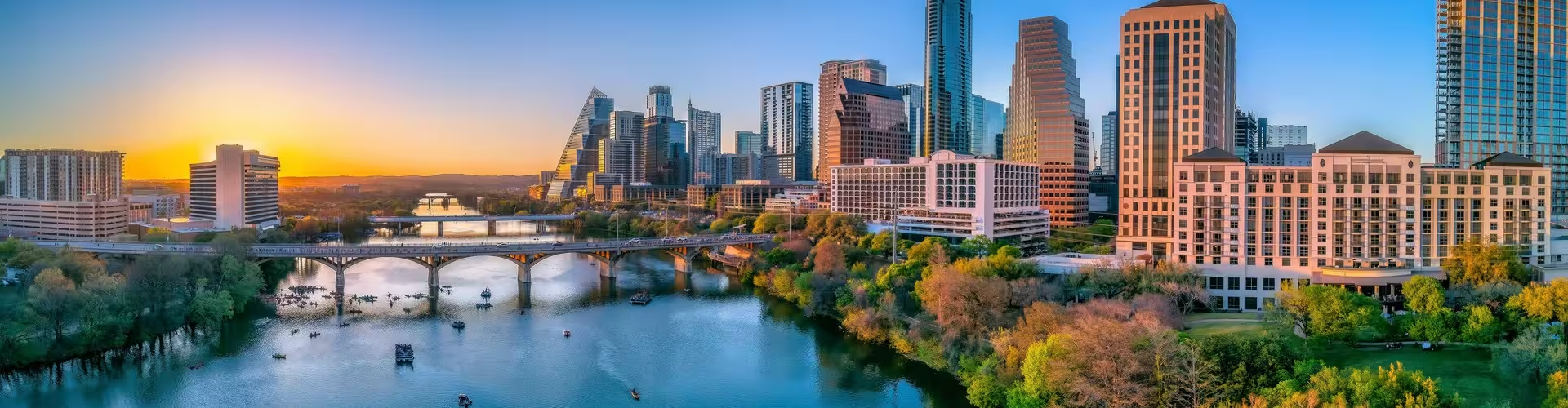
Austin sits in Central Texas, roughly between the big metros of Dallas Fort Worth, Houston, and San Antonio. The city spreads around the Colorado River, with Lady Bird Lake cutting a scenic line through the urban core and linking many of the most walkable areas. The main gateway is Austin Bergstrom International Airport, and regional road trips often connect through Interstate corridors that make the Hill Country and nearby cities straightforward to reach.
Expect hot summers, mild winters, and shoulder seasons that are often the most comfortable for long walks and patio meals. Spring and fall tend to bring the best balance of weather and outdoor time, but they can also draw larger crowds for major events and weekend travel. Summer can still be rewarding if you plan your days around early mornings, shaded trails, and water time, then save indoor museums and long dinners for the hottest hours.
The local currency is the US dollar, and cards are widely accepted across restaurants, attractions, and transportation. Budget levels vary by neighborhood and by how nightlife focused your trip is, so decide early whether your priorities are experiences, dining, or accommodation location. Keep a small amount of cash for tips and quick purchases, and consider setting a daily ride share budget if you plan to hop between areas after dark.
Stroll the Lady Bird Lake Hike and Bike Trail. This loop delivers an instant sense of the city, with skyline views, water reflections, and an active local vibe. It is one of the easiest ways to see how outdoor life shapes Austin. Practical tip, go early for cooler temperatures and clearer photos, then pair it with a nearby coffee stop.
Explore South Congress Avenue. SoCo is a classic mix of boutiques, street style, and photo friendly corners that capture the city’s creative identity. It is also a strong area for casual dining and people watching. Practical tip, visit on a weekday morning for lighter crowds and easier parking or ride share drop offs.
Catch live music on Sixth Street. The city’s music reputation becomes real when you hear sets spilling into the street and venues stacked close together. The vibe can shift block by block, from rowdy to more laid back, so it helps to choose your scene. Practical tip, bring ear protection if you plan to venue hop, and confirm age policies before you commit to a night plan.
Spend time in Zilker Metropolitan Park. Zilker is where locals go to reset, picnic, and stretch a day outdoors without leaving the city. It is a good anchor for a relaxed itinerary and pairs naturally with nearby trails and water views. Practical tip, pack sunscreen and water, and plan a shaded break if you are visiting in warmer months.
Swim at Barton Springs Pool. This spring fed pool is iconic for a reason, it feels like a natural reset button and a cultural ritual. It is one of the most refreshing ways to handle heat while still staying close to central neighborhoods. Practical tip, bring a towel and arrive earlier in the day for a calmer swim experience.
Visit the Texas State Capitol. The Capitol grounds connect you to the political and architectural history of Texas, and the area is easy to pair with downtown exploration. Even from the outside, it adds context to the city’s role beyond music and food. Practical tip, go earlier for softer light and a more relaxed walk around the grounds.
Browse the Blanton Museum of Art. For a cultural counterpoint to outdoor time, the museum offers a focused way to spend a few hours indoors. It works especially well during midday heat or if weather shifts. Practical tip, pair it with nearby campus area exploring for a fuller half day.
Watch the Congress Avenue Bridge bats. The bat emergence is one of the most unusual urban nature moments in the United States, and it turns an ordinary evening into a story. It is also a great way to experience the city with minimal planning. Practical tip, arrive early to claim a good viewing spot, and keep expectations flexible since nature is never perfectly predictable.
Daytime neighborhood wandering in East Austin. East Austin is known for murals, creative spaces, and a food and drink scene that feels local first. It is a strong choice if you want less of the main strip energy and more discovery. Practical tip, save a few stops on a map, then leave room for spontaneous detours.
Start with a morning walk along Lady Bird Lake to get oriented and enjoy cooler air. Head to the Texas State Capitol area next for a dose of history and classic city views. Spend the afternoon around Zilker Metropolitan Park and Barton Springs Pool, then transition into an evening of live music, finishing with a viewpoint for the Congress Avenue Bridge bats if timing lines up.
Day one, combine downtown, the Capitol, and a museum block like the Blanton Museum of Art to balance outdoor time with culture. Day two, focus on South Congress Avenue and nearby coffee, shopping, and casual meals, then spend late afternoon around the lake for golden hour photos. Day three, slow down in East Austin for murals and neighborhood food, then build your night around live music with a venue plan that matches your preferred vibe.
Texas barbecue. Expect smoky brisket, peppery bark, and sides that turn a meal into an event. Ordering tip, ask what is freshest and be open to a mixed plate so you can taste more than one cut.
Breakfast tacos. Warm tortillas, eggs, and a wide range of fillings make this a local staple that fits any schedule. Ordering tip, try one classic option and one spicy option, then add salsa gradually if you are heat sensitive.
Tex Mex. Think cheesy comfort plates, grilled meats, and bold salsas that lean bright and tangy. Ordering tip, ask for recommended house salsas and consider sharing plates to sample more flavors.
Queso. Creamy, salty, and often served with chips, it is built for social snacking. Ordering tip, order it early while you are hungry, then pace it alongside drinks so it stays fun, not filling.
Fried chicken. Crispy textures and seasoned crusts show up across casual spots and sit down menus. Ordering tip, if you like heat, ask whether the spice level is mild, medium, or truly hot before committing.
Craft beer. The city’s beer culture is a relaxed way to spend an afternoon, especially in warmer weather. Ordering tip, start with a small pour or a flight so you can find your style before choosing a full pint.
Margaritas. From tart and citrusy to richer variations, they are a familiar match for Tex Mex meals. Ordering tip, if you prefer less sweetness, ask for a classic style with fresh lime emphasis.
Many central areas are walkable in clusters, especially around downtown, Lady Bird Lake, and South Congress, but distances between neighborhoods can add up. Ride sharing is a common choice for evening plans and for hopping between East Austin, Sixth Street, and hotel areas without dealing with parking. If you drive, plan ahead for where you will leave the car, and avoid rushing across town during peak commuting times. For safety, keep hydrated in hot weather, use well lit routes at night, and prioritize shaded breaks if you are walking long stretches.
Texas Hill Country. This nearby region is known for scenic drives and a slower pace than the city. Travel time varies by destination, but it is often an easy day trip by car. Primary reason to visit, landscapes and small town atmosphere.
Lake Travis. A popular escape for water views and lake time when you want a change from the urban core. It is typically reached by a short drive from Austin. Primary reason to visit, lake scenery and outdoor recreation.
San Antonio. A major Texas city that pairs well with a multi city itinerary. It is commonly visited as a longer day trip or an overnight. Primary reason to visit, historic sites and a distinct cultural feel.
Fredericksburg. A Hill Country town often associated with weekend wandering and local tasting rooms. Drive time depends on traffic and route. Primary reason to visit, small town charm and countryside atmosphere.
What is the best way to get around without a car?
Walking works well for clustered areas like downtown, South Congress, and the lake trail. For longer hops between neighborhoods, ride sharing is a practical option, especially at night.
How many days do I need to see the main highlights?
One day can cover the lake, a major landmark like the Capitol, and an evening music plan. Two to three days lets you add neighborhoods like East Austin and build in more relaxed meal and park time.
When is the most comfortable season to visit Austin?
Spring and fall often offer the best balance for walking, patios, and outdoor parks. Summer can still work if you plan early starts and include water stops like Barton Springs Pool.
Is Austin expensive for travelers?
Austin can feel mid range to higher depending on where you stay and how much nightlife you plan. You can manage costs by grouping activities by neighborhood and mixing free outdoor time with a few paid cultural stops.
What should I prioritize if I only do three things?
Choose one outdoor anchor like Lady Bird Lake or Zilker, one iconic cultural stop like the Texas State Capitol, and one evening experience like live music. That combination captures the city’s nature, history, and signature energy.